It feels like there’s never enough time, right? You’re juggling work demands, personal life, and that nagging feeling of anxiety that something is always waiting to be done. It’s a tough spot to be in, and many of us know that feeling all too well.
We want to find a better way, a path that feels less like a race and more like a gentle stroll. This is about finding some peace in the daily chaos.
Finding the right information can make a big difference. This guide explores helpful newsletters and blogs focused on managing anxiety and improving work-life balance. It aims to offer clear insights and practical advice for a calmer, more fulfilling life.
Understanding Work-Life Balance and Anxiety
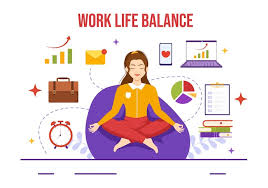
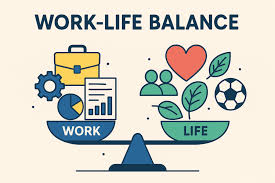
Work-life balance is about having a healthy relationship between your professional life and your personal life. It’s not about a perfect 50/50 split. It’s more about feeling in control.
You should feel good about how you spend your time. It means having energy for your job and for the people and things you love outside of work. When this balance is off, stress can creep in.
Anxiety is a common feeling. It’s a sense of worry or fear about what might happen. When it becomes constant or overwhelming, it can impact your daily life.
Work stress is a big trigger for many people. Tight deadlines, heavy workloads, or difficult relationships at work can all fuel that anxiety. This can spill over into your home life, making it hard to relax.
The modern world often pushes us to be “on” all the time. Our phones buzz with emails. Social media shows us highlight reels of others.
This can make us feel like we’re not doing enough. It can increase feelings of inadequacy and worry. Finding resources that offer a different perspective is key.
These resources can remind us that it’s okay to slow down. They can show us how to set better boundaries.
My Own Journey with the Overwhelm
I remember a time when my inbox was my master. It was late one Tuesday night, and I was staring at my computer screen. The glow of the monitor was the only light in the room.
My eyes felt tired, but my mind was racing. There were still three more reports to finish. A client had sent a new urgent request.
My stomach felt tight with a familiar knot of dread. I hadn’t spoken to my partner all day, except to ask if they could pick up dinner. That thought hit me: I was present, but not really there.
I was missing out on my own life.
That night, I felt a deep sense of loneliness mixed with panic. I was succeeding at work by many measures, but I felt like a failure everywhere else. My health was suffering.
My relationships were strained. The joy was draining out of my days. I knew something had to change, but I felt stuck.
Like I was on a treadmill that I couldn’t get off. I started looking for ways to find a little bit of calm. I wanted to feel more in control of my own time and my own mind.
I started small. I looked for blogs that talked about burnout. I searched for newsletters that offered simple tips for stress.
It wasn’t an instant fix, but slowly, I began to find paths. I found people who understood. They shared their own struggles and their own solutions.
This gave me hope. It showed me that a different way was possible. It was about finding the right support and information.
Key Signs of Work-Life Imbalance
Feeling constantly drained: You have little energy for anything after work.
Neglecting personal needs: Skipping meals, sleep, or exercise.
Strained relationships: Work issues constantly affecting your loved ones.
Lack of enjoyment: Hobbies and interests fall by the wayside.
Increased stress and anxiety: Feeling worried or on edge often.
Exploring Top Newsletters for Balance and Calm
There are many online resources that can help. Some are blogs, and some are newsletters. Newsletters come right to your inbox.
This can be a convenient way to get regular tips. They can also offer a gentle nudge to think about your well-being.
When looking for a newsletter, consider what you need most. Do you want quick tips? Or do you prefer longer articles?
Are you looking for inspiration, or practical steps? Many good newsletters combine these elements. They offer a mix of personal stories and expert advice.
They can help you see that you are not alone in your struggles.
A good newsletter can be like a trusted friend. It checks in with you. It offers support without judgment.
It helps you remember the things that truly matter. It can be a small bright spot in your busy week. These little moments of connection and learning can add up.
They can help build a stronger sense of well-being over time.
How to Choose a Newsletter
1. Identify your main needs: Are you stressed about work? Or personal life?
Or both?
2. Check the content style: Do you like short tips or deep dives?
3. Look for empathy: Does the tone feel supportive and understanding?
4. Scan past issues: If possible, see what kind of topics they cover.
5. Read reviews: What do other subscribers say about its value?
Here are some popular newsletters and blogs that many people find helpful. They focus on topics like managing stress, building resilience, and creating a more balanced life. They often touch on the link between our mental state and our daily habits.
The Smart Passive Income Newsletter
While not solely focused on anxiety, Pat Flynn’s Smart Passive Income newsletter offers a wealth of information on building a business. This can indirectly help with work-life balance. Many people struggle because their work feels all-consuming.
Learning to work smarter, not just harder, is a key skill.
This newsletter often shares stories of entrepreneurs. These stories highlight the challenges of balancing growth with personal well-being. You’ll find tips on productivity.
You’ll also learn about mindset shifts. These can help reduce the pressure of always needing to do more. It’s about creating systems that work for you.
The tone is usually encouraging and practical. It’s about taking actionable steps. While the primary focus is online business, the principles of efficiency and strategic thinking apply to many work situations.
It can empower you to gain more control over your professional life. This control can then lead to better balance.
The Daily Stoic Newsletter
The Daily Stoic, by Ryan Holiday and Stephen Hanselman, offers a daily dose of wisdom. It’s inspired by ancient Stoic philosophy. This philosophy is very relevant to modern life and anxiety.
Stoicism teaches us to focus on what we can control. It helps us accept what we cannot. This is a powerful tool for managing worry.
Each day, you get a short reading. It often includes a quote from a Stoic philosopher. It is followed by a brief explanation.
This explanation connects the ancient ideas to our current lives. It can help you reframe challenges. It can encourage a sense of inner peace.
The bite-sized format is perfect for a busy schedule. You can read it with your morning coffee. It provides a moment of reflection.
It helps you approach the day with a calmer mindset. This focus on inner strength can be a great antidote to external pressures. It’s about building a resilient mind.
The Headspace Newsletter
Headspace is well-known for its meditation app. Their newsletter often shares tips for mindfulness and stress reduction. Mindfulness is about paying attention to the present moment.
It can be very effective in reducing anxiety. It helps you notice your thoughts without getting carried away by them.
The newsletter provides practical advice. You might find techniques for dealing with difficult emotions. You could learn simple breathing exercises.
There are also often articles about sleep and mental health. The approach is gentle and accessible. It aims to make mental well-being practices easy to adopt.
This is great for anyone feeling overwhelmed. It offers tools to help you manage anxious thoughts. It encourages taking small breaks throughout the day.
These breaks can reset your nervous system. It’s a resource for building a consistent practice of self-care.
Quick Meditation Tips from Headspace
- Focus on your breath: Gently notice the rise and fall of your chest.
- Body scan: Pay attention to sensations in your body, starting from your toes.
- Mindful walking: Notice the feeling of your feet on the ground.
- One-minute pause: Simply stop and breathe for 60 seconds.
The Anya Taylor-Joy Newsletter (as an example of a “creator” newsletter)
Many creators and public figures share their thoughts. These can offer unique perspectives. For example, an actor like Anya Taylor-Joy might share insights about managing fame, pressure, and maintaining a sense of self.
While specific content varies, the appeal is in the personal narrative. It shows how public figures navigate stress.
Such newsletters can offer encouragement. They might discuss the importance of downtime. They can highlight the need for creative outlets.
They provide a glimpse into the human side of success. This can be inspiring. It can help normalize the idea that everyone faces challenges.
The value here is in relating to someone. It shows that even people in high-pressure jobs think about balance. They also deal with anxiety.
This can make our own struggles feel less isolating. It reminds us that self-care is a part of a successful life.
Cal Newport’s Newsletter (Deep Work)
Cal Newport is a computer science professor. He writes a lot about focused work. His ideas on “deep work” are very relevant to work-life balance.
Deep work means doing focused, uninterrupted tasks. This type of work is highly productive. It often leads to more satisfaction.
His newsletter explores how to achieve this. It talks about minimizing distractions. It discusses the importance of downtime.
Newport argues that constant connectivity is harmful. It fragments our attention. It makes deep thinking difficult.
This can lead to feeling busy but not productive.
He offers practical strategies. These help readers reclaim their focus. They also help them create more intentional use of their time.
This is crucial for anyone feeling swamped by digital noise. Learning to disconnect can be a powerful way to reduce anxiety. It allows for more meaningful engagement with both work and life.
Contrast Matrix: Deep Work vs. Shallow Work
Deep Work:
- Focus: Intense concentration, no distractions.
- Value: Creates new value, improves skills.
- Effort: Mentally demanding.
- Outcome: High-quality, meaningful output.
Shallow Work:
- Focus: Little concentration, often distracted.
- Value: Non-cognitively demanding, logistical.
- Effort: Low effort, easily replicated.
- Outcome: Busywork, little lasting impact.
Insights from Blogs on Anxiety and Balance
Blogs offer a different format. They often have longer articles. They can dive deeper into specific topics.
Many blogs are written by experts. Others are personal blogs from people who have experienced similar struggles.
When you read a blog, you can often find archives. This means you can search for specific issues you are facing. If you’re struggling with sleep, you can search for that.
If you’re worried about public speaking, you can find articles on that too. This makes blogs a great resource for targeted help.
The community aspect of blogs can also be valuable. Many blogs have comment sections. Reading comments can show you that others feel the same way.
Sometimes, people share their own solutions in the comments. This can be a source of new ideas and support.
Psychology Today Blog
Psychology Today hosts a vast number of blogs. These are written by psychologists, therapists, and researchers. They cover a wide range of mental health topics.
This includes anxiety, stress, depression, and relationships. The content is usually well-researched and credible.
You can find articles on the science behind anxiety. You can also find practical advice for managing it. Many articles discuss the link between work and mental health.
They offer coping strategies. They explain different therapeutic approaches. This makes it a valuable resource for understanding your feelings.
The site allows you to filter by topic. You can look for articles on work-life balance. You can also find content on anxiety management techniques.
The sheer volume of information means you are likely to find something relevant. It’s a good place to build your knowledge base.
Quick Scan: Types of Anxiety Support on Psychology Today
Understanding Anxiety: What it is, types, causes.
Coping Strategies: Breathing, mindfulness, reframing thoughts.
Therapy Options: CBT, DBT, and other approaches.
Workplace Stress: Managing pressure and burnout.
Relationship Impact: How anxiety affects loved ones.
The Happiness Project Blog
Gretchen Rubin started “The Happiness Project.” Her work focuses on making intentional choices to increase happiness. While not solely about anxiety, it deeply intersects with well-being. Her blog shares insights from her research and her own journey.
She often discusses habits. She explores how small, consistent actions can lead to bigger changes. This is very relevant to work-life balance.
It’s about building routines that support your goals. It’s also about shedding habits that drain your energy.
Her approach is practical and evidence-based. She encourages readers to experiment. She helps them find what works for them.
This personalized approach is valuable. It acknowledges that everyone’s path to happiness and balance is unique.
Zen Habits Blog
Zen Habits is known for its minimalist approach. It focuses on simplicity. Leo Babauta, the author, writes about living a simpler, more intentional life.
This often involves reducing clutter. It also means focusing on what truly matters.
The blog offers practical tips for decluttering your physical space. It also helps you declutter your mind. This can be incredibly beneficial for anxiety.
A simpler life often means less stress. It means more time for rest and connection.
Topics include mindfulness, focus, and conscious living. The writing is clear and direct. It encourages readers to take small steps.
It emphasizes the power of simplicity. This can be a refreshing perspective for those feeling overwhelmed by complexity.
The Simple Life: Key Principles
Minimalism: Owning less, focusing on essentials.
Mindfulness: Being present in each moment.
Intentionality: Making conscious choices about your time.
Focus: Prioritizing key tasks and relationships.
Self-Care: Making time for rest and rejuvenation.
NPR Life Kit
NPR’s Life Kit offers practical advice on various aspects of life. They have a strong focus on mental health, productivity, and personal growth. Their content often comes in podcast episodes and articles.
These are designed to be actionable.
You’ll find episodes on managing stress. There are guides on setting boundaries. You can learn about improving sleep.
They often interview experts. They also share stories from real people. This blend of information and personal experience is very relatable.
The advice is grounded and easy to understand. It’s not overly academic. It’s designed for everyday people.
This makes it a great resource for immediate help. It’s like getting advice from a knowledgeable friend who has done their homework.
What This Means for You: Finding Your Path
The resources mentioned are just a starting point. The key is to find what resonates with you. Not every newsletter or blog will be a perfect fit.
Your needs might change over time.
When it’s normal to seek help: If you’re constantly feeling stressed, anxious, or overwhelmed, it’s okay to look for support. If work is consistently impacting your sleep or relationships, that’s a sign. If you feel you can’t switch off your work brain, it’s time to explore solutions.
When to worry: Persistent feelings of hopelessness, panic attacks, or an inability to function daily are serious. These might require professional help from a therapist or doctor. Online resources can be a great supplement, but they don’t replace professional care when needed.
Simple checks:
- How do you feel after reading an article or newsletter? Do you feel more hopeful, or more overwhelmed?
- Can you implement one small tip? Even a tiny change can be a victory.
- Are you giving yourself permission to rest? This is not a sign of weakness.
Observational Flow: Building Better Habits
Morning: Start with a calm routine (e.g., 5 mins mindfulness, light reading).
Workday: Schedule short breaks. Practice focused work sessions.
Evening: Create a wind-down ritual. Avoid screens before bed.
Weekly: Plan enjoyable activities. Connect with loved ones.
Monthly: Review your progress. Adjust your goals.
Quick Tips for Managing Anxiety and Work-Life Balance
These are general guidelines. They are not a substitute for professional advice.
Set Boundaries: Learn to say “no.” Protect your personal time. Turn off work notifications after hours.
Prioritize Sleep: Aim for 7-9 hours of quality sleep. A consistent sleep schedule helps.
Move Your Body: Even a short walk can reduce stress. Find an activity you enjoy.
Practice Mindfulness: Focus on the present moment. Notice your breath. Observe your thoughts without judgment.
Connect with Others: Spend quality time with friends and family. Talk about your feelings.
Take Breaks: Step away from your work regularly. Short breaks boost productivity and reduce fatigue.
Limit News and Social Media: Excessive exposure can increase anxiety. Be mindful of your consumption.
Seek Professional Help: If anxiety is severe, talk to a therapist or counselor. They can provide personalized strategies.
Personalized Plan Snapshot
Goal: Reduce work-related anxiety.
Actions:
- Subscribe to Daily Stoic newsletter for daily wisdom.
- Read one article from Psychology Today per week on coping.
- Practice a 5-minute mindfulness exercise from Headspace daily.
- Set a hard stop time for work emails at 6 PM.
Frequent Questions
What is the best newsletter for general anxiety relief?
For general anxiety relief, the Headspace newsletter is excellent. It offers practical mindfulness tips and stress reduction techniques. The Daily Stoic newsletter is also very helpful for reframing worries and building resilience.
How can blogs help with work-life balance?
Blogs offer in-depth articles on specific challenges like burnout or time management. Resources like Cal Newport’s blog provide strategies for focused work, which improves productivity. Zen Habits offers ideas for simplifying your life, reducing stress.
Are there newsletters for both work stress and personal well-being?
Yes, many resources cover both. NPR’s Life Kit often addresses practical life skills that impact work and home. Blogs that focus on habits, like Gretchen Rubin’s, can help you build routines that benefit your entire life.
How often should I check these newsletters and blogs?
This depends on your needs. Daily newsletters like The Daily Stoic are great for consistent, small doses. Weekly blogs or articles from Psychology Today can offer deeper dives.
It’s best to find a rhythm that feels manageable and not overwhelming for you.
Can reading about anxiety make it worse?
Sometimes, but it’s rare with reputable sources. The key is to choose content that offers solutions or understanding, not just problems. If you find a particular resource makes you feel more anxious, it’s okay to stop following it.
Focus on sources that empower you.
What if I don’t have much time to read?
Many newsletters are short and designed for busy people. Daily Stoic or Headspace newsletters can be read in just a few minutes. Podcasts, like those from NPR Life Kit, can be listened to during commutes or while doing chores.
Conclusion
Finding balance and managing anxiety is a journey, not a destination. The right newsletters and blogs can be valuable companions. They offer insights, support, and practical steps.
Remember to be patient with yourself. Small, consistent efforts lead to significant change over time. You deserve a life that feels calmer and more fulfilling.