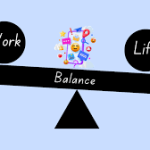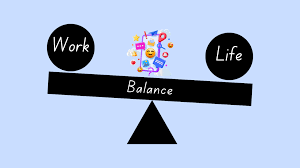

It’s a tough spot many service providers find themselves in. You pour your heart into your work, offering valuable skills and support to others. But when it comes to your own life, things can get messy.
You might worry constantly about how much to charge. Or perhaps you struggle to switch off after a long day. This constant juggle can feel overwhelming.
We get it. This guide aims to bring some clarity. We’ll explore how pricing and work-life balance go hand-in-hand.
You’ll learn practical ways to find a better rhythm.
Finding the sweet spot between fair pricing and personal time is key for service professionals. This guide helps you tackle pricing anxiety and build a healthier work-life balance. We cover smart strategies for setting rates and managing your schedule effectively. Learn how to feel more in control of both your business and your life.
Understanding Pricing Anxiety
Pricing anxiety is a real feeling. It’s that knot in your stomach when you think about setting your rates. Or when you have to tell a client your price.
Many service professionals, like coaches, consultants, freelancers, and therapists, face this. You might feel you’re not worth enough. Or you fear clients will say no if you charge too much.
This can lead to undercharging. It can also make you hesitant to raise your prices over time. This constant worry impacts your business.
It also drains your personal energy.
Why does this happen? Often, it’s tied to your personal value. You might tie your self-worth to your income.
Or you might have learned that being busy equals success. This can make it hard to set boundaries. You might also look at what others charge.
But their situation is different. They have different costs. They have different experiences.
They might have different business goals. Comparing yourself too much can fuel this anxiety.
The core issue is often a disconnect. It’s a disconnect between the value you provide and the price you ask. It’s also a disconnect between your work and your life.
When you undervalue yourself, you often work harder. You might take on more clients. You might offer more services for free.
This is unsustainable. It leads to burnout. It also doesn’t allow for a life outside of work.
The Link Between Pricing and Work-Life Balance
These two things are deeply connected. Think about it. If you charge too little, you need more clients.
More clients mean more work. More work means less time for yourself. You end up working late nights.
You might cancel personal plans. Your stress levels go up. Your relationships can suffer.
This is a classic sign of poor work-life balance. It’s a direct result of pricing yourself too low.
On the flip side, when you feel confident in your pricing, things change. You can serve fewer clients. But you can earn the same amount, or even more.
This means you have more time. You can spend time with family. You can pursue hobbies.
You can simply rest. This feeling of control is powerful. It reduces the anxiety around money.
It also frees up mental space. You’re not constantly worried about the next paycheck.
Consider the goal. Most people want to make a good living. But they also want a life.
They want joy outside of their job. If your pricing isn’t supporting this, something needs to change. It’s not about being greedy.
It’s about sustainability. It’s about building a business that serves you too. Not just your clients.
Common Pricing Pitfalls for Service Pros
1. The “Friend Discount” Trap: You feel bad charging friends or family full price. This eats into your profits and can set a bad precedent.
2. Fear of Saying “No”: You take on every project, even if it doesn’t fit your niche or schedule. This leads to overwork.
3. Undervaluing Your Experience: You forget all the training and years you’ve spent honing your skills. Your expertise has real value.
4. Ignoring Your Costs: You don’t factor in taxes, software, insurance, and your own living expenses. This means you’re actually losing money.
Why It’s Hard to Set Good Prices
Let’s dive deeper into why this is so tough for many. One big reason is the “imposter syndrome.” This is when you feel like a fraud. You feel like you’re not good enough.
Even when you achieve success. You might downplay your accomplishments. You might think others are better than you.
This makes it hard to own your worth. It makes it hard to charge what you’re worth.
There’s also the fear of rejection. When you tell someone your price, you’re putting yourself out there. You’re asking them to invest in you.
If they say no, it can feel personal. It can feel like they’re rejecting you. This is a very human reaction.
But it can hold you back from charging what you deserve. You might offer a lower price just to avoid that rejection.
Many service providers also lack business training. They are experts in their field. They know how to help people.
But they don’t know how to run a business. This includes setting prices. They might not know about profit margins.
They might not know about different pricing models. This knowledge gap creates uncertainty. Uncertainty fuels anxiety.
Finally, societal messages play a role. We’re often taught that selling is bad. Or that talking about money is rude.
This can make charging for your services feel uncomfortable. Especially if your service is about helping others. You might feel like you’re profiting too much.
This guilt can lead to self-sabotage through low pricing.
My Own Wake-Up Call
I remember a time a few years ago. I was running my own small design business. I loved the creative work.
But I was constantly stressed about money. I was undercharging. A lot.
I felt like if I charged more, clients would go elsewhere. So, I’d say yes to almost everything. My days were packed.
I’d be up late finishing projects. My social life was non-existent. I’d feel guilty if I took a weekend off.
One Tuesday morning, I woke up feeling completely drained. I had a deadline for a project that wasn’t even that important. I looked at my to-do list.
It was overwhelming. Then I looked at my bank account. It was barely covering my bills.
I felt this wave of panic. I realized I was trapped. I was working harder than ever.
But I wasn’t actually getting ahead. I was on a hamster wheel. And I was getting nowhere.
That day, I decided something had to change. I sat down with a spreadsheet. I figured out my actual costs.
My living expenses, taxes, software fees, everything. Then I calculated how much I needed to earn. Not just to survive, but to thrive.
It was a much higher number than I was currently making. It was scary. But it was also liberating.
It showed me that my current pricing was hurting me. It was preventing me from having the life I wanted.
Key Elements of a Sustainable Service Business
- Clear Value Proposition: What makes your service unique?
- Targeted Ideal Client: Who do you best serve?
- Profitable Pricing Strategy: Rates that cover costs and allow profit.
- Effective Time Management: Systems to protect your personal time.
- Client Boundaries: Clear expectations for communication and work hours.
Strategies for Setting Profitable Prices
Okay, so how do we fix this? It starts with understanding your value. Your skills and experience are valuable.
Don’t let anyone tell you otherwise. Think about the results you deliver for clients. Do you save them time?
Do you help them make money? Do you reduce their stress? These outcomes have a tangible value.
Your price should reflect that value.
One popular method is value-based pricing. Instead of charging by the hour, you charge for the outcome. What is the result worth to the client?
This is more complex. But it can lead to higher earnings. It also forces you to really understand your clients’ needs.
You become a problem-solver, not just a task-doer.
Another approach is cost-plus pricing. You calculate all your costs. Then you add a desired profit margin.
This ensures you’re covered. It also guarantees you make money. This is a more straightforward method.
It’s a good starting point if value-based pricing feels too daunting.
Don’t be afraid of tiered pricing. Offer different packages. A basic option.
A standard option. A premium option. This gives clients choices.
It also allows you to cater to different budgets. Your premium package should offer more value. It should also come with a higher price tag.
This shows clients there are different levels of service available.
Consider retainer models. For ongoing services, a retainer is great. Clients pay a set fee each month.
This provides you with predictable income. It reduces the feast-or-famine cycle. It also helps clients budget for your services.
It means you’re not constantly chasing new sales.
Finally, test your prices. Don’t set them in stone forever. See how clients react.
If you get a lot of pushback, maybe you need to adjust. Or maybe you need to refine how you communicate your value. If clients are happily paying, then you’re probably in a good spot.
You can even experiment with small price increases over time.
Calculating Your Numbers: A Simple Guide
Let’s get practical. You need to know your numbers. This isn’t about being a math whiz.
It’s about basic business sense. First, list all your business expenses. Think about everything.
Software subscriptions, office supplies, website hosting, insurance, professional development, marketing costs. Don’t forget taxes! Set aside a percentage for this.
Next, figure out your personal living expenses. What do you need to earn each month to cover your rent or mortgage, food, utilities, and personal needs? This is your baseline.
Now, combine them. Your total desired annual income is your business expenses plus your personal living expenses. Let’s say this total is $80,000.
Next, estimate how many billable hours you can realistically work in a year. Most people can’t work 40 hours a week on client projects. Factor in admin time, marketing, breaks, and holidays.
Let’s say you can work 1000 billable hours per year.
Divide your total desired income by your billable hours. $80,000 / 1000 hours = $80 per hour. This gives you a starting point for your hourly rate.
If you charge by the project, this hourly rate helps you estimate project costs. Remember, this is a minimum. You want to add profit on top of this.
Quick Rate Check
| Your Goal | Your Calculation |
|---|---|
| Annual Business Expenses | $ |
| Annual Personal Expenses | $ |
| Total Annual Income Needed | $ |
| Realistic Billable Hours/Year | |
| Minimum Hourly Rate (Total / Hours) | $ |
(This is a simplified example. Consult a financial advisor for precise calculations.)
Communicating Your Prices Effectively
Setting prices is only half the battle. You also need to talk about them confidently. When a potential client asks about your rates, be direct.
Don’t shy away from it. State your price clearly. If you offer packages, explain the value in each one.
Use a pricing page on your website. Make it easy for people to find. Include details about your services and what they entail.
This sets expectations upfront. It filters out clients who aren’t a good fit. Those who are a good fit will see your prices and think, “That’s fair.”
Practice your pricing pitch. Role-play with a friend or colleague. How do you respond to objections?
How do you explain why your prices are what they are? The more you practice, the more natural it will feel. You’ll sound more confident.
This confidence is contagious.
When you’re explaining your price, focus on the benefits. Instead of saying “I charge $500 for this report,” say “For $500, you’ll receive a comprehensive report that will save you 10 hours of research time and provide actionable insights to boost your sales.” Connect your price to the value and results clients receive.
It’s also important to have clear payment terms. When is payment due? What payment methods do you accept?
Are there late fees? Clear terms prevent misunderstandings. They ensure you get paid on time.
This reduces financial stress for you.
Strategies for Better Work-Life Balance
Now, let’s shift to the other side of the coin: work-life balance. This isn’t just about working less. It’s about working smarter.
And protecting your personal time fiercely. One of the first steps is setting clear boundaries. This might sound simple, but it’s crucial.
Decide on your working hours. Stick to them as much as possible. Communicate these hours to your clients.
Let them know when you’re available and when you’re not. “I respond to emails within 24 business hours.” Or “My office hours are Monday to Friday, 9 AM to 5 PM.”
Learn to say “no.” This is powerful. You don’t have to take every client. You don’t have to take every project.
If a request comes in that doesn’t fit your schedule or your ideal client profile, politely decline. “Thank you for thinking of me. At this time, I’m unable to take on new clients.”
Time blocking is another fantastic technique. Schedule everything in your calendar. Not just client calls.
Schedule time for administrative tasks, marketing, deep work, breaks, and personal activities. Treat these blocks as appointments you can’t miss. This ensures you make time for what’s important, both professionally and personally.
Delegate or outsource tasks that drain your energy. Are you spending too much time on bookkeeping? Or scheduling?
Or social media management? If so, consider hiring a virtual assistant. Or using specialized software.
Freeing up your time allows you to focus on core services. It also gives you more personal time.
Take regular breaks. Short breaks during the day. And longer breaks for lunch.
Step away from your workspace. Get some fresh air. Stretch.
Do something unrelated to work. This refreshes your mind. It prevents burnout.
It also makes you more productive when you return to work.
Infographic: Balance Boosters
Set Work Hours
Define your start and end times.
Protect Downtime
Schedule personal activities and rest.
Learn to Say No
Politely decline non-ideal requests.
Batch Tasks
Do similar tasks together for efficiency.
Delegate Ruthlessly
Outsource what others can do better/faster.
Unplug
Turn off notifications during personal time.
Real-World Scenarios and Solutions
Let’s look at some common situations. A freelance graphic designer. They charge by the project.
They keep getting asked for “small revisions” for free. This adds hours to their work. It eats into their time for new projects.
The solution? Clearly define “revisions” in their contract. State what’s included and what’s extra.
For extensive changes, they can charge an additional fee. This prevents scope creep.
A therapist. They feel pressure to take clients at odd hours to accommodate them. This disrupts their personal evenings.
They also worry about being too expensive. The solution? Set clear session times.
Offer evening slots, but perhaps at a slightly higher rate to reflect the inconvenience. They can also explain their fees by highlighting their extensive training and the results clients achieve. They might also offer group sessions at a lower price point for those concerned about cost.
A life coach. They are constantly available via text or email. Clients expect immediate responses.
This blurs the line between coach and friend. It’s exhausting. The solution?
Implement a client portal or specific communication channels. Set expectations for response times. Encourage clients to use scheduled coaching calls for deep discussions.
This respects the coach’s time and energy.
A consultant. They are booked back-to-back for months. They are making good money.
But they are completely burned out. They have no energy for their own life. The solution?
Raise their rates significantly. This allows them to take on fewer clients. Or they can implement a minimum project fee.
This ensures they only take on work that is highly valuable to them. They can also build in mandatory “off” weeks into their schedule.
When Pricing and Balance Start to Align
When you start to get this right, things feel different. You wake up feeling more at ease. You’re not dreading opening your inbox.
You feel confident when you send out invoices. You know you’re charging fairly for the value you provide. This financial security reduces a huge amount of stress.
With more financial breathing room, you can say “yes” to more things that matter personally. A weekend getaway. Dinner with friends without checking your bank account first.
Spending quality time with your family. You’re not just working to live; you’re living. And your work supports that life.
Your energy levels improve. When you’re not constantly stressed about money and overwork, you have more mental and physical energy. This makes you better at your job.
It makes you a more present partner, parent, or friend. You feel more in control of your own destiny.
The fear of rejection starts to fade. You realize that the right clients will value your services. They will pay your prices.
And if someone isn’t a good fit, that’s okay. It frees you up to find the clients who are.
Signs Your Pricing and Balance are Working
- Reduced financial stress.
- More free time for hobbies and loved ones.
- Increased energy and reduced burnout.
- Feeling confident discussing your rates.
- Attracting clients who value your expertise.
- Enjoying your work more.
When to Worry: Red Flags
While the goal is balance, there are times to be concerned. If you are consistently working 60+ hours a week. And you still can’t make ends meet.
That’s a major red flag. It means your pricing is likely too low. Or your expenses are too high.
Another sign is feeling resentful. If you start to resent your clients. Or resent your work.
This often stems from feeling taken advantage of. Or feeling like you have no personal life. This burnout is serious.
It needs attention.
If you are constantly exhausted. And your health is suffering. This is a direct consequence of poor work-life balance.
Your body is telling you something is wrong. It’s a sign to re-evaluate your schedule and your commitments.
Fear of talking about money is also a worry. If the thought of setting or discussing prices makes you physically sick. Or causes you intense anxiety.
It means this is an area you need to address. It’s impacting your ability to run a sustainable business.
If you are always chasing payments. Or dealing with difficult clients who haggle endlessly. This might indicate that your pricing is too low.
Or your client vetting process is weak. Lower-paying clients can sometimes be more demanding.
Quick Checks You Can Do
Take a look at your last five invoices. Did you feel good about the amount charged? Were you proud of the service you delivered for that price?
Review your weekly schedule. How much of it is dedicated to billable client work? How much is for admin or marketing?
How much is for personal time? Is the ratio where you want it to be?
Ask a trusted colleague or mentor for their honest opinion on your pricing. Do they think you’re charging enough for your skills and experience?
Track your income and expenses for a month. Are you meeting your financial goals? Are you covering all your costs, including taxes?
Consider your energy levels. On a scale of 1 to 10, how energized do you feel at the end of a typical workday? If it’s consistently low, something needs adjustment.
Tips for Finding Your Sweet Spot
Start small. You don’t have to double your prices overnight. Implement small, incremental increases.
Announce them in advance to your clients. Explain the value they will continue to receive.
Focus on your ideal client. Who do you love working with? Who can afford your services?
Tailor your offerings and your pricing to attract these clients.
Create clear service packages. This makes your offerings easy to understand. It also helps clients see the value at different price points.
It moves the conversation from “how much” to “which package is best for me.”
Invest in yourself. Continue learning and developing your skills. The more valuable you become, the more you can justify higher prices.
Automate where possible. Use scheduling tools. Use invoicing software.
Use project management tools. Automation saves you time and reduces administrative burden. This frees up your schedule.
Set a “hard stop” time each day. When that time comes, close your laptop. Turn off your phone notifications.
Do something fun or relaxing. This trains your brain to finish work and transition into personal time.
Seek support. Talk to other professionals. Join online communities.
Consider hiring a business coach. Getting advice from those who have walked the path can be invaluable.
Frequently Asked Questions
How do I know if I’m charging too little?
If you consistently feel anxious about money, are overbooked, feel resentful of your work, or find your income doesn’t cover your basic living expenses and business costs, you’re likely charging too little. Also, if clients frequently ask for discounts or seem surprised by your rates, it might be a sign.
Is it okay to raise prices for existing clients?
Yes, it is generally acceptable to raise prices for existing clients. The key is to give them ample notice (e.g., 30-60 days) and to clearly communicate the reasons for the increase, focusing on improved services or increased value they will continue to receive. Some clients may choose to leave, but your ideal clients will stay.
What is the difference between value-based pricing and hourly pricing?
Hourly pricing charges for the time spent. Value-based pricing charges based on the perceived value or results the client receives. For example, solving a client’s major problem might be worth thousands, even if it only takes a few hours of your time.
Value-based pricing often leads to higher income.
How much time should I dedicate to work-life balance activities?
There’s no single magic number. It depends on your personal needs and lifestyle. The goal is to have enough time for rest, hobbies, family, and friends that you feel refreshed and fulfilled.
Aim for at least 2-3 hours of dedicated personal time each day, plus longer blocks on weekends.
Can I offer different price points for the same service?
Yes, offering tiered pricing or packages is a great strategy. You can have a basic package with essential services, a standard package with more features, and a premium package with comprehensive support. This caters to different client needs and budgets, making your services more accessible.
What if I’m afraid clients will leave if I raise my prices?
This fear is common but often unfounded. If you’ve been undercharging, raising your prices can actually attract clients who better respect your value. Focus on clearly communicating the benefits and results you provide.
For clients who leave, it may be that they weren’t the right fit anyway, or they couldn’t afford your services at a sustainable rate.
How do I handle clients who always want to negotiate my prices?
Be firm and polite. Reiterate the value of your service and what is included in the price. You can offer alternative packages that might be more budget-friendly if available.
If a client is unwilling to pay your fair price, it might signal they are not your ideal client, and it’s okay to respectfully decline the work.
Conclusion
Navigating pricing anxiety and achieving work-life balance is a journey. It takes conscious effort and a willingness to change. By understanding your worth, setting strategic prices, and protecting your personal time, you can build a thriving service business.
One that supports your life, rather than drains it. You deserve both success and peace.