

It’s easy to get caught up in the excitement of joining a new online group. Especially one you pay for. These communities promise connection.
They offer exclusive knowledge. They can feel like a real boost. But sometimes, this leads to a strange kind of stress.
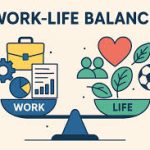
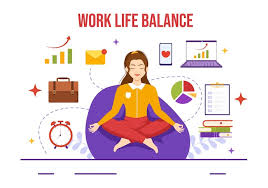
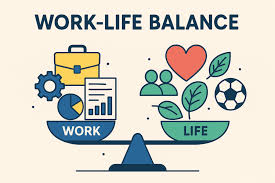
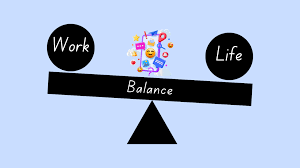
It’s like feeling you have to be ‘on’ all the time. This is paid community anxiety. It can really mess with your precious work-life balance.
Let’s talk about how to handle this. We’ll explore why it happens. We’ll find ways to feel better.
You’ll learn how to enjoy these groups without losing yourself.
Managing paid community anxiety involves setting clear boundaries. It means recognizing that your value isn’t tied to constant engagement. Focus on quality over quantity.
Prioritize your well-being. This helps you gain from the community without it taking over your life.
Understanding Paid Community Anxiety
So, what exactly is this paid community anxiety? Think about it. You’ve invested money.
You want to get your money’s worth. This feeling is totally normal. You want to be part of the action.
You want to learn everything. You want to connect with everyone.
The pressure builds. You might feel like you’re missing out. This is called FOMO, or Fear Of Missing Out.
You see others sharing wins. You see lively discussions. You might think, “I need to be there too.” This can lead to checking your phone often.
You might stay up late. You might feel guilty if you don’t participate.
This anxiety isn’t just about social media groups. It applies to any paid online space. This could be a mastermind group.
It could be a private course forum. It might even be a premium membership site. The core feeling is the same: a drive to get maximum value.
This drive can become overwhelming.
This is where work-life balance gets tricky. Your brain might see the community as an extension of work. It feels like another task.
Or, it feels like a social obligation you can’t skip. Either way, it eats into your personal time. It can steal moments meant for rest.
It can take away from family time. It can even reduce your focus on actual work tasks.
The key is recognizing these feelings. They are signals. They tell you something needs adjusting.
It doesn’t mean the community is bad. It just means your approach needs a tweak. We’ll explore why this happens next.
The ‘Why’ Behind the Pressure
Why does this anxiety creep in? Several things play a role. First, there’s the investment.
You paid for access. This makes you feel a stronger pull to engage. It’s like paying for a gym membership.
You feel you should go often to justify the cost.
Then, there’s the nature of online communities. They are often designed to be engaging. They use notifications.
They show activity feeds. They highlight popular posts. This constant stimulation can create a sense of urgency.
You feel you need to keep up. You don’t want to be left behind in conversations.
Social proof is another factor. You see others succeeding. You see their achievements shared.
This can feel inspiring. But it can also make you feel inadequate. You might compare your progress.
This comparison fuels anxiety. You wonder if you are doing enough.
The desire for belonging is strong. Humans are social creatures. Online communities offer a sense of belonging.
This is a good thing. But it can also make us feel we need to be present to maintain that belonging. We fear becoming invisible if we step back.
Finally, many communities offer a wealth of information. You might feel you have to consume it all. There’s so much to learn!
This can lead to feeling overwhelmed. You might feel a pressure to be an expert quickly. You want to absorb every lesson, every tip.
All these factors combine. They create a perfect storm. This storm can lead to paid community anxiety.
It can disrupt your peace. It can blur the lines between your different life roles. Understanding these roots helps us find solutions.
Community Engagement Triggers
Feeling obligated: You believe you must participate often.
FOMO: Fear of missing important discussions or opportunities.
Comparison trap: Seeing others’ success and feeling behind.
Information overload: Too much content to consume feels overwhelming.
Constant notifications: Digital alerts pull you back in.
Desire for validation: Seeking likes or positive comments.
My Own Stumble in the Digital Garden
I remember joining a premium coaching group. It was for entrepreneurs. The price tag was significant.
I was excited about the expert advice. I wanted to connect with peers. For the first few weeks, it was amazing.
I felt so energized.
Then, reality set in. My day job demanded a lot. My own projects needed attention.
I started checking the community Slack channel first thing. I’d scroll through during lunch. I’d sneak a peek before bed.
It felt like a constant hum in the background.
One evening, I was supposed to be relaxing. My kids were playing. My partner was reading.
But I was in the Slack channel. Someone had posted a big win. Others were cheering.
I felt this pang of guilt. Why wasn’t I celebrating with them? Why wasn’t I sharing my own tiny win?
I stayed online way too long. I ended up feeling tired and grumpy. The next day, I was less productive.
I realized I was trading real moments for virtual ones. I was so focused on “being present” in the group that I wasn’t present in my own life. The money I invested felt like it was buying me stress, not solutions.
It hit me then. This wasn’t sustainable. I needed a different way to approach this.
I needed to find a balance. It took some conscious effort. But it was worth it.
It allowed me to enjoy the community’s benefits without the heavy cost to my well-being.
Finding Your Balance: Practical Steps
Okay, so how do we actually find that sweet spot? It’s about making conscious choices. It’s about setting up smart systems.
Here are some practical steps you can take.
1. Set Clear Goals for Joining
Why did you join this community? Write it down. Is it to learn a specific skill?
Is it to network? Is it for support? Knowing your primary goal helps you focus.
You can then prioritize activities that serve that goal. Don’t try to do everything. Focus on what matters most to you.
2. Time Blocking for Community Engagement
Just like you block time for work or family, block time for the community. Maybe it’s 30 minutes on Tuesday and Thursday. Maybe it’s one hour on Saturday morning.
Stick to this schedule. When your time is up, log off. This prevents it from bleeding into other areas of your life.
This method helps you be more present when you are in the community. You know you have a limited window. So you make the most of it.
You won’t feel the need to check it constantly throughout the day.
3. Be Selective with Notifications
Turn off most notifications. Seriously. You don’t need to know about every new post.
Only enable alerts for things that are truly time-sensitive or crucial to your goals. Most platforms let you customize this. Find the settings and dial them back.
This small step can make a huge difference. It breaks the constant pull. It allows you to engage on your terms.
You decide when to check in. The digital world doesn’t decide for you.
4. Focus on Quality, Not Quantity
You don’t need to comment on every post. You don’t need to read every single message. Aim for meaningful contributions.
Ask a good question. Offer a helpful insight. Engage in a way that truly adds value.
This is much more rewarding. It also takes less time.
Sometimes, just reading a few key threads is enough. Other times, a thoughtful comment is all that’s needed. Don’t feel pressured to fill the space.
Your presence counts, even if it’s not constant.
Smart Engagement Habits
Goal-Setting: Clearly define why you joined.
Time Limits: Allocate specific times for community interaction.
Notification Control: Disable most alerts to reduce interruptions.
Meaningful Input: Focus on quality contributions, not just posting.
Strategic Reading: Prioritize valuable discussions and content.
5. Embrace the “Listen Mode”
It’s okay to just listen sometimes. Not every interaction needs to be a broadcast. You can be a participant by learning.
Read what others are saying. Observe the dynamics. Soak in the information being shared.
This is still valuable engagement. It doesn’t require constant output from you.
Think of it as attending a lecture. You don’t have to speak to learn. You can take notes and absorb the material.
This passive engagement is a powerful tool. It reduces the pressure to perform.
6. Understand Your Triggers
Pay attention to what makes your anxiety worse. Is it seeing certain people’s posts? Is it a specific channel that’s always buzzing?
Once you know your triggers, you can manage them. You might choose to mute certain conversations. You might avoid specific times of day.
Self-awareness is key here. Notice when you start to feel that familiar knot of anxiety. What just happened?
Was there a notification? Did you see a certain type of post? Your reaction is a clue.
Personalized Strategy Builder
My Main Goal:
My Time Blocks:
Notifications to Keep:
Engagement Style: (e.g., Ask questions, Share insights, Listen)
Triggers to Watch:
Real-World Scenarios and Community Impact
Let’s look at how this plays out in different situations. Imagine you’re a freelance graphic designer. You join a paid community for designers.
You want to get better clients. You want to learn new software tips.
On a Tuesday, you get an email notification. A fellow designer shared a client pitch template. It looks amazing.
You feel you must download it. You click the link. You spend 20 minutes reading it.
Then you see a discussion about pricing strategies. This takes another 30 minutes. Your planned 15-minute check-in turned into an hour.
Your design work for a client gets pushed back. This creates stress.
Or, consider a small business owner in a mastermind group. They have a big product launch coming up. The group is full of advice.
“Do this promotion!” “Try this ad strategy!” “You need to be on TikTok!” The owner feels pulled in many directions. They start second-guessing their own well-laid launch plan. The group’s energy becomes a distraction, not a support.
These are common scenarios. The community offers great value. But without boundaries, it can become a drain.
It pulls you away from your core tasks. It can introduce decision fatigue. You start second-guessing your own best judgment.
The design of these platforms often encourages this. Infinite scroll feeds. Gamified elements like points or badges.
Leaderboards. These are designed to keep you engaged. They are effective.
But they can work against your well-being. It’s important to remember that the community’s goal is engagement. Your goal is likely broader: growth, learning, connection, and balance.
Your actual work, your clients, your personal life – these are the foundations. The community should enhance these. It shouldn’t compete with them.
Recognizing this helps you reframe your relationship with the group.
What This Means for Your Work-Life Balance
So, what’s the big picture here? What does managing this anxiety mean for your life? It means reclaiming your time and your energy.
It means ensuring that your investments, in time and money, truly benefit you.
When you manage paid community anxiety well, a few things happen:
- Reduced Stress: You stop feeling guilty about not being online constantly.
- Improved Focus: You can concentrate better on your actual work tasks.
- Better Energy Levels: You avoid late nights or constant distractions that drain you.
- Stronger Relationships: You are more present with family and friends.
- Deeper Value: You get more out of the community by engaging intentionally.
- Sense of Control: You are in charge of your online interactions.
It’s about shifting from a reactive mode to a proactive one. Instead of being pulled in by notifications, you decide when and how to engage. This proactive approach empowers you.
It ensures the community serves your life, not the other way around.
Think about it this way: Would you let a friendly neighbor constantly interrupt your dinner? Probably not. You’d politely say you’ll chat later.
Treat your paid community the same way. It’s a valuable resource. But it deserves polite boundaries.
The Ripple Effect of Balance
Calmer Mornings: No frantic checking of feeds.
Focused Workdays: Deeper concentration on tasks.
Present Evenings: More quality time with loved ones.
Renewed Energy: Less mental fatigue from constant input.
Purposeful Learning: Engaging when it truly adds value.
Quick Tips for Reclaiming Your Peace
Here are some super-simple actions you can take right now:
- Schedule “Community Check-in” Times: Just like a meeting.
- Turn Off All Non-Essential Notifications: Every single one.
- Set a Timer: When it buzzes, you’re done for that session.
- Prioritize: Ask yourself, “Is this the most important thing I could be doing right now?”
- One-in, One-out: If you join a new community, consider if you still need an old one.
- Take Breaks: Step away from your screen completely. Go for a walk.
- Journal Your Feelings: If anxiety spikes, jot down why.
These aren’t huge changes. But they add up. They help you regain control.
They help you enjoy the community without the burnout.
Frequently Asked Questions
Is it normal to feel anxious about a paid community?
Yes, it’s very normal. You’ve invested time and money. You want to get the most out of it.
This can create pressure to engage heavily. Many people feel this way. Recognizing it is the first step to managing it.
How can I stop comparing myself to others in the group?
Focus on your own journey. Remember that people often share highlights. They don’t usually share struggles.
Remind yourself of your own goals. Celebrate your small wins. Consider muting or unfollowing people who trigger comparison.
What if I miss an important discussion?
Most paid communities archive conversations. You can often search for topics later. If it was truly vital, someone might bring it up again.
Prioritize your well-being over constant monitoring. Missing one discussion is rarely catastrophic.
How much time should I spend in a paid community?
There’s no set rule. It depends on your goals and other commitments. Aim for intentional engagement, not just time spent.
Start with a small, manageable amount of time. See how it feels. Adjust as needed.
Quality over quantity is key.
Can too much community interaction hurt my actual work?
Yes, it absolutely can. If community time is taking away from client work, project deadlines, or focused deep work, it’s hurting your productivity. It can lead to burnout and missed opportunities in your primary responsibilities.
What if the community itself is designed to be addictive?
Many platforms use engagement tactics. If you feel it’s too hard to disengage, you might need stricter personal rules. Use external timers.
Consider browser extensions that limit website access. Sometimes, taking a full break for a few days can reset your habits.
Wrapping Up: Your Community, Your Terms
Paid communities can be incredible tools. They offer learning, support, and connection. But they can also become sources of stress.
This paid community anxiety is real. It impacts your work-life balance. By understanding its roots and implementing simple strategies, you can manage it.
Remember to set clear goals. Block out specific times for engagement. Control notifications.
Focus on meaningful contributions. And most importantly, be kind to yourself. Your value isn’t measured by your online activity.
You can enjoy these valuable spaces without sacrificing your peace and balance. Engage intentionally. Thrive authentically.