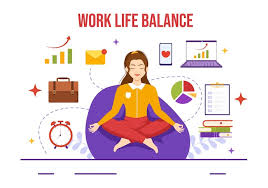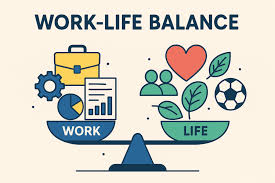
Work-life balance is about managing your time and energy between professional and personal demands. Anxiety often stems from feeling overwhelmed. Free templates and worksheets can offer structure.
They help you track tasks, set boundaries, and reduce stress, leading to a calmer, more focused approach to life.
Understanding Work-Life Balance and Anxiety
Work-life balance means feeling good about your time. It’s about work fitting into your life. It’s not the other way around.
When this balance is off, stress can grow. This stress can turn into anxiety. You might feel tired often.
Your focus might slip. Small tasks can seem huge.
Anxiety about work is common. It can happen when deadlines loom. It can happen when you feel you’re not doing enough.
Or when you feel like you’re always on call. This constant feeling can wear you down. It affects your mood.
It affects your health. Finding ways to manage this is key.
This is where practical tools come in handy. Think of them as helpful friends. They guide you through the busy parts.
They help you see what matters most. We’ll look at free resources. These are designed to bring calm.
They are made to help you feel more in charge. They are for creating a life that feels right for you.
My Own Tangle with Work and Worry
I remember one particular Tuesday. The emails wouldn’t stop. My to-do list grew like a weed.
My mind raced with things I forgot. I was trying to plan a family dinner. But my boss needed a report.
My child needed help with homework. It felt like I was failing everywhere. My chest felt tight.
I couldn’t catch my breath.
I sat at my desk. The screen glowed. I felt a wave of panic.
Why was this so hard? Other people seemed to manage. What was I missing?
That night, I couldn’t sleep. My thoughts spun around. I worried about work.
I worried about not being a good parent. It was a heavy, draining feeling. I felt so very alone in it.
Then, I stumbled upon a simple planner page. It wasn’t fancy. But it made me stop.
I started writing down my tasks. I looked at what was urgent. I looked at what could wait.
It was a small step. But it felt like a breath of fresh air. It showed me I could create some order.
I realized I didn’t have to hold it all in my head.
Signs Your Work-Life Balance Needs Attention
Feeling Drained: Always tired, even after rest.
Neglecting Self-Care: Skipping meals, exercise, or hobbies.
Irritability: Snapping at loved ones easily.
Sleep Problems: Trouble falling asleep or staying asleep.
Lost Interest: Not enjoying things you used to love.
Constant Worry: Thinking about work even during downtime.
Why Free Templates and Worksheets Help
Think about building something. You wouldn’t start without a plan, right? Templates and worksheets are like those plans.
They give you a structure. They help you organize your thoughts. They make big problems feel smaller.
They are free tools. They can guide you toward better habits.
These tools help you see things clearly. You can write down your goals. You can list your tasks.
You can track your time. This is more than just making lists. It’s about understanding where your energy goes.
It’s about making conscious choices. It helps you say “no” to things that don’t serve you.
Using them can reduce that feeling of being swamped. When you have a clear plan, anxiety often lessens. You feel more in control.
This is because you are taking action. You are not just worrying. You are doing something about it.
Let’s look at some popular types.
Popular Types of Free Worksheets
- Daily/Weekly Planners: For organizing tasks and appointments.
- Goal Setting Sheets: To define and track your aspirations.
- Time Tracker Logs: To see how you actually spend your day.
- Budget Planners: To manage your finances better.
- Habit Trackers: To build positive routines.
- Mindfulness Journals: For reflecting and calming your mind.
Finding Your Free Resources
The internet is full of helpful things. Many websites offer free printables. These are often made by life coaches or productivity experts.
They want to help people like you. You don’t need to buy fancy software. Simple paper and a printer can work wonders.
Look for sites that offer a variety of tools. Some focus on work organization. Others focus on mental well-being.
You can find templates for everything. This includes managing projects. This includes planning your meals.
This includes setting personal boundaries.
Where to start looking? Try searching for terms like: “free work-life balance printables.” Or “anxiety management worksheets pdf.” You’ll find many options. Many are from trusted sources.
They are designed to be easy to use. They are designed to be effective.
Where to Search for Free Templates
- Productivity Blogs: Many share freebies.
- Well-being Websites: Focus on mental health resources.
- Pinterest: A visual search engine for printables.
- University Counseling Centers: Sometimes offer public resources.
- Non-profit Mental Health Organizations: Offer free tools.
Using Planners to Tame the Chaos
A simple daily or weekly planner can be a game-changer. It helps you see your day ahead. You can write down meetings.
You can list important tasks. You can even schedule breaks. This simple act of writing things down helps your brain.
It frees up mental space.
When you look at your planner, you can prioritize. What absolutely must get done today? What can wait until tomorrow?
This helps you focus your energy. It stops you from feeling pulled in too many directions. It helps you avoid that panicked feeling.
Many planners also have space for notes. You can jot down ideas. You can write down things you’re grateful for.
This adds a touch of positivity. It reminds you of the good things. Even on a busy day.
This helps shift your focus away from what’s wrong. It helps you see what’s going right.
Quick Tips for Planner Use
Use it daily: Make it a habit.
Be realistic: Don’t overschedule yourself.
Include personal time: Schedule breaks and fun.
Review regularly: See what worked and what didn’t.
Keep it simple: Don’t get lost in complicated systems.
Goal Setting for a Clearer Path
Sometimes, anxiety comes from not knowing where you’re going. When you have goals, you have a direction. Goal-setting worksheets help you define these dreams.
They break them into smaller steps. This makes them feel achievable.
You can set work goals. You can set personal goals. Maybe you want to learn a new skill.
Maybe you want to spend more time with family. A goal worksheet helps you write this down. It asks you why it’s important.
It asks you what steps you’ll take. It asks how you’ll know you’ve succeeded.
This process is very grounding. It pulls you out of vague worries. It makes your aspirations concrete.
Seeing your goals written down gives you something to work towards. It gives your day purpose. This can reduce feelings of aimlessness.
It can boost your motivation. It helps you build a life you actually want.
Time Tracking: Seeing Where Your Hours Go
This might sound a bit intense. But tracking your time can be very eye-opening. We often think we know how we spend our day.
But the reality can be different. A time tracking log helps you see this. You mark down what you do.
You mark how long it takes. You do this for a few days.
You might notice you spend a lot of time on emails. Or maybe social media takes more time than you thought. Or perhaps certain tasks take much longer.
Seeing this data helps you make changes. You can identify time sinks. You can find ways to be more efficient.
Knowing where your time goes is crucial for balance. It helps you carve out space for what matters. It helps you see if you are overcommitting.
This tool is about awareness. It’s not about judgment. It’s about gaining knowledge.
This knowledge empowers you to make better choices. It helps you reclaim your time.
Time Tracking Insights
What it shows: Actual time spent on tasks vs. perceived time.
Common surprises: Unplanned interruptions, task switching.
Benefits: Identifies inefficiencies, helps schedule realistically.
How to do it: Use a notebook, a spreadsheet, or a simple app.
Mindfulness Journals for Inner Peace
Anxiety often lives in our minds. It’s full of “what ifs.” Mindfulness journals help you anchor yourself. They encourage you to focus on the present.
They help you notice your thoughts and feelings. But without getting carried away by them.
You can use prompts to guide you. “What am I grateful for today?” “What is one thing I can control right now?” “How am I feeling in my body?” Writing down your feelings can be very therapeutic. It’s like talking to a trusted friend.
It helps you process emotions.
These journals are not about fixing problems. They are about observing them. They help you build a different relationship with your thoughts.
You learn to notice anxious thoughts. You learn that they are just thoughts. They don’t have to control you.
This practice builds resilience. It brings a sense of calm over time.
Budgeting: Financial Peace of Mind
Money worries are a huge source of anxiety for many. Feeling financially unstable makes work-life balance feel impossible. You might feel trapped in a job you dislike.
You might work extra hours just to make ends meet. Free budgeting templates can offer a way out.
These worksheets help you see where your money goes. You track income and expenses. You can identify areas where you can save.
You can plan for future expenses. This gives you a sense of control over your finances. It reduces the unknown.
When you feel more secure financially, other things get easier. You can make better decisions about your career. You can say “no” to extra work if you don’t need the money.
You can plan for vacations. This freedom from financial stress is a big part of achieving balance. It reduces a major anxiety trigger.
Budgeting Basics
Income: All money coming in.
Expenses: All money going out.
Fixed Costs: Rent, mortgage, loan payments (same each month).
Variable Costs: Groceries, entertainment, gas (change each month).
Savings: Money set aside for future goals.
Habit Trackers for Building Better Routines
Good habits create stability. Bad habits can fuel anxiety. Habit trackers help you build positive routines.
They also help you break negative ones. You can track anything. This includes drinking enough water.
This includes exercising. This includes meditating.
Seeing your progress visually is motivating. You fill in a box each day you complete a habit. It’s a simple visual reward.
It reinforces the behavior. This helps create consistency. Consistency is key to reducing anxiety.
It creates predictability.
When you have strong, healthy habits, you have a foundation. This foundation supports you when work gets tough. You are less likely to drop your self-care.
You are less likely to spiral into worry. These trackers help build that strong base. They make healthy choices automatic over time.
Setting Boundaries: Protecting Your Time and Energy
This is perhaps the most crucial element for work-life balance. Boundaries are like fences. They protect your personal space.
They prevent others from overstepping. Work-life boundaries are essential. They stop work from taking over your entire life.
Many people struggle with this.
Worksheets can help you define your boundaries. They might ask: “When does your workday officially end?” “What are your rules for checking emails after hours?” “How will you say ‘no’ to extra tasks?” Thinking these through is important. Writing them down makes them real.
Setting boundaries isn’t being mean. It’s being smart. It’s respecting your own needs.
It’s essential for preventing burnout. And burnout is a major cause of anxiety. When you have clear boundaries, you protect your energy.
You ensure you have time for rest and recovery. This allows you to be more effective when you are working.
Boundary Setting Tips
Be Clear: State your limits simply.
Be Consistent: Enforce them regularly.
Don’t Apologize: You have a right to your boundaries.
Communicate: Let people know your limits beforehand.
Protect Your Downtime: This is non-negotiable.
When It’s Just Normal Stress vs. Real Anxiety
It’s normal to feel stress sometimes. Deadlines happen. Tough projects come up.
The key difference is how long it lasts. And how much it impacts your life. Occasional stress is usually manageable.
It passes when the situation improves.
Anxiety is different. It can be a constant hum. Or it can come in sudden waves.
It can affect your sleep, appetite, and mood. It can make it hard to concentrate. If you find yourself worrying a lot.
Or feeling on edge often. It might be more than just stress.
Free worksheets can help manage everyday stress. They provide structure and coping tools. They are a great first step.
However, if your anxiety is severe. Or if it’s affecting your daily life. It’s important to seek professional help.
Talk to a doctor or a therapist. They can offer more specific guidance. Your well-being is the priority.
What This Means For You
Normal Stress: Temporary, related to specific events, manageable.
Concerning Anxiety: Persistent, intense, affects daily function, needs attention.
Simple Check: Can you still enjoy hobbies? Do you sleep okay?
When to Worry: If your mood is consistently low, or you feel hopeless.
Quick Tips for Getting Started
You don’t need to use every tool at once. Start small. Pick one worksheet that speaks to you.
Maybe it’s a daily planner. Or a simple goal-setting sheet. Print it out.
Or save it as a digital file.
Try to use it for a week. See how it feels. Does it help you feel more organized?
Does it reduce some of your worry? If it does, great! If not, try another one.
There’s no one-size-fits-all approach. It’s about finding what works for you.
The goal is not perfection. The goal is progress. It’s about taking small steps.
These steps lead to a calmer, more balanced life. Be patient with yourself. This is a journey.
And these free tools are excellent companions on that path.
Frequently Asked Questions
Are free templates really effective for managing anxiety?
Yes, free templates can be very effective. They provide structure and organization. This helps reduce the feeling of being overwhelmed.
Tools like planners and journals can help you track thoughts and manage tasks. This awareness can significantly lower anxiety levels. They are practical aids for self-management.
Where can I find the best free work-life balance worksheets?
You can find great free worksheets on many websites. Look for productivity blogs, mental health resources sites, and well-being platforms. Pinterest is also a fantastic visual search engine for printables.
Many experts offer these tools freely to help people improve their lives.
How often should I use these templates and worksheets?
This depends on the tool. Daily planners are best used every day. Weekly planners can be updated once a week.
Mindfulness journals can be used daily or as needed. Habit trackers are for ongoing use. The key is consistency.
Find a rhythm that fits your lifestyle.
What if I’m not good at journaling or planning?
That’s perfectly okay! Start with very simple formats. A basic to-do list or a gratitude journal with just a few lines might be easier.
Don’t aim for perfection. The goal is to get your thoughts down. Even a few minutes of focused writing can make a difference.
You can build up from there.
Can these tools help with serious anxiety disorders?
Free templates and worksheets are excellent tools for managing everyday stress and mild anxiety. They offer practical support and self-awareness. However, for serious anxiety disorders, they should be used alongside professional help.
They are supportive tools, not replacements for medical advice or therapy.
Is it better to print worksheets or use digital versions?
Both have benefits. Printing can feel more tangible and less distracting. It’s easier to jot notes quickly on paper.
Digital versions are convenient and eco-friendly. They are accessible anywhere. Try both and see what feels most comfortable and effective for you.
There’s no right or wrong answer.
Conclusion: Building Your Balanced Life, One Tool at a Time
Creating a better work-life balance is a journey. It takes time and effort. But it is absolutely achievable.
Free templates and worksheets are powerful allies. They offer structure. They provide clarity.
They help reduce anxiety. Start exploring these tools today. You deserve a life that feels balanced and calm.