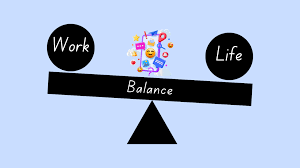
Feeling overwhelmed is tough. Life gets busy. Work can take over.
Then your personal time shrinks. It’s easy to feel anxious. You might wonder if you’re alone.
Many people struggle with this. They search for answers. They want to feel better.
They look for places to talk. They need to find others who get it. This guide helps you find those places.
You will learn where to find support. You will discover communities that care. Let’s explore the best options together.
The best communities for anxiety and work-life balance offer a safe space to share struggles. They provide peer support, expert advice, and shared experiences. These forums help people manage stress, improve time management, and find a healthier rhythm.
Understanding the Need for Support Communities
Work-life balance is a tricky thing. It means having enough time. You need time for your job.
You also need time for yourself. This includes hobbies, family, and rest. When this balance is off, stress grows.
Anxiety can follow closely. It’s like a snowball rolling downhill. One problem leads to another.
Then you feel stuck. It’s hard to think clearly. It’s harder to solve problems alone.
This is where online communities shine. Think of them as digital town squares. People gather there to talk.
They share their stories. They offer advice. They listen without judgment.
This is incredibly powerful. Knowing others face similar issues helps a lot. It makes your own problems feel less strange.
It gives you hope. It shows you solutions exist.
Many people feel embarrassed by anxiety. They think they should just power through. This is not healthy.
It’s like having a broken bone and not seeing a doctor. Eventually, it gets worse. Seeking community is a sign of strength.
It’s a smart step towards feeling better. It’s about connecting with others. It’s about finding shared understanding.
These groups are vital for mental well-being. They offer a sense of belonging. This is a basic human need.
When you feel like you belong, you feel safer. You feel more confident. You are more likely to try new things.
You are more likely to ask for help. This helps combat feelings of isolation. Isolation often feeds anxiety.
The best communities are often focused. Some talk about general anxiety. Others focus on work stress.
Still others discuss specific solutions. They might talk about time management tips. They might share mindfulness exercises.
They might even discuss workplace policies. The key is finding a fit. A group that talks about your specific worries is best.
My Own Journey: Feeling Lost in the Hustle
I remember a time when work consumed me. It was years ago. I was building my career.
Every hour felt important. I worked late nights. I often skipped lunch.
Weekends became just more work days. My personal life faded. Friends called less.
My hobbies gathered dust. I started feeling this constant hum of worry.
It was a gnawing feeling. Was I doing enough? Was I falling behind?
This anxiety grew. It made it hard to sleep. My thoughts raced at night.
I’d wake up feeling tired. Yet, I’d drag myself to work. I felt alone in it.
Everyone else seemed to be managing. They had families. They went on vacations.
I felt like a failure.
One evening, I was staring at my computer screen. The clock showed 11 PM. My eyes burned.
I felt a wave of sadness. I just wanted it to stop. I thought, “There must be others like me.” I started searching online.
I typed in things like “work stress help” and “feeling overwhelmed.” That’s when I stumbled upon a forum. It was for people dealing with burnout. I clicked on it, feeling a mix of hope and fear.
I lurked for a while. I read posts from people describing my exact feelings. It was like looking in a mirror.
I saw my own struggles reflected. This was the first step.
Soon after, I made my first post. I typed it out, then deleted it. I typed it again.
Finally, I hit send. My hands were shaking a little. The response came faster than I expected.
People were kind. They shared their own stories. They offered practical tips.
They understood. It was a huge relief. That day, I learned the power of connection.
I learned I wasn’t alone. This community became my lifeline.
Finding Your Tribe: Online Communities That Help
There are many kinds of online spaces. Each offers something different. Some are huge general forums.
Others are smaller, private groups. The best ones share common traits. They are welcoming.
They are respectful. They offer real support.
Let’s look at some categories of communities. This can help you pick what’s right for you.
Types of Online Support for Anxiety and Work-Life Balance
General Mental Health Forums
Broad discussions on anxiety, depression, and stress. Good for general support.
Work-Life Balance Specific Groups
Focus on managing job demands and personal life. Offers practical tips.
Anxiety Support Networks
Dedicated spaces for people with anxiety disorders. Deep understanding and shared coping.
Professional Networking with a Twist
Some career groups also have strong support for well-being.
Reddit Subreddits
Vast communities on almost any topic, including specific mental health and career challenges.
Facebook Groups
Often private and can be very niche, offering close-knit communities.
When you’re looking for a community, consider its focus. Is it too broad? Is it too narrow?
A good middle ground often works best. You want to find people who understand your core problem. You also want them to be able to offer useful ideas.
Think about the platform too. Reddit is great for anonymity. Facebook groups can feel more personal.
Some dedicated forums offer structured resources. They might have articles or expert Q&As. Each has its pros and cons.
What matters most is how it makes you feel. Does it feel safe? Does it feel supportive?
Does it help you think clearer?
Navigating Reddit: A Treasure Trove of Support
Reddit is a massive platform. It has communities called subreddits. Many are dedicated to mental health and life balance.
These are often very active. They are also largely anonymous. This can make people feel more comfortable sharing.
Here are a few subreddits that are good starting points:
Popular Subreddits for Support
r/Anxiety
A very large community for discussing all things anxiety. Lots of shared experiences.
r/WorkLifeBalance
Directly addresses the struggle to juggle work and personal life. Focuses on tips and strategies.
r/DecidingToBeBetter
Covers self-improvement, which often includes managing stress and achieving balance.
r/mentalhealth
A broad subreddit for discussing mental health issues and seeking support.
r/BPD
For those dealing with Borderline Personality Disorder, which often co-occurs with anxiety and life balance issues.
r/Stoicism
While a philosophy, many discuss how Stoic principles help manage anxiety and life’s challenges.
When you join a subreddit, take time to read the rules. Most have clear guidelines about being respectful. They also state what kind of content is allowed.
Some do not allow medical advice. This is important to know.
Search within these subreddits. Use terms like “work stress,” “anxiety attack,” or “time management.” You will find existing threads. You can read past discussions.
This can give you answers quickly. If you can’t find what you need, make a post. Be clear and concise in your question.
Share enough detail to get helpful responses. Remember, anonymity is your friend here.
What you’ll notice is the sheer volume of shared experience. People post about the same worries. They share the same small victories.
This shared humanity is incredibly healing. It validates your feelings. It shows you are not isolated in your struggle.
Facebook Groups: For Closer Connections
Facebook groups offer a different feel. They can be more personal. You might know people in them.
Or you might connect with strangers who feel like friends. Many groups are private. This means only members can see posts.
This can make them feel safer.
Finding these groups is easy. Use Facebook’s search bar. Type in phrases like “anxiety support,” “work-life balance tips,” or “stress management group.” You will see many options appear.
Look for groups with active members. Check the group description. Does it sound like a good fit?
Some groups are very niche. You might find one specifically for working parents. Or one for people in a certain industry.
These can be especially valuable. They understand your specific context. The shared challenges are more precise.
Here are some general types of Facebook groups to look for:
Finding Support on Facebook
Work-Life Balance Advocates
Groups focused on setting boundaries and achieving harmony between job and personal life.
Anxiety Support for Adults
A safe space for adults to discuss their anxiety and find coping strategies.
Burnout Recovery Groups
For those who have experienced or are experiencing job burnout and need support to recover.
Mindfulness and Well-being Circles
Groups focused on practices that reduce stress and improve mental clarity.
Once you join a group, introduce yourself. Many groups have a specific thread for new members. Share a little about why you joined.
You don’t need to reveal everything at once. See how others respond. Pay attention to the group’s vibe.
Is it positive? Is it constructive?
These groups often have daily check-ins. They might have themed posts. Some host live discussions or Q&As with experts.
They can be a great source of community and practical help. The visual nature of Facebook can also be engaging. You might see shared articles, inspiring quotes, or personal stories with photos.
Dedicated Forums and Websites: Structured Support
Beyond social media, there are websites and forums built specifically for support. These often have a more organized structure. They might feature articles, resources, and expert contributions.
Some well-known organizations have these platforms. For example, the Anxiety & Depression Association of America (ADAA) offers resources. They have support groups and forums.
These are often moderated by professionals or trained volunteers. This adds a layer of credibility and safety.
Other sites focus more on the “life” part of work-life balance. They might offer advice on time management, productivity, and setting boundaries. These can be incredibly practical.
Consider these types of dedicated spaces:
Structured Support Platforms
Organizational Websites
e.g., ADAA, NAMI. Often have forums, support group listings, and expert advice.
Dedicated Support Platforms
Websites solely focused on mental health or work-life balance, offering articles and community features.
Professional Coaching Communities
Some coaches or platforms offer private communities for their clients, often with high levels of support.
The advantage of these sites is often their focus. They are built with a specific purpose. You are less likely to see off-topic content.
The moderation is often very good. This ensures a positive and safe environment. They might also have resource libraries.
You can find articles on managing anxiety. You can read tips for better time management. These can be used alongside community support.
When choosing these platforms, look for clarity. Is their mission clear? Are their resources accessible?
Do they offer a way to connect with others? A good community needs interaction. It’s not just about reading information.
It’s about sharing and receiving. Make sure the platform supports this interaction.
What Makes a Community “Good”? Signs to Look For
Not all online communities are created equal. Some can be negative. Others can be unhelpful.
How do you spot a good one? What are the signs of a healthy, supportive space?
Here’s what to look for:
Signs of a Healthy Online Community
- Welcoming Atmosphere: New members are greeted kindly. People are encouraged to share.
- Respectful Interaction: Disagreements happen, but they are handled calmly. No personal attacks.
- Active Moderation: Admins or moderators step in when needed. They enforce rules. They remove spam or negativity.
- Shared Experience: Members relate to each other’s struggles. They validate feelings.
- Constructive Advice: Suggestions are helpful and empathetic. They are not commands.
- Focus on Well-being: The core purpose is support and improvement. It’s not about complaining endlessly.
- Clear Guidelines: Rules are easy to find and understand.
- Variety of Content: Posts include shared stories, questions, tips, and encouragement.
Conversely, watch out for red flags. These include:
Red Flags in Online Communities
- Constant Negativity: Too much complaining without seeking solutions.
- Judgmental Comments: Members are criticized for their experiences or questions.
- Lack of Moderation: Spam, trolls, or hurtful posts are allowed to remain.
- Unsolicited Medical Advice: People offering diagnoses or treatments without qualification. (Always consult a professional!)
- Shaming or Blaming: Members are made to feel guilty for their struggles.
- Echo Chambers of Misinformation: Unchecked or false information is spread widely.
It might take a little time to find the right community. Don’t get discouraged if the first one isn’t perfect. Keep exploring.
Your mental peace is worth the effort.
Making the Most of Your Community Experience
Joining a community is just the first step. To truly benefit, you need to engage. How can you get the most out of your online support?
Be an Active Participant: Don’t just lurk forever. Read posts. If something resonates, respond.
Share your own thoughts. Even a simple “I feel that way too” can be powerful for someone else.
Share Your Story (When Ready): When you feel comfortable, share your struggles. Be honest. This helps others connect with you.
It also opens the door for them to offer support and advice.
Offer Support to Others: Empathy is a two-way street. If you see someone going through something you understand, offer a kind word. Share a coping strategy that worked for you.
Helping others can also boost your own well-being.
Ask Specific Questions: Instead of “I’m anxious,” try “I’m feeling anxious about a presentation tomorrow. Does anyone have tips for managing public speaking nerves?” Specifics yield specific answers.
Set Boundaries for Yourself: It’s easy to spend too much time online. If you notice it’s impacting your real life, take a break. Limit your daily time in the forums.
Turn off notifications. Your real-world needs come first.
Remember It’s Not a Replacement for Professional Help: Online communities are fantastic for peer support. They are great for sharing experiences. However, they cannot replace advice from doctors, therapists, or counselors.
If you have serious anxiety or mental health concerns, please seek professional help. Organizations like the ADAA can help you find a qualified professional.
Use the Search Function: Before posting a question, search the community archives. Your question may have been asked and answered many times before. This saves everyone time and can give you immediate answers.
Be Patient: Finding the right community takes time. Building relationships within a community also takes time. Be patient with the process.
Be patient with yourself and with others.
Real-World Impact: How Community Helps
The support found in these communities translates directly into real-world improvements. When you feel understood, your stress levels often decrease. This makes it easier to think.
It makes it easier to act.
For example, someone struggling with work-life balance might post in a forum. They might describe feeling constantly exhausted. Other members might share their strategies for setting work hours.
They might suggest specific ways to say “no” to extra tasks. They might share how they planned fun weekend activities. The original poster might try one of these ideas.
They might find that setting a firm end time for work makes a difference. They might discover that planning a small outing makes them feel more human.
Similarly, someone with anxiety might feel paralyzed by fear. In a support group, they might read about others’ experiences with panic attacks. They might learn about breathing exercises or grounding techniques.
They might decide to try a simple deep breathing exercise the next time they feel anxious. This small step can be a huge victory. It shows them they can manage their anxiety.
These communities also foster a sense of empowerment. When you see others overcoming challenges, it inspires you. You start to believe you can too.
You realize you have agency. You can make changes. You can improve your situation.
The shared knowledge is also invaluable. You learn about different coping mechanisms. You discover resources you might not have found otherwise.
You hear about books, apps, or exercises that helped others. This collective wisdom is a powerful tool. It helps you build your own toolkit for managing life.
It’s about building resilience. It’s about having a support system. When life throws you a curveball, you don’t have to face it alone.
You have people who understand. You have resources. You have hope.
This is the true gift of community.
When to Seek Professional Help
While online communities are amazing, they are not a substitute for professional care. There are times when you need more specialized help. It’s crucial to recognize these signs.
You should consider seeking professional help if:
Signs You Need Professional Support
- Your anxiety is severe or constant. It interferes with daily life, work, or relationships.
- You experience panic attacks frequently. These are very distressing.
- You have thoughts of harming yourself. This is an emergency. Seek help immediately.
- Your mood is persistently low or hopeless. You struggle with depression.
- You rely on substances (alcohol, drugs) to cope. This can create new problems.
- The advice in online groups isn’t enough. You need expert guidance.
- You are struggling with significant life changes (job loss, grief, major health issues).
A therapist or counselor can offer tailored strategies. They can provide diagnosis and treatment. They are trained to understand the complexities of mental health.
They can offer a safe, confidential space for deeper work.
Organizations like the Anxiety & Depression Association of America (ADAA) can help you find qualified professionals. They can also provide information on treatment options. Remember, seeking help is a sign of wisdom, not weakness.
Conclusion: You Are Not Alone
Navigating the challenges of anxiety and work-life balance can feel like a solitary journey. But it doesn’t have to be. There are vibrant, supportive communities online.
These spaces offer connection, understanding, and practical advice. They are filled with people who “get it.”
Whether you explore Reddit, Facebook groups, or dedicated forums, remember to look for respect and active moderation. Engage with others. Share your own experiences.
Offer kindness. You have the power to find your tribe. You have the strength to improve your life.
You are truly not alone in this.