The best online courses for anxiety and work-life balance in 2025 offer practical, easy-to-learn strategies. They focus on managing stress, improving time use, and fostering mental well-being. These courses help you build resilience and find calm amidst daily demands.
Understanding Anxiety and Work-Life Balance
Anxiety is a feeling of worry. It can feel like unease or fear. Sometimes it’s about things that might happen.
Other times, it feels like it has no reason. This feeling is normal in small amounts. But too much anxiety can be hard.
It affects how we think and act.
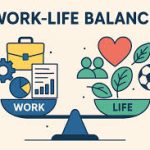
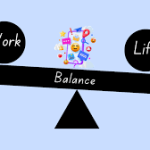
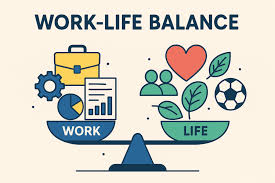
Work-life balance means having a good mix. It’s about your job and your personal life. You need time for work tasks.
You also need time for family and friends. Fun activities are important too. When this mix is off, stress grows.
It’s like a scale that’s tipped too far.
Many things can throw off this balance. Long work hours are a big one. Not having enough personal time is another.
Constant worries about money can add stress. Even social media can make us feel less balanced. We see others who seem perfect.
This makes our own lives feel worse.
When anxiety and poor balance meet, it’s tough. You might feel tired all the time. Your focus at work might slip.
Your mood can get low. It can even affect your body. You might get headaches or stomach problems.
It feels like you’re stuck. But help is available.
My Own Struggle with the Juggling Act
I remember one spring evening. The sun was setting, painting the sky orange. I was hunched over my laptop.
Emails kept pouring in. My phone buzzed with texts from my family. They were asking about dinner plans.
I felt a knot tighten in my stomach. Work felt like a monster I couldn’t escape.
My shoulders were tight. My head ached a little. I felt a wave of panic.
How could I be in two places at once? I wanted to be a good employee. I also wanted to be present for my kids.
That night, I felt like I was failing at both. It was a lonely feeling. I just wanted a break.
I’d heard about online courses. But I thought they were for learning new job skills. I didn’t realize they could help with personal stress.
I felt too tired to even look. It took a few more weeks of feeling this way. Then, a friend told me about a course.
She said it changed her life. That’s when I decided to try. It was a turning point.
Understanding Your Anxiety Triggers
What to look for:
- Work Stressors: Tight deadlines, demanding bosses, heavy workload.
- Personal Life Demands: Family issues, financial worries, social obligations.
- Internal Factors: Negative self-talk, perfectionism, fear of failure.
- Environmental Cues: Clutter, noise, feeling rushed.
Noticing these helps you address them.
Why Online Courses Are a Great Fit
Online courses fit busy lives. You can learn at your own pace. This is super important when you’re already stressed.
You don’t have to rush. You can pause and come back later. This flexibility is a huge win for work-life balance.
You can access them from anywhere. Your home, a coffee shop, even on your commute. This means less travel time.
It saves you energy. Energy is precious when you’re feeling anxious. It’s like having a personal coach on demand.
These courses are often made by experts. They share proven methods. They teach you practical tools.
You learn skills that stick with you. This isn’t just theory. It’s real advice you can use daily.
It empowers you to make changes.
Many courses focus on specific needs. You can find ones for stress management. Others help with mindfulness.
Some are all about time blocking. You can pick what fits you best. This tailored approach is very effective.
Quick Guide: Common Anxiety Symptoms
Feeling:
- Worried or nervous a lot
- Restless or on edge
- Tired easily
- Having trouble concentrating
- Feeling irritable
Physical Signs:
- Fast heartbeat
- Sweating
- Shaking
- Stomach issues
- Muscle tension
If you see these often, it’s a signal.
Top Online Courses for Anxiety Relief
Finding the right course makes a difference. Here are some top choices. They are known for quality.
They also focus on real results.
1. Mindfulness-Based Stress Reduction (MBSR) Courses
MBSR is a well-known program. It uses mindfulness to help people cope. Mindfulness means paying attention.
You focus on the present moment. You do this without judging. It can lower stress a lot.
These courses teach meditation. They teach body scans. You learn mindful movement.
You practice bringing awareness to daily tasks. Over time, you become calmer. You react less to stress.
It helps you appreciate simple things.
Many universities offer MBSR online. There are also dedicated mindfulness centers. Look for programs that offer live sessions.
This can add accountability. It also allows for questions.
2. Cognitive Behavioral Therapy (CBT) Based Programs
CBT is a type of talk therapy. It helps change negative thought patterns. It also helps change unhelpful behaviors.
CBT is very effective for anxiety.
Online CBT programs teach you skills. You learn to spot bad thoughts. You learn to challenge them.
You
Some platforms offer guided CBT. Others connect you with therapists online. Choose a program from a reputable source.
Ensure it aligns with CBT principles. Websites like the Beck Institute might offer guidance.
3. Positive Psychology and Well-being Courses
Positive psychology focuses on what makes life good. It’s about strengths. It’s about happiness.
It’s about thriving. These courses help you build a more positive outlook.
You learn about gratitude. You explore savoring good moments. You identify your personal strengths.
You learn how to use them more. These skills boost your mood. They build resilience against stress.
Universities like the University of Pennsylvania offer great courses. These are often available on platforms like Coursera or edX. They are taught by leading researchers.
Quick Scan: Anxiety & Balance Course Features
| Feature | Importance | What to Look For |
|---|---|---|
| Expert Instructors | High | Credentials, experience |
| Practical Tools | High | Actionable exercises, worksheets |
| Flexibility | High | Self-paced, lifetime access |
| Community Support | Medium | Forums, Q&A sessions |
| Affordability | Medium | Pricing, payment plans |
Strategies for Improving Work-Life Balance Online
It’s not just about feeling less anxious. It’s also about making life more balanced. Online courses can teach you how.
1. Time Management and Productivity Courses
Good time management is key. It helps you get more done. It also frees up time for yourself.
These courses teach smart ways to work.
You learn about prioritizing tasks. You might learn about time blocking. This means scheduling specific times for tasks.
You also learn to avoid distractions. This makes your work hours more effective. Less wasted time means more free time.
Look for courses that teach modern methods. Many focus on GTD (Getting Things Done). Others use Agile principles.
The goal is efficiency.
2. Setting Boundaries Courses
Boundaries are like fences. They protect your time and energy. They tell others what is okay.
They tell them what is not okay.
These courses help you learn to say no. This can be hard. But it’s very important.
You learn how to communicate your needs. You practice setting limits with work. You also set them in your personal life.
This prevents burnout.
Setting boundaries helps protect your personal time. It ensures you have time to rest. It makes sure you can connect with loved ones.
This is vital for balance.
3. Digital Detox and Mindful Tech Use
Our phones and computers are always on. This can make us feel stressed. It can pull us away from real life.
These courses teach you how to disconnect. You learn to set rules for screen time. You discover ways to enjoy offline activities.
You practice being present. This means focusing on what you’re doing now. It helps you feel more in control.
A digital detox is not about quitting tech. It’s about using it wisely. It’s about not letting it run your life.
Personal Experience: Learning to Say No
The Challenge: My boss often asked me to take on extra tasks. I always said yes. I didn’t want to seem difficult.
This meant I stayed late often. My evenings with my family suffered. I felt resentful, but also guilty.
The Course Insight: I took a course on setting boundaries. It taught me phrases like, “I can help with that, but I’ll need to shift another task.” Or, “I can’t take that on right now. Is there someone else who can?”
The Result: It felt awkward at first. But my boss respected it. I started leaving work on time.
I could enjoy my evenings. It was a game-changer for my balance.
Finding the Right Platform and Course Format
The best course for you depends on your needs. Consider these factors.
1. Course Content and Curriculum
Does the course cover what you need? If you need stress tools, look for MBSR. If you need to change thinking, look for CBT.
If you want to build joy, look for positive psychology.
Read the course syllabus carefully. Check the learning objectives. Make sure they align with your goals.
Some courses are more theoretical. Others are very practical.
Look for course reviews. What do other students say? Do they mention real improvements?
2. Instructor Expertise and Credentials
Who is teaching the course? Are they experts in their field? Do they have relevant degrees?
Do they have real-world experience?
For mental health topics, look for licensed therapists or psychologists. For productivity, look for certified coaches. Check their bios.
This builds trust.
Some platforms highlight instructor credentials. This makes it easier to choose.
3. Learning Style and Pace
Do you prefer video lessons? Or do you like reading material? Some courses offer a mix.
Consider the pace. Do you want to go fast? Or do you need to go slow?
Most online courses are self-paced. This is great for flexibility. Some offer live Q&A sessions.
These can be helpful for interaction.
Think about your available time. How many hours per week can you commit?
4. Cost and Value
Online courses vary in price. Some are free. Others can be hundreds of dollars.
Consider your budget.
Look at what’s included. Is it just videos? Or are there workbooks, quizzes, and community access?
Lifetime access is often a good value.
Sometimes, your employer offers benefits. They might cover courses. Check with your HR department.
Platform Spotlight: Popular Online Learning Sites
Coursera: Partners with top universities. Offers certificates. Wide range of topics.
edX: Similar to Coursera. Focuses on academic courses.
Udemy: Large marketplace for courses. Often more practical and skill-based. Frequent sales.
Mindful.org (or similar): Dedicated mindfulness and meditation resources.
Therapy Platforms (e.g., BetterHelp, Talkspace): May offer guided programs or access to therapists.
Real-World Scenarios: When These Courses Help Most
Let’s look at some situations. See how these courses can offer support.
Scenario 1: The New Parent Juggling Responsibilities
A new parent has very little time. Sleep is scarce. The demands of a new baby are huge.
Work might still be a factor. Anxiety can skyrocket.
An MBSR course can help with stress. It teaches coping with difficult moments. A time management course can help optimize the little free time available.
Setting boundaries is crucial. Learning to ask for and accept help is also key. These skills prevent total burnout.
Scenario 2: The Mid-Career Professional Facing Burnout
Someone who has worked for years might feel tired. Their job feels demanding. They’ve lost passion.
They feel stuck. Work-life balance is way off.
A CBT program can help address negative thoughts about work. A positive psychology course can help rediscover joy. A time management course can help regain control.
Setting boundaries at work is vital. This prevents further exhaustion.
Scenario 3: The Student Balancing Studies and Life
Students face academic pressure. They also have social lives. Many work part-time jobs.
Anxiety about grades and the future is common.
Mindfulness courses can help manage exam stress. Time management courses help juggle classes, study, and social events. Learning to say no to extra commitments is important.
This protects their well-being.
Contrast Matrix: Normal Stress vs. Overwhelming Anxiety
Normal Stress:
- Temporary feeling
- Related to specific events (e.g., deadline)
- Motivates action
- Goes away with rest
Overwhelming Anxiety:
- Persistent feeling
- May lack clear cause
- Interferes with daily life
- Difficult to manage alone
- Requires professional support
Online courses can help with both, but severe anxiety needs deeper help.
What This Means for Your Work-Life Balance
Taking an online course is an investment. It’s an investment in yourself. It means you’re taking action.
You’re not just letting stress win.
When it’s normal: Feeling a bit stressed before a big project is normal. Juggling family needs with work tasks is common. These feelings are usually temporary.
Online courses can provide tools to manage these moments better.
When to worry: If anxiety is constant, it’s a sign. If it stops you from doing things you love, that’s concerning. If work-life balance feels impossible for months, seek help.
Physical symptoms that don’t go away also need attention.
Simple checks: Ask yourself: How often do I feel overwhelmed? Can I still enjoy my hobbies? Am I sleeping well?
Am I connecting with people I care about? Your answers can guide you.
Quick Tips for Better Balance Today
1. Schedule Breaks: Even 5 minutes helps. Step away from your screen.
2. Prioritize Sleep: Aim for 7-9 hours. It’s crucial for mood and focus.
3. Move Your Body: A short walk can clear your head.
4. Connect: Text a friend or talk to family.
5. Say No (Gently): Protect your time when needed.
Tips for Maximizing Your Online Learning Experience
To get the most out of a course, follow these tips.
1. Set Realistic Goals
Don’t try to change everything at once. Pick one or two skills to focus on. Maybe it’s managing your morning routine.
Or learning to breathe deeply during stress.
2. Be Consistent
Try to engage with the course regularly. Even 15-30 minutes a day helps. Consistency builds habits.
It keeps the learning fresh in your mind.
3. Practice What You Learn
The real value is in application. Try the exercises. Use the techniques in your daily life.
This is how change happens. Notice what works for you.
4. Seek Community (If Available)
Some courses have forums or groups. Connect with other learners. Share your experiences.
You can learn from them. They can support you.
5. Be Patient with Yourself
Learning new habits takes time. There will be good days and bad days. Don’t get discouraged.
Just keep practicing. Progress is not always linear.
Frequently Asked Questions
Are online courses for anxiety effective?
Yes, many online courses are very effective. Especially those based on proven methods like MBSR and CBT. They offer practical tools and strategies you can use daily.
Success depends on your engagement and consistent practice.
How much do online courses for anxiety and balance cost?
Costs vary widely. Some introductory courses might be free or under $50. More comprehensive programs or those with live coaching can range from $100 to over $1000.
Look for value, not just the lowest price.
Can I get certified through an online course?
Some platforms offer certificates of completion. These show you finished the course. For mental health topics, actual clinical certification requires more than an online course.
However, a certificate can show dedication to personal growth.
What’s the difference between a course for anxiety and one for work-life balance?
Anxiety courses focus on managing worry, fear, and stress. Work-life balance courses focus on time management, boundary setting, and prioritizing tasks. Often, these topics overlap.
Many courses address both aspects for overall well-being.
Is it better to do a live online course or a self-paced one?
Self-paced courses offer maximum flexibility for busy schedules. Live courses offer structure, accountability, and direct interaction with instructors and peers. The best choice depends on your learning style and available time.
Many courses blend both elements.
How do I know if an online course is legitimate?
Look for courses from reputable institutions or well-known experts. Check for reviews and testimonials. Ensure the instructors have relevant credentials.
Avoid courses that make unrealistic promises of quick fixes.
Conclusion
Finding peace and balance is possible. Online courses offer a flexible, accessible way to learn. They provide real tools for managing anxiety.
They help you create a better work-life mix. Explore the options. Invest in yourself.
Start building a calmer, more balanced life today.