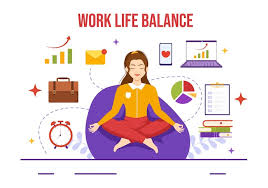
Managing anxiety and achieving work-life balance involves setting clear boundaries, prioritizing self-care, and learning effective stress-reduction techniques. It’s about creating a sustainable rhythm that honors both professional duties and personal well-being, preventing burnout and fostering contentment.
Understanding Anxiety and Work-Life Balance
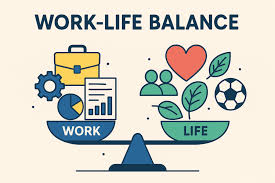
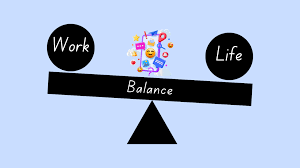
What exactly is work-life balance? It’s not about splitting your day perfectly in half. It’s more about feeling good about how you spend your time. It means having enough energy for your job and for your life outside of work. Think of it as a seesaw. Both sides need to feel right, not just one.
Anxiety plays a big role here. When you’re anxious, your mind races. You might worry a lot. This can make it hard to focus on work. It also takes away joy from your personal time. Anxiety can make even small tasks feel huge. It drains your energy. This makes that seesaw feel very wobbly.
Many people feel this struggle. The lines between home and office can blur. This is especially true with working from home. You might check emails late at night. You might think about work during dinner. This constant connection can make anxiety worse. It stops you from truly relaxing. It stops you from being present.
The Modern Challenge
Today’s world moves fast. We have phones buzzing. We have endless to-do lists. This constant buzz can be overwhelming. It’s easy to feel pulled in many directions. The pressure to “do it all” is real. This pressure often fuels feelings of anxiety. It makes achieving balance seem even harder. We see others seeming to manage. We wonder why it’s so tough for us.
Experts talk about this a lot. They say it’s a key challenge for many. It’s not a sign of weakness. It’s a sign you’re trying hard. It means you care about your work and your life. The goal is not to eliminate all stress. It’s to manage it well. It’s about finding peace in the midst of busy days.
Think about how you feel now. Do you often feel tired? Do you worry about what’s next? Do you feel guilty when you’re not working? These are common feelings. They are linked to how well you manage your time and your mind. The good news is, you can learn to improve this.
My Own Journey with the Juggling Act
I remember a time when I felt completely swamped. It was a few years ago. I was working on a big project. Deadlines were tight. My phone was always on. I’d get a work email at 10 PM. My mind would jump to it. I’d start thinking about replies. I’d feel that familiar knot of worry tighten in my stomach.
Then, my friend invited me out for a casual dinner. I said yes. But halfway through my meal, I kept checking my phone. I was worried I was missing something important. I wasn’t enjoying my food. I wasn’t really listening to my friend. I felt split in two. Part of me was there. Part of me was still at my desk.
That night, I felt a wave of sadness. I realized I was letting work take over. My anxiety was stealing my peace. It was stealing my time with loved ones. I was not living. I was just rushing from one task to the next. I felt a real panic then. I didn’t want this to be my life. I knew I had to make a change. It wasn’t easy. It took time and practice. But I started small. I began setting limits. I started saying no to things that didn’t serve me. I learned to breathe.
A Turning Point
The moment I truly understood was after a long work week. I had skipped my usual gym session. I had eaten quick meals. I had stayed up late. On Saturday morning, I just wanted to sleep. But my body felt heavy. My mind was foggy. I looked out the window and saw the sun shining. I felt a pang of regret. I was missing life. That’s when I decided enough was enough. I started setting alarms to stop working. I made plans for weekends. Even small steps helped. It was about reclaiming my time and my peace.
This experience taught me a lot. It showed me that balance isn’t a luxury. It’s a necessity for well-being. It also showed me that anxiety is a signal. It tells you something needs attention. Ignoring it only makes things harder. Facing it is the first step toward feeling better.
The Roots of Work-Life Imbalance and Anxiety
Why does work-life imbalance happen? Many things contribute. Our culture often praises “hustle.” It says long hours mean success. This can make people feel guilty for resting. It makes them feel like they aren’t working hard enough. This thought pattern fuels anxiety. You worry you’ll fall behind.
Technology is another big factor. Smartphones and laptops connect us 24/7. Work can follow you home. It’s hard to switch off. Notifications ping. Emails arrive late. This constant availability blurs boundaries. It makes it tough to have real downtime. This lack of downtime can lead to stress and anxiety.
Personal habits also play a part. Some people have trouble saying no. They take on too much. This leads to feeling overwhelmed. Others might not prioritize self-care. They skip meals. They don’t exercise. They don’t sleep enough. When you don’t care for yourself, your ability to handle stress drops. Anxiety can then take hold more easily.
Common Triggers
What specific things make imbalance worse?
- Unclear Expectations: Not knowing what’s truly expected at work. This leads to overworking to be safe.
- Poor Time Management: Not planning your day well. This makes tasks pile up.
- Lack of Boundaries: Letting work intrude on personal time. This is a big one.
- Fear of Missing Out (FOMO): Feeling like you must always be “on” or available.
- Perfectionism: Needing everything to be perfect. This slows you down. It causes stress.
Anxiety itself can create a cycle. When you feel anxious, you might try to control things. You might overwork. You might avoid difficult tasks. These actions can actually make your imbalance worse. They can increase your anxiety over time. It’s like trying to escape a fog by running. You just end up more lost.
Understanding these roots is key. It helps you see that it’s not just “you.” It’s a mix of external pressures and internal patterns. This knowledge empowers you. It shows you where you can start to make changes. You can start to build a better balance.
Practical Ways to Manage Anxiety
Dealing with anxiety is crucial for balance. Let’s talk about some simple, effective ways to manage it. These aren’t magic fixes. They are tools you can use every day.
Deep Breathing: This sounds simple, but it works. When you feel anxious, your breathing gets shallow. This signals danger to your brain. Taking slow, deep breaths tells your brain you are safe. Try this: breathe in slowly through your nose for four counts. Hold for four. Breathe out slowly through your mouth for six counts. Do this for a few minutes.
Mindfulness: This means paying attention to the present moment. No judgment. When you worry, you’re usually thinking about the past or future. Mindfulness brings you back to now. You can practice this anywhere. Focus on what you see, hear, smell, taste, and touch. Even washing dishes can be a mindful activity. Feel the warm water. Smell the soap. Hear the clinking.
Anxiety Relief Techniques
Try these quick methods:
- Focus on your senses: Name 5 things you can see, 4 you can touch, 3 you can hear, 2 you can smell, and 1 you can taste.
- Grounding exercises: Feel your feet on the floor. Notice the chair supporting you. This connects you to the physical world.
- Gentle movement: A short walk can clear your head. Stretching helps release tension.
- Listen to calming music: Music can shift your mood.
- Drink water: Sometimes anxiety is linked to dehydration.
Journaling: Writing down your thoughts can be very helpful. It lets you get worries out of your head. You can see them on paper. This can make them feel less powerful. You can also notice patterns in your anxiety. What triggers it? What helps you feel better?
Physical Activity: Exercise is a powerful anti-anxiety tool. It burns off stress hormones. It releases feel-good chemicals called endorphins. You don’t need intense workouts. A brisk walk, a bike ride, or dancing can make a big difference. Find something you enjoy.
Sleep Hygiene: Poor sleep makes anxiety much worse. Aim for 7-9 hours of quality sleep. Create a relaxing bedtime routine. Avoid screens before bed. Keep your bedroom dark and cool. Consistent sleep schedules are key.
Healthy Diet: What you eat affects your mood. Limit caffeine and sugar. These can increase jitters. Focus on whole foods. Fruits, vegetables, and lean protein can help stabilize your energy and mood.
It’s important to remember that seeking professional help is a sign of strength. Therapists can offer guidance and tools tailored to you. Cognitive Behavioral Therapy (CBT) is very effective for anxiety.
Building Better Work-Life Balance Habits
Now, let’s focus on building habits for better balance. This is where the rubber meets the road. It’s about making small, consistent changes.
Set Clear Boundaries: This is perhaps the most important step. Decide when your workday starts and ends. Stick to it. If you work from home, create a dedicated workspace. When work is done, leave that space. Put away your work items. This physically signals the end of work.
Learn to Say No: You don’t have to do everything. It’s okay to decline requests. If a new task will overload you, say so. You can offer alternatives. “I can’t do that right now, but I could help next week.” This protects your time and energy.
Boundary Setting in Action
Consider these:
- Define work hours: Communicate them to colleagues and family.
- Turn off notifications: Especially after work hours.
- Schedule personal time: Treat it like an important meeting.
- Delegate when possible: Share tasks at work or home.
- Take regular breaks: Step away from your desk every hour or so.
Prioritize Your Well-being: Make self-care non-negotiable. Schedule time for exercise, hobbies, or just relaxing. If it’s not scheduled, it often doesn’t happen. Treat this time as valuable. It recharges you. This makes you more effective when you are working.
Time Blocking: This is a powerful technique. Plan your day in blocks of time. Assign tasks to each block. Include time for breaks, lunch, and personal activities. This helps you stay focused and prevents tasks from spilling over.
Unplug Regularly: Make time to disconnect from technology. Put your phone away for an hour or two each evening. Have device-free meals. This allows your mind to rest. It helps you be more present with loved ones.
Communicate Your Needs: Talk to your manager or colleagues about your workload if it’s too much. Talk to your family about needing quiet time. Open communication can lead to solutions.
Building these habits takes time. Be patient with yourself. Some days will be better than others. The goal is progress, not perfection. Celebrate small wins along the way.
Real-World Scenarios and Solutions
Let’s look at some common situations. How do these ideas play out in real life?
Scenario 1: The Evening Email Flood. You finish work, but then emails start pouring in. You feel pressured to respond.
Solution: Set an “email cut-off” time. If an email comes after that, let it wait until morning. If it’s truly urgent, the sender can call. Use auto-replies if needed. “I am out of the office until tomorrow morning. I will respond to your message then.”
Myth vs. Reality
Myth: Being always available means you’re a good employee.
Reality: Being able to focus and deliver quality work is more important. Constant availability can lead to burnout and errors.
Myth: Taking breaks means you’re lazy.
Reality: Breaks refresh your mind. They improve focus and creativity. They prevent mistakes.
Scenario 2: Weekend Work Creep. You planned a relaxing weekend. But you keep thinking about unfinished work. You end up working for hours on Saturday.
Solution: Plan your weekend activities in advance. Schedule fun things. Write them down. When work thoughts pop up, jot them down on a “to-do” list for Monday. Then, consciously redirect your focus to your weekend plan. Engage fully in your leisure.
Scenario 3: Feeling Overwhelmed by Tasks. Your to-do list is endless. You don’t know where to start. This causes anxiety.
Solution: Break large tasks into smaller steps. Focus on just the first step. Use the “two-minute rule”: if a task takes less than two minutes, do it immediately. Prioritize tasks. Ask yourself: “What is the most important thing I can do right now?”
Quick Scan: Balance Boosters
| Action | Impact |
|---|---|
| Schedule breaks | Reduces fatigue, boosts focus |
| Say “no” politely | Protects your time and energy |
| Unplug for an hour | Calms the mind, improves presence |
| Move your body daily | Reduces stress, improves mood |
Scenario 4: Guilt During Personal Time. You’re spending time with family, but you feel guilty you’re not working.
Solution: Remind yourself why you work. It’s often to support your life and loved ones. This personal time is part of that. It’s vital. Tell yourself: “I am being present. This is what truly matters now.” Practice self-compassion. You are doing your best.
These are just examples. Your situation might be different. The core idea is to be aware. Then, make conscious choices. Small, consistent actions lead to big changes over time.
When to Seek Professional Help
While these tips can help a lot, sometimes anxiety and work-life balance issues need more support. It’s a sign of strength to ask for help when you need it. You don’t have to go through hard times alone.
Consider seeking professional help if:
- Your anxiety is constant: It interferes with your daily life.
- You have trouble sleeping: Or your sleep is consistently poor.
- You experience panic attacks: Intense fear with physical symptoms.
- You rely on unhealthy coping mechanisms: Like excessive alcohol or drugs.
- Your relationships are suffering: Due to stress or your inability to be present.
- You feel hopeless or depressed: Beyond just feeling stressed.
- You can’t seem to make progress: Despite trying different strategies.
Types of Support
Therapy: A therapist can help you understand the roots of your anxiety. They teach coping skills. Common therapies include:
- Cognitive Behavioral Therapy (CBT): Helps change negative thought patterns.
- Dialectical Behavior Therapy (DBT): Focuses on emotional regulation and distress tolerance.
- Mindfulness-Based Stress Reduction (MBSR): Teaches mindfulness techniques.
Doctor: Your primary care doctor can rule out physical causes. They can also discuss medication options if needed. They can refer you to mental health specialists.
Support Groups: Connecting with others who face similar challenges can be very helpful. You can share experiences and learn from each other.
Remember, investing in your mental and emotional health is investing in your overall well-being. It allows you to show up better in all areas of your life. It helps you manage anxiety and build that sought-after balance.
Frequently Asked Questions
What is the main goal of work-life balance?
The main goal is to feel a sense of control and satisfaction in both your professional and personal life. It’s about having enough energy and time for your job, your family, your friends, and yourself. It’s about preventing burnout and living a more fulfilling life.
Can work-life balance completely eliminate anxiety?
No, work-life balance might not eliminate all anxiety, but it can significantly reduce it. By managing your time well and practicing self-care, you build resilience. This makes you better equipped to handle stress and worry when it does arise. Think of it as building a strong defense.
How can I set boundaries without seeming uncooperative?
Setting boundaries is about clear communication and respect. Be polite but firm. Explain your limits calmly. Offer alternatives if possible. For example, instead of saying “No, I can’t,” try “I can help with that next week when my current project is finished.” Focus on what you can do.
Is it normal to feel guilty when I’m not working?
Yes, it’s very common to feel guilty. This often stems from societal pressure or a strong work ethic. However, rest and personal time are essential for long-term productivity and well-being. Remind yourself that downtime makes you better at your job. It also enriches your life.
How much personal time should I aim for?
There’s no one-size-fits-all answer. Aim for a balance that feels right for you. This could mean dedicating specific evenings to family, setting aside weekends for hobbies, or ensuring you take at least a week of vacation each year. It’s about having enough time for activities that recharge you.
What are the first steps to managing anxiety related to work?
Start with simple, immediate actions. Practice deep breathing exercises when you feel stressed. Take short breaks to step away from your desk. Try a quick mindfulness exercise. Write down one thing you’re worried about. Then, decide on one small action you can take to address it. Focus on what you can control.
Putting It All Together
Navigating anxiety and finding work-life balance is a journey. It requires self-awareness and consistent effort. Remember, it’s not about achieving perfection. It’s about making progress. Small changes can have a big impact over time. Be kind to yourself. Celebrate your efforts.
By understanding your triggers, using anxiety-management tools, and building healthy habits, you can create a more peaceful and fulfilling life. You deserve to feel good both at work and outside of it. Start today with one small step.