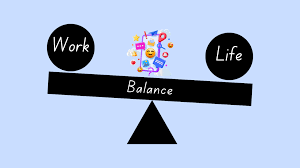
Finding free tools to manage anxiety and improve work-life balance is possible. Many apps and online resources offer simple ways to track habits, practice mindfulness, set boundaries, and find support. These tools can help you reduce stress and feel more in control of your day.
Understanding Work-Life Balance and Anxiety
Work-life balance is all about harmony. It means splitting your time and energy well. This split is between your job and your personal life.
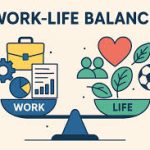
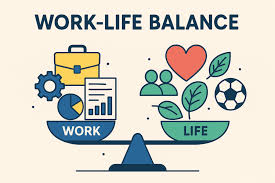
Think of it like a scale. One side is work. The other side is everything else.
This includes family, friends, hobbies, and rest. When the scale tips too far, problems start. You might feel stressed or unhappy.
Anxiety is a common feeling. It’s often a response to stress. When work demands grow too big, anxiety can follow.
You might worry a lot. You might feel restless. Sleep can become hard.
Physical symptoms like headaches can appear. This happens when your mind and body are always on high alert. It’s like your internal alarm system is stuck on.
Many things can upset this balance. Long work hours are a big one. Always being “on” because of email or calls is another.
Not having clear boundaries between work and home is also tricky. When you don’t take breaks, your brain gets tired. This makes it harder to focus and enjoy life.
Poor balance often feeds anxiety. And anxiety makes it even harder to find balance.
My Own Struggle with the Balance Beam
I remember a time when my work felt like a giant wave. It was all I could see. I was working late almost every night.
My emails piled up. My to-do list grew longer. I felt a knot in my stomach most days.
Even on weekends, my mind was still at my desk. I’d scroll through work messages instead of enjoying time with friends. One Saturday, I was trying to have a picnic.
The sun was warm. Birds were singing. But all I could think about was a report due Monday.
I felt a wave of panic. Why couldn’t I just be present? My phone buzzed.
It was another work email. I remember sighing deeply. I felt trapped.
My mind was noisy with work worries. It was hard to hear anything else. That day, I knew something had to change.
I realized I was not truly living. I was just existing between work tasks. My personal life felt like an afterthought.
This realization was heavy. It made me feel a bit lost. But it also pushed me to look for ways to fix it.
I started seeking out simple tools. Things that could help me find my way back to a calmer, more balanced life. I needed something easy to use.
Something that wouldn’t add more stress.
Understanding the Cycle of Work Stress and Anxiety
The Loop: Work pressure -> Feeling overwhelmed -> Anxiety symptoms -> Less focus & energy -> More work pressure.
Why it happens: Constant demands, fear of failure, unclear expectations, lack of control.
Impact: Affects mood, sleep, health, and relationships.
Free Tools for Calming Your Mind
The good news is you don’t need to spend a lot of money to find support. Many excellent resources are available for free. These tools can help you manage your thoughts.
They can also help you build better habits. Let’s look at some types of tools.
Mindfulness and Meditation Apps
These apps teach you to be present. They guide you through calm breathing. They help you focus on the now.
This is a great way to lower anxiety. It pulls you away from worries about the past or future.
- Calm: Offers guided meditations, sleep stories, and breathing exercises.
- Headspace: Provides beginner courses on meditation and mindfulness.
- Insight Timer: Has thousands of free guided meditations from various teachers.
Using these for even five minutes a day can make a difference. You learn to observe your thoughts. You don’t have to get caught up in them.
It’s like watching clouds drift by. Your worries are the clouds.
Mood and Habit Trackers
Knowing your patterns is powerful. These apps help you log how you feel. They also track your daily actions.
This helps you see what triggers your stress. It shows what makes you feel better. You can spot links between sleep, food, and your mood.
- Daylio: A simple emoji-based journal for tracking mood and activities.
- Moodpath: Helps you understand your mental state over time.
- Habitica: Turns habit building into a fun role-playing game.
Tracking helps you become aware. This awareness is the first step to change. You might notice that skipping breakfast leads to an anxious morning.
Or that a short walk boosts your mood. These tools make these connections clear.
Quick Scan: Mood & Habit Tracker Benefits
| Benefit | How it Helps |
| Awareness | See what affects your feelings. |
| Pattern Recognition | Spot links between actions and mood. |
| Motivation | See progress and stay on track. |
| Self-Care | Encourages regular check-ins. |
Journaling Tools
Writing down your thoughts is very effective. It helps you process feelings. It can reduce the intensity of worries.
You can use simple apps or even a notebook. The act of writing is key.
- Penzu: A free online journal that feels like a private diary.
- Google Docs/Notes App: Use these for quick notes and longer writing sessions.
Don’t worry about perfect grammar or structure. Just write what comes to mind. It’s a safe space for your thoughts.
You can explore fears. You can celebrate small wins. It’s a personal conversation with yourself.
Time Management & Productivity Tools
Feeling in control of your tasks can reduce stress. These tools help you organize your day better. They help you focus on what’s important.
They prevent that feeling of being swamped.
- Todoist: Simple, yet powerful task management.
- Trello: Visual board for organizing projects and tasks.
- Forest: A unique app that helps you stay focused by growing a virtual tree.
When you have a clear plan, your mind can relax a little. You know what needs to be done. This reduces the mental clutter.
It makes you feel more capable.
Observational Flow: Building Better Work Habits
Step 1: Plan Your Day. Start each morning with a quick list of 3-5 key tasks. Use a simple app like Todoist.
Step 2: Block Your Time. Assign specific times for tasks. Avoid multitasking.
Step 3: Take Breaks. Use the Pomodoro Technique (25 min work, 5 min break). This helps you stay fresh.
Step 4: Set Boundaries. Decide when work ends. Turn off notifications.
Step 5: Reflect. At day’s end, review what worked. Adjust for tomorrow.
Free Resources for Work-Life Boundaries
Setting boundaries is crucial for balance. It’s about protecting your time and energy. It’s also about telling others what you need.
This can be hard, especially at first.
Online Courses and Workshops
Many platforms offer free courses on stress management. They also teach skills for setting boundaries. You can learn at your own pace.
This is a great way to gain knowledge.
- Coursera/edX: Look for introductory courses on mindfulness or stress reduction.
- YouTube Channels: Many experts share free tips and strategies.
Learning new skills can empower you. You feel more confident in asking for what you need. You can set expectations with your boss or colleagues.
Community Support and Forums
Talking to others who understand can be very helpful. You are not alone in this struggle. Online communities offer a space to share and learn.
- Reddit (e.g., r/anxiety, r/worklifebalance): Connect with people facing similar issues.
- Mental Health Forums: Many organizations host online discussion groups.
Hearing other people’s experiences can be validating. You might get new ideas. Sometimes just knowing someone else feels this way is comforting.
Myth vs. Reality: Setting Work Boundaries
Myth: Setting boundaries means I’m not a team player.
Reality: Clear boundaries actually improve productivity and prevent burnout, making you a better team member long-term.
Myth: My boss will think I’m lazy.
Reality: Most employers appreciate clear communication and respect well-managed workloads. Focus on outcomes, not just hours.
Myth: It’s too late to change my habits.
Reality: You can always start small. Even minor changes can have a big impact over time.
Integrating Tools into Your Daily Life
Having great tools is one thing. Using them regularly is another. The key is to start small.
You don’t need to try everything at once. Pick one or two tools that seem most helpful.
Start with One Tool
If you’re feeling stressed, maybe start with a meditation app. Try using it for five minutes each morning. Or try a simple mood tracker.
Log your feelings once a day. Consistency is more important than intensity.
Schedule Your “Me Time”
Just like you schedule meetings, schedule time for yourself. This could be a walk, reading a book, or a hobby. Put it in your calendar.
Treat it like an important appointment.
This shows yourself that your well-being matters. It’s not an optional extra. It’s a necessary part of your life.
Without this time, you can’t recover from work stress. Your energy levels will drop.
Be Kind to Yourself
There will be days when balance feels impossible. You might miss a meditation session. You might work late again.
This is okay. Don’t get down on yourself. Just try to get back on track the next day.
Self-compassion is key.
Think of it like learning to ride a bike. You might fall a few times. But you get up and try again.
Each attempt makes you stronger. Progress, not perfection, is the goal.
Stacked Micro-Sections: Simple Steps to Start
1. Choose One App. Pick a meditation or mood tracker.
2. Set a Reminder. Make it part of your daily routine.
3. Start Small. 5 minutes of meditation or one mood entry.
4. Be Consistent. Try to do it every day, even on busy days.
5. Track Progress. Notice how you feel after a week.
When to Seek Professional Help
These free tools are powerful. But they are not a replacement for professional help. If your anxiety is severe.
Or if it’s stopping you from living your life. It’s time to talk to a doctor or therapist.
A professional can offer more personalized strategies. They can help you understand the root causes of your stress. They can also provide support through difficult times.
There is no shame in seeking help. It’s a sign of strength and self-care.
Organizations like the National Alliance on Mental Illness (NAMI) in the U.S. can offer resources. They can help you find local support.
Remember, you don’t have to go through this alone.
Frequent Questions About Work-Life Balance and Anxiety Tools
Are there truly effective free apps for anxiety?
Yes, absolutely! Many reputable apps offer high-quality guided meditations, breathing exercises, and mood tracking features for free. Apps like Calm, Headspace (with free content), and Insight Timer are great starting points.
The effectiveness often depends on consistent use.
How can I set boundaries without seeming difficult at work?
Focus on clear, calm communication. Frame your boundaries around productivity and well-being. For example, “To ensure I can give my best focus to Project X, I will be offline after 6 PM.
I will address urgent matters first thing in the morning.” Highlight how this helps you perform better.
What’s the quickest way to reduce work-related anxiety?
Deep breathing exercises are very effective for immediate relief. Try the 4-7-8 method: inhale for 4 counts, hold for 7, exhale for 8. Even 1-2 minutes can calm your nervous system.
Taking a short walk outside can also help reset your mind.
How often should I use mindfulness apps?
Consistency is key. Even 5-10 minutes daily can make a difference. Some people prefer a longer session once a week.
Find a rhythm that works for you. Doing it at the same time each day can help build the habit.
Can a simple to-do list app really help with work-life balance?
Yes, it can be a powerful tool. A well-organized to-do list helps you prioritize tasks. It prevents feeling overwhelmed by a chaotic workload.
Seeing tasks checked off also provides a sense of accomplishment, boosting morale and freeing up mental space for personal life.
What if I feel guilty taking time for myself?
This is a common feeling, often tied to work culture. Remember that breaks and personal time are essential for sustained productivity and preventing burnout. Think of it as an investment in your ability to work effectively.
It’s not selfish; it’s smart self-management.
Finding Your Path to Peace
Navigating the demands of work and life can feel like a challenge. But you have more power than you think. By using free tools and resources, you can start to build a healthier balance.
These tools offer simple ways to manage stress. They help you create much-needed space for yourself. Remember to be patient and kind.
Your journey to balance is unique. Embrace the small steps. Celebrate your progress.
You deserve a life that feels both productive and peaceful.