

It feels like there’s never enough time. Deadlines loom. Emails flood in.
You’re an expert, and people rely on you. That pressure can build. It can lead to that tight knot in your stomach.
You might worry you’re not doing enough. Or maybe you’re worried about what happens next. This feeling is common.
It’s expert anxiety. And it makes finding work-life balance feel impossible. Let’s figure this out together.
Expert anxiety often stems from high expectations and a fear of failure. It impacts daily workflow by creating stress, reducing focus, and blurring the lines between work and personal life. Mastering your daily tasks and finding balance involves proactive strategies to manage pressure and protect your well-being.
Understanding Expert Anxiety
What exactly is expert anxiety? It’s more than just stress. It’s a deep worry that comes with being skilled.
You know a lot. You’re good at what you do. But this expertise can bring its own set of fears.
You might fear letting people down. Or you might worry about not being as good as others think you are. This is sometimes called imposter syndrome.
It’s like you’re a fraud, even when you’re not.
This anxiety can show up in many ways. You might overwork. You might avoid tasks that feel too hard.
Or you might constantly seek more information, even when you know enough. It’s a cycle that’s hard to break. It affects your daily workflow in big ways.
Your focus can drift. You might feel tired all the time. Your personal life can suffer too.
The Vicious Cycle: Anxiety and Workflow
When you feel anxious, your brain goes into overdrive. It’s hard to concentrate. Small tasks can feel huge.
This is where the daily workflow gets messy. You might start a task, then get sidetracked by a worry. You might check emails again and again.
This constant switching of tasks makes you less productive. It also makes you feel more stressed. You see the work piling up.
This makes the anxiety worse. It’s a trap.
Think about a typical workday. You sit down to write a report. You’re an expert in this topic.
But a thought pops up: “What if they don’t like my ideas?” Suddenly, you’re not writing. You’re thinking about past mistakes. Or you’re picturing future criticism.
This thought spiral stops your progress. You spend time worrying instead of doing. This is the core problem.
Your expertise makes you valuable. But the anxiety about it steals your peace.
My Own Wake-Up Call
I remember a time when this hit me hard. I was leading a big project. People saw me as the go-to person.
I felt that weight daily. One evening, I was supposed to be relaxing. Instead, I was staring at my laptop.
My mind raced. Every possible negative outcome played out. I felt a tightness in my chest.
My breathing got shallow. I wasn’t just tired; I was scared. I had forgotten how to switch off.
My work had taken over my life. That night, I realized I needed to change things. I had to find a way to manage the anxiety.
I had to reclaim my balance.
It wasn’t easy. It took time and real effort. I started small.
I learned to recognize the signs of anxiety. I started setting clearer boundaries. I found simple ways to de-stress.
This personal journey taught me so much. It showed me that managing expert anxiety isn’t about stopping the pressure. It’s about changing how you respond to it.
It’s about building resilience. And it all starts with your daily workflow.
Daily Workflow Breakdown: Where Anxiety Hides
Morning Rush: Feeling behind before the day starts. Constant checking of notifications.
Task Management: Overwhelm with to-do lists. Procrastination due to fear of imperfection.
Communication: Anxiety about emails, meetings, and feedback. Overthinking replies.
Decision Making: Difficulty making choices, fearing the wrong one.
End of Day: Bringing work worries home. Inability to relax and disconnect.
The Foundation: Knowing Your Triggers
To manage anxiety, you first need to know what sets it off. What moments in your day cause that uneasy feeling? Is it before a big client call?
Or perhaps when you get an email from your boss? Identifying these triggers is step one. It’s like being a detective of your own mind.
You’re looking for clues to understand the pattern.
Keep a small journal. For a week, jot down when you feel that anxious pang. What were you doing?
Who were you with? What was the specific thought? Don’t judge it.
Just observe. This practice gives you valuable data. It helps you see that anxiety isn’t random.
It has causes. Once you know the causes, you can start to address them. You can prepare yourself better for those moments.
Or you can find ways to avoid them if possible.
Common Expert Anxiety Triggers
- High-stakes projects: When outcomes matter greatly.
- Performance reviews: Fear of criticism or not meeting goals.
- New challenges: Stepping outside your known expertise.
- Public speaking: Presenting ideas to a group.
- Uncertainty: When information is missing or unclear.
- Comparing yourself: Seeing others’ perceived success.
Structuring Your Day for Calm
Your daily workflow can be a source of calm or chaos. The structure you put in place matters. Think about how you spend your time.
Are you reactive or proactive? Most anxious people are reactive. They jump from one urgent thing to the next.
This leaves no room for calm. It creates a feeling of being out of control.
A proactive approach means planning. It means creating blocks of time for specific tasks. It also means building in breaks.
These aren’t optional extras. They are essential for mental health. Even short breaks can reset your focus.
They give your brain a chance to rest. This helps prevent burnout. It also makes you more effective when you return to work.
The Power of Time Blocking
Time blocking is a simple yet powerful technique. You divide your day into segments. You assign each segment a specific task or type of work.
For example, you might block 9-10 AM for focused writing. Then, 10-10:30 AM for email. After that, a 15-minute walk.
The key is to stick to the block as much as possible.
This method gives you a clear roadmap. You know what you should be doing at any given time. This reduces decision fatigue.
You don’t have to constantly ask yourself, “What should I do next?” This clarity is very calming. It reduces the mental clutter that fuels anxiety. It also helps you tackle your most important tasks when you have the most energy.
Time Blocking Example
8:00 AM – 8:30 AM: Prepare for the day, light stretching. (No screens)
8:30 AM – 9:00 AM: Review top 3 priorities. (No email)
9:00 AM – 10:30 AM: Deep Work Block 1: (No interruptions)
10:30 AM – 10:45 AM: Short Break: Walk, hydrate.
10:45 AM – 12:00 PM: Deep Work Block 2:
Setting Boundaries: Protecting Your Peace
Boundaries are crucial for work-life balance. But for experts, they can be hard to set. You might feel like you always need to be available.
Or that saying “no” is a sign of weakness. This is a myth. Setting boundaries is a sign of strength.
It shows you respect your own time and energy.
What do boundaries look like? They can be simple. For instance, decide on your work hours.
And then, stick to them. When your workday is over, log off. Close your laptop.
Turn off notifications. Another boundary is how you handle requests. Learn to say, “I can do that, but it will take X time.
Does that work?” This sets expectations. It prevents scope creep. It stops your work from spilling into every part of your life.
It also helps to communicate your boundaries. Let your team or colleagues know your availability. Explain when you are most productive.
And when you need focused time. Transparency can prevent misunderstandings. It can foster respect.
People will be more likely to honor your boundaries if they understand them.
Boundary Setting Tips
- Define work hours: Be clear about when you start and stop.
- Schedule breaks: Treat them as important appointments.
- Say no (politely): You can’t do everything.
- Delegate when possible: Trust others with tasks.
- Turn off notifications: Protect your focus time.
- Create a shutdown ritual: A clear end to the workday.
The Art of Realistic Expectations
As an expert, you likely have high standards. This is a good thing! It drives excellence.
But these standards can also fuel anxiety. You might expect yourself to know everything. Or to never make a mistake.
This is simply not realistic. Nobody is perfect. Everyone faces challenges.
Adjusting your expectations is key. Instead of aiming for perfection, aim for progress. Celebrate small wins.
Acknowledge your efforts. Understand that learning is a continuous process. There will be days when things don’t go as planned.
That’s okay. It doesn’t diminish your expertise. It makes you human.
What if you miss a deadline? Or make a mistake? Instead of spiraling into anxiety, ask yourself: “What can I learn from this?” Then, make a plan to do better next time.
This growth mindset is incredibly freeing. It shifts your focus from fear to learning. It makes your daily workflow more sustainable.
Mindfulness and Presence in Your Work
Anxiety often pulls us into the future. We worry about what might happen. Or it drags us into the past, replaying mistakes.
Mindfulness brings us back to the present moment. It’s about paying attention to what’s happening right now. Without judgment.
How can you practice mindfulness in your workflow? Start small. Before starting a task, take three deep breaths.
Focus on the air entering and leaving your lungs. During a meeting, truly listen to what others are saying. Notice their words and their tone.
When you’re eating lunch, taste your food. Feel the texture. These small acts of presence can anchor you.
They interrupt the anxious thought patterns.
Even simple activities can be mindful. When you walk to get a coffee, feel your feet on the ground. Notice the temperature of the air.
These moments ground you. They remind you that you are here, now. This is the opposite of the anxious mind, which is always somewhere else.
Practicing presence makes your work feel less overwhelming. It allows you to engage more fully.
Quick Mindfulness Exercises for Your Day
- The 3-Breath Pause: Before any task, take 3 slow, deep breaths.
- Sensory Check-in: Notice 5 things you can see, 4 you can touch, 3 you can hear, 2 you can smell, 1 you can taste.
- Mindful Movement: Focus on the physical sensations as you walk, stretch, or sip water.
- Single-Tasking: Dedicate your full attention to one task for a set period.
The Importance of Decompression
Your workday shouldn’t just end. It needs to be deliberately wound down. This is decompression.
It’s about shifting gears from work mode to personal life mode. Without this step, work anxiety can bleed into your evenings and weekends.
What does decompression look like? It could be listening to music on your commute. It might be doing a short meditation.
Or it could be a quick walk around the block. Some people find journaling helpful. Others prefer a conversation with a loved one.
The activity itself matters less than its effect: to signal to your brain that work is done.
Create a shutdown routine. This could be tidying your desk. Making a to-do list for the next day.
Or simply closing all work-related tabs. This ritual helps you mentally detach. It creates a clear separation.
This separation is vital for recharging. Without it, you’re always on call. And that leads to burnout and deeper anxiety.
When to Seek Professional Help
While these strategies can make a big difference, sometimes anxiety is more persistent. If you find that expert anxiety is severely impacting your life, your relationships, or your ability to function, it’s important to seek professional help. Therapists and counselors are trained to help you understand and manage anxiety.
Cognitive Behavioral Therapy (CBT) is often very effective for anxiety. It helps you identify and change negative thought patterns. Medication may also be an option, depending on your situation.
There is no shame in seeking support. It’s a sign of strength and self-awareness. Your well-being is paramount.
Don’t hesitate to reach out if you need it.
Signs It Might Be Time to Talk to a Professional
- Constant worry that you can’t control.
- Difficulty sleeping or concentrating.
- Irritability or restlessness.
- Physical symptoms like headaches or stomachaches.
- Avoiding social situations or work tasks due to anxiety.
- Feeling overwhelmed and unable to cope.
Integrating Work and Life: The Goal
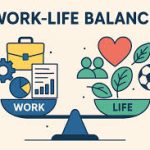
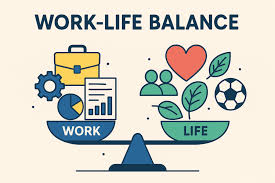
Finding work-life balance isn’t about a perfect 50/50 split. It’s about creating a life where work and personal time complement each other. It’s about feeling in control.
It’s about having energy for both. And importantly, it’s about having peace.
For experts, this often means reframing how we think about our value. Our worth isn’t solely tied to our output. It’s also about our well-being.
When we take care of ourselves, we become better experts. We are more creative. We make better decisions.
We are more resilient. This positive feedback loop is what true balance provides.
Putting It All Together: Your Action Plan
Start small. Pick one strategy to focus on this week. Maybe it’s time blocking your mornings.
Or perhaps it’s establishing a shutdown ritual. Don’t try to change everything at once. That can feel overwhelming and add to anxiety.
Small, consistent steps lead to big, lasting changes.
Remember that this is a journey. There will be good days and bad days. The goal is not to eliminate anxiety entirely.
It’s to manage it. To prevent it from controlling your life. Your expertise is a gift.
Learn to use it without letting the pressure dim your light. Your daily workflow can become a source of satisfaction, not stress.
Frequently Asked Questions
What is the main cause of expert anxiety?
Expert anxiety often comes from high expectations, both from yourself and others, and a fear of not living up to your perceived role or skill level. It can also be fueled by imposter syndrome, where you doubt your own accomplishments.
How can I stop worrying about work after hours?
Establish a clear shutdown routine at the end of your workday. This signals to your brain that work is over. Try tidying your workspace, making a list for tomorrow, or doing a short activity like a walk or meditation to transition your mind.
Is it normal for experts to feel anxious?
Yes, it’s very normal. The very nature of being an expert often means you’re in a position of responsibility and high expectations. This can naturally lead to feelings of pressure and anxiety about performance and outcomes.
What is the best way to manage a stressful workday?
The best way involves planning, setting boundaries, and practicing mindfulness. Try time blocking for focused work, taking short breaks, and using techniques like deep breathing to stay present. Knowing your triggers also helps you prepare.
Can mindfulness really reduce work anxiety?
Yes, mindfulness can be very effective. It helps you focus on the present moment rather than worrying about the past or future. By observing your thoughts and feelings without judgment, you can lessen their power and reduce anxious responses.
What’s the difference between stress and expert anxiety?
Stress is a general response to pressure. Expert anxiety is more specific; it’s linked to the pressure of maintaining a high level of skill or knowledge, often with a fear of failure or inadequacy in that expert role.
Final Thoughts on Finding Your Balance
Managing expert anxiety is about building a more resilient and balanced daily workflow. It’s about respecting your own capacity. It means creating space for rest and recovery.
Your expertise is a powerful tool. Learn to wield it with calm and confidence. You deserve peace in your work and life.