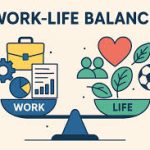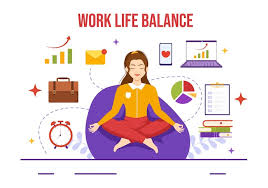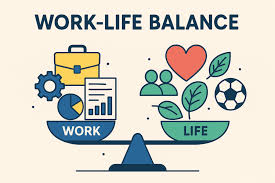
Beginner’s success anxiety is a common feeling of doubt and worry that arises after achieving a new goal or stepping into a more prominent role, often coupled with challenges in maintaining a healthy work-life balance. This article explores its roots and offers ways to navigate these feelings for lasting fulfillment.
Understanding Beginner’s Success Anxiety
This feeling isn’t about being ungrateful or not deserving your wins. It’s more about the pressure that comes with a new level. You’ve proven you can do one thing.
Now people expect you to keep doing it, maybe even better. This can feel like a huge weight.
Think about it. When you were just starting out, the stakes felt lower. Mistakes were seen as learning opportunities.
But once you’ve had a taste of success, those same mistakes can feel like failures. They might seem to prove the little voice right. This is where the anxiety really kicks in.
It’s like learning to ride a bike. The first few wobbly rides? A bit scary, but fun.
You fall, you get up. Then, you get good. You can zoom around.
Suddenly, you worry about falling in front of others. You worry about looking silly. The joy of riding can get a little lost in the fear of looking bad.
The Work-Life Balance Connection
Often, when we achieve success, especially early on, we tend to pour everything into it. We might work longer hours. We might skip social events.
We might let personal tasks slide. This is because we feel we have to prove ourselves constantly. We need to show everyone, and ourselves, that we earned this.
This all-in approach can be great for a short burst. But it’s not sustainable. Your energy levels dip.
Your relationships might suffer. Your health could be at risk. This is when work-life balance starts to crumble.
And when your personal life feels out of control, it can make your work anxiety even worse.
It becomes a bit of a cycle. You feel anxious about your success, so you work harder. Working harder means less time for life outside work.
This imbalance makes you feel more stressed and out of control, which then fuels more anxiety about your success.
My Own Wobbly Moment
I remember when my first book was published. It was a dream come true. I’d spent years writing it.
I held that physical copy in my hands, and it felt surreal. For a few days, I was on cloud nine. Then, the emails and messages started coming in.
Some were wonderful, full of praise.
But then came the reviews. Some were mixed. One even said it was “okay, but could be better.” My heart sank.
I’d poured so much of myself into it. Suddenly, that little voice started. “Maybe they’re right.
Maybe I’m not a good writer after all. What if my next book is worse?”
I found myself checking reviews constantly. I’d reread passages, picking them apart. I started thinking about the next book, but I was paralyzed.
The joy of having published was gone. It was replaced by a gnawing fear. I felt I had to live up to this one success, and I was terrified of failing.
During this time, I also noticed I wasn’t calling my friends much. I’d say “I’m too busy” or “I need to focus on writing.” My apartment was a mess. I was surviving on coffee and takeout.
The lines between my work, my passion, and my actual life had completely blurred. It was exhausting and isolating. I felt successful, but I wasn’t happy.
It was a stark lesson.
What “Success” Really Looks Like
The world often shows us a very narrow picture of success. It’s usually about big achievements, fancy titles, and lots of money. But true success feels different for everyone.
It’s more about feeling fulfilled and balanced. It’s about enjoying the journey, not just the destination.
For beginners, success might look like learning a new skill without constant frustration. It might be completing a project on time. It could be getting positive feedback from a mentor.
It doesn’t have to be a grand public declaration. Small wins build confidence.
It’s also important to remember that success isn’t a permanent state. It’s a series of moments. Some days will be easier than others.
Some projects will go smoother than others. Accepting this natural ebb and flow is key to long-term happiness. It helps reduce the pressure to be perfect all the time.
Normal vs. Concerning Signs
Normal Feelings:
- Occasional self-doubt after a win.
- A desire to keep learning and improving.
- Feeling a bit tired but still motivated.
- Enjoying the new challenges.
Concerning Signs:
- Constant worry about failing.
- Avoiding new tasks out of fear.
- Physical symptoms like headaches or stomach issues.
- Neglecting friends, family, or self-care.
- Feeling burnt out and losing interest.
Navigating the Anxiety: Practical Steps
So, how do we deal with this tricky mix of success and worry? It takes practice and patience. But there are simple things you can do.
First, acknowledge your feelings. It’s okay to feel anxious. Tell yourself, “This is a normal reaction when stepping into something new and important.” Just naming it can take away some of its power.
Next, reframe your thoughts. Instead of thinking “I have to be perfect,” try “I will do my best and learn as I go.” Instead of “What if I fail?” try “What can I learn from this experience, no matter the outcome?” This shift is powerful.
Talk about it. Share your feelings with a trusted friend, family member, or mentor. Often, just hearing “I feel that way too” can be incredibly comforting.
It reminds you that you are not alone in this experience.
Building a Healthier Work-Life Balance
This is where many people stumble. When success hits, work can easily take over. Here’s how to bring back balance:
Set Clear Boundaries. Decide on your work hours and stick to them as much as possible. When work is done, try to mentally switch off. This might mean closing your laptop and putting it away.
It could be turning off work notifications on your phone.
Prioritize Self-Care. This isn’t selfish; it’s essential. Make time for activities that recharge you. This could be exercise, reading, hobbies, or simply quiet time.
Even 15-30 minutes a day can make a big difference.
Schedule Downtime. Just like you schedule meetings, schedule time for rest and fun. Put it in your calendar. It could be a regular coffee date with a friend, a family movie night, or a weekend trip.
Protect this time fiercely.
Learn to Say No. You don’t have to take on every project or attend every optional meeting. Learn to evaluate opportunities based on your capacity and priorities. Saying no to something that doesn’t serve you means saying yes to your well-being.
Delegate When Possible. If you’re in a position to delegate tasks, do so. Trusting others can free up your time and energy. It also helps develop your team.
Quick Scan: Balance Boosters
| Action | Why it Helps | Example |
|---|---|---|
| Set Daily End Time | Creates a clear finish line. | Stop work at 5 PM sharp. |
| Schedule Breaks | Prevents burnout, boosts focus. | A 10-min walk every 2 hours. |
| Digital Detox | Reduces constant work pull. | No work emails after 7 PM. |
| Plan Fun | Gives something to look forward to. | Book a weekend hike. |
The Role of Mentorship and Support
Having someone who has walked this path before can be invaluable. A good mentor can offer perspective. They can share their own struggles and how they overcame them.
They can also provide honest feedback without judgment.
Consider joining professional groups or communities. Connecting with peers who are also navigating early success can create a powerful support network. You can share tips, celebrate wins, and commiserate during tough times.
This sense of shared experience can be very grounding.
Don’t underestimate the power of professional help. If anxiety is significantly impacting your life, talking to a therapist or counselor can provide you with tools and strategies to manage it effectively. They can help you uncover deeper patterns and build resilience.
Celebrating Small Wins
It’s easy to move from one success to the next, always looking ahead. But it’s crucial to pause and acknowledge your achievements. Take a moment to appreciate what you’ve done.
This doesn’t have to be a big party. It could be a nice dinner, a new book, or simply telling yourself, “I did a great job on that.” Recognizing your progress reinforces positive feelings and helps combat the anxiety that tells you you’re not good enough.
When you celebrate small wins, you build a positive feedback loop. This makes you feel more confident. It also helps you see that success isn’t just one big event, but a collection of many smaller, manageable achievements.
This view makes the overall journey feel less daunting.
Building Your Resilience Toolkit
Mindset Shift:
Label: Positive Affirmation
Note: Say “I am capable and learning” daily.
Action Plan:
Label: Time Blocking
Note: Schedule personal time like work meetings.
Social Support:
Label: Accountability Partner
Note: Check in with a friend about goals.
When is it Just “New Role Jitters”?
There’s a difference between normal nerves and overwhelming anxiety. If you’re experiencing brief moments of doubt but can still function, enjoy your successes, and maintain your personal life, you might just be dealing with the natural jitters of a new phase.
This often involves a learning curve. You’re figuring things out. You’re not expected to know everything immediately.
The key is that these feelings don’t paralyze you or consume your thoughts. You can bounce back relatively quickly and continue moving forward.
For example, starting a new project at work might bring a few days of feeling unsure about the best approach. But by the end of the week, you’ve researched, asked questions, and developed a plan. You feel ready to tackle it.
That’s a normal part of growth.
When to Seek Professional Help
If your anxiety is constant, intense, and starts to interfere with your daily life, it’s time to reach out for professional support. This includes things like:
- Difficulty sleeping or changes in appetite.
- Persistent feelings of sadness or hopelessness.
- Avoiding social situations or work responsibilities.
- Experiencing panic attacks.
- Feeling overwhelmed by simple tasks.
- Using unhealthy coping mechanisms like excessive drinking or isolation.
A mental health professional can help you understand the root causes of your anxiety. They can provide tailored strategies and support to help you manage these feelings. They can also help you develop healthier coping mechanisms.
Seeking help is a sign of strength, not weakness.
Signs it’s More Than Just Nerves
Scenario: Work demands increase after a promotion.
Normal Response: Feeling challenged but motivated. You might work a bit late for a week, but then settle into a rhythm. You still see friends on weekends.
Concerning Response: Feeling unable to cope. You dread going to work. You snap at loved ones.
You can’t sleep. You consider quitting, even though you love the job itself.
The Long Game: Sustaining Success and Well-being
True, lasting success isn’t just about the highs. It’s about building a life that supports your ambitions and your happiness. It’s about creating sustainable habits.
This means continuing to set boundaries, even when things are going well. It means making self-care a non-negotiable part of your routine. It means having a strong support system in place.
It also means practicing self-compassion. You will have off days. You will make mistakes.
That’s part of being human. Instead of beating yourself up, treat yourself with the kindness you would offer a friend.
Remember that your worth is not tied to your achievements. You are valuable just as you are. Your success is a part of your life, not the entirety of it.
By focusing on balance and self-care, you can enjoy your achievements without letting anxiety steal your joy.
The journey of success is often a marathon, not a sprint. Building resilience and a healthy life balance along the way will not only help you manage beginner’s anxiety but will also set you up for long-term fulfillment and happiness. Keep growing, keep learning, and most importantly, keep taking care of yourself.
Frequently Asked Questions
What is beginner’s success anxiety?
Beginner’s success anxiety is a feeling of worry or self-doubt that comes after achieving something new or important. It’s the fear that you can’t maintain this level of success or that you might fail. It often happens when stepping into a new role or achieving a significant goal.
Why does work-life balance get worse with success?
When you achieve something new, you might feel pressure to prove yourself further. This can lead to working longer hours, taking on more tasks, and neglecting personal time. This imbalance can make you feel more stressed and anxious, creating a difficult cycle.
How can I stop comparing myself to others?
Focus on your own journey and progress. Remind yourself that everyone’s path is different. Celebrate your own wins, no matter how small.
Practice gratitude for what you have and what you’ve achieved. It helps to limit exposure to social media if it triggers comparison.
What are some simple ways to set boundaries at work?
You can set clear times for when you start and finish work. Try to avoid checking emails outside of these hours. Learn to politely say no to requests that you don’t have the capacity for.
Communicate your limits to colleagues and managers.
Is it normal to feel scared after a big accomplishment?
Yes, it’s very normal. This feeling is often called imposter syndrome or beginner’s success anxiety. It happens because you’re entering new territory.
Your brain might be signaling caution. The key is how you manage these feelings so they don’t hold you back.
How often should I take breaks during the workday?
It’s good to take short breaks often. Aim for a 5-10 minute break every hour or so. Longer breaks, like a lunch break, are also essential.
These breaks help refresh your mind and prevent burnout, which can boost your overall productivity and well-being.
Conclusion
Navigating the waters of new success can bring both joy and a surprising amount of anxiety. Recognizing that these feelings are normal, and actively working on your work-life balance, are the first crucial steps. By building strong boundaries, prioritizing self-care, and seeking support, you can enjoy your achievements without letting them overwhelm you.