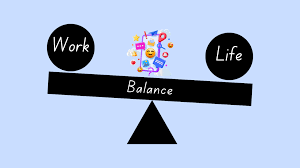

“Achieving a healthy work-life balance while growing your investments is about smart planning, realistic expectations, and understanding that your financial well-being supports your life, not the other way around.”
Understanding the Core of ROI Investing Anxiety
Let’s start with what’s actually going on. When we talk about ROI, it means Return on Investment. It’s the profit you make from your investments. This profit is usually shown as a percentage of the original cost. People focus on getting a good ROI. They want their money to work hard for them. They see it as a measure of success. Or a way to reach future goals. Things like retirement or buying a home.
But this focus can cause stress. Especially if returns aren’t what you expected. Or if the market is shaky. You might feel a constant pull to check your accounts. You might replay investment decisions in your head. This is where the anxiety begins to creep in. It’s not just about the numbers. It’s about what those numbers mean for your future. And your present.
Your brain links money to security. It links it to freedom. So, when your investments seem uncertain, your sense of security feels threatened. This is a natural human response. It’s not a sign that you’re doing something wrong. It’s just how our minds are wired to protect us. Even when the threat isn’t immediate.
Why You Might Feel This Way
Many things can fuel this anxiety. One big one is comparing yourself to others. Social media often shows only the wins. It doesn’t show the struggles. You might see friends talking about huge gains. This can make you feel like you’re falling behind. Even if your own progress is perfectly normal.
Another factor is the media. Financial news can be dramatic. It often highlights risks and downturns. This constant exposure can make you believe the world of investing is much riskier than it is. It’s like always focusing on the bad weather. You forget the sunny days.
Lack of clear goals also plays a part. If you don’t know why you’re investing, it’s hard to measure success. Are you saving for a down payment in five years? Or for retirement in thirty? Without clear targets, any ROI can feel insufficient. Or too risky.
My Own Wake-Up Call with Investment Worries
I remember a time, not too long ago, when the stock market took a nosedive. It was a Tuesday afternoon. I was on a video call for work. My phone buzzed. It was an alert from my investment app. My stomach dropped. I quickly opened it. The numbers were red. Very red.
My mind went into overdrive. All those carefully planned future trips. The dream of early retirement. It all felt like it was dissolving. I kept glancing at my phone under the table. My colleague on the call probably noticed. I was completely distracted. The anxiety was a knot in my chest.
Later that evening, I couldn’t shake it. I spent hours scrolling through financial news. Each article seemed to paint a scarier picture. I felt a creeping sense of doom. It made me snap at my partner. I wasn’t present. My whole evening was ruined by these numbers. I realized then how much power these worries had over me. It was affecting my relationships. And my ability to just enjoy life. That’s when I knew I needed a different approach.
What Different Investors Experience
The Day Trader’s Dread: Constant market checks. High stress. Short-term focus.
The Long-Term Saver’s Sigh: Less frequent checks. Trust in the plan. Focus on goals.
The New Investor’s Nerves: Unfamiliar with market swings. High emotion. Needs clear guidance.
The Real Numbers: What’s a “Good” ROI?
This is where we need to get practical. What does a “good” ROI even look like? It’s not a single number. It changes based on many things. These include the type of investment, the time frame, and the market conditions.
For many years, the stock market as a whole has returned about 10% per year on average. This is a commonly cited historical average. So, if you’re getting close to that over the long haul, that’s often considered good. But this is an average. Some years will be much higher. Some years will be lower. And some years will be negative.
Let’s say you invest $10,000.
If you get a 10% ROI in one year, you make $1,000. Your total is now $11,000.
If you get 10% again the next year, you make $1,100. Your total is $12,100.
This is called compounding. It’s how your money grows on itself.
But what if you get 5% one year and 15% the next?
Year 1: $10,000 * 1.05 = $10,500
Year 2: $10,500 * 1.15 = $12,075
This still leads to growth.
The key is consistency over time. Not big wins every single month. It’s crucial to remember that higher potential ROI usually comes with higher risk. Investments like individual stocks can have huge swings. They might return 30% one year. They might lose 20% the next. Bonds are generally less risky. They also tend to offer lower returns, maybe 4-6% on average.
Your personal situation matters most. If you need the money soon, you can’t afford high risk. You’d aim for safer investments. Even if the ROI is lower. If you have decades until you need the money, you can handle more risk. This allows for potentially higher ROIs.
Understanding Risk Tolerance
Your risk tolerance is how comfortable you are with the possibility of losing money. This is a huge part of setting realistic ROI expectations.
Low Risk Tolerance: You prefer stability. You’d rather get a small, steady return. You avoid investments that could lose value quickly. Think savings accounts, CDs, or very stable bonds. Your expected ROI might be 2-5%.
Medium Risk Tolerance: You can handle some ups and downs. You’re willing to take a bit more risk for potentially higher returns. You might invest in a mix of stocks and bonds. Your expected ROI might be 5-8%.
High Risk Tolerance: You’re okay with significant volatility. You aim for the highest possible returns. You understand you could lose a lot. You might invest heavily in stocks, including growth stocks or emerging markets. Your expected ROI could be 8-12% or more.
It’s not about being brave or scared. It’s about matching your investments to your comfort level. And your financial timeline.
Average Annual Returns: A Quick Look
| Investment Type | Typical Annual Return (Avg) | Risk Level |
| Savings Account | 0.5% – 1.5% | Very Low |
| Certificates of Deposit (CDs) | 1% – 4% | Low |
| Bonds (Government/Corporate) | 3% – 6% | Low to Medium |
| Index Funds (S&P 500) | 8% – 12% | Medium to High |
| Individual Stocks | Can vary widely (5% to 20%+) | High |
Work-Life Balance: More Than Just “Not Working”
Now, let’s talk about the other side of the coin: work-life balance. What does this really mean? It’s not just about having 8 hours free each day. It’s about feeling present and fulfilled in all areas of your life. This includes your work, your family, your friends, your health, and your hobbies.
When investment anxiety takes over, it shrinks your life. It makes you think about money constantly. It can take up mental space. This space is needed for other things. Things that make you happy. Things that recharge you.
A good work-life balance means you can:
Enjoy your time off without constant financial worries.
Be fully present with loved ones.
Pursue hobbies and interests that enrich your life.
Take care of your physical and mental health.
Feel a sense of control over your life, not just your portfolio.
It’s about creating a life where your investments support your well-being. They don’t dictate it. This means setting boundaries. It means prioritizing your time. And understanding that a rich life isn’t just about a big bank account.
The “Always On” Culture Problem
We live in a world that often glorifies being busy. We feel pressured to be constantly productive. This “always on” culture makes it hard to disconnect. Even when we’re not at our desks, our phones buzz. Emails come in. Social media beckons. This can extend to our financial lives too. We feel we always need to be tracking markets. Or learning about new investment strategies.
This constant engagement can lead to burnout. It blurs the lines between work, finances, and personal time. It makes it difficult to switch off. And when you can’t switch off, your anxiety has more room to grow. It feeds on your constant attention. It becomes harder to find joy in simple things.
Connecting ROI Anxiety and Your Work-Life Balance
These two concepts are deeply intertwined. Here’s how they affect each other:
Anxiety Steals Your Time: When you’re worried about your investments, you might spend hours researching. Or checking your portfolio. This time could be spent with family. Or exercising. Or just relaxing. Your investment anxiety is stealing precious life hours.
Anxiety Affects Your Decisions: Feeling anxious can lead to rash decisions. You might sell investments at the wrong time. Or buy into hype. These bad decisions can then worsen your financial situation. And increase your anxiety. It’s a vicious cycle.
Poor Balance Fuels Anxiety: If you’re already feeling stressed from overwork. Or lack of personal time. You’ll have less mental resilience. Market downturns might feel much worse. You’ll have fewer coping mechanisms.
Focus on the Wrong Metrics: If your work-life balance is off, you might try to “fix” it with money. You might think, “If I just make more money, I can buy my time back.” This can lead to taking on more risk. Or working even harder. It often backfires.
It’s like trying to water a plant by dousing it with water. You’re not giving it what it actually needs. You’re just adding more pressure. The goal is to have your finances support your life. Not to have your life revolve around your finances.
Myth vs. Reality: Investment Anxiety
Myth: If I’m not constantly checking my investments, I’ll miss out on huge opportunities.
Reality: For most long-term investors, set-it-and-forget-it strategies are more effective. Over-checking can lead to emotional mistakes.
Myth: A bad market day means I’ve lost all my progress.
Reality: Markets fluctuate. A single bad day or week is usually a temporary dip. Long-term trends matter more.
Myth: I need to be a financial genius to invest wisely.
Reality: Simple, diversified investment strategies (like index funds) are very effective and easy to manage.
Real-World Scenarios and Habits
Let’s paint a picture of how this plays out in everyday life.
Imagine Sarah. She works in marketing. She earns a good salary. She also has a 401(k) and a small brokerage account. When the market dips, she panics. She spends her evenings reading articles about crashes. She tells her husband they need to cut back on everything. She even considers pulling her money out. Her anxiety makes her question her long-term strategy. She’s losing sleep. Her weekends are filled with worry, not relaxation. Her “work-life balance” is skewed towards financial dread.
Then there’s Mark. He’s a teacher. He invests consistently in a broad market index fund. He checks his account maybe once a month. When the market goes down, he shrugs. He knows he’s got another 20 years until retirement. He focuses on his students. He enjoys his summers off. He plans weekend trips. He’s not making millions overnight. But he’s not losing sleep either. His financial plan supports his life. It doesn’t consume it.
The difference? It’s often about mindset and strategy. Sarah has a “reactive” approach driven by fear. Mark has a “proactive” approach driven by a plan. Sarah’s habits include constant checking and worry. Mark’s habits include consistent saving and infrequent review.
The Design of Our Financial Systems
Our financial systems, from retirement plans to investment apps, are designed to show us data. They often highlight performance in real-time. This constant feedback loop can be a double-edged sword. For some, it’s motivating. For many, it’s a source of anxiety.
Think about a fitness tracker. It tells you your heart rate, your steps, your calories burned. This can be great for health. But if you’re obsessed with hitting perfect numbers, it can become stressful. You might push yourself too hard. Or feel guilty if you miss a target.
Our investment apps are similar. They show us charts, graphs, and numbers that change constantly. They often have push notifications. These are designed to keep us engaged. But sometimes, this engagement tips into obsession. It can make us feel like we need to be in control of every tiny fluctuation.
What This Means for You: Normal vs. Concerning
It’s important to know when your feelings are normal. And when they might be signals for a change.
Normal Signs of Investment Concern:
A general feeling of unease when markets are volatile.
Occasional thoughts about your investment performance.
Wanting to understand your investments better.
Feeling motivated to save more after seeing market drops.
These are usually signs that you care about your financial future. This is a good thing!
Concerning Signs of Investment Anxiety:
Constant, intrusive thoughts about your investments that interfere with daily life.
Inability to sleep or relax due to financial worries.
Physical symptoms like headaches, stomachaches, or fatigue related to money stress.
Frequent, impulsive decisions to buy or sell based on fear or greed.
Avoiding social events or activities because of financial worries.
Neglecting other important areas of your life (health, relationships) to focus on money.
Feeling a sense of hopelessness about your financial future.
If you’re experiencing these concerning signs, it’s a clear indication that your ROI investing anxiety is negatively impacting your work-life balance. It’s a signal that your current approach isn’t serving you well.
Simple Checks You Can Do
Here are a few quick checks to see how you’re doing:
1. The “Weekend Test”: Can you go a full weekend without checking your investment accounts? If the thought terrifies you, that’s a flag.
2. The “Conversation Test”: Do your investment worries dominate your conversations with friends or family? If money is the only topic, it might be too much.
3. The “Present Moment Test”: When you’re with loved ones, or doing something you enjoy, how often do your investment thoughts intrude? If it’s often, your mind is stuck.
4. The “Goal Alignment Test”: Do your investment actions align with your stated life goals? Or do they seem driven by short-term market noise?
These simple checks can offer a clear snapshot of your mental state regarding your finances.
Investment Anxiety vs. Prudent Planning
Anxiety-Driven Behavior:
- Frequent, emotional trading.
- Panic selling during downturns.
- Obsessive market watching.
- Ignoring long-term strategy for short-term news.
Prudent Planning Behavior:
- Consistent, automated investing.
- Trusting a diversified, long-term strategy.
- Setting realistic ROI expectations.
- Reviewing the portfolio periodically (e.g., annually).
- Prioritizing financial education over speculation.
Quick Fixes & Tips for a Better Balance
You don’t need to overhaul your entire financial life overnight. Small, consistent changes can make a big difference.
1. Set a “No Investment Check” Schedule: Decide on specific times to look at your investments. Maybe once a month. Or even quarterly. Stick to it. Turn off notifications. Make a pact with yourself.
2. Automate Your Investments: Set up automatic transfers from your bank account to your investment accounts. This ensures you’re investing regularly without having to think about it. It also takes the emotion out of the decision to invest.
3. Focus on Your “Why”: Reconnect with your life goals. Why are you investing? Is it for a down payment? Retirement? Travel? Write these down. Keep them visible. Remind yourself that your investments are tools to achieve these goals, not the goals themselves.
4. Diversify Your Investments: Don’t put all your eggs in one basket. Spread your money across different types of assets (stocks, bonds, real estate, etc.). This reduces overall risk. It makes market swings less dramatic for your entire portfolio. Index funds are a great way to achieve broad diversification easily.
5. Define “Enough”: What financial outcome would allow you to feel secure and relaxed? Work with a financial advisor to set realistic targets. Knowing you have “enough” can significantly reduce anxiety.
6. Prioritize Your Well-being: Schedule time for activities that recharge you. Exercise, hobbies, time with loved ones. Treat these commitments as seriously as any work meeting. Your mental and physical health are crucial for making good financial decisions.
7. Seek Professional Advice: A good financial advisor can help you create a plan tailored to your goals and risk tolerance. They can also provide a steady, objective perspective during market volatility. This can be incredibly valuable for peace of mind.
8. Embrace Imperfection: No one has a perfect investment journey. There will be ups and downs. Focus on progress, not perfection. Learn from mistakes. And move forward.
These tips aren’t about becoming a passive investor. They’re about becoming a mindful investor. One who uses their money to build a better life, not a life consumed by money.
The Power of a Financial Plan
A solid financial plan is your roadmap. It’s more than just a list of investments. It outlines your goals, your timeline, your risk tolerance, and your strategy for getting there. When you have a clear plan, market noise becomes less distracting. You have a framework to judge decisions against.
For instance, if your plan states you want to retire in 30 years and are invested in diversified stock funds, a market downturn in year 5 is less alarming. You have ample time to recover. Your plan guides you to stay the course. Without a plan, that same downturn can feel like a disaster.
Consider your plan your financial compass. It helps you navigate through choppy waters. It reminds you of your destination. This reduces the urge to make hasty turns based on every wave.
Frequently Asked Questions
How can I reduce my anxiety about investment returns?
To reduce anxiety about investment returns, focus on a long-term strategy. Automate your investments to remove emotional decision-making. Diversify your portfolio across different asset types.
Set realistic expectations based on historical averages, not just media hype. And importantly, schedule regular “no investment check” periods to give your mind a break.
What is a “healthy” work-life balance when you’re investing?
A healthy work-life balance means you feel fulfilled and present in all areas of your life. For investors, this means your financial planning supports your life, rather than consuming it. It involves setting boundaries around when you think about money.
It means enjoying your downtime without constant financial worry. And ensuring your investments help you reach life goals, not become the sole focus.
Is it normal to worry about losing money in the stock market?
Yes, it’s completely normal to worry about losing money in the stock market. Markets are unpredictable, and money is tied to our sense of security. The key is managing this worry.
If the worry becomes constant or interferes with your daily life, it’s a sign your approach needs adjustment. Normal worry is a healthy caution; overwhelming anxiety is a signal for change.
How does compounding interest affect my long-term investment anxiety?
Compounding interest can actually help reduce long-term investment anxiety by demonstrating the power of consistent growth over time. Seeing your money grow on itself can build confidence in your strategy. It shifts focus from short-term market dips to the steady, long-term upward trend that compounding creates.
This long-term perspective often alleviates immediate fears.
What are some simple investment strategies that reduce anxiety?
Simple strategies that reduce anxiety include using low-cost index funds or ETFs. These offer broad diversification automatically. Another is dollar-cost averaging, where you invest a fixed amount regularly, buying more shares when prices are low and fewer when high.
Automating these investments also removes decision stress.
When should I consider talking to a financial advisor about my investment anxiety?
You should consider talking to a financial advisor if your investment anxiety is constant, significantly impacts your well-being, or leads to poor financial decisions. If you’re unsure about your investment strategy, feel overwhelmed by market news, or struggle to balance your finances with life, an advisor can provide objective guidance and create a personalized plan.
Conclusion
Finding the sweet spot between growing your wealth and enjoying your life is a journey. It’s about understanding that your finances are a tool. They are meant to support a life you love. Not to be the sole driver of your happiness. By focusing on smart, consistent strategies. By setting realistic expectations. And by prioritizing your well-being. You can reduce that nagging ROI investing anxiety. You can build a healthier work-life balance. Remember, a truly rich life is about more than just numbers. It’s about peace of mind and meaningful experiences.