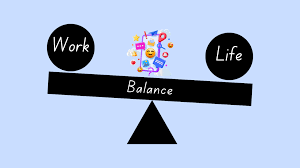
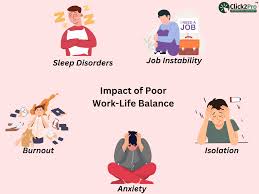
Managing feelings of failure, reducing anxiety, and achieving a healthy work-life balance are common challenges. This article explores how these aspects connect and offers practical ways to navigate them for a more fulfilling life.
Understanding Setbacks and Anxiety
We all face moments that feel like failures. Maybe a project didn’t succeed. Perhaps you missed a promotion.
These events can feel big. They can make you question your abilities. That’s a normal reaction.
But when these feelings linger, they can turn into something else. They can become anxiety. Anxiety is that constant worry or nervousness.
It can feel like a tight knot in your stomach. It can make it hard to focus. It can also make you feel tired all the time.
Your mind races with “what ifs.” You might replay the mistake over and over. This is common.
Many people feel this way. They worry about letting others down. They worry about their job security.
They might even worry about what friends and family think. This stress doesn’t just stay at work. It follows you home.
It can make it hard to enjoy your evenings or weekends. You might feel restless. Sleep can be difficult.
Even simple tasks can feel overwhelming when you’re anxious.
It’s important to know that these feelings are not a sign of weakness. They are signs of being human. They are signs that you care about your work and your life.
The key is not to stop feeling them. The key is to learn how to manage them. We need ways to cope.
We need ways to bounce back. We also need ways to protect our personal time. This balance is crucial for our well-being.
Think about a time you messed up. It felt bad, right? You might have stayed up late thinking about it.
You might have felt a knot in your chest. That’s the anxiety creeping in. It’s your mind trying to protect you.
It’s trying to make sure you don’t make the same mistake again. But sometimes, it goes too far. It starts to cause more harm than good.
It stops you from moving forward. It stops you from enjoying other parts of your life.
So, what’s really going on inside? When we face a setback, our brain can go into a kind of alert mode. It signals danger.
This is a natural survival response. But in today’s world, our ‘dangers’ are often not life-threatening. They are job-related or social.
Still, our bodies react. They release stress hormones. This can make us feel jumpy or worried.
It can make our hearts beat faster. We feel this physical tension. It’s linked to the mental worry.
The difficulty is that these feelings can become a cycle. A small setback might cause some worry. That worry might make you perform less well.
That less-than-perfect performance could be seen as another failure. Then, the worry grows. It becomes harder to break the cycle.
This is where the work-life balance starts to suffer. Your work thoughts take over your free time. Your home life feels like an afterthought.
My Own Struggle with a Project Gone Wrong
I remember one particular instance. I was leading a new project. It was a big deal.
Lots of people were counting on it. We worked for months. Long hours were the norm.
I felt a lot of pressure. Then, right before the deadline, a major issue popped up. It wasn’t something we saw coming.
We tried to fix it. But we couldn’t. The launch had to be delayed.
It felt like a total disaster. My stomach dropped.
The next few days were a blur of meetings and apologies. I felt like a failure. The anxiety was intense.
I couldn’t sleep. Every time I closed my eyes, I saw the project plan failing. I replayed every decision I had made.
Was there something else I could have done? Could I have foreseen this? The worry gnawed at me.
It made me irritable.
At home, I was a mess. My family noticed. I was quiet and distant.
I couldn’t switch off. Even when I was with them, my mind was back at the office. I was worried about my job.
I was worried about my reputation. I felt so drained. I looked forward to the weekend, but when it came, I just felt restless.
I couldn’t enjoy my hobbies. I couldn’t relax. It felt like the failure had taken over my whole life.
I knew I needed to find a way to cope. I didn’t want to feel this way anymore. It was impacting everything.
This personal experience showed me how deeply setbacks can affect us. It’s not just about the work itself. It’s about how we process it.
It’s about the emotional and mental toll it takes. And it’s about how it can invade our personal space if we let it. I felt this urge to hide.
I wanted to disappear until the feeling of shame went away. But that’s never the answer. We have to face these things.
We have to find strategies to deal with them. We have to learn to separate our worth from a single outcome.
The feeling of being a failure can be isolating. You might think you’re the only one. You might see others who seem to handle things so easily.
But the truth is, everyone struggles. Everyone has moments they wish they could redo. The difference is often in how they respond.
Do they let it crush them? Or do they learn from it and move on? My journey through that tough time taught me a lot.
It taught me the importance of self-compassion. It taught me to seek support. And it showed me the power of setting boundaries between work and life.
Breaking the Cycle: A Quick Look
The Cycle:
- Setback Occurs
- Feelings of Failure Arise
- Anxiety and Worry Grow
- Performance May Suffer
- More Setbacks (or perceived ones)
Breaking It Requires:
- Acceptance of the event
- Self-kindness
- Learning from the experience
- Focusing on what you can control
- Protecting personal time
The Science Behind Anxiety and Performance
When we feel anxious, our bodies go through some changes. This is controlled by our nervous system. The sympathetic nervous system kicks in.
It’s like a car’s accelerator. It gets us ready to fight or flee. Your heart beats faster.
Your breathing gets shallow. Your muscles tense up. This is good for short bursts of danger.
But when it stays on, it wears you down.
For work, too much anxiety can hurt your performance. Your focus gets scattered. You might make more mistakes.
Your creativity can decrease. Your problem-solving skills might feel dulled. It’s like trying to drive a car with the brakes on.
You can’t move as fast or as smoothly. Your brain is using a lot of energy just to manage the stress. There’s less energy left for doing your job well.
This is a big reason why work-life balance is so important. When you’re constantly stressed, you can’t perform at your best. Your brain needs rest.
Your body needs rest. Your mind needs space to think clearly. When you step away from work, you give yourself a chance to reset.
You can recharge your batteries. This makes you more effective when you return.
Think about it like this: A computer that runs too many programs at once will slow down. It might even crash. Your brain is similar.
If it’s always running the “worry program” from work, it can’t run other programs well. It can’t run the “relax program” or the “enjoy family program.” This leads to burnout. Burnout is that feeling of being completely exhausted.
It’s emotionally, physically, and mentally drained. It’s a serious consequence of poor work-life balance and unmanaged anxiety.
Research shows that chronic stress can even change your brain over time. It can affect memory. It can affect your ability to regulate emotions.
This is why dealing with anxiety early is so vital. It’s not just about feeling better day-to-day. It’s about protecting your long-term cognitive and emotional health.
Understanding these biological effects can help us take it seriously. It shows us that managing anxiety is not a luxury. It’s a necessity for health and performance.
The impact of anxiety can also extend to our social interactions at work. We might become withdrawn. We might snap at colleagues.
We might avoid important conversations. This can damage our relationships and career progression. When we are calm and centered, we are more likely to be approachable.
We can communicate better. We can collaborate more effectively. The goal is to use our energy for productivity, not for self-preservation from our own thoughts.
Common Anxiety Triggers at Work
- Heavy Workload: Too much to do, not enough time.
- Tight Deadlines: Pressure to finish tasks quickly.
- Fear of Failure: Worry about making mistakes or not meeting expectations.
- Interpersonal Conflicts: Problems with bosses or colleagues.
- Lack of Control: Feeling like you can’t influence decisions or outcomes.
- Unclear Expectations: Not knowing what is expected of you.
- Job Insecurity: Worry about losing your job.
What a Healthy Work-Life Balance Looks Like
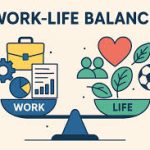
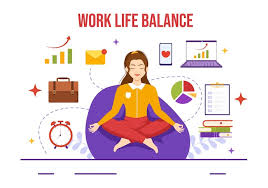
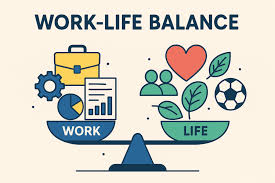
Work-life balance isn’t about a perfect 50/50 split every single day. It’s more about feeling a sense of control and satisfaction in both areas. It means having enough energy and time for your job.
It also means having enough energy and time for your life outside of work. This includes family, friends, hobbies, and rest.
When you have good balance, you feel more present. You can focus on your work when you need to. Then, you can truly switch off when you’re done.
Your mind isn’t constantly replaying work tasks. You can engage with your loved ones. You can enjoy your downtime.
You feel less drained and more energized overall. This improved energy can actually make you better at your job.
It’s also about having boundaries. Boundaries are like a fence. They protect your personal space.
This means saying “no” sometimes. It means not checking emails late at night. It means not taking on every single project if it means sacrificing your well-being.
It’s about making conscious choices about where your time and energy go.
A good balance helps prevent burnout. It reduces stress. It can even improve your physical health.
People with better balance tend to exercise more. They eat better. They get more sleep.
These healthy habits further boost their well-being. It creates a positive feedback loop. Instead of stress making you unhealthy, health makes you more resilient to stress.
Think about a typical week. Does it feel like work takes over everything? Are you always rushing?
Do you feel like you’re just surviving until the next day? If so, your balance might be off. A balanced week would feel more sustainable.
You’d have moments of challenge at work. But you’d also have genuine moments of joy and relaxation outside of work. You’d feel like you’re living your life, not just working through it.
It’s also important to note that balance can change. What works for you now might not work in a year. Your job demands might shift.
Your personal life might change. The key is to be flexible. Regularly check in with yourself.
Ask: “Am I feeling good about my balance right now?” If not, what small adjustments can I make?
The concept of “balance” can sometimes feel like another thing to achieve perfectly, adding pressure. Perhaps a better way to think about it is integration or harmony. It’s about weaving your work life and your personal life together in a way that feels sustainable and fulfilling.
It’s about having the flexibility to lean into one when needed, and then being able to pull back and nurture the other.
Signs of a Healthy Work-Life Balance
- Feeling energized: You have energy for both work and personal life.
- Present in the moment: You can focus on what you’re doing, at work or home.
- Enjoying free time: You look forward to and enjoy your non-work activities.
- Healthy relationships: You have time and energy for loved ones.
- Good sleep: You sleep well without constant work worries.
- Reduced stress: You feel calmer and less overwhelmed.
- Sense of control: You feel like you manage your time, not the other way around.
Strategies for Building Resilience
Resilience is your ability to bounce back from difficult times. It’s like a muscle. The more you use it and train it, the stronger it gets.
When you face setbacks, resilience helps you not get stuck. It helps you learn and keep moving forward.
One key strategy is practicing self-compassion. This means being kind to yourself. When something goes wrong, try talking to yourself like you would a good friend.
You wouldn’t yell at a friend for making a mistake. You’d offer support. Do the same for yourself.
Recognize that everyone makes mistakes. It’s part of learning.
Another important strategy is reframing your thoughts. When you have a negative thought, like “I’m terrible at this,” try to change it. Ask yourself: “Is this really true?” Or, “What can I learn from this?” Maybe the thought can become, “This was a tough situation, but I learned X about Y.” This shifts your focus from blame to learning.
Building a strong support network is also crucial. Talk to trusted friends, family members, or colleagues. Sharing your feelings can lighten the load.
They might offer advice or just a listening ear. Knowing you’re not alone makes a big difference. Sometimes, just voicing your worries can make them feel less powerful.
Focusing on what you can control is another powerful tool. When a situation feels overwhelming, break it down. Identify the things you can influence.
Work on those. Let go of the things you can’t change. This gives you a sense of agency and reduces feelings of helplessness.
Physical health plays a huge role too. Getting enough sleep, eating nutritious food, and exercising regularly build your body’s ability to handle stress. When your body is strong, your mind is also more resilient.
These are not optional extras; they are foundational to dealing with life’s challenges.
Learning new skills can also boost resilience. When you learn something new, whether it’s a work skill or a hobby, you build confidence. You prove to yourself that you can grow and adapt.
This sense of growth makes you feel more capable of handling future challenges.
Finally, mindfulness and meditation can be very helpful. These practices help you become more aware of your thoughts and feelings without judgment. They teach you to observe your worries instead of being swept away by them.
This creates a mental space. It allows you to respond to situations more calmly and thoughtfully.
Resilience Quick Tips
- Practice self-kindness: Treat yourself with the same care you’d give a friend.
- Reframe negative thoughts: Turn “I failed” into “I learned.”
- Talk to someone: Share your worries with trusted people.
- Focus on control: Work on what you can change, accept what you can’t.
- Prioritize health: Eat well, sleep enough, move your body.
- Learn something new: Build confidence through new skills.
- Be mindful: Observe your thoughts without getting carried away.
Practical Steps for Reducing Anxiety
Reducing anxiety involves a mix of immediate coping strategies and longer-term habits. Let’s look at some practical steps you can take right now.
1. Deep Breathing Exercises: When you feel anxiety rising, take a moment to breathe deeply. Inhale slowly through your nose, filling your belly.
Exhale slowly through your mouth. Repeat this several times. This signals your body to calm down.
It’s a simple tool you can use anywhere.
2. Mindfulness and Grounding: Focus on your senses. What do you see?
What do you hear? What do you feel? This brings you back to the present moment.
It pulls you away from worried thoughts about the past or future. You can hold an object and describe its texture, color, and shape. This is grounding.
3. Break Down Tasks: If a large project feels overwhelming, divide it into smaller, manageable steps. Focus on completing just one step at a time.
Celebrate each small win. This makes the overall task feel less daunting and reduces anxiety about completion.
4. Schedule Worry Time: If you find yourself worrying constantly, try setting aside a specific time each day for worrying. Tell yourself, “I will worry about this from 4:00 PM to 4:15 PM.” When a worry pops up outside this time, jot it down and tell yourself you’ll deal with it during your scheduled worry time.
This can help contain anxious thoughts.
5. Limit Caffeine and Alcohol: These substances can worsen anxiety symptoms for some people. Reducing your intake, especially in the afternoon and evening, can lead to calmer feelings.
6. Gentle Movement: Light physical activity, like a short walk, can work wonders. It releases endorphins, which are natural mood boosters.
It also helps burn off excess nervous energy.
7. Journaling: Writing down your thoughts and feelings can be very therapeutic. It helps you process your emotions.
It can also help you identify patterns in your anxiety. Seeing your worries on paper can make them feel less powerful.
8. Professional Help: If anxiety is significantly impacting your life, don’t hesitate to seek professional help. A therapist can provide tools and strategies tailored to your specific needs.
This is a sign of strength, not weakness.
Remember, these steps are tools. They work best when used consistently. It might take some experimentation to find what works best for you.
Be patient with yourself as you learn and adapt.
Quick Anxiety Relief Techniques
- Deep Breathing: Slow, steady breaths to calm your nervous system.
- 5-4-3-2-1 Method: Name 5 things you see, 4 things you touch, 3 things you hear, 2 things you smell, 1 thing you taste.
- Task Chunking: Break big tasks into small, doable steps.
- Scheduled Worry: Designate a specific time to think about worries.
- Hydration & Nutrition: Drink water and eat balanced meals. Avoid excessive caffeine.
- Movement Break: A short walk can shift your mood.
- Gratitude Practice: Think of three things you are thankful for.
Establishing Healthy Work-Life Boundaries
Setting boundaries is essential for protecting your mental and emotional well-being. It’s about creating clear lines between your work life and your personal life. This isn’t always easy, but it’s crucial for preventing burnout and maintaining balance.
1. Define Your Work Hours: Decide when your workday starts and ends. Communicate these hours to your colleagues and supervisors.
Try your best to stick to them. This means resisting the urge to check emails or take calls outside of these times.
2. Create a Dedicated Workspace: If possible, have a specific area in your home for work. When your workday is over, leave that space.
This physical separation helps your brain switch off from work mode. If you can’t have a separate room, try to pack away your work materials at the end of the day.
3. Communicate Your Availability: Let people know when you are and aren’t available. You can set your status on communication apps.
You can also have an out-of-office message for emails that clearly states when you’ll respond. This manages expectations.
4. Learn to Say “No”: It’s okay to decline extra tasks if you are already overloaded. Saying yes to everything can lead to stress and resentment.
Politely explain that you don’t have the capacity right now. Suggest an alternative if possible, like helping with a smaller part or suggesting someone else.
5. Schedule Personal Time: Just as you schedule work meetings, schedule time for yourself, your family, and your hobbies. Treat these commitments as equally important.
Put them in your calendar. This ensures they don’t get pushed aside.
6. Digital Detox: Set times when you won’t look at work-related technology. This could be during meals, for an hour before bed, or for an entire weekend day.
This allows your mind to rest and recharge.
7. Transition Rituals: Create a routine to signal the end of your workday. This could be anything from going for a walk, listening to music, or doing a short meditation.
This helps you mentally disconnect from work and transition into your personal time.
These steps require practice and consistency. You might face resistance or feel guilty at first. But over time, you’ll find that setting boundaries actually makes you more productive and happier.
It’s an investment in your overall well-being.
Boundary Setting Checklist
- Do I have clear work start and end times?
- Is my workspace separate from my living space (if possible)?
- Do people know when I am and am not available?
- Am I able to say “no” when necessary?
- Is personal time scheduled in my calendar?
- Do I have times when I disconnect from work technology?
- Do I have a ritual to end my workday?
The Link Between Failure, Anxiety, and Work-Life Balance
These three concepts are deeply interconnected. When you experience something that feels like a failure, it often triggers anxiety. This anxiety then makes it harder to switch off from work.
Your mind stays stuck on the setback. This erodes your work-life balance. You start to think about work constantly.
Your personal time gets invaded.
Conversely, a poor work-life balance can make you more prone to anxiety. If you’re always stressed and exhausted, you have less emotional reserve. Small problems can feel like huge failures.
You’re more likely to ruminate and worry. You might not have the energy to cope effectively with challenges. This can then lead to more perceived failures and more anxiety.
The core issue is often how we perceive and react to events. A true failure is rare. Most often, it’s a setback, a learning experience, or an unexpected outcome.
Our reaction—the anxiety we feel—is what can turn it into a crisis. And our inability to separate work from life allows that crisis to consume us.
Consider a project that didn’t go as planned. If you have a good work-life balance, you might feel disappointed. You might reflect on what went wrong.
But then you’ll go home, spend time with your family, and recharge. You’ll come back the next day with a clearer head, ready to learn and move forward. Your overall well-being isn’t shattered.
However, if your work-life balance is poor, that same project setback can feel devastating. You might ruminate on it all night. You might feel constant dread about your job.
You might start to doubt your entire career path. This intense anxiety can make it even harder to get back on track. It can lead to more mistakes.
The cycle repeats. This is how a single challenging event can unravel your entire sense of equilibrium.
Recognizing this interconnectedness is the first step. It helps you see that addressing one area can positively impact the others. For example, by improving your work-life balance, you might naturally reduce your anxiety.
This reduced anxiety could make you more resilient to setbacks, making them feel less like failures. It’s a positive feedback loop.
The goal is not to eliminate failure or anxiety entirely, as that’s unrealistic. The goal is to build the capacity to navigate these experiences with greater ease. It’s about developing coping mechanisms and establishing habits that support your well-being, even when things get tough.
It’s about fostering a life where work is a part, but not the entirety, of who you are.
What This Means for You
Understanding the links between failures, anxiety, and work-life balance means you have the power to make changes. It’s not about waiting for external circumstances to improve. It’s about taking internal steps.
When it’s Normal: It is absolutely normal to feel disappointed after a setback. It is normal to feel a bit anxious when facing challenges. It is also normal for work to take up a significant amount of your time.
The key is how long these feelings last and how much they disrupt your life.
When to Worry: You might need to worry if these feelings are constant. If you feel anxious most days. If you can’t sleep due to work worries.
If you’ve lost interest in activities you used to enjoy. If work stress is affecting your health or relationships significantly. If you feel completely overwhelmed and can’t see a way out, it’s time to seek help.
Simple Checks:
- Daily Check-in: How do you feel right now? Rate your anxiety on a scale of 1-10.
- Work Boundaries: Did you stick to your planned work hours today?
- Personal Time: Did you do something enjoyable for yourself today?
- Reflection: Did you learn one thing today, even from a mistake?
These simple checks can help you stay aware of your internal state and your balance. They are not about judgment, but about awareness. Awareness is the first step toward making positive adjustments.
Quick Tips for Better Days
Small changes can make a big difference over time. Here are some quick tips to help you navigate your days with more ease:
- Start Your Day Right: Avoid checking work emails first thing. Instead, do something for yourself – stretch, read, or enjoy a quiet breakfast.
- Take Micro-Breaks: Every hour, stand up and move for a minute. Stretch, look out a window, or grab a glass of water.
- Prioritize Sleep: Aim for 7-9 hours of quality sleep. It’s your body’s primary recovery tool.
- Nourish Your Body: Eat balanced meals and stay hydrated. What you eat affects your mood and energy.
- Connect With Others: Make time for simple conversations with loved ones. A quick chat can boost your spirits.
- Celebrate Small Wins: Acknowledge your accomplishments, no matter how small. This builds positive momentum.
- Plan One Fun Thing: Schedule something enjoyable each day or week, even if it’s just watching a favorite show.
- Limit News and Social Media: Constant exposure to negative information can increase anxiety. Be mindful of your consumption.
Frequently Asked Questions
How can I stop feeling like a failure after a mistake at work?
It’s helpful to remember that mistakes are learning opportunities. Try to reframe the situation. Instead of thinking “I failed,” ask yourself “What can I learn from this?” Practice self-compassion by treating yourself with kindness, just as you would a friend.
Focus on the lessons learned and how you can apply them in the future. Building resilience helps you bounce back.
What are the first signs that my work-life balance is too poor?
Common signs include feeling constantly tired, irritable, or overwhelmed. You might have trouble sleeping or find yourself thinking about work all the time, even on weekends. Loss of interest in hobbies, strained relationships, and physical symptoms like headaches or stomach issues can also indicate poor balance.
Is it normal to feel anxious about my job performance?
Yes, it is normal to feel some anxiety about job performance. It can even be a motivator to do well. However, if the anxiety is constant, intense, and starts to interfere with your ability to do your job or enjoy your life, it may be a sign of a more significant issue that needs attention.
How much “downtime” do I really need each day?
The amount of downtime needed varies from person to person. The goal is to feel rested and recharged. For some, this might mean 30 minutes of quiet reading.
For others, it could be a few hours of engaging in a hobby or spending time with family. Listen to your body and mind. What helps you feel refreshed?
Can I improve my work-life balance even if my job has long hours?
Yes, it is possible. While long hours present challenges, focus on efficiency and boundaries within those hours. Prioritize tasks, learn to delegate, and set clear start/end times as much as your role allows.
Communicate your needs. Even small pockets of intentional downtime or protected personal time can make a difference.
What if I can’t seem to shake off negative thoughts about my work?
If negative thoughts are persistent and intrusive, consider seeking professional help. A therapist can teach you cognitive-behavioral techniques to challenge and reframe these thoughts. Mindfulness practices can also help you observe these thoughts without getting caught up in them.
Building a strong support system is also beneficial.
Conclusion
Navigating setbacks, managing anxiety, and finding a healthy work-life balance are ongoing journeys. It takes awareness, practice, and self-compassion. Remember that you are not alone in these struggles.
By implementing small, consistent changes, you can build resilience, reduce stress, and create a more fulfilling life both in and out of work.