It’s a common feeling. You have a fantastic idea. A side project you’re passionate about.
It starts with excitement. But soon, it can feel like a weight. This is often called side project anxiety.
It’s when your passion project causes stress. It can mess with your work-life balance. Let’s dive into how to handle this.
We want to find a happy medium.
Finding a balance between your main job, personal life, and a passionate side project is key to avoiding burnout. This guide explores the common causes of side project anxiety and offers practical ways to manage your time and energy effectively. It helps you keep your side project a source of joy, not stress.
What is Side Project Anxiety?
Side project anxiety is that nagging worry. It’s about your side hustle or passion project. You might feel guilty when you’re not working on it.
Or maybe you worry it’s not good enough. It can make you feel overwhelmed. It steals your joy.
This feeling is very real for many people.
Your main job might suffer. Or your family time gets cut short. This happens because your mind is always on the project.
You might also worry about the future. Will it ever make money? Is it worth the effort?
These thoughts can create a lot of unease.
Most people start side projects for fun. Or to learn new things. They want to build something cool.
But when it starts to feel like a chore, something is off. That’s when anxiety can creep in. It’s like your hobby becomes a second job you didn’t ask for.
It’s important to notice these feelings.
It’s not just about being busy. It’s about the mental load. The constant thinking.
The pressure to succeed. Even if success is just finishing it. This mental pressure is a big part of side project anxiety.
It drains your energy. It can make you feel stuck.
Why Does Side Project Anxiety Happen?
Several things can cause this anxiety. One big reason is a lack of clear goals. When you don’t know what you’re aiming for, it’s easy to feel lost.
This can lead to constant tweaking. Or feeling like you’re not making progress. Progress feels important.
Without it, doubt sets in.
Another cause is trying to do too much. Many side projects have big dreams. You want to build a whole business.
Or create a masterpiece. You might take on too many tasks at once. This feels impossible.
It leads to feeling behind. And that fuels anxiety.
Comparing yourself to others is also a killer. You see amazing side projects online. They look perfect.
They seem to grow so fast. This comparison game is tough. It makes your own progress feel slow.
Or not good enough. Social media often shows the highlight reel. Not the hard work or struggles.
Fear of failure plays a role too. What if you invest time and it doesn’t work out? What if people don’t like it?
This fear can stop you. Or make every small step feel monumental. You start to overthink things.
You worry about every decision.
Perfectionism is a big factor. You want everything to be just right. This can lead to endless revisions.
You spend ages on one small part. The project never feels finished. This traps you.
It makes it hard to move forward. It adds a lot of stress to your life.
Finally, poor time management. You have a main job. You have family.
You have friends. And then you have your side project. If you don’t plan your time well, it all clashes.
You end up sacrificing sleep or fun. This imbalance makes you tired. And anxious.
Common Triggers of Side Project Anxiety
- Unclear project goals
- Overambitious scope
- Social media comparisons
- Fear of not succeeding
- The trap of perfectionism
- Lack of a schedule
- Ignoring personal needs
- Not celebrating small wins
My Own Battle with Project Pressure
I remember when I first started my writing side project. It was just for fun. I loved crafting stories.
I wanted to share them. I had this amazing idea for a series of blog posts. I spent weeks outlining.
I researched every word. I wanted it to be perfect. I had this image in my head of how great it would be.
Then, life happened. My main job got busy. My kids needed more attention.
I’d sit down to write, but my mind was elsewhere. I’d feel a pang of guilt. Why wasn’t I writing?
I’d check my project file. It still looked unfinished. This made me feel worse.
The joy started to fade. It became a source of pressure.
I started dreading the evenings. Instead of relaxing, I’d feel this pull. This need to do something for the project.
Even if I didn’t have the energy. I’d scroll through other blogs. Seeing their polished posts made me feel inadequate.
Mine felt messy. And incomplete. It felt like a constant race I was losing.
That feeling was exhausting. It really shook my confidence.
One night, I was staring at my laptop. The cursor blinked on a blank page. I felt this wave of panic.
What was I even doing? This wasn’t fun anymore. It was a burden.
I remember just closing the laptop. I felt defeated. I realized I had turned something I loved into a source of stress.
It wasn’t the project itself. It was how I was approaching it. I needed a better way to manage my time and my mind.
Understanding Your Work-Life Balance
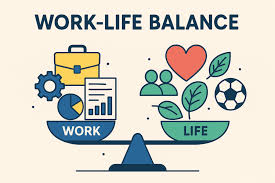
Work-life balance isn’t about splitting your time perfectly. It’s about feeling good. It’s about having energy.
It’s about not feeling guilty. It means your main job, your side project, and your personal life all fit. They fit without causing you to break.
Think of it like a pie. Your main job gets a slice. Your family gets a slice.
Your friends get a slice. Your hobbies and rest get slices too. A side project can be a slice.
But it shouldn’t eat up all the other slices. If it does, the pie is ruined. And so are you.
When you have good balance, you feel refreshed. You can focus better at your main job. You enjoy your time with loved ones.
Your side project feels like a creative outlet. Not a looming obligation. It’s a state of being.
Not a rigid schedule.
Many people struggle with this. Especially with passion projects. We want them to succeed so badly.
We pour our hearts into them. But we forget that we are important. Our well-being matters most.
If you’re burnt out, your project suffers. And your life suffers.
This balance is always shifting. Some weeks your job is crazy. So you might do less on your side project.
Other times, your project might need more focus. The key is flexibility. It’s about checking in with yourself.
Are you happy? Are you energized? Or are you drained?
It’s not about sacrificing. It’s about integrating. How can your side project add to your life?
Instead of taking away from it? That’s the goal. Achieving true work-life balance is an ongoing process.
It takes practice. And self-awareness.
Elements of Healthy Work-Life Balance
- Adequate Rest: Getting enough sleep is crucial.
- Personal Time: Time for hobbies, relaxation, and self-care.
- Social Connection: Spending quality time with loved ones.
- Work Boundaries: Clear separation between work and personal life.
- Mindful Project Engagement: Working on your side project with focus, not obsession.
- Flexibility: Adapting your schedule as needed.
- Joyful Pursuits: Ensuring your activities bring happiness.
Setting Realistic Goals for Your Side Project
This is a huge step in fighting side project anxiety. When goals are too big, they feel impossible. This leads to frustration.
Make your goals small. Make them clear. And make them achievable.
Instead of “Build a successful online store,” try “Research 5 potential products this week.” Instead of “Write a novel,” try “Write 500 words today.” These small steps feel good. They give you a sense of accomplishment. This builds momentum.
It makes the whole project feel less daunting.
Think about what you really want from the project. Is it to learn a skill? Is it to create something for fun?
Is it to potentially make a little money? Your goals should match your reasons. If it’s just for fun, don’t aim for huge profits.
This helps set expectations right.
Break down big goals into tiny tasks. Use a to-do list. Check things off.
This visual progress is very motivating. It shows you’re moving forward. Even if it’s just a little bit.
Celebrate these small wins. They are important. They keep you going.
Also, be realistic about your time. You have a life. You have responsibilities.
Don’t plan to work 4 hours on your side project every night. Maybe 30 minutes is more realistic. Or an hour on weekends.
Stick to your plan. Consistency is more important than intensity.
Regularly review your goals. Are they still relevant? Do they need adjusting?
As you learn more, your goals might change. That’s okay. The key is to have them.
And to work towards them step-by-step. This makes the journey manageable.
Goal Setting for Side Projects: A Quick Guide
SMART Goals Framework:
- Specific: What exactly do you want to achieve?
- Measurable: How will you know you’ve reached it?
- Achievable: Is it possible with your resources?
- Relevant: Does it align with your overall purpose?
- Time-bound: When will you achieve it by?
Example: Instead of ‘Learn coding’, try ‘Complete one online Python course module by next Friday’.
Time Management Strategies for Balance
Good time management is the bedrock of work-life balance. It helps you fit everything in. Without feeling rushed or guilty.
It’s about being intentional with your time. Not letting it slip away.
First, block out time for your main job. Then, block out time for family and friends. Schedule in rest and fun too.
Don’t treat these as optional. They are essential. Finally, schedule your side project time.
Make it a real appointment in your calendar.
Use a planner or a digital calendar. Write down everything. This visual representation helps.
It shows you where your time goes. It helps you see if you’re overcommitted. If you see too many things, you can adjust.
It’s better to see it on paper.
Try time blocking. This means dedicating specific blocks of time to certain tasks. For example, “Monday 7-8 PM: Work on side project.” During that hour, focus only on your project.
No emails. No social media. Just focused work.
Learn to say no. This is hard. But it’s crucial.
You can’t do everything. Saying no to less important things frees up time. It protects your schedule.
It protects your energy. It protects your balance. This applies to social events or even requests from others.
Batch similar tasks together. If you need to answer emails, do them all at once. If you need to do research, set aside a block for that.
This reduces context switching. It makes you more efficient. Switching tasks takes mental energy.
Don’t forget to schedule breaks. Even within your side project time. Short breaks help you stay focused.
They prevent burnout. Step away from your work. Stretch.
Get a drink. Then return refreshed.
Finally, be flexible. Life happens. Sometimes your schedule will get disrupted.
Don’t beat yourself up. Just adjust and get back on track. The goal is progress, not perfection.
A consistent effort over time wins.
Time Management Tips for a Better Balance
- Schedule Everything: Main job, family, fun, and your side project.
- Time Blocking: Dedicate specific slots for focused work.
- Learn to Say No: Protect your time and energy.
- Batch Tasks: Group similar activities for efficiency.
- Prioritize Ruthlessly: Focus on what truly matters.
- Take Regular Breaks: Avoid burnout and maintain focus.
- Be Flexible: Adjust your schedule when life interferes.
Combating Perfectionism and Comparison
Perfectionism and comparison are two of the biggest anxiety triggers. They feed off each other. And they are hard to break free from.
But it’s possible. It takes conscious effort.
First, recognize that “perfect” is a myth. Especially with creative projects. There’s always something you could change.
Or improve. The goal is to get it done. To put it out there.
You can always iterate later. Done is better than perfect. This is a mantra to live by.
Challenge your inner critic. That voice that says “This isn’t good enough.” Ask yourself: “Is this really true?” Often, it’s just fear talking. Remind yourself of your progress.
Acknowledge the effort you’ve put in. Give yourself credit.
Limit your exposure to what triggers comparison. If seeing other people’s success makes you feel bad, take a break from social media. Or unfollow accounts that make you feel inadequate.
Focus on your own journey. Everyone’s path is different.
Remember why you started your side project. Was it for external validation? Or was it for personal growth and joy?
Reconnect with that original purpose. Let it guide your actions. When you focus on your own values, comparison loses its power.
Celebrate small wins. This is so important. Did you finish a task?
Did you learn something new? Acknowledge it. Give yourself a pat on the back.
These small victories build confidence. They show you that you are capable. They counter the feeling of not being good enough.
Practice self-compassion. Be kind to yourself. You’re working on something challenging.
You will make mistakes. You will have setbacks. That’s normal.
Treat yourself like you would a friend. Offer encouragement, not criticism.
Remember that finished projects are more valuable than perfect, unfinished ones. A completed, imperfect project can teach you so much. It can be shared.
It can be improved upon. An unfinished one just sits there, a monument to your anxiety.
Mindset Shifts to Overcome Perfectionism & Comparison
- Embrace “Done is Better Than Perfect”: Prioritize completion over flawlessness.
- Challenge Your Inner Critic: Question negative self-talk.
- Limit Triggers: Reduce exposure to comparison-inducing content.
- Focus on Your “Why”: Reconnect with your project’s original purpose.
- Celebrate Small Wins: Acknowledge every step forward.
- Practice Self-Compassion: Be kind and understanding towards yourself.
Setting Boundaries Around Your Side Project
Boundaries are essential for work-life balance. They protect your time, energy, and mental health. Without boundaries, your side project can take over everything.
Decide on your “off-limits” times. When will you NOT work on your project? This might be during family dinners.
Or on weekend mornings. Or after a certain hour at night. Communicate these times to yourself and others.
Set boundaries for when you will work on it. This means sticking to your scheduled times. If you planned to work on it for an hour, do that.
Then stop. Don’t let it bleed into other parts of your day.
Create a dedicated workspace. If possible, have a space just for your side project. This helps you mentally switch on and off.
When you leave that space, you leave the project behind. If you can’t have a dedicated room, even a specific corner or desk can help.
Turn off notifications. Email alerts, social media pings, app updates – they all pull you away from focused work. And they pull you away from your life.
Turn them off during your work blocks. And turn them off completely when you’re done.
Learn to say “not now” to new ideas. If a brilliant new idea strikes while you’re working on something else, write it down. Put it in a “future ideas” file.
Then go back to your current task. This prevents constant switching. And keeps your project on track.
Also, set boundaries with other people. If friends or family constantly interrupt you when you’re working, let them know your schedule. “I’m working on my project until 8 PM.
Can we talk after that?” Respectful boundaries are key.
Finally, set an endpoint for your work sessions. Know when you’ll stop. And stick to it.
This prevents endless tinkering. It ensures you have time for other things. It helps you disconnect.
It’s about control. You control the project, not the other way around.
Key Boundaries for Your Side Project
- Time Boundaries: Define when you will and won’t work.
- Space Boundaries: Create a dedicated workspace if possible.
- Digital Boundaries: Manage notifications to stay focused.
- Idea Boundaries: Capture new ideas without derailing current tasks.
- Social Boundaries: Communicate your availability to others.
- Task Boundaries: Know when to stop working on a specific task.
When to Seek External Help or Re-evaluate
Sometimes, despite your best efforts, side project anxiety persists. Or your work-life balance feels impossible to achieve. This is a sign that something needs a deeper look.
It might be time to get help or change your approach.
If the anxiety is severe, affecting your sleep, appetite, or mood, consider talking to a therapist or counselor. They can provide tools and strategies to manage anxiety. They can help you explore the root causes.
This is not a sign of weakness. It’s a sign of strength and self-care.
Talk to trusted friends or family members. Sometimes just voicing your struggles can help. They might offer support or practical advice.
They might also see things you’re missing. Fresh perspectives are valuable.
Consider a mentor or coach. If your side project has business goals, a mentor can offer guidance. They’ve likely been through similar challenges.
They can help you navigate them. A coach can help you set goals and stay accountable.
Re-evaluate your project itself. Are you still passionate about it? Does it align with your current life goals?
If your passion has truly faded, it’s okay to let it go. Or to put it on hold indefinitely. Not every project needs to be finished.
Look at your schedule again. Are you trying to juggle too much? Maybe you need to cut back on something else.
Or postpone another commitment. It’s a constant calibration. What is most important to you right now?
If your side project is causing significant distress, ask yourself: “Is this worth it?” The answer might be “no” right now. And that’s perfectly okay. Your well-being comes first.
A project should add to your life, not detract from it.
Signs It Might Be Time to Re-evaluate
- Persistent feelings of overwhelm and dread.
- Impact on your physical or mental health.
- Loss of passion or enjoyment for the project.
- Inability to maintain your main responsibilities.
- Feeling trapped or unable to change your approach.
- Struggling to see the value or purpose anymore.
Making Your Side Project a Joy, Not a Burden
The ultimate goal is for your side project to be a source of joy and fulfillment. It should energize you. It should bring you happiness.
It shouldn’t feel like another thing you have to do.
Focus on the process, not just the outcome. Enjoy the act of creating. Enjoy learning new things.
Savor the moments of inspiration. The journey itself can be rewarding. This shift in focus reduces pressure.
It makes the work more enjoyable.
Inject fun into your work. Play music. Work in a different environment.
Collaborate with friends if possible. Make it a space for creativity and play. This can transform your experience.
It can make the tasks feel lighter.
Remind yourself of your successes. Keep a “wins” journal. Jot down every little achievement.
When you feel overwhelmed, read through it. It’s a powerful reminder of what you’ve accomplished. It boosts your confidence.
Take breaks and recharge. This is not optional. It’s necessary for sustained creativity.
Go for a walk. Spend time in nature. Do something completely unrelated.
These moments of rest are vital. They prevent burnout. They spark new ideas.
Connect with your community. If you have a side project related to a hobby or skill, find others who share it. Online forums or local meetups can be great.
Sharing your journey with others can be inspiring. And you can learn from their experiences.
Finally, trust the process. Building something takes time. Progress isn’t always linear.
There will be ups and downs. By managing your expectations and focusing on your well-being, you can navigate these challenges. You can ensure your side project remains a bright spot in your life.
Frequently Asked Questions
What are the first signs of side project anxiety?
Common early signs include feeling guilty when you’re not working on the project, dreading working on it, constant worry about its progress, or feeling overwhelmed by its scope even at the start. You might also notice it impacting your main job or personal relationships.
How can I avoid comparing my side project to others?
Limit your exposure to social media or other platforms that trigger comparison. Focus on your own ‘why’ and your unique journey. Remind yourself that everyone has a different path and pace.
Celebrate your own progress, no matter how small.
Is it okay to take a break from my side project?
Absolutely! Taking breaks is crucial for preventing burnout and maintaining enthusiasm. If you’re feeling anxious or overwhelmed, stepping away for a short period can help you return with fresh perspective and renewed energy.
It’s part of healthy work-life balance.
My side project is taking over my weekends. What can I do?
This is a clear sign that your boundaries need attention. Schedule dedicated family time or leisure activities and treat them as non-negotiable appointments. Clearly define your side project working hours and stick to them.
Learn to say “no” to extra project tasks if needed.
When should I consider if my side project is still worth it?
If the project consistently causes significant distress, anxiety, or negatively impacts your health and other life responsibilities, it’s time to re-evaluate. If you’ve lost passion and it feels like a chore, it might be time to adjust your goals, take a break, or even let it go.
How can I make my side project fun again?
Reconnect with your original passion. Focus on the joy of creation and learning, not just the outcome. Try injecting fun elements, like listening to music, working in a different spot, or collaborating with friends.
Celebrate your small wins to build positive momentum.
What’s the difference between passion and obligation with a side project?
Passion fuels you and makes you eager to work on the project, even when it’s challenging. Obligation makes it feel like a chore, something you must do, often accompanied by guilt or dread. A healthy side project should feel more like passion than obligation.
Conclusion
Managing side project anxiety is a journey. It’s about finding a healthy work-life balance. This balance allows your passion to thrive.
It should bring you joy. It should not create stress. By setting realistic goals, managing your time, and protecting your boundaries, you can achieve this.
Remember to be kind to yourself. Your well-being is the most important thing.