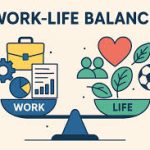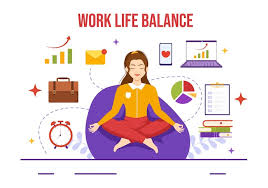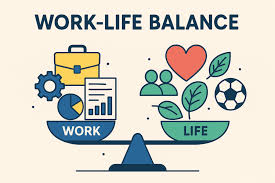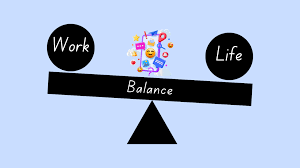

It’s common for high-achieving individuals to experience anxiety related to their performance, especially in professional settings like interviews or high-stakes work situations. This anxiety often stems from a deep desire to maintain a successful image and the fear of not meeting elevated expectations, which can impact overall work-life balance.
Understanding Top Performer Anxiety
So, what is this “top performer anxiety” we’re talking about? It’s not just regular nerves. It’s a specific kind of worry that hits people who are usually good at their jobs.
These are the folks others count on. They often get the praise and the promotions. But when it comes to their own feelings, they might feel like they’re always on display.
They worry about messing up. They fear they won’t be seen as good enough anymore. This can happen even when they have a solid track record of success.
It’s like a constant, quiet hum of doubt. It’s about keeping that “top performer” label safe. It’s a pressure that can be hard for others to see.
Why does this happen? A big reason is the fear of falling. When you’re at the top, there’s a feeling that there’s nowhere to go but down.
You’ve worked hard to get where you are. Now, the pressure is to stay there. Any small stumble can feel like a big disaster.
It’s like walking a tightrope. The higher you go, the scarier the fall. This can make even simple things feel huge.
Think about an interview, for example. It’s not just a chat. For a top performer, it can feel like a final test of everything they are.
This type of anxiety can also come from a deep need for approval. High achievers often tie their self-worth to their performance. When things go well, they feel good.
When they think they might not perform well, they feel terrible. They might also have a fear of being exposed. They worry that people will see they aren’t as perfect as they seem.
This is a heavy burden to carry every day. It can make enjoying successes hard. You’re always thinking about the next challenge.
My Own Brush with the “Performer’s Trap”
I remember a time a few years back. I was leading a big project. It was going really well.
My team was amazing. The client loved our early work. But I started having trouble sleeping.
Every night, my mind would race. I’d replay every meeting. I’d imagine every possible thing that could go wrong.
I’d think about how if this project failed, it would ruin my reputation. I’d always been the one to get things done. My boss called me a “rockstar” just weeks before.
But inside, I felt like a fraud. I was so scared someone would find out I wasn’t as brilliant as they thought.
One morning, I was getting ready for a critical client presentation. My hands were shaking as I poured my coffee. The coffee spilled all over my shirt.
It was just a small thing. But in that moment, it felt like the end of the world. I felt a wave of panic wash over me.
This was it. This was the sign that I couldn’t handle the pressure anymore. I almost called in sick.
I just wanted to hide. I felt so alone with this intense fear, even though I was surrounded by people who trusted me.
It took a good friend to gently point out that I was putting too much on myself. They reminded me that mistakes happen. They said it was okay not to be perfect all the time.
That conversation was a wake-up call. It made me realize I was stuck in what I call the “performer’s trap.” I was so focused on being the top performer that I forgot to just do my job and be human. That spilled coffee was a messy, real moment that finally broke through my perfect facade.
It was a humbling and necessary experience.
Common Triggers for Top Performer Anxiety
New Challenges: Starting a new role or project can bring up fears of not knowing enough.
Public Speaking: Large meetings or presentations can feel like intense scrutiny.
Feedback Sessions: Even positive feedback can feel loaded with hidden expectations.
Competitions: Situations where performance is directly compared to others.
Interviews: These are designed to test you, making anxiety a natural response.
The Impact on Work-Life Balance
When you’re always worried about performing, your work can spill into your home life. It’s hard to switch off. Your brain keeps thinking about work.
You might check emails late at night. You might wake up with work thoughts. This eats away at your personal time.
Your energy for family and friends starts to fade. Hobbies you once loved might feel like too much effort. Everything starts to revolve around work.
This constant stress takes a physical toll too. You might have trouble sleeping. Your digestion might get upset.
You might get headaches often. Your immune system can weaken. You might feel tired all the time, even after resting.
This is your body telling you it’s too much. It’s trying to signal that something needs to change before it breaks down. This cycle of stress and poor self-care can be really hard to escape.
The fear of not being a “top performer” can also make you say “yes” too much. You don’t want to seem like you can’t handle things. So, you take on more tasks than you can manage.
This leads to more stress and less time for yourself. It’s a loop. The more you take on, the more anxious you get.
The more anxious you get, the harder it is to maintain boundaries. Your work-life balance gets completely out of whack.
Signs Your Work is Too Much
Difficulty Relaxing: You can’t unwind even when you’re not working.
Neglecting Personal Needs: Skipping meals, sleep, or exercise.
Irritability: Snapping at loved ones more often.
Loss of Interest: Things you used to enjoy don’t seem fun anymore.
Constant Fatigue: Feeling drained even after a full night’s sleep.
Bridging the Gap: Strategies for Balance
Okay, so what can you actually do? The first step is recognizing the pattern. You are not alone in feeling this way.
Many successful people grapple with this. Understanding that this is a common challenge is a relief in itself. It helps to know it’s not a personal failing, but a common human response to high pressure.
We need to shift focus from just “performing” to “living.” This involves setting clear boundaries. It means learning to say “no” sometimes. It’s about protecting your time and energy.
One powerful strategy is conscious time blocking. This means scheduling time for everything. Not just work tasks.
Schedule time for breaks. Schedule time for exercise. Schedule time for family dinner.
Schedule time for a hobby. Treat these personal blocks with the same importance as a work meeting. When it’s in your calendar, you’re more likely to stick to it.
It sends a message to yourself and others that this time is sacred. It’s not just “free time” to be filled with more work if needed.
Mindfulness and simple breathing exercises can be incredibly helpful. When you feel anxiety rising, take a moment. Close your eyes.
Breathe in deeply through your nose. Hold it for a few seconds. Exhale slowly through your mouth.
Repeat this a few times. This simple act can calm your nervous system. It brings you back to the present moment.
It stops your mind from racing into future worries or past regrets. It’s a small, but potent tool you can use anywhere.
Quick Tips for a Better Balance
Set Work Hours: Decide when your workday ends and stick to it.
Create a Wind-Down Routine: Do something relaxing before bed.
Delegate When Possible: You don’t have to do everything yourself.
Schedule Fun: Plan enjoyable activities for your personal time.
Digital Detox: Turn off work notifications during personal hours.
Redefining Success Beyond Performance
It’s also helpful to redefine what “success” means. Is it just about the next promotion or the biggest project? Or is it about feeling fulfilled?
Is it about having good relationships? Is it about being healthy and happy? Often, we get so caught up in external validation that we forget about internal well-being.
True success includes peace of mind and joy in everyday life. It’s not just about reaching the peak, but enjoying the journey.
Think about what your life would look like if you weren’t constantly worried. What could you achieve or enjoy? This vision can be a powerful motivator.
It helps you make better choices about how you spend your time and energy. It’s about building a life, not just a career. This involves saying “yes” to things that truly matter, both professionally and personally.
And learning to say “no” to things that drain you without adding value.
Consider talking to a mentor or a trusted colleague. Sometimes, just sharing your feelings can lighten the load. They might have faced similar challenges.
They can offer advice or just a listening ear. They can remind you of your strengths and accomplishments. They can help you see that your worth isn’t tied to a single performance.
They can be a valuable source of support and perspective. Sharing your struggles can make them feel less overwhelming.
Myth vs. Reality: Performance Anxiety
Myth: Top performers never feel anxious.
Reality: High achievers often feel more anxious due to high expectations.
Myth: Showing anxiety means you’re weak.
Reality: Acknowledging anxiety is a sign of self-awareness and strength.
Myth: Anxiety will always ruin your performance.
Reality: Managed anxiety can sometimes fuel focus and drive.
Navigating Interviews with Less Stress
Interviews are a prime place where top performer anxiety can strike. You know you’re good, but the pressure to prove it can be immense. The key here is preparation, but also mindset.
Instead of thinking of it as an interrogation, think of it as a conversation. You are assessing them just as much as they are assessing you. Are they a good fit for your skills and values?
This shift in perspective can be very empowering. It makes you feel more in control of the situation.
Practice answering common questions out loud. Record yourself. Listen back.
What can you improve? Focus on telling stories. Use the STAR method (Situation, Task, Action, Result) to structure your answers.
This helps you provide clear, concise examples of your skills and experiences. It shows them you can deliver. It also helps you organize your thoughts so you don’t get lost in the moment.
Knowing you have these tools can ease your mind.
Before the interview, do something calming. Listen to music. Go for a short walk.
Do some deep breathing. Remind yourself of your accomplishments. Write them down.
You’ve earned your place. You have valuable skills. The interviewers want to hear about them.
They want to see your personality too. Be yourself. Authenticity is key.
It’s okay to be a little nervous. Most people are. But don’t let that nervousness define the entire experience.
Interview Prep Checklist
Research the Company: Understand their mission and values.
Know Your Resume: Be ready to talk about every point.
Prepare STAR Stories: Have examples for key skills.
Practice Questions: Use mock interviews or record yourself.
Prepare Your Questions: Show engagement and interest.
Plan Your Outfit: Feel confident and professional.
What This Means for You
If you’re reading this, chances are you recognize some of these feelings. You might be the person everyone else looks up to. But inside, you’re wrestling with doubt.
It’s important to know that this is a solvable problem. You don’t have to live with constant anxiety. The first step is awareness.
Understand that your feelings are valid.
When it’s normal to feel a bit anxious? It’s normal to feel pressure before a big presentation or interview. It’s normal to feel tired after a long week.
It’s normal to want to do a good job. These are signs you care about your work. They are not necessarily signs of failure.
But when does it become a problem?
You should worry if the anxiety starts to interfere with your daily life. If you can’t sleep, if you’re always irritable, or if you’re dreading work, it’s time to pay attention. If you’re constantly second-guessing yourself or avoiding challenges, that’s a sign too.
It means the anxiety is holding you back. It’s preventing you from enjoying your successes or even doing your best work.
Making Small Changes for Big Results
You don’t need a complete overhaul to start feeling better. Small, consistent changes can make a huge difference. Try to incorporate one new habit this week.
Maybe it’s a five-minute meditation in the morning. Maybe it’s setting a strict end time for work each day. Maybe it’s scheduling a coffee date with a friend.
Small wins build momentum. They show you that you can indeed influence your own well-being.
Consider creating a “stress relief toolkit.” This could be a list of activities that help you unwind. It might include listening to podcasts, going for a walk in nature, journaling, or reading a good book. When you feel that familiar tension rising, reach for your toolkit.
Having these go-to strategies ready can make a big difference. It’s about having proactive tools, not just reactive fixes.
Finally, be kind to yourself. You are human. You will have ups and downs.
You don’t have to be perfect. Celebrate your efforts and your progress, not just your outcomes. This self-compassion is crucial.
It helps to quiet the inner critic. It builds resilience. It allows you to enjoy the journey of growth and achievement without being crippled by fear.
Frequently Asked Questions
What is the main difference between regular nerves and top performer anxiety?
Regular nerves are typical situational feelings of worry. Top performer anxiety is a deeper, persistent worry for those already seen as highly successful. It’s about maintaining that status and fearing a fall from grace, often tied to self-worth.
Can being a top performer actually cause anxiety?
Yes, absolutely. The pressure to consistently meet and exceed high expectations can create significant anxiety. This is because success can become linked to identity, making any perceived failure feel like a personal catastrophe.
How does this anxiety affect my work-life balance?
It makes it hard to switch off. Work thoughts invade personal time, leading to late nights, constant checking of emails, and less energy for family and hobbies. Your ability to truly rest and recharge is compromised.
Is it possible to feel less anxious before interviews?
Yes. Preparation is key, but so is shifting your mindset. View interviews as conversations, practice your answers, and use relaxation techniques.
Remind yourself of your value and experience.
What are some simple ways to start improving my work-life balance?
Start small. Set clear work hours and stick to them. Schedule personal time just like work meetings.
Practice saying “no” when you are overextended. Incorporate short relaxation techniques throughout your day.
Should I talk to someone about my anxiety?
Talking to a trusted friend, mentor, or a mental health professional can be very beneficial. Sharing your feelings can reduce their intensity and provide you with new perspectives and coping strategies.
Finding Your Calm Amidst the Climb
It’s completely understandable to feel the weight of expectation when you’re doing great work. This feeling of top performer anxiety is real. But it doesn’t have to control your life.
By understanding its roots, setting clear boundaries, and reframing your definition of success, you can find more peace. Remember, your worth isn’t solely tied to your output. It’s about finding a rhythm that allows you to thrive, both in your career and in your personal life.