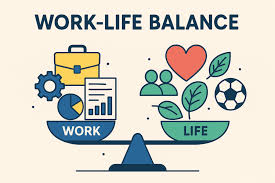

A 30-day challenge can offer a focused path to manage anxiety and build better work-life balance. By setting clear goals and tracking progress, you can understand what works for you. This period helps break old habits and create new, healthier routines. The aim is to find a more sustainable way to live and work, reducing stress and increasing satisfaction.
Understanding 30-Day Challenges for Anxiety and Balance
What exactly is a 30-day challenge in this context? It’s not about extreme deprivation or overnight miracles. It’s more about dedicated, consistent effort on specific habits or mindsets for a month.
Think of it as a structured experiment with yourself. You pick a few things to change or focus on. Then, you stick with it for 30 days.
This helps you see what sticks and what doesn’t. It’s a great way to test new behaviors without a huge commitment.
The idea is to interrupt your usual patterns. When you feel overloaded and anxious, it’s often because your routines are stuck in a loop. A challenge breaks that loop.
It forces you to pause and think about your actions. Over 30 days, you have enough time to start seeing real change. You also learn a lot about yourself.
What triggers your anxiety? When do you feel most balanced?
For work-life balance, this means looking at how you divide your time. Are you always on call? Do you skip breaks?
A challenge might focus on setting clear work hours. Or maybe it’s about scheduling dedicated downtime. It’s about intentionality.
Instead of letting days just happen, you guide them.
When it comes to anxiety, the focus can be on stress-reducing activities. This could be daily meditation, journaling, or even just 15 minutes of quiet time. The key is consistency.
Doing something small every day builds momentum. It rewires your brain to handle stress better over time. It’s not about eliminating stress entirely.
It’s about building resilience.
A well-designed 30-day challenge is personal. What works for one person might not work for another. It’s about finding what resonates with you.
It should be challenging but also achievable. The goal isn’t perfection. It’s progress and learning.
After 30 days, you’ll have data on your own habits and feelings. This information is gold for long-term changes.
My Own Journey with a “Mindful Month” Challenge
I remember one particularly stressful period. My job demands were high, and I was juggling a lot at home. I felt that constant hum of anxiety in the background.
Sleep was tough, and I was snapping at loved ones. I knew I needed a change, but the thought of adding more to my plate felt impossible. That’s when I decided on a “Mindful Month” challenge.
It wasn’t about adding a huge new task. It was about shifting my focus.
My challenge had three main parts. First, I committed to a 10-minute guided meditation every morning before checking my phone. Second, I planned one small, enjoyable activity for myself each day, even if it was just listening to a favorite song on my commute.
Third, I set a strict “no work emails after 7 PM” rule. It sounds simple, but for me, it felt revolutionary. The first few days were hard.
My mind raced during meditation. I felt guilty leaving work tasks unfinished. But I kept going.
I told myself it was just 30 days. I wrote down how I felt each evening. Seeing the pattern of my anxiety begin to ebb was incredibly motivating.
The quiet mornings helped set a calmer tone for the day. And, surprisingly, knowing I had a cut-off time for work actually made me more focused during work hours. My work-life balance started to feel less like a myth and more like a possibility.
What stood out was the clarity it brought. By actively carving out space for myself and setting boundaries, I realized how much I had been letting work bleed into every corner of my life. The challenge wasn’t about doing more.
It was about being more present and intentional with the time I had. By day 20, I noticed I was sleeping better. The constant worry had lessened.
I felt more in control. It wasn’t a magic fix, but it was a powerful shift. It showed me that small, consistent actions could indeed make a significant difference in managing stress and reclaiming my evenings.
Challenge Components: Building Blocks for Success
Goal Setting: What do you want to achieve? Be specific. Instead of “less stress,” try “meditate 10 minutes daily.”
Habit Tracking: Use a journal or app. Seeing your progress is a huge motivator.
Accountability: Tell a friend or family member. They can offer support and encouragement.
Flexibility: Life happens. If you miss a day, don’t give up. Just get back on track.
Reflection: Regularly check in with yourself. How are you feeling? What’s working?
The Science Behind the 30-Day Shift
Why does a 30-day period often feel effective? It’s rooted in habit formation. Experts suggest it takes about 21 days to form a new habit.
Thirty days gives you a little buffer. It’s enough time for a new behavior to start feeling automatic. When something becomes more automatic, it requires less willpower.
This is crucial for managing anxiety. When you’re less anxious, you have more mental energy for new habits.
Neuroplasticity is also at play. Your brain can change and form new pathways. Consistent practice of a new behavior, like mindfulness or setting boundaries, actually reshapes your neural connections.
Over 30 days, these new pathways strengthen. They become your default responses.
From a psychological standpoint, a challenge taps into a sense of commitment and accomplishment. Completing a challenge provides a sense of agency. It shows you that you can make changes.
This feeling of control is a powerful antidote to the helplessness often associated with chronic anxiety. It shifts your focus from what’s overwhelming to what you can manage.
For work-life balance, the 30-day frame allows for experimentation. You can try different scheduling methods. You can test boundary-setting techniques.
After a month, you have real-world data on what works best for your specific job and personal life. You can see if blocking out time for errands actually makes your weekends feel more relaxed. Or if turning off work notifications truly helps you disconnect.
The focused nature of a challenge also helps combat decision fatigue. Instead of constantly wondering what you should do, you have a clear plan. This reduces mental load.
Less mental load means less stress and a clearer mind. This is vital for managing anxiety effectively. It simplifies the path forward.
Key Habit-Forming Principles
Make it Obvious: Leave your meditation cushion visible. Set phone reminders for breaks.
Make it Attractive: Pair a new habit with something you enjoy. Listen to a podcast while you walk.
Make it Easy: Start small. 5 minutes of deep breathing is easier than 30.
Make it Satisfying: Track your progress. Reward yourself for hitting milestones.
Common Challenges Participants Face
While the idea is appealing, people often hit snags. One of the biggest is “all or nothing” thinking. If you miss one day of meditation, you might think, “I’ve failed.
I might as well stop.” This is a major roadblock. It’s important to remember that progress isn’t linear. A missed day doesn’t erase your efforts.
Another hurdle is unrealistic expectations. Some people jump into a challenge hoping for a complete overhaul of their mental state or schedule within 30 days. While significant improvements are possible, expecting perfection or a total absence of anxiety is setting yourself up for disappointment.
The goal is realistic progress, not an overnight cure.
Lack of specific goals is also common. Vague intentions like “be less stressed” or “have better balance” are hard to track. Without clear, measurable actions, it’s difficult to know if you’re succeeding or what adjustments to make.
This is where defining concrete steps becomes critical.
External pressures and old habits can fight back too. When life gets busy, it’s easy to revert to old coping mechanisms. These might include overworking, neglecting self-care, or avoiding difficult emotions.
The challenge requires conscious effort to push against these ingrained patterns. It’s a battle of new routines versus old comforts.
Finally, isolation can be a challenge. Going through a personal growth period alone can be tough. Without a support system, it’s harder to stay motivated when you hit a rough patch.
Sharing your challenge with someone can make a big difference.
Myth vs. Reality: Common Misconceptions
Myth: A challenge means you have to overhaul your entire life.
Reality: It’s about small, consistent changes. Focus on one or two key areas.
Myth: If I miss a day, the whole challenge is ruined.
Reality: One missed day is a blip, not a disaster. Just pick up where you left off.
Myth: Challenges are only for highly motivated people.
Reality: Challenges are tools to build motivation and habits.
Real Results: What People Actually Achieved
The anecdotal evidence from 30-day challenges is vast and inspiring. Many participants report a noticeable reduction in daily anxiety levels. This often comes from incorporating stress-management techniques like deep breathing exercises, mindfulness, or short walks in nature.
For instance, someone might decide to do 5 minutes of mindful breathing twice a day. After 30 days, they find that the immediate urge to panic in stressful situations is less intense. They feel more equipped to handle them.
Improved sleep quality is another frequently reported outcome. By setting better boundaries around screen time before bed or establishing a calming evening routine, individuals find they fall asleep faster and wake up feeling more rested. This, in turn, has a positive ripple effect on mood and energy levels throughout the day.
Regarding work-life balance, participants often discover more effective ways to manage their time. This could involve learning to say “no” to non-essential tasks, delegating where possible, or strictly adhering to work hours. One person I spoke with implemented a “shutdown ritual” at the end of their workday – clearing their desk, making a to-do list for the next day, and then deliberately closing their laptop.
They found this simple routine helped them mentally switch off from work, leading to more present evenings with their family.
Increased productivity during work hours is also a common finding. When people feel less anxious and more in control of their time, they can focus better. This can lead to getting more done in less time, ironically creating more perceived free time.
The challenge encourages prioritizing tasks, leading to more efficient work habits.
Perhaps one of the most profound results is a renewed sense of self-awareness and empowerment. By actively engaging in a challenge, people learn what truly impacts their well-being. They gain confidence in their ability to make positive changes.
This self-efficacy is a powerful tool for ongoing mental health management and maintaining a healthier work-life balance long after the 30 days are over.
Quick Scan: Impact Areas
| Area of Impact | Common Results |
|---|---|
| Anxiety Levels | Reduced intensity, better coping mechanisms |
| Sleep Quality | Faster onset, more restful nights |
| Work Productivity | Improved focus, more efficient task completion |
| Personal Time | Increased feeling of availability, better enjoyment |
| Self-Efficacy | Greater confidence in making positive changes |
Designing Your Own 30-Day Challenge
To create a successful 30-day challenge, start by pinpointing your biggest pain points. Are you feeling overwhelmed by work demands? Is your mind constantly racing?
Do you feel like you have no personal time? Write down the top 1-3 issues you want to address.
Next, brainstorm specific, actionable steps for each pain point. For anxiety, this could be meditating for 5 minutes daily, doing a short gratitude journal entry, or taking a 15-minute walk outside during your lunch break. For work-life balance, it might involve setting a strict “lights out” time for work emails, scheduling one family activity per week, or dedicating 30 minutes each evening to a hobby.
Keep it manageable. Trying to change too many things at once is a recipe for overwhelm. A good starting point is one to three focused habits.
Ensure these habits are realistic for your current lifestyle. A challenge that requires hours of daily commitment might be too much initially.
Consider how you will track your progress. A simple notebook, a spreadsheet, or a habit-tracking app can all work. Seeing your consistency visually can be incredibly motivating.
It also helps you identify patterns and see what’s working.
Set a clear start date. This makes it feel more concrete. It also gives you time to prepare.
You might want to gather any supplies you need, like a journal or meditation app subscription.
Finally, tell someone about your challenge. Sharing your goals with a supportive friend, family member, or even an online community can provide accountability and encouragement. Knowing someone else is aware of your efforts can be a powerful motivator when you feel like giving up.
Your Challenge Blueprint:
1. Identify Focus Areas: What 1-3 things cause you the most stress or imbalance?
2. Define Specific Actions: What concrete steps will you take for each area?
3. Set Realistic Goals: How often will you perform these actions? (e.g., daily, 3x/week)
4. Choose Tracking Method: How will you record your progress?
5. Pick a Start Date: Mark it on your calendar!
6. Find an Accountability Partner: Share your plan with a trusted person.
Example 30-Day Challenge Ideas
Let’s look at some concrete examples. These are just starting points, and you should adapt them to your needs.
Challenge 1: The “Calm Mornings” Challenge
- Goal: Reduce morning anxiety and start the day with intention.
- Actions:
- No phone for the first 30 minutes after waking.
- 10 minutes of gentle stretching or meditation.
- Drink a glass of water before coffee.
- Eat a nutritious breakfast.
- Tracking: Mark off each morning completed on a calendar.
Challenge 2: The “Digital Detox” Challenge
- Goal: Improve work-life balance by reducing screen time.
- Actions:
- No social media for the first hour after work.
- Turn off all non-essential phone notifications during work hours.
- Designate “no-phone” zones in your home (e.g., dining table).
- Read a physical book for 20 minutes before bed.
- Tracking: Keep a simple log of any times you felt tempted and resisted.
Challenge 3: The “Mindful Movement” Challenge
- Goal: Integrate physical activity and reduce stress.
- Actions:
- Aim for 20 minutes of movement each day (walk, yoga, gym).
- Focus on how your body feels during movement, not just the outcome.
- Stretch for 5 minutes after any prolonged sitting.
- Tracking: Log your daily movement duration and any notable physical sensations.
Challenge 4: The “Boundary Setter” Challenge
- Goal: Improve work-life balance and reduce feelings of being overwhelmed.
- Actions:
- Define your “end of work” time and stick to it.
- Practice saying “no” or “let me check my schedule” to non-urgent requests.
- Schedule one 15-minute break to step away from your desk each workday.
- Communicate your boundaries clearly to colleagues or family.
- Tracking: Note each time you successfully set or maintained a boundary.
Challenge Ideas at a Glance:
Focus: Mornings | Action: No phone first 30 min, 10 min meditation.
Focus: Screen Time | Action: No social media post-work, turn off notifications.
Focus: Movement | Action: 20 min daily activity, mindful body awareness.
Focus: Boundaries | Action: Define work end-time, practice saying “no.”
What Happens After 30 Days? Sustaining the Gains
Completing a 30-day challenge is a fantastic achievement. But the real goal is to integrate what you’ve learned into your ongoing life. The habits you’ve built are likely fragile at this point.
They need continued attention to become deeply ingrained.
First, reflect on the results. What worked best? What didn’t?
What did you enjoy? What felt like a chore? Be honest.
This reflection is crucial for deciding what to carry forward. You don’t have to continue every single habit you started.
Identify the core habits that had the biggest positive impact on your anxiety and work-life balance. These are the ones to prioritize. Perhaps your morning meditation helped you feel calmer, or setting work boundaries gave you back your evenings.
Focus on maintaining these key practices.
It’s okay to adjust. Maybe 10 minutes of meditation is too long now. Try 5 minutes.
Maybe you can’t avoid emails after 7 PM every night, but you can aim for 5 nights a week. Small, sustainable adjustments are better than trying to maintain a routine that no longer fits your life.
Consider setting a new, less intense challenge. Instead of a daily meditation, maybe it’s a weekly “mindful hour.” This keeps the momentum going without the pressure of a strict daily commitment. It’s about creating a long-term lifestyle, not just a short-term fix.
Don’t forget the importance of self-compassion. There will be days when you slip up. You might fall back into old patterns.
This is normal. Instead of getting discouraged, treat it as a learning opportunity. Analyze why it happened and adjust your approach.
Celebrate the progress you’ve made, even the small wins.
Share your experiences. Talking about your journey with others can reinforce your own learning and inspire them. It also helps you feel less alone in your efforts to maintain balance and manage stress.
Sustaining Your Progress: The Long Game
Review & Reflect: What worked? What didn’t? What felt good?
Prioritize Key Habits: Focus on the practices that made the biggest difference.
Adjust & Adapt: Make changes to fit your ongoing life.
Set New Goals: Consider ongoing, less intense challenges.
Be Kind to Yourself: Slip-ups are learning moments, not failures.
When to Seek Professional Help
While a 30-day challenge can be incredibly effective for managing everyday anxiety and improving work-life balance, it’s important to know its limits. If your anxiety is severe, persistent, or significantly interferes with your daily life, it’s crucial to seek professional guidance. This includes experiencing panic attacks regularly, having thoughts of self-harm, or finding that your anxiety is impacting your ability to function at work or home.
A mental health professional, such as a therapist, counselor, or psychiatrist, can provide an accurate diagnosis and develop a personalized treatment plan. This might involve therapies like Cognitive Behavioral Therapy (CBT) or Dialectical Behavior Therapy (DBT), which are proven effective for anxiety disorders. They can also assess if medication might be a helpful part of your treatment.
These professionals have the expertise to address deeper-rooted issues that a self-directed challenge might not reach.
Think of the 30-day challenge as a proactive tool for well-being. It can help build resilience and manage common life stressors. However, it is not a substitute for professional medical advice or treatment.
If you have any concerns about your mental health, reaching out to a healthcare provider is always the best first step. They can help you understand your options and provide the support you need.
Frequently Asked Questions
Can a 30-day challenge really make a lasting difference for anxiety?
Yes, absolutely! While 30 days is a short period, it’s often enough to establish new habits and mindset shifts. These can form the foundation for long-term changes in how you manage anxiety.
The key is consistency and then continuing to nurture those habits afterward.
What if I don’t see dramatic results after 30 days?
It’s very common not to see dramatic, overnight results. Progress is often gradual. The most important thing is to notice any small improvements or insights you’ve gained.
Reflect on what worked and what didn’t, and use that information to adjust your approach for the next phase. Persistence is key.
How do I choose the right challenge for me?
Start by identifying your biggest stress points or areas where you feel a lack of balance. Then, think about small, actionable steps you can take to address those specific issues. Keep it simple and realistic for your current lifestyle.
It should feel challenging but achievable.
Is it okay to combine challenges for anxiety and work-life balance?
Yes, it’s often beneficial to address both. For example, your challenge might include a daily mindfulness practice (for anxiety) and setting a strict end-of-workday time (for balance). Just be sure not to overload yourself with too many new habits at once.
Start with 1-3 focused areas.
What are some common pitfalls to avoid during a 30-day challenge?
Common pitfalls include setting unrealistic expectations, falling into “all or nothing” thinking if you miss a day, not having specific enough goals, and reverting to old habits when stressed. Being prepared for these can help you navigate them more effectively.
How can I make my 30-day challenge sustainable after the month is over?
After 30 days, reflect on what worked best. Focus on continuing those key habits. Adjust them to fit your ongoing life, and consider setting new, less intensive goals.
Self-compassion is also important; slip-ups are learning opportunities, not failures.
Conclusion
Embarking on a 30-day challenge can be a powerful catalyst for change. It offers a structured way to tackle feelings of anxiety and improve your work-life balance. By setting clear intentions, taking consistent action, and reflecting on your journey, you can unlock new levels of well-being.
Remember, it’s about progress, not perfection. These 30 days are a stepping stone to a more balanced and peaceful life.