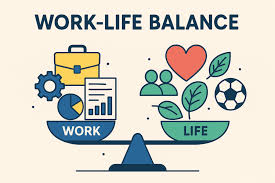
It’s okay to feel unsure after a big life change. Transformation anxiety is real. It can make finding a good work-life balance tricky. This guide helps you understand and manage these feelings to feel more settled.
Understanding Transformation Anxiety
Life rarely stays the same. Big moments bring change. These are often good things, like a promotion or a new baby.
But even good changes can make us feel anxious. This is transformation anxiety. It’s a normal part of growing and adapting.
Think of it like stepping into a new house. It’s exciting, but it doesn’t feel like home yet. You need time to unpack and make it yours.
Transformation anxiety is that feeling of not being quite settled. Your mind and body are adjusting to new routines. They are getting used to new roles.
They are learning to navigate a different reality.
This anxiety isn’t about regretting the change. It’s about the natural stress of the unknown. It’s about the effort it takes to adjust.
It shows you are aware of the shift. It means you are processing the new landscape. This is a sign of mental flexibility, not weakness.
The Link Between Change and Work-Life Balance
Big life changes often hit your work-life balance hard. A new job might mean longer hours. A new home could mean a longer commute.
Becoming a parent changes everything about your time. Even positive events can drain your energy. This leaves less for your personal life.
Before the change, you had a routine. You knew how to manage your tasks and your downtime. Now, that structure is gone.
You have to build a new one. This takes mental effort. It also takes time.
You might feel like you’re always catching up. This can lead to feeling overwhelmed. You might also feel guilty if you can’t do it all.
When your work-life balance is off, it affects everything. You might feel tired. You could get irritable.
Your focus at work might slip. Your joy in your personal life might fade. It’s a cycle.
Unbalanced life leads to more stress. More stress makes it harder to find balance again. It feels like a constant juggle.
You want to do well at work. You also want to enjoy your life outside of work. Finding that sweet spot feels tough.
Real-Life Struggles: My Own Transformation
I remember when I landed my dream job. It was a huge step up. I was thrilled!
But after the first few weeks, something felt wrong. The workload was immense. My old ways of managing time didn’t work.
I was working late every night. Weekends were for catching up on emails. I felt like a stranger in my own life.
One Tuesday evening, I was staring at my computer screen. It was nearly 10 PM. My dinner was cold beside me.
I hadn’t spoken to my partner all day. My brain felt foggy. I suddenly felt a pang of pure panic.
Was this what I wanted? I felt so disconnected from everything I used to love. The joy of the new job was completely overshadowed by exhaustion.
I realized I had lost my sense of self. My work had consumed my life. This was the stark reality of transformation anxiety hitting my work-life balance.
That moment was a wake-up call. I knew I had to find a way to reclaim my life. It wasn’t easy.
It took time and conscious effort. I had to learn new strategies. I had to set boundaries.
I had to remind myself why I worked hard in the first place. It was to build a good life, not just a demanding career.
Navigating the New Normal
Setting Realistic Expectations: After a big change, things won’t be perfect right away. Allow yourself time to adjust. It’s a process, not an event.
Prioritize Self-Care: Even when busy, make time for yourself. Small breaks can make a big difference. This could be a walk, reading, or a quiet cup of tea.
Communicate Your Needs: Talk to your boss, colleagues, or family. Let them know what you’re experiencing. They might offer support or understanding.
Signs You Might Be Experiencing Transformation Anxiety
It’s easy to dismiss these feelings. You might think you’re just tired or stressed. But recognizing the signs of transformation anxiety is key.
It helps you address the issue directly.
One common sign is constant worry. You might obsess over small details. You may rehash decisions you’ve made.
Another sign is feeling overwhelmed easily. Tasks that used to be simple now feel huge. You might also notice changes in your mood.
You could be more irritable or sad. Some people experience physical symptoms too. This can include headaches or sleep problems.
You might also find yourself withdrawing from social activities. You may not have the energy for friends. Or you might feel like you have nothing new to talk about.
Your hobbies might fall by the wayside. The things that used to bring you joy might feel like chores. This loss of interest is a significant indicator.
It shows how the change is impacting your overall well-being.
Another subtle sign is perfectionism. You might feel pressure to do everything perfectly in your new situation. This is often a way to feel in control.
But it can lead to burnout. You might also experience imposter syndrome. You may feel like you don’t belong or aren’t good enough.
This is common after promotions or new roles.
Common Symptoms Checklist
Mental Symptoms:
- Constant worrying
- Second-guessing decisions
- Feeling overwhelmed
- Difficulty concentrating
- Imposter syndrome
Emotional Symptoms:
- Irritability
- Sadness or low mood
- Feeling restless
- Loss of interest in activities
- Feeling disconnected
Physical Symptoms:
- Headaches
- Sleep disturbances (too much or too little)
- Fatigue
- Muscle tension
The Impact on Your Daily Life
When transformation anxiety takes hold, your daily life changes. Your energy levels drop. Your motivation wanes.
Even simple tasks can feel like climbing a mountain. You might find yourself procrastinating more. You may struggle to start your day.
This affects your productivity at work and your engagement at home.
Your relationships can also suffer. When you’re anxious and overwhelmed, you might snap at loved ones. You might not have the emotional capacity to be present.
This can lead to misunderstandings and conflict. It’s hard to connect when you feel so drained. You might feel guilty about not being there for others.
This guilt adds another layer of stress.
Your physical health can also be affected. Stress can weaken your immune system. You might get sick more often.
Sleep problems are common. This creates a vicious cycle. Poor sleep leads to less energy.
Less energy makes you more stressed. It’s a challenge to break free from this loop.
Your sense of self can also be shaken. Who are you now in this new situation? Your old identity might not fit perfectly.
You’re still you, but you’re evolving. This exploration takes time. It requires patience with yourself.
If you rush it, anxiety can take over. It can feel like you’re losing yourself in the process.
Daily Life Shifts
Morning Routine: Snooze button becomes your best friend. Getting out of bed feels like a chore. Breakfast is skipped or rushed.
Workday: Tasks pile up. Concentration is a struggle. Coffee intake increases significantly.
Social interaction feels draining.
Evening Routine: You arrive home exhausted. Too tired for hobbies or family time. Dinner is a quick fix.
Sleep is restless or delayed.
Social Life: Invitations are declined. You feel disconnected from friends. Conversations feel superficial.
Strategies for Reclaiming Your Work-Life Balance
The good news is you can navigate these feelings. You can find your way back to a healthy balance. It takes deliberate effort and self-compassion.
First, acknowledge your feelings. It’s okay to not be okay. Tell yourself that this is a temporary phase.
You are adapting. This validation is powerful. It reduces the pressure to be perfect.
Next, focus on small, manageable steps. Don’t try to fix everything at once. Pick one area to improve.
Maybe it’s setting a strict end time for work. Or perhaps it’s scheduling 30 minutes for yourself each day.
Prioritize ruthlessly. What is truly essential? What can wait?
Learn to say “no.” It’s a complete sentence. Saying “no” to non-essential things frees up your energy. This energy can go to what truly matters.
This includes your well-being and key work tasks.
Build small moments of joy back into your day. Even five minutes of sunshine can help. A quick chat with a friend can lift your spirits.
Listen to music you love. These small acts of self-care are not luxuries. They are necessities for resilience.
They help recharge your batteries. They make the tough times more bearable.
Actionable Steps for Balance
Set Clear Boundaries: Define your work hours and stick to them. Turn off notifications outside these hours.
Time Blocking: Schedule specific times for tasks, breaks, and personal activities. Treat these blocks like important appointments.
Delegate When Possible: At work or home, if a task can be done by someone else, let it go. This frees up your mental and physical energy.
Mindful Breaks: Take short, focused breaks. Step away from your screen. Stretch, walk around, or just breathe deeply.
Connect with Loved Ones: Make time for meaningful conversations. Share your feelings and listen to theirs.
The Power of Mindfulness and Self-Compassion
Mindfulness is about being present. It means paying attention to the here and now. It’s not about judging your thoughts.
It’s about noticing them. When you practice mindfulness, you notice when anxiety starts to build. You can then choose how to respond.
You don’t have to get swept away by it.
Simple mindfulness exercises can help. Try a few minutes of deep breathing each day. Focus on the sensation of air entering and leaving your lungs.
You can also try a body scan meditation. This involves bringing awareness to different parts of your body. Notice any tension.
Just observe it without trying to change it.
Self-compassion is treating yourself with kindness. It’s like talking to a friend who is struggling. You wouldn’t be harsh with them.
You’d offer support and understanding. Apply that same kindness to yourself. You are going through a lot.
It’s okay to make mistakes. It’s okay to feel imperfect. Remind yourself that you are doing your best.
When you feel anxious or overwhelmed, pause. Ask yourself, “What would I say to a dear friend in this situation?” Then, say those words to yourself. This practice reduces self-criticism.
It builds resilience. It helps you cope with the stress of change more effectively. It’s a vital tool for managing transformation anxiety.
Mindfulness & Self-Compassion Tips
Daily Check-in: Spend 5 minutes each morning noticing how you feel, without judgment.
Mindful Moments: Pick one daily activity (like drinking coffee) and focus solely on the experience.
Kind Self-Talk: When you notice negative thoughts, gently reframe them with kinder, more understanding words.
Acknowledge Effort: Congratulate yourself for trying, no matter how small the steps feel.
Forgive Mistakes: Understand that errors are part of learning and growth.
When to Seek Professional Help
Sometimes, transformation anxiety and the resulting imbalance are too much to handle alone. If your feelings are persistent and severe, seeking professional help is a sign of strength. Therapists and counselors are trained to help you navigate these challenges.
Consider professional support if you experience:
- Persistent feelings of hopelessness or despair.
- Thoughts of harming yourself or others.
- Inability to function in daily life (work, home, social).
- Panic attacks that are frequent or intense.
- Substance abuse as a coping mechanism.
A therapist can provide tools and strategies tailored to your situation. They can help you understand the root causes of your anxiety. They can also support you in building healthier coping mechanisms.
This is especially important if the anxiety is significantly impacting your work-life balance and overall happiness.
Signs You Might Need Support
Lasting Sadness: Feeling down for more than two weeks.
Severe Anxiety: Constant worry that interferes with daily tasks.
Physical Ailments: Unexplained aches and pains that persist.
Social Isolation: Avoiding people and activities you once enjoyed.
Difficulty Coping: Feeling unable to manage your emotions or daily responsibilities.
Building a Sustainable Work-Life Rhythm
The goal isn’t a perfect, static balance. It’s a dynamic rhythm. Life changes, and your rhythm needs to adapt.
This means being flexible. It means regularly checking in with yourself.
Think about what truly energizes you. What drains you? Structure your days to maximize energy.
Schedule demanding tasks when you have the most energy. Schedule rest and recovery when you need it. This isn’t about being lazy.
It’s about being smart with your resources.
Involve your support system. Talk to your family or friends about your efforts. They can offer encouragement.
They might even help you implement changes. Sharing your journey makes it less isolating. It also increases accountability.
Finally, celebrate your progress. Acknowledge the steps you’ve taken. Even small wins deserve recognition.
This reinforces positive habits. It builds momentum. Remember, building a sustainable rhythm takes time.
Be patient with the process. Each day is a new opportunity to adjust and refine your approach.
Creating Your Rhythm
Energy Mapping: Track your energy levels throughout the day for a week. Identify your peak and low times.
Task Batching: Group similar tasks together to improve efficiency. For example, answer emails at set times.
Scheduled Downtime: Treat relaxation and hobbies as important appointments. Block them out on your calendar.
Regular Reviews: Once a week, assess what’s working and what’s not. Make small adjustments as needed.
Flexibility is Key: Be prepared to shift your plans when unexpected events occur. Don’t let one disruption derail your entire rhythm.
Frequently Asked Questions
What is transformation anxiety?
Transformation anxiety is the feeling of stress and worry that comes with big life changes. Even positive changes can trigger this feeling as you adjust to new circumstances.
How does transformation anxiety affect work-life balance?
It can make it hard to focus, leading to longer work hours. It also drains your energy, leaving less time and motivation for personal life. This imbalance can create a cycle of stress.
Is it normal to feel anxious after a promotion?
Yes, absolutely. A promotion is a significant change. You might feel pressure to perform, experience imposter syndrome, or worry about new responsibilities.
These are all common feelings.
How can I manage anxiety without professional help?
Practicing mindfulness, self-compassion, setting boundaries, prioritizing tasks, and building small moments of joy into your day can significantly help manage anxiety.
When should I consider seeing a therapist for transformation anxiety?
If your anxiety is persistent, interferes with your daily functioning, causes extreme distress, or leads to thoughts of self-harm, it’s time to seek professional support.
How long does transformation anxiety usually last?
The duration varies. For some, it fades within weeks as they adapt. For others, it can take months.
It depends on the magnitude of the change and your coping strategies.
Moving Forward with Confidence
Big life changes are part of life’s adventure. They challenge us and help us grow. Transformation anxiety is a normal part of this journey.
It’s a sign you’re navigating something new. By understanding these feelings and practicing self-care, you can find your equilibrium.
Remember to be kind to yourself. Focus on small, consistent actions. Build routines that support your well-being.
You have the strength to adapt. You can create a fulfilling life that honors both your work and your personal time. Embrace the process.
You’ve got this.