It’s easy to feel like your days are a blur. You wake up, rush through the morning, get to work, and then rush home, only to do it all again. This can lead to a feeling of being stuck. Many people feel this way. They worry about their daily routine. They also struggle to find a good work-life balance. This happens to a lot of us. It can feel like there’s no escape. This guide will help you understand why this happens. We will also explore ways to make things better. You’ll learn how to find more peace in your everyday life.
The best way to manage daily routine anxiety and find a better work-life balance involves establishing clear boundaries, prioritizing self-care, and structuring your day with intentionality. Focus on one task at a time and learn to say no to commitments that don’t serve your well-being.
Understanding Daily Routine Anxiety
Daily routine anxiety is that knot in your stomach. It happens when your day feels too much. It can feel like a treadmill you can’t get off. Your tasks pile up. You feel pressure to do more. This anxiety is real. It affects how you feel. It also affects how you think and act.
Why does this happen? It’s often because our routines lack flexibility. We might have too many things to do. We might not have enough time for ourselves. Sometimes, our jobs demand too much. Our personal lives can feel neglected. This imbalance creates stress. It makes simple tasks feel hard. It can also make you feel guilty. You might feel you’re not doing enough at home or at work.
Our brains like order. Routines can be good for us. They help us save energy. They make decisions easier. But when a routine becomes too rigid, it can feel like a cage. When things go wrong in a rigid routine, it causes a lot of stress. This is because we don’t have a plan B. We can feel overwhelmed by even small changes. This is a sign that your routine might be causing you more harm than good.
My Own Battle with the Daily Grind
I remember a time when my days felt like a constant race. I was working late nights. My inbox was always full. I would get home, grab a quick bite, and maybe watch a bit of TV. Then, I’d fall into bed, only to wake up and do it all over again. One Tuesday evening, I was trying to finish a report. The clock struck 10 PM. My shoulders were tight. My eyes felt gritty. My partner called to ask what I wanted for dinner. I realized I hadn’t spoken to them all day. The food didn’t even matter. What hit me was this deep wave of sadness. I was doing all this work, but I felt completely disconnected. I felt like I was just going through the motions. That night, I sat on the couch, just staring. I felt so tired. I felt lost. It was a wake-up call. My routine wasn’t serving me. It was draining me.
Signs Your Routine Needs a Tune-Up
- Feeling tired all the time.
- Losing interest in things you used to enjoy.
- Constant worry or feeling on edge.
- Trouble sleeping or staying asleep.
- Forgetting things or having trouble focusing.
- Feeling irritable or snapping at others.
These signs are common. They tell us something needs to change. Our bodies and minds are trying to send us messages. We just need to listen.
The Crucial Link Between Routine and Work-Life Balance
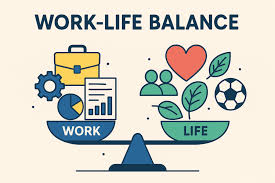
Your daily routine is the building block for your work-life balance. Think of it like this: your routine is the structure. Your balance is how well that structure holds up. A good routine makes balance possible. A bad routine makes it almost impossible. It dictates how much time you have. It shows where your energy goes. It affects your relationships. It impacts your health.
When your routine is focused only on work, other areas suffer. You have less time for family. You have less time for hobbies. You have less time for rest. This creates a life that feels one-sided. It leads to burnout. It makes you feel like you’re always falling short. You’re not a bad person if this happens. It’s a common outcome of a routine that’s out of whack.
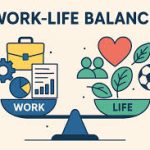
A balanced routine includes time for everything important. It’s not about doing everything at once. It’s about making space for key parts of your life. This includes work, yes. But it also means family, friends, health, and personal growth. When these areas get attention, your life feels richer. You feel more fulfilled. This is what a good work-life balance looks like in practice.
Work-Life Balance: Myth vs. Reality
Myth
You must do everything perfectly.
Reality
Good enough is often truly good.
Myth
Balance means equal time everywhere.
Reality
Balance means prioritizing what matters now.
It’s okay if your balance shifts. Some weeks work is busier. Other weeks, family needs more. The goal is not rigid sameness. It’s about feeling in control.
Crafting a More Peaceful Morning Routine
Your morning sets the tone for the whole day. A rushed, chaotic morning leads to a rushed, chaotic day. A calm, intentional morning can do wonders. It helps reduce that daily routine anxiety right from the start. Think about how you start your day now. Do you hit snooze multiple times? Do you grab your phone first thing?
Let’s try something different. What if you woke up just 15–30 minutes earlier? This extra time can be golden. You don’t need to do a lot. Just a few quiet minutes can change your perspective. You could use this time to simply sit. Drink a glass of water. Stretch your body. Maybe even write down three things you are thankful for. This small act shifts your focus to the positive. It calms your mind.
Another idea is to prepare the night before. Lay out your clothes. Pack your lunch. Get your work bag ready. This removes morning decision fatigue. It makes your morning smoother. When you have fewer things to think about, you feel less stressed. You can then use that precious morning time for yourself. This small shift makes a big difference in your overall work-life balance.
Your First Hour Matters
When you wake up:
- Avoid checking email or social media.
- Drink a full glass of water.
- Move your body gently (stretch, walk).
During breakfast:
- Eat mindfully, without distractions.
- Think about your top priority for the day.
These are not strict rules. They are gentle suggestions. The goal is to create a morning that feels good. It should make you feel ready for the day, not dreading it.
Setting Healthy Boundaries for Better Balance
Boundaries are essential. They are the invisible lines that protect your time and energy. Without them, work can creep into every part of your life. This fuels daily routine anxiety. It erodes your work-life balance. Setting boundaries might feel hard at first. It’s like training a muscle. The more you do it, the easier it becomes.
What kind of boundaries do you need? Think about your work. When does your workday officially end? Are you checking emails late at night? Are you taking calls on weekends? These are areas where boundaries are crucial. You can set a specific time to stop working. After that time, you close your laptop. You turn off work notifications. This sends a clear signal to yourself and others.
It’s also important to set personal boundaries. This means saying no. You don’t have to agree to every request. If a new commitment will overload you, it’s okay to decline. You can say something like, “I appreciate you asking, but I can’t take that on right now.” This is not selfish. It’s self-preservation. It allows you to focus on what truly matters to you. It helps you maintain your precious work-life balance.
Boundary-Setting Examples
At Work:
- Set clear start and end times.
- Avoid checking work messages outside these hours.
- Communicate your availability clearly to colleagues.
In Personal Life:
- Learn to say “no” kindly but firmly.
- Protect your downtime for rest and hobbies.
- Don’t overcommit yourself to social events.
Remember, boundaries are for your well-being. They help you stay present. They allow you to enjoy your life outside of work. This is key to reducing that persistent feeling of daily routine anxiety.
Prioritizing Self-Care: It’s Not Selfish, It’s Essential
Self-care often gets a bad rap. People think it means indulgent spa days. Or long vacations. While those are nice, self-care is much simpler. It’s about the small, consistent things. These things help you recharge. They keep you from running on empty. Neglecting self-care is a fast track to daily routine anxiety. It makes your work-life balance feel impossible.
What does self-care look like for you? It might be reading a book. It could be going for a walk in nature. Maybe it’s listening to music. Or spending quiet time with a pet. It could be as simple as taking five deep breaths. The goal is to find moments in your day. These moments are just for you. They help you reset your mind and body.
When you don’t practice self-care, you start to feel it. You get irritable. Your focus wanders. You might even get sick more often. This is your body telling you it needs attention. Make self-care a non-negotiable part of your routine. Schedule it in if you have to. Treat it like any other important appointment. This simple act can dramatically reduce your daily routine anxiety.
Simple Self-Care Wins
| Category | Quick Ideas (5-15 mins) |
|---|---|
| Mind | Meditation, deep breathing, journaling. |
| Body | Stretching, short walk, hydrating. |
| Spirit | Listening to calming music, nature sounds. |
| Connection | Text a friend, hug a loved one. |
Investing in yourself is the best investment you can make. It pays dividends in energy, focus, and overall happiness. It’s fundamental for a good work-life balance.
Structuring Your Workday for Efficiency
How you structure your workday matters greatly. A disorganized day breeds anxiety. It makes you feel like you’re always behind. An efficient structure can lead to more accomplishment. It also frees up mental space. This helps with your work-life balance and reduces daily routine anxiety.
One popular method is time blocking. This means assigning specific blocks of time for tasks. You might block out 9 AM to 10 AM for emails. Then 10 AM to 12 PM for deep work. It helps you focus. It prevents task switching, which drains energy. It gives your day a clear flow. This makes it easier to manage your workload.
Another tip is to identify your most productive hours. Are you a morning person? Or do you hit your stride in the afternoon? Schedule your most demanding tasks during these peak times. Save easier tasks for when your energy dips. This smart planning can make a huge difference. It helps you get more done. It also leaves you feeling less drained at the end of the day.
Efficiency Boosters
- Batch Similar Tasks: Do all your calls at once. Reply to emails in dedicated blocks.
- Take Regular Breaks: Step away from your screen. A short walk helps refresh your mind.
- Minimize Distractions: Turn off notifications. Close unnecessary tabs.
- Plan Your Next Day: Before you finish work, list your top 1-3 tasks for tomorrow.
These strategies aren’t about working harder. They are about working smarter. This approach supports a healthier work-life balance. It helps combat that feeling of constant pressure.
The Importance of Downtime and Rest
We often treat downtime like a luxury. It feels like something we do only when all our work is finished. But downtime is not optional. It’s a vital part of life. It’s where we recover. It’s where we recharge. Without enough downtime, daily routine anxiety can take hold. Your work-life balance will suffer.
Think about your brain. It needs breaks. Just like any muscle, it gets tired. When you push it too hard for too long, it starts to make mistakes. You become less creative. Your focus wanes. You might make poor decisions. This is why rest is so important. It allows your brain to sort information. It helps you come back refreshed and ready.
What counts as downtime? It’s anything that isn’t work or chores. It’s about activities that bring you joy or peace. This could be spending time with loved ones. It could be pursuing a hobby. It could be simply doing nothing at all. The key is that it’s intentional. You choose to rest. You choose to relax. This conscious choice makes a big difference.
Making Rest a Priority
Schedule It: Put downtime in your calendar just like a meeting.
Protect It: Treat your scheduled rest time as sacred. Avoid filling it with more tasks.
Disconnect: During downtime, try to disconnect from work devices and thoughts.
Variety is Key: Mix active rest (like a walk) with passive rest (like reading).
Embracing downtime is a powerful way to fight daily routine anxiety. It shows you value yourself. It’s a core component of a sustainable work-life balance. Make sure you are getting enough sleep too. It is the ultimate form of rest.
Navigating Evening Routines for Better Sleep
Your evening routine is just as important as your morning one. How you wind down directly impacts your sleep quality. Poor sleep fuels stress. It makes you more susceptible to daily routine anxiety. A good evening routine helps you relax. It prepares your body and mind for restful sleep. This is a cornerstone of good work-life balance.
What happens in your evenings now? Are you scrolling on your phone? Are you watching intense TV shows? These activities can stimulate your brain. They make it harder to fall asleep. Instead, try creating a calming transition. This means shifting away from demanding tasks. It means moving towards relaxation. This could involve dimming the lights. It might mean listening to calm music or a podcast.
Reading a physical book is a great option. It allows your mind to wander. It’s less stimulating than a screen. Taking a warm bath can also be very soothing. Gentle stretching or a few minutes of meditation can help release tension. The goal is to signal to your body that it’s time to power down. This preparation for sleep is crucial for overall well-being and a healthy work-life balance.
Evening Wind-Down Checklist
- Screen Curfew: Aim to put away phones and tablets an hour before bed.
- Hydration Check: Drink a final glass of water, but avoid too much liquid close to bedtime.
- Relaxing Activity: Read, listen to quiet music, or practice gentle stretching.
- Tidy Up: A quick tidy of your main living space can bring a sense of calm.
- Prepare for Tomorrow: Lay out clothes or pack your bag to ease morning stress.
A consistent evening routine can significantly improve sleep. Better sleep leads to less anxiety. It makes managing your day much easier. This supports a much better work-life balance.
Dealing with Unexpected Changes and Setbacks
Life is rarely perfectly smooth. Unexpected things happen. A work project gets delayed. A child gets sick. The car breaks down. These disruptions can feel overwhelming. They can trigger serious daily routine anxiety. How you respond to these moments is key to maintaining your work-life balance.
If you have a rigid routine, small setbacks can feel huge. You might panic. You might feel like your whole day is ruined. This is where flexibility comes in. If your plan for the day is disrupted, take a deep breath. Assess the situation. What can you realistically do now? What can be postponed?
It’s helpful to have a few backup plans. For example, if you planned a workout but an urgent task comes up, can you do a shorter workout later? Or can you swap your workout with your lunch break? Building this adaptability into your mindset helps immensely. It means setbacks become temporary issues, not disasters. This resilience is a vital skill for managing stress and maintaining your work-life balance.
Handling Disruptions
- Acknowledge the Feeling: It’s okay to feel frustrated or stressed.
- Pause and Breathe: Take a moment to calm your nervous system.
- Re-evaluate: What are the new priorities? What can wait?
- Adjust Your Plan: Make small, realistic changes to your schedule.
- Don’t Aim for Perfection: Some days will be messy. That’s normal.
Learning to roll with the punches makes life easier. It reduces that constant feeling of being on edge. It helps you keep your work-life balance intact, even when things get tough.
When to Seek Professional Help
While we can implement many strategies ourselves, sometimes the anxiety and imbalance are too much to handle alone. If your daily routine anxiety is persistent and severe, it’s important to seek professional help. This is a sign of strength, not weakness.
If you find that your anxiety is impacting your ability to function daily, or if you’re experiencing symptoms like panic attacks, persistent sadness, or a loss of interest in life, please reach out to a doctor or a mental health professional. They can provide support and guidance tailored to your specific situation. Organizations like the National Alliance on Mental Illness (NAMI) offer resources and support.
A therapist can help you explore the root causes of your anxiety. They can teach you coping mechanisms. They can also help you build healthier habits. Getting professional support can be a game-changer. It can help you regain control and achieve a sustainable work-life balance. Remember, your mental health is a priority.
Frequently Asked Questions
What is the first step to fixing my daily routine anxiety?
The first step is to acknowledge the anxiety. Then, identify one small change you can make. This might be waking up 15 minutes earlier or setting a firm end time for work. Focus on one manageable change at a time.
How can I improve my work-life balance without adding more stress?
Focus on what you can control and let go of perfection. Prioritize your most important tasks. Learn to say no to non-essential commitments. Schedule downtime as a non-negotiable item. Small, consistent steps are better than huge, overwhelming changes.
Is it normal to feel overwhelmed by my daily routine?
Yes, it is very normal. Many people experience this. Modern life often demands a lot from us. Feeling overwhelmed is a signal that your current routine may not be sustainable. It’s a sign to evaluate and adjust.
How much sleep do I really need for better balance?
Most adults need between 7 to 9 hours of quality sleep per night. Consistent sleep is key for your mental and physical health. It helps manage stress and improves focus, which are vital for a good work-life balance.
What are some quick ways to reduce anxiety during the workday?
Try short breaks for deep breathing or a brief walk. Listen to calming music for a few minutes. Re-focus on one task at a time. Remind yourself of your accomplishments, no matter how small.
Can changing my evening routine really help my work-life balance?
Absolutely. A good evening routine prepares you for restful sleep. Better sleep means more energy and less stress the next day. This makes it easier to manage work and personal life, improving your overall work-life balance.
Finding Your Way to a Calmer Day
It’s okay to feel like your days are a struggle. Many people face similar challenges. The good news is that you have the power to make changes. Start small. Focus on creating a routine that supports you. Prioritize your well-being. Set boundaries. And remember to rest. Your work-life balance is a journey, not a destination. Be patient with yourself.