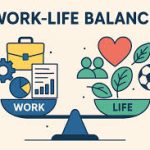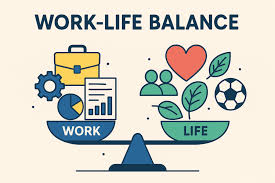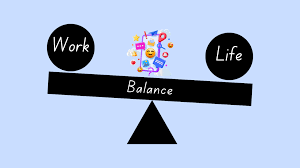
Scale anxiety, often tied to our work lives, is the worry about achieving or maintaining certain levels of success or output. This can lead to feelings of inadequacy and stress, impacting our well-being and personal time. Learning to manage it helps create a healthier work-life balance for everyone.
What Is Scale Anxiety?
Scale anxiety is a modern worry. It’s about feeling pressure to grow or perform. Think about a small business owner.
They might worry about getting bigger. They might feel scared of not being able to handle more clients. Or they might worry about failing if they don’t keep growing.
This isn’t just about money. It’s also about influence, project scope, or personal development goals.
This anxiety can show up in many ways. You might feel stressed about deadlines. You might worry about not being good enough.
You might compare yourself to others who seem to be growing faster. It can feel like a constant race. The goalposts always seem to move.
This makes it hard to feel satisfied. It’s like you’re always chasing something you can’t quite catch.
My Own Brush with Scale Anxiety
I remember a time when my blog started to get popular. It was exciting at first. More readers meant more people cared.
Then, the pressure hit. I felt I needed to write more. I needed to post every day.
I thought if I didn’t, readers would leave. My small, cozy writing space felt like a factory. I’d sit there, staring at the screen.
My mind raced with content ideas. But my body felt tired and tense.
One evening, I was trying to finish a post. The clock showed 10 PM. My cat, Leo, jumped on my lap.
He purred loudly. I looked at him. He was so content.
I realized I hadn’t played with him all day. I had missed dinner with my family. That’s when it hit me.
I was so focused on scaling my blog that I was losing myself. I was feeling a deep scale anxiety. The joy of writing was gone.
It was replaced by a gnawing worry.
The Roots of Scale Anxiety
Many things can cause this feeling. Our culture often praises growth. We see success as always getting bigger.
Social media can make this worse. We see highlight reels of others’ achievements. It’s easy to feel like we’re falling behind.
For some, it starts in childhood. Maybe parents pushed for high grades or achievements. This can create a lifelong need to prove ourselves.
In business, growth is often seen as the only way. Companies that stop growing can be seen as failing. This mindset can spill into our personal lives.
We might feel pressure to have a bigger house, more friends, or a fancier job. It’s a constant push for “more.” This chase can leave us feeling empty. It makes us question our worth if we’re not constantly expanding.
Understanding Your Triggers
What makes you feel the pressure?
- Comparison Trap: Seeing others’ success online or in person.
- Societal Norms: Believing growth is the only sign of success.
- Past Experiences: Childhood pressure or past failures.
- Fear of Stagnation: Worrying about falling behind or becoming irrelevant.
- Unrealistic Goals: Setting targets that are too hard to reach.
How Scale Anxiety Affects Work-Life Balance
When you’re worried about scaling, work can become all-consuming. Your mind is always on tasks and goals. You might work late often.
Weekends can feel like just more workdays. This leaves little time for rest. It leaves less time for family and friends.
Your hobbies might get pushed aside. Even simple breaks can feel like lost opportunities.
This constant stress takes a toll on your health. You might have trouble sleeping. You could feel more irritable.
Physical symptoms like headaches can occur. Your relationships can suffer too. When you’re stressed, you’re not fully present.
You might snap at loved ones. You might cancel plans often. This creates distance.
It makes your life feel unbalanced and unhappy.
Beginner Strategies for Managing Scale Anxiety
If you’re new to this feeling, start small. The first step is recognizing it. Pay attention to your thoughts and feelings.
When do you feel that urge to grow more? What triggers it? Simple awareness is powerful.
Next, set realistic goals. Don’t aim for huge jumps. Aim for small, manageable steps.
Celebrate each little win.
Try to create clear boundaries. Decide when your workday ends. Stick to it as much as possible.
Turn off work notifications after hours. Make time for things you enjoy. This could be reading, walking, or a hobby.
These activities help you recharge. They remind you that life is more than just work. It’s about finding joy outside of your tasks.
Quick Wins for Beginners
Start Today
- Set a Timer: Decide when work stops.
- Small Goals: Aim for one small win each day.
- Mindful Moments: Take 5 minutes to breathe deeply.
- Plan Fun: Schedule one enjoyable activity weekly.
- Say No: Decline tasks that overload you.
Advanced Techniques for Deep Work and Life Harmony
For those who have dealt with this for a while, deeper work is needed. Focus on your values. What truly matters to you?
Is it impact, learning, or connection? Align your work with these values. This can make growth feel more meaningful.
It becomes less about external validation. It’s more about internal satisfaction. This perspective shift is huge.
Practice mindful productivity. This means doing one thing well. Focus on deep work sessions.
Block out distractions. Give your full attention to the task. This can lead to better results.
It also reduces the feeling of being scattered. You’ll get more done in less time. This frees up mental space.
It allows for more balance. Think quality over sheer quantity.
Advanced Strategies
Deeper Approaches
- Value Alignment: Connect tasks to what you care about.
- Deep Work Blocks: Schedule focused, distraction-free time.
- Batching Tasks: Group similar activities together.
- Regular Review: Check if your goals still serve you.
- Mindful Breaks: Use breaks to truly rest, not just switch tasks.
The Role of Environment and Habits
Your surroundings matter. A cluttered workspace can add to stress. A calm, organized space can help you focus.
Make your workspace a place you enjoy. Good lighting and comfortable seating are important. It’s also about the mental environment.
Create routines that support balance. For example, a morning routine that includes quiet time or exercise.
Your habits shape your life. If you’re used to working through lunch, change it. Schedule a real break.
Step away from your desk. Go for a walk. Eat mindfully.
Habits are hard to break. Start with one small change. Be consistent.
Over time, these small changes add up. They create a new normal. A normal that supports both work and life.
Contrast Matrix: Normal vs. Concerning
When to Watch Closely
| Normal Occurrence | Concerning Sign |
|---|---|
| Feeling motivated to tackle a new project. | Feeling dread and panic about starting any new task. |
| Working extra hours to meet a big deadline. | Consistently working late and on weekends, with no end in sight. |
| Wanting to improve a skill or process. | Feeling like you are never good enough, no matter how much you do. |
| Taking a short break to clear your head. | Feeling guilty or anxious when not actively working. |
User Behavior and Mindset Shifts
How we behave and think is central. If you’re always “on,” you train your brain to expect it. You need to practice being “off.” This means truly disconnecting.
Put your phone away. Don’t check emails. Engage in activities that require your full attention.
This helps your brain rest and reset. It’s like giving your mental muscles a break.
A key mindset shift is accepting imperfection. Not everything has to be perfect. Not every goal needs to be a massive leap.
Sometimes, maintaining is enough. Sometimes, doing a good job is more than enough. Reframe success.
It’s not just about growth. It’s also about well-being, impact, and learning. Define success on your own terms.
When Is Scale Anxiety Normal?
It’s normal to feel some pressure to perform. Ambition is a good thing. It drives us to achieve.
Feeling a twinge of worry when a big project starts is also fine. It means you care about the outcome. Having goals that push you is healthy.
The key is how you handle these feelings. Do they paralyze you? Or do they motivate you constructively?
Normal anxiety doesn’t control your life. You can still enjoy downtime. You can still connect with loved ones.
You can sleep well. It’s a manageable feeling. It might pop up now and then.
But it doesn’t become your constant companion. It doesn’t dictate your every move. You remain in charge of your choices and your well-being.
When Should You Worry About Scale Anxiety?
You should worry when the anxiety becomes overwhelming. Does it stop you from doing things? Do you dread going to work?
Are you losing sleep regularly? If your anxiety affects your health, relationships, or overall happiness, it’s a problem. This persistent worry can lead to burnout.
It can also contribute to more serious mental health issues.
If you find yourself constantly comparing yourself to others. If you feel like you’re never doing enough. If you’re sacrificing your well-being for work.
These are signs that your scale anxiety is impacting you negatively. It’s time to seek support. This could mean talking to a friend, family member, or a professional.
Ignoring these signs can make things worse over time.
Your Personal Check-in
Ask Yourself:
- Am I losing sleep?
- Am I constantly stressed?
- Am I neglecting my loved ones?
- Do I feel joy in my work anymore?
- Am I taking care of my physical health?
If you answered “yes” to many of these, it’s time to make changes.
Simple Steps for a More Balanced Life
Start with small, consistent changes. Plan your week. Include time for work, rest, and fun.
Use a calendar. Block out time for activities you enjoy. Treat these blocks as important appointments.
Don’t let work creep into them. Learn to say no to extra commitments when you’re already full.
Take short breaks throughout the day. Even five minutes can help. Stand up, stretch, or look out a window.
Practice mindfulness. Pay attention to your breath. Focus on one thing at a time.
These simple practices can reduce stress. They help you feel more in control. They bring a sense of calm to your day.
Quick Fixes to Try
Implement Today
- 5-Minute Meditation: Use an app or just close your eyes and breathe.
- Desk Stretches: Do simple neck rolls and shoulder shrugs.
- Hydration Break: Get up to refill your water bottle.
- Mindful Eating: Focus on your food during a meal break.
- Nature View: Spend two minutes looking out a window.
Seeking Support and Professional Help
Sometimes, managing scale anxiety alone is hard. Don’t hesitate to seek support. Talk to your friends or family.
Share how you’re feeling. They can offer comfort and perspective. A supportive network is invaluable.
They can remind you of your strengths.
If the anxiety is persistent or severe, consider professional help. A therapist or counselor can provide tools and strategies. They can help you understand the root causes.
Cognitive Behavioral Therapy (CBT) is often helpful. It teaches you to change negative thought patterns. Don’t feel ashamed to ask for help.
It’s a sign of strength.
When to Reach Out
Professional Guidance is Key If:
- You feel overwhelmed most days.
- Anxiety interferes with daily life.
- You experience physical symptoms like panic attacks.
- Your relationships are suffering.
- You’ve tried managing it alone with little success.
Conclusion: Finding Your Sustainable Pace
Scale anxiety is a real challenge. It can feel like a constant push for more. But you have the power to manage it.
It’s about finding a pace that works for you. One that allows for both achievement and well-being. Start with small steps.
Be kind to yourself. Remember that balance isn’t a destination. It’s an ongoing practice.
Your well-being is the most important measure of success.
Frequently Asked Questions
What are the main signs of scale anxiety?
Common signs include feeling constant pressure to grow or achieve more, worrying about not doing enough, comparing yourself unfavorably to others, experiencing dread or panic about work tasks, and neglecting personal well-being for work.
How can I stop comparing myself to others?
Focus on your own journey and progress. Remind yourself that social media and public achievements often show only a highlight reel. Celebrate your own small wins.
Practice gratitude for what you have. If comparison is a major issue, consider limiting social media use or unfollowing accounts that trigger it.
Is it bad to want my business to grow?
No, wanting growth is natural and can be positive. The issue arises when the desire for growth becomes an overwhelming anxiety that negatively impacts your health and life. It’s about having a healthy approach to growth, rather than an anxious obsession.
What is “deep work” and how does it help with anxiety?
Deep work means focusing intently on a single task without distractions. This helps reduce anxiety because it leads to higher quality output in less time. It makes you feel more accomplished and in control, reducing the feeling of being spread too thin.
How can I set realistic goals when I feel anxious?
Break large goals into very small, manageable steps. Focus on the next immediate action rather than the entire outcome. Celebrate the completion of each small step.
Regularly review your goals to ensure they are still relevant and achievable for your current capacity.
Can burnout be a result of scale anxiety?
Yes, absolutely. Scale anxiety, with its constant pressure and potential for overwork, is a significant risk factor for burnout. If you consistently push yourself beyond your limits due to this anxiety, you can deplete your physical and mental resources.
What’s the difference between ambition and unhealthy scale anxiety?
Ambition is a healthy drive to achieve and grow, usually fueled by passion and purpose. Unhealthy scale anxiety is characterized by fear, self-doubt, and a constant feeling of inadequacy that drives you to chase external validation through growth, often at the expense of your well-being.