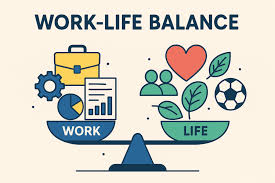
Many people wonder how to handle anxiety’s effects on their daily life. This guide explains what anxiety is and how it can make finding a good work-life balance feel impossible. We’ll share simple ideas to help you feel more in control and find peace.
What Is Anxiety and Why Does It Happen?
Anxiety is a normal human feeling. It’s your body’s way of saying there’s a threat. It’s like an alarm system.
It helps you react to danger. But sometimes, this alarm system goes off when there’s no real danger. This is when it becomes a problem.
It can feel like constant worry. You might feel restless or on edge. Trouble sleeping is common.
You might also find it hard to focus. Physical signs can include a fast heartbeat, sweating, or shaky hands. It’s a feeling of unease or dread about what might happen.
This is often linked to future events.
Why does this happen? Many things can play a role. Your genes might make you more prone to it.
Stressful life events can trigger it. Even certain medical issues or medicines can cause anxiety. Your brain chemistry is also important.
Certain chemicals in your brain affect your mood and feelings.
It’s not about being weak. It’s about how your brain and body respond to stress. This response can sometimes be too much.
It can feel overwhelming. Many things can cause it to flare up. Big changes in life, like a new job or a loss, can do it.
Even small, daily worries can add up.
My Own Battle with the Worry Monster
I remember a time when work felt like a giant wave. I was juggling deadlines, team meetings, and client calls. It was a lot.
Late nights became the norm. I’d get home, exhausted, but my brain wouldn’t shut off. It would replay every mistake I might have made.
One evening, I was trying to make dinner. The simplest tasks felt hard. I dropped a fork.
It clattered on the floor. Suddenly, I felt a surge of panic. It felt like I had failed at something so basic.
My heart started pounding. I felt a hot flush creep up my neck. I just wanted to hide.
That was when I knew something was really off. My anxiety wasn’t just at work anymore. It was everywhere.
This constant worry made me feel alone. I saw others seeming to manage it all. They had careers, families, and hobbies.
I felt like I was drowning. This feeling of not being good enough stuck with me. It made me pull back from friends and family.
I thought if they saw how stressed I was, they’d judge me. It was a lonely and scary time. That feeling of being trapped by my own thoughts was the worst.
What Anxiety Feels Like for Different People
Racing Thoughts: Many feel like their mind is a hamster wheel. Thoughts go round and round too fast to catch.
Physical Sensations: Some get butterflies in their stomach. Others feel a tightness in their chest. Sweaty palms are also common.
Avoidance: People might start avoiding things that make them feel anxious. This could be social events or even specific places.
Irritability: When stressed, people can snap more easily. Small things can set them off.
Fatigue: Constant worry is tiring. It drains your energy, making everyday tasks feel like climbing a mountain.
The Unseen Link: Anxiety and Work-Life Balance
When you’re anxious, your focus shifts. Your brain is on high alert. It’s scanning for threats.
This makes it hard to switch off from work. Even when you’re home, your mind might be back at the office. You worry about what you forgot or what might go wrong tomorrow.
This constant mental chatter eats away at your free time. It makes it hard to relax. You might be physically present, but your mind is somewhere else.
This is why work-life balance suffers. You can’t truly enjoy your downtime. You can’t be fully present with loved ones.
Anxiety can also make you feel overwhelmed. Big tasks at work seem impossible. Small tasks at home might also feel like too much.
This can lead to procrastination. You put things off because you dread starting them. This creates more stress.
It’s a cycle that’s hard to break.
Your energy levels are also affected. When you’re anxious, your body uses a lot of energy. It’s like running a marathon in your mind.
This leaves you with little energy for hobbies or family. You just want to rest. But even resting can be hard when your mind is busy.
This struggle impacts your relationships. You might be less patient. You might withdraw from others.
People might not understand why you’re not yourself. They see you, but they don’t see the internal battle. This can create distance.
How Anxiety Steals Your Balance
Mind is Always “On”: Even off hours are spent worrying about work tasks.
Reduced Enjoyment: Can’t relax or enjoy free time. Hobbies feel like chores.
Low Energy: Constant worry drains you. Little energy left for personal life.
Decision Paralysis: Overwhelmed by choices, both at work and home.
Relationship Strain: Irritability or withdrawal can hurt connections with others.
When Is It More Than Just Stress?
It’s normal to feel stressed now and then. Life throws curveballs. But when these feelings stick around, it might be anxiety.
There are signs to watch for. They tell you it’s time to pay closer attention.
One sign is how long the worry lasts. Is it for a few hours or days? Or is it for weeks or months?
If it’s long-lasting, that’s a clue. Another is how intense the feeling is. Does it stop you from doing things?
Does it feel like you can’t control it?
Think about your daily life. Is anxiety getting in the way of your work? Are you missing deadlines?
Are you making more mistakes? Does it stop you from enjoying time with your family? Do you avoid social events because you feel too worried?
Physical symptoms can also be a big hint. If you have constant headaches, stomach problems, or muscle tension that doctors can’t explain, it might be anxiety. Trouble sleeping for a long time is another key sign.
Feeling tired all the time, even after resting, points to it too.
It’s also about how much it interferes with your life. If you used to love doing things but now you dread them, that’s a red flag. If you feel a constant sense of doom or dread, it’s more than just a passing worry.
These feelings can really take over. They make it hard to feel like yourself.
Normal Stress vs. Concerning Anxiety
| Normal Stress | Concerning Anxiety |
| Short-lived, tied to specific events. | Long-lasting, may have no clear cause. |
| Felt intensely but passes. | Constant worry, hard to control or stop. |
| Doesn’t stop daily tasks often. | Interferes with work, home, and social life. |
| Physical signs are mild and brief. | Physical signs are frequent and disruptive. |
Understanding the Root: Common Anxiety Triggers
Anxiety doesn’t just appear from nowhere. It’s usually sparked by something. Understanding these sparks can help you prepare.
It can also help you manage your reactions. Many things can trigger it. Some are big events.
Others are small, daily irritations.
Work pressure is a big one. Too many deadlines. Feeling unsupported.
Fear of making mistakes. These all contribute. A demanding boss or a toxic work environment can also be major triggers.
Not feeling valued at work is a common cause of stress.
Personal life events play a huge role. Big changes like moving. Getting married or divorced.
Having a baby. Or even losing a loved one. These are major life shifts.
They naturally bring on stress. Sometimes, the stress lingers long after the event.
Financial worries are a common source of anxiety for many. Not having enough money. Unexpected bills.
Fear of losing your job. These can create constant background stress. The feeling of insecurity is tough to shake.
Health concerns can also trigger anxiety. Worrying about your own health. Or the health of a loved one.
Serious illness or chronic pain can be very stressful. This often leads to worry about the future. It’s natural to feel this way.
Even daily hassles can add up. Things like traffic jams. Minor arguments.
Or feeling rushed. These small things can chip away at your peace. Over time, they can lead to a build-up of stress.
It’s like a slow drip that fills a bucket.
Quick Scan: Common Anxiety Triggers
At Work:
Deadlines, demanding tasks, conflict, job insecurity.
In Life:
Major changes, relationship issues, loss, major decisions.
Finances:
Debt, unexpected expenses, fear of not having enough.
Health:
Personal illness, family health problems, chronic pain.
Daily Life:
Commuting, small arguments, feeling rushed, unexpected problems.
The Cycle of Worry: How It Affects Your Decisions
When you’re anxious, your thinking changes. Your brain wants to protect you. It focuses on what could go wrong.
This makes it hard to see the good. It makes it hard to make clear choices. You might get stuck in a loop of “what ifs.”
This is often called worry. It’s a constant stream of negative thoughts. You might think about all the ways a situation could fail.
This can lead to “analysis paralysis.” You think so much about a decision that you can’t make one. Or you make a choice based on fear.
For example, at work, you might worry about taking on a new project. You think about all the ways you could mess it up. So you avoid it.
This might feel safe in the moment. But it stops you from growing. It also means you miss opportunities.
This can lead to regret later.
At home, it can be similar. You might worry about a family event. You might think of all the potential conflicts.
So you decide not to go. This avoids immediate discomfort. But it can damage relationships.
You miss out on shared moments.
This cycle affects your work-life balance directly. If you’re afraid to take risks at work, you might feel stuck. If you avoid social events at home, you feel isolated.
Both situations chip away at your well-being. You end up less happy overall.
Learning to manage this cycle is key. It’s about challenging those worried thoughts. It’s about trusting yourself to handle whatever comes.
It’s about choosing action over fear. This takes practice, but it is possible.
The “What If” Trap
Scenario: A new project comes up at work.
Anxious Thought: “What if I can’t do it? What if I fail and everyone knows? I should just say no.”
Reality: The project might be challenging, but it’s also a chance to learn and grow. Even if there are stumbles, they are learning moments, not failures.
What to Aim For: “This project looks interesting. I’ll break it down into smaller steps. I can ask for help if I need it.
I’m capable of learning new things.”
Real-Life Impact: How Anxiety Messes with Your Day
Imagine waking up. Your body feels heavy. Your mind is already full of things to worry about.
This isn’t just feeling tired. It’s a deep exhaustion that anxiety brings. Even simple tasks can feel like climbing a mountain.
At work, this might mean you struggle to concentrate. You read the same email three times. You forget what you were doing mid-task.
This makes your workday longer. It also leads to more mistakes. You feel frustrated with yourself.
You might feel like you’re not performing well.
Outside of work, it’s similar. You might snap at your kids. You might ignore your partner’s questions.
You just don’t have the mental space. You’re too busy managing your internal storm. This makes your home feel less like a sanctuary.
It feels like another place where you have to perform.
Hobbies you once loved might now feel like chores. Reading a book is hard when your mind wanders. Going for a walk feels like too much effort.
You start to lose touch with the things that used to bring you joy. This makes you feel even more disconnected.
Sleep is often the first casualty. You lie awake, mind racing. Or you wake up in the middle of the night feeling panicked.
Poor sleep makes everything worse. It lowers your mood. It makes you more irritable.
It makes it even harder to focus the next day.
This cycle can make you feel trapped. You want to enjoy life. You want to be present.
But the anxiety keeps pulling you back. It’s like a dark cloud that follows you everywhere. It dims the colors of your day.
Daily Life on High Alert
Morning: Waking up with dread. Difficulty getting out of bed.
Workday: Trouble focusing. Errors. Feeling overwhelmed by tasks.
Evening: Low energy for family. Snapping easily. Ignoring conversations.
Downtime: Hobbies feel like work. No real rest or enjoyment.
Night: Difficulty sleeping. Waking up anxious.
When to Seek Professional Help
Sometimes, managing anxiety on your own is not enough. If your worries are constant and intense, it’s okay to ask for help. There are professionals who understand.
They can offer support and tools to help you cope.
You should consider seeking help if your anxiety is interfering with your daily life. This means it’s making it hard to work. Or it’s impacting your relationships.
If you’re avoiding things you used to enjoy, that’s a sign too. If you feel overwhelmed most of the time, it’s time to talk to someone.
A doctor is a good starting point. They can rule out any physical causes for your symptoms. They can also suggest next steps.
They might refer you to a therapist or counselor. These professionals are trained in mental health. They can offer treatments like therapy or medication.
Therapy, like Cognitive Behavioral Therapy (CBT), is very effective. It helps you identify and change negative thought patterns. It teaches you coping skills.
You learn how to manage your anxious feelings. You can also talk to a psychiatrist. They can assess if medication might be helpful for you.
Remember, seeking help is a sign of strength. It’s not a weakness. It means you are taking control of your well-being.
You are choosing to feel better. There are many effective ways to manage anxiety. You don’t have to go through this alone.
Signs It’s Time to Talk to a Professional
Persistent Worry: Anxiety lasts for weeks or months.
Life Disruption: It stops you from working or enjoying life.
Physical Symptoms: Unexplained headaches, stomach issues, or sleep problems.
Panic Attacks: Sudden, intense fear with physical symptoms.
Avoidance: You constantly avoid situations that make you anxious.
Feeling Hopeless: You feel like things will never get better.
Strategies for Better Work-Life Balance with Anxiety
Finding balance when anxiety is present is a journey. It’s not always easy. But small steps can make a big difference.
The goal is to manage anxiety so it doesn’t control your life. This frees up energy for work and home.
Set Clear Boundaries: This is crucial. Decide when your workday ends. Stick to it.
Avoid checking emails late at night. Tell your colleagues your working hours. This shows respect for your own time.
It helps prevent work from spilling over.
Practice Mindfulness and Deep Breathing: These techniques calm your nervous system. Take a few minutes each day. Focus on your breath.
Notice your surroundings. This brings you back to the present moment. It helps quiet the racing thoughts.
Even 5 minutes can help.
Schedule Downtime: Just like work tasks, schedule time for yourself. Put it on your calendar. This could be reading, a hobby, or just relaxing.
Treat this time as important. It’s not a reward; it’s a necessity for your well-being.
Break Down Tasks: Big projects can feel overwhelming when you’re anxious. Break them into smaller, manageable steps. Focus on completing one step at a time.
This makes them seem less scary. Celebrate small wins along the way.
Move Your Body: Physical activity is a powerful stress reliever. It doesn’t have to be intense. A brisk walk, some stretching, or dancing can help.
Exercise releases endorphins. These are natural mood boosters. Aim for some movement daily.
Connect with Others: Don’t isolate yourself. Talk to trusted friends or family. Sharing your feelings can lighten the load.
Social support is vital. Let people know you’re struggling. They might offer comfort or understanding.
Learn to Say No: It’s okay to decline extra tasks or commitments. You don’t have to do everything. Saying no protects your energy.
It prevents you from becoming overcommitted. This is a key skill for balance.
Limit News and Social Media: Constant exposure to negative news or social comparison can increase anxiety. Be mindful of your media consumption. Take breaks.
Unfollow accounts that make you feel worse.
Quick Tips for Calmer Days
- Set Work End Times: Stick to them firmly.
- Breathe Deep: Practice simple breathing exercises daily.
- Schedule Fun: Block out time for relaxation and hobbies.
- Small Steps: Tackle tasks one piece at a time.
- Get Moving: Walk, stretch, or dance for stress relief.
- Talk It Out: Share feelings with a trusted person.
- Be Honest About Limits: Learn to say “no” kindly.
- Screen Breaks: Limit time on news and social media.
Building a Foundation of Self-Care
Self-care isn’t selfish. It’s essential. It’s about actively taking steps to protect your mental and physical health.
When you have anxiety, self-care becomes even more important. It’s what helps you build resilience.
Prioritize Sleep: Aim for 7-9 hours of quality sleep. Create a relaxing bedtime routine. Keep your bedroom dark and quiet.
Avoid screens before bed. Good sleep is foundational for managing anxiety. Without it, everything feels harder.
Nourish Your Body: What you eat affects your mood. Eat balanced meals. Include plenty of fruits, vegetables, and whole grains.
Limit sugar, processed foods, and excessive caffeine. Hydration is also key. Drink enough water throughout the day.
Engage in Relaxing Activities: Find things that help you unwind. This could be taking a bath, listening to music, spending time in nature, or meditating. Schedule these activities.
Make them a regular part of your week. They are not optional.
Practice Self-Compassion: Be kind to yourself. You are doing your best. When you make mistakes or feel overwhelmed, treat yourself with the same kindness you would offer a friend.
Recognize that having anxiety is difficult.
Set Realistic Expectations: You won’t always feel perfect. There will be good days and bad days. That’s normal.
Don’t aim for a life without any anxiety. Aim for a life where you can manage it and still live fully.
Seek Joy: Make time for activities that genuinely make you happy. Even small moments of joy can shift your perspective. Laugh more.
Spend time with people who lift you up. These positive experiences build up your inner strength.
Your Self-Care Toolkit
Sleep Sanctuary: Make your bedroom a calm space for rest.
Mindful Eating: Fuel your body with healthy foods.
Unwind Rituals: Schedule calming activities regularly.
Kind Inner Voice: Speak to yourself with compassion and understanding.
Acceptance: Understand that some days will be harder than others.
Joyful Moments: Actively seek out and savor happy experiences.
When to Worry About Your Work-Life Balance
It’s easy to get caught up in work. But when does that stop being a normal part of ambition and become a real problem? There are key signs that your work-life balance is suffering too much.
These signs often involve your health and happiness.
Constant Exhaustion: You feel tired all the time. Not just after a long day, but always. Even after a good night’s sleep, you don’t feel rested.
This means your body is not recovering.
Neglecting Personal Needs: You stop eating well. You skip exercise. You don’t make time for sleep.
Your basic needs are pushed aside for work. This is unsustainable long-term.
Strained Relationships: Your work commitments mean you miss important family events. You’re always irritable with loved ones. Or you’re so tired you have no energy for them.
This damages your closest bonds.
Loss of Interest: You stop enjoying hobbies or activities you once loved. They feel like too much effort. You withdraw from social life.
This can be a sign of burnout or depression.
Health Problems: You start experiencing stress-related physical issues. This could be frequent headaches, digestive problems, or even a weakened immune system. Your body is telling you something is wrong.
Feeling Unfulfilled: Even if you are successful at work, you don’t feel happy. You feel like you’re missing something. This lack of balance can lead to a sense of emptiness.
You might wonder what it’s all for.
If these signs sound familiar, it’s a strong signal that your balance is off. It’s time to make some changes. Your well-being is just as important as your career.
It needs attention and care. Don’t wait until you’re completely burned out.
Red Flags for Work-Life Balance
- Chronic fatigue that sleep doesn’t fix.
- Skipping meals, exercise, or sleep for work.
- Arguments or distance with family and friends.
- Losing interest in hobbies and social activities.
- Developing new physical health complaints.
- Feeling unhappy or empty despite work success.
Frequently Asked Questions About Anxiety and Balance
What is the main difference between stress and anxiety?
Stress is usually a response to an external trigger, like a tight deadline. It’s often short-lived. Anxiety, however, is a more persistent feeling of worry or fear, even without a clear cause.
It can last much longer and interfere more with daily life.
Can anxiety really affect my physical health?
Yes, absolutely. Chronic anxiety can lead to many physical symptoms. These include headaches, muscle tension, stomach problems, fatigue, and even a weakened immune system.
Your body is constantly in a state of alert, which takes a toll.
How can I stop worrying so much about work when I’m home?
Try setting clear boundaries for your workday. When your workday is done, actively switch off. Engage in a relaxing activity or talk to someone.
Mindfulness exercises can also help pull your focus away from work worries and into the present moment.
Is it okay to talk to my boss or colleagues about my anxiety?
This depends on your workplace culture. For some, it’s helpful to be open. For others, it might feel less comfortable.
You can start by setting boundaries around your work hours. You can also focus on communicating your needs clearly, without necessarily labeling it as anxiety.
What are some quick ways to feel calmer when anxiety strikes?
Deep breathing exercises are very effective. Simply inhaling slowly through your nose and exhaling through your mouth can help. Grounding techniques also work well, like focusing on five things you can see, four you can touch, three you can hear, two you can smell, and one you can taste.
How long does it take to see improvement in anxiety management?
It varies for everyone. Some people feel better with simple lifestyle changes within weeks. Others might take months, especially if they are in therapy or on medication.
Consistency is key. Small, regular efforts build up over time. Be patient with yourself.
Finding Your Peace
Anxiety can feel like a heavy burden. It can make work and life feel unbalanced. But it doesn’t have to control you.
By understanding what it is and how it affects you, you can start to find relief. Remember to be gentle with yourself. Small changes can lead to big improvements.
Your journey to a calmer, more balanced life starts now.