Feeling overwhelmed by how much you need to do? Does your to-do list seem endless? It’s easy to get caught up in wanting to do more.
This often leads to anxiety. We want to track our progress. But sometimes, that tracking makes us feel worse.
This is especially true with work and life. Finding a good balance feels tough. This article will help you understand why.
We will also share ways to feel better. You’ll learn to manage this stress. You can find a calmer way to live and work.
Tracking progress anxiety and improving work-life balance involves understanding your feelings and taking small, manageable steps. It’s about finding a rhythm that works for you, not just following a rigid plan. Focus on celebrating small wins and setting realistic boundaries to reduce stress and create a more fulfilling life.
Understanding Progress Anxiety
Progress anxiety is that knot in your stomach. It happens when you feel you aren’t moving forward fast enough. Or maybe you worry about falling behind.
This can affect many parts of your life. Your job, your hobbies, even your personal goals. It’s like a constant hum of “not enough.”
We live in a world that often shows us highlight reels. Social media and news can make it seem like everyone else is achieving big things. This can make your own pace feel slow.
Even when you are working hard, this feeling can creep in. You might compare yourself to others. This comparison is rarely helpful.
It often fuels the anxiety.
It’s important to know this feeling is common. Many people experience it. It’s not a sign of weakness.
It’s often a sign you care. You want to do well. You have goals.
The trick is to make sure this desire doesn’t become a source of worry. We need to learn how to guide that energy better. We need to channel it into positive action, not just stress.
Why Work-Life Balance Matters
Work-life balance is not just a buzzword. It’s vital for your well-being. When work takes over, other parts of your life suffer.
Your health might decline. Your relationships can get strained. Your personal happiness takes a hit.
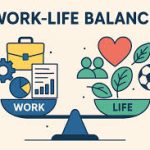
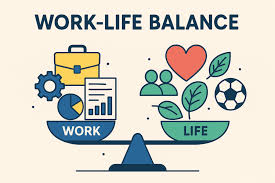
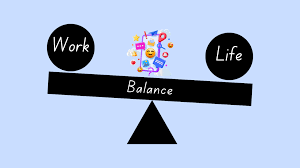
Think about it like a seesaw. If one side is too heavy, the other side goes up too high. It becomes unstable.
Your life needs a good balance. You need time for your job. But you also need time for rest.
You need time for family and friends. You need time for yourself to recharge and enjoy things.
When balance is off, burnout can happen. Burnout is a serious issue. It drains your energy.
It makes you feel detached. It can reduce your sense of accomplishment. This can make work feel like a chore.
It can make life feel less joyful. So, protecting your work-life balance is a form of self-care. It’s about creating a sustainable life.
One where you can thrive, not just survive.
My Own Struggle with Pacing
I remember a time a few years ago. I was working on a big project at work. It was exciting but also very demanding.
I had set ambitious goals for myself. I wanted to impress my boss and my team. Each day, I’d make a list.
I’d check things off. But at the end of the day, I’d feel this pang. “Did I do enough?”
I started working longer hours. I skipped lunch breaks. I even started checking emails on my phone while I was with my family.
I told myself this was necessary. This was the price of success. I felt a constant pressure to be productive.
The idea of taking a break felt like admitting defeat. One evening, I was trying to help my daughter with her homework. I was looking at my phone, thinking about a work problem.
She looked at me and said, “Mom, you’re not really here.”
That hit me hard. I realized I was present physically, but not mentally. My anxiety about not progressing enough was making me miss out on life.
I was so focused on the destination, I was ignoring the journey. The people I loved. That was a wake-up call.
I knew I needed to find a different way. A way to track progress without letting it steal my peace.
Common Signs of Progress Anxiety
Feeling behind: Even when you achieve a lot, you feel like you aren’t moving fast enough. You constantly think about what you should be doing.
Constant comparison: You compare your achievements and pace to others. This often makes you feel inadequate.
Fear of stopping: Taking a break feels scary. You worry that if you stop, you’ll never catch up.
Perfectionism: You aim for perfection. Small mistakes can feel like major setbacks.
Restlessness: You feel a constant need to be busy. Relaxing feels like wasted time.
How We Track Progress (And Why It Can Backfire)
We track progress in many ways. We use to-do lists. We mark tasks as complete.
We look at project timelines. We check our bank accounts. We monitor our fitness goals.
These tools can be very helpful. They give us a sense of direction.
However, these tools can also become sources of anxiety. A long to-do list can look daunting. A missed deadline can feel like failure.
Seeing a number in your bank account that isn’t as high as you hoped can cause worry. If the scale doesn’t move, you might feel discouraged.
The problem is often in how we use these trackers. We focus only on the end goal. We forget to acknowledge the steps we take.
We might only see what’s missing. Not what we have achieved. This narrow focus can make progress seem slower than it is.
It can make us feel like we are always falling short. Even when we are making real strides forward.
Tracking Styles and Their Pitfalls
To-Do Lists: Pitfall: Can become overwhelming. Seeing a long list might cause dread, not motivation.
Project Timelines: Pitfall: Can create pressure. Minor delays can feel like major failures.
Goal Setting (SMART): Pitfall: If goals are too ambitious, they can lead to disappointment. The “Achievable” part is key.
Financial Tracking: Pitfall: Can cause stress if numbers aren’t what you expect, ignoring overall financial health.
Habit Trackers: Pitfall: Missing a day can lead to a feeling of complete failure, undoing progress.
The Impact on Work-Life Balance
When progress anxiety takes hold, work-life balance suffers. Your focus narrows to just one area. Often, it’s work.
You might work late. You might bring work home. You might think about work constantly.
This makes it hard to switch off. Your mind is always racing. “Am I doing enough?” “What’s next?” This constant mental load is tiring.
It leaves little energy for other things. Your family might feel ignored. Your friends might wonder where you’ve gone.
Your own hobbies and interests get pushed aside.
This imbalance creates a cycle. The more anxious you are about progress, the more you focus on work. The more you focus on work, the less balanced your life becomes.
This can lead to burnout. It can make you feel unhappy and unfulfilled. You start to question if the effort is even worth it.
This is where we need to intervene. We need to find ways to break this cycle.
Quick Scan: Work-Life Balance Indicators
- Work Hours: Consistently working more than 40-50 hours per week?
- Energy Levels: Do you feel drained most evenings?
- Social Life: Do you rarely see friends or family?
- Hobbies: Have you stopped doing things you enjoy?
- Stress: Does work-related stress spill into your personal time?
If you answered yes to many of these, your balance might be off.
Shifting Your Perspective: Focus on Process, Not Just Outcome
The biggest shift you can make is to change how you view progress. Instead of only looking at the final destination, focus on the journey. What are the small steps you are taking?
Celebrate those. These small wins add up.
Think about learning to ride a bike. You don’t just hop on and ride perfectly. There are wobbles.
There are maybe a few falls. But each time you get back up, you learn. You get a little better.
Those wobbles and near-falls are part of the process. They are progress, too. Your current effort is the real measure of your progress.
This mindset helps reduce anxiety. When you focus on the process, you appreciate the effort. You see value in the learning.
You understand that setbacks are normal. They are part of growing. This doesn’t mean you stop having goals.
It just means you are kinder to yourself along the way. You acknowledge that progress isn’t always a straight line. It’s more like a winding path.
Practical Ways to Track Progress Mindfully
So, how can we track progress without feeding anxiety? It’s about using tools wisely. It’s about being gentle with ourselves.
It’s about finding a rhythm that works for you.
First, adjust your tracking tools. Instead of just a list of tasks, try a “done” list. At the end of the day, write down what you did accomplish.
Even small things count. “Sent that important email.” “Made that difficult phone call.” “Spent 15 minutes planning my week.”
Consider a gratitude journal. Each day, write down a few things you are thankful for. This can be about work achievements.
Or it can be about simple life joys. It helps shift your focus from what’s lacking to what’s abundant.
For larger goals, break them down into tiny steps. Focus on completing just one small step each day. Celebrate that tiny victory.
This makes the goal feel less intimidating. It shows you are moving forward, even if slowly.
Mindful Tracking Techniques
Daily Wins Log: Instead of a to-do list, create a “Done” list. Note tasks completed, no matter how small.
Weekly Review: Look back at your week. What went well? What did you learn?
What are you proud of?
Process Journals: Keep a journal focused on the actions you took towards a goal, rather than just the outcome.
Gratitude Practice: Regularly note things you are thankful for, in both work and personal life.
Milestone Celebrations: Acknowledge and celebrate reaching smaller milestones on the path to larger goals.
Setting Realistic Boundaries
Boundaries are essential for work-life balance. They protect your time and energy. They tell others (and yourself) what is okay and what isn’t.
Start with work hours. When is your workday over? Try to stick to it.
This might mean saying no to extra tasks sometimes. Or delegating if possible. It’s okay to say, “I can’t take that on right now.
My plate is full.”
Set boundaries around your phone and email. Decide when you will check them. Maybe you don’t check email after 7 PM.
Or you turn off notifications during family time. This creates clear separation between work and personal life.
It also means setting boundaries with yourself. Don’t let the anxiety about progress push you into working when you should be resting. Your brain needs downtime to function well.
Rest is not lazy; it’s necessary for performance.
Boundary Setting Checklist
- Define your working hours: What time do you start and finish?
- Communicate your availability: Let colleagues know when you are and aren’t available.
- Schedule personal time: Block out time for family, friends, and hobbies.
- Tech-free zones/times: Designate times or places where devices are put away.
- Learn to say “no”: Politely decline requests that would overload you.
The Role of Self-Compassion
Self-compassion is key to managing progress anxiety. It means treating yourself with kindness. Especially when things are tough.
It means acknowledging that you are human.
When you make a mistake, or don’t meet a goal, it’s easy to be hard on yourself. Self-compassion means speaking to yourself like you would a good friend. You would offer them support and understanding.
You should offer that to yourself too.
This involves recognizing that struggles are part of the human experience. Everyone faces challenges. Everyone has moments of doubt.
You are not alone in this. By practicing self-compassion, you reduce the harsh inner critic. This allows for more growth.
It makes you more resilient.
Integrating Rest and Recharge
Rest is not a reward for hard work. It is a necessary component of it. When you don’t rest, your productivity suffers.
Your creativity dwindles. Your health can decline.
Make rest a priority. This means actual downtime. Not just scrolling through your phone.
It means engaging in activities that truly recharge you. Things like spending time in nature. Reading a good book.
Listening to music. Spending quality time with loved ones.
Schedule rest into your week. Treat it like an important appointment. If you don’t schedule it, it often gets pushed aside.
Remember that a well-rested mind is a more effective mind. It’s also a happier mind. Prioritizing rest is a direct investment in your overall well-being and your ability to manage anxiety.
Recharge Activities (Choose what works for YOU)
Nature Walks: Being outdoors can reduce stress and clear your mind.
Mindfulness/Meditation: Even 5-10 minutes a day can make a difference.
Creative Pursuits: Engaging in art, music, writing, or crafting.
Light Exercise: Gentle movement can boost mood and energy.
Social Connection: Spending quality time with supportive people.
Hobbies: Rediscovering and engaging in activities you love.
Recognizing When to Seek Help
Sometimes, progress anxiety and work-life balance issues become too much to handle alone. If you find yourself constantly stressed, sad, or unable to function, it’s okay to ask for help.
A therapist or counselor can provide tools and strategies. They can help you understand the root causes of your anxiety. They can guide you in developing healthier coping mechanisms.
They can offer a safe space to talk about your struggles.
Your doctor can also be a resource. They can rule out any underlying health conditions. They can also suggest resources for mental health support.
Remember, seeking help is a sign of strength. It’s a proactive step towards a healthier, happier life.
Frequent Questions About Progress Anxiety and Work-Life Balance
What is the main cause of progress anxiety?
Progress anxiety often stems from societal pressures, comparison with others, and a strong desire for achievement. It’s fueled by the fear of falling behind or not being good enough. We often internalize high expectations.
How can I stop comparing myself to others?
Focus on your own journey and progress. Remind yourself that everyone has a different path. Celebrate your unique strengths and achievements.
Practice self-compassion and gratitude. Limit exposure to social media if it triggers comparisons.
Is it normal to feel anxious about work-life balance?
Yes, it is very common to feel anxious about work-life balance, especially in today’s fast-paced world. Many people struggle to find that equilibrium. It’s a sign that you care about doing well in both areas of your life.
How often should I track my progress?
This depends on your goals and personality. Some people benefit from daily tracking of small wins. Others prefer a weekly or monthly review.
The key is to track in a way that feels supportive, not stressful.
What’s the difference between healthy ambition and progress anxiety?
Healthy ambition drives you to grow and achieve, bringing satisfaction. Progress anxiety is a constant, uncomfortable worry that you’re not doing enough, leading to stress and unhappiness.
Can I improve my work-life balance on my own?
Yes, many people can improve their work-life balance through self-awareness, setting boundaries, and prioritizing self-care. However, if the anxiety is severe or persistent, professional support can be very beneficial.
Conclusion
Managing progress anxiety and finding a better work-life balance is a journey. It takes practice and patience. Be kind to yourself as you learn.
Focus on small, consistent steps. Celebrate your efforts and your wins, big or small. Remember that your well-being is the most important goal.
A balanced life is a richer life.