Creating a digital product often brings unexpected stress. This anxiety can harm your personal time and well-being. This article explores why this happens and offers ways to manage it, helping you achieve a better work-life balance.
Understanding Digital Product Anxiety
So, what exactly is this anxiety? It’s that worry you feel when you think about making and selling something online. Maybe it’s an ebook, a course, or a software tool.
You worry if people will like it. You worry if you can actually build it. You worry if you’ll make any money.
This can feel huge.
It’s more than just pre-launch jitters. It’s a deep-seated concern. It often involves fear of failure.
It can also stem from not knowing where to start. Or feeling like you’re not good enough. This anxiety isn’t just about the product itself.
It’s about the whole journey.
This journey can seem endless. You have to create the thing. Then you have to market it.
You have to talk to customers. It all takes time. And that time often cuts into your personal life.
That’s where the work-life balance issue really shows up.
Why Does Creating Digital Products Feel So Stressful?
There are several reasons why this happens. Let’s look at some common ones. Most people don’t talk about these enough.
One big reason is the pressure to be perfect. You pour your heart into something. You want it to be amazing.
You see other successful products. They look so polished. This can make you feel your own work isn’t good enough.
You might delay launching because it’s not “ready.”
Another reason is imposter syndrome. This is common. You feel like you’re tricking people.
You don’t really know what you’re doing. You worry someone will find out you’re a fraud. Even when you’re an expert, this feeling can stick around.
Then there’s the fear of judgment. Putting your work out there means people might criticize it. They might say they don’t like it.
Or worse, they might ignore it. This can be scary. It feels personal.
We also often underestimate the time and effort involved. We see successful creators. We don’t see all the behind-the-scenes work.
We think it will be faster or easier than it is. This leads to burnout.
Finally, the lines between work and life blur easily. When you work from home, or on your own schedule, it’s easy to work all the time. Your computer is always there.
Your ideas can strike at any hour. This makes it hard to switch off.
Common Fears Behind Digital Product Anxiety
Fear of Not Selling Enough: What if no one buys my product?
Fear of Technical Issues: What if the website crashes? Or the payment system fails?
Fear of Negative Feedback: What if people say mean things about my work?
Fear of Overwhelm: I have too much to do and don’t know where to start.
Fear of Time Commitment: This will take over my life.
The Impact on Your Work-Life Balance
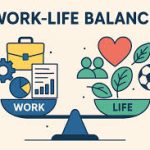
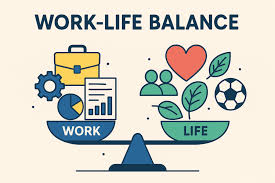
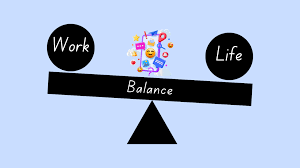
When digital product anxiety takes hold, your work-life balance suffers. It’s like a seesaw. One side, work, gets heavier and heavier.
The other side, life, gets lighter and lighter.
You might find yourself working late nights. Weekends disappear. You might cancel plans with friends or family.
Your hobbies get pushed aside. Even when you’re not working, your mind is still on the product. You’re thinking about the next step.
You’re worrying about potential problems.
This constant mental load is exhausting. It leads to stress. It can cause sleep problems.
It can affect your relationships. You might feel guilty for not working. You might feel guilty for taking breaks.
This is not a sustainable way to live. It’s easy to get caught in this trap. You tell yourself it’s temporary.
“Just until the launch.” But then the launch happens, and there’s a new problem. Or a new product idea. The cycle continues.
I remember a time when I was building my first online course. I was so excited. But then the anxiety hit.
I was working until 2 AM. I was snapping at my partner. I felt like I was failing at everything.
My health started to suffer. I realized I had to change something. This wasn’t the dream I imagined.
Signs Your Work-Life Balance is Off
- You constantly think about work, even on days off.
- You feel guilty when you’re not working.
- Your sleep is disturbed by work worries.
- You’re irritable with loved ones.
- You’ve stopped doing hobbies you enjoy.
- You feel exhausted all the time.
Navigating the Early Stages: Idea to Outline
The journey starts with an idea. This is often the most exciting part. But even here, anxiety can creep in.
“Is this idea good enough?” “Has this been done before?”
It’s important to remember that no idea is truly unique. It’s how you present it and who you serve that matters. Don’t let the fear of originality stop you.
Once you have an idea, you need to plan. This means creating an outline. Think of it as a roadmap.
It shows you the steps you need to take. It breaks down the big project into smaller, manageable tasks.
This is a good time to start thinking about who your product is for. Who is your ideal customer? What problems do they have?
How will your product solve them? Focusing on the customer can shift your anxiety from “me” to “them.”
For example, if I wanted to create a guide on houseplants, I’d ask: Who struggles with plants? People who travel a lot? Beginners?
People with low light apartments? This helps me focus my content. It makes the task feel less daunting.
Creating Your Product Outline
1. Brainstorm Core Topics: List everything your product needs to cover.
2. Organize into Modules/Sections: Group related topics together.
3. Break Down Each Module: What specific lessons or points go into each section?
4. Define Deliverables: What will people get? (e.g., PDF, video, worksheet)
5. Add Action Steps: What should users do after learning something?
Building the Product: From Draft to Done
This is often where the most intense anxiety happens. You’re creating the actual content. You’re facing the blank screen.
You’re trying to make it all come together.
My own experience taught me a valuable lesson here. I used to try to write everything perfectly the first time. This led to huge blocks.
I’d stare at the page for hours. I’d delete more than I wrote.
The shift came when I embraced the “shitty first draft” idea. This is a concept from Anne Lamott. It means just get something down.
Don’t worry if it’s good. Just get the words out. You can always fix it later.
This is key for managing perfectionism.
For a digital product, this might mean:
- Writing rough notes for your video script.
- Typing out your ebook chapters without worrying about perfect grammar.
- Sketching out your software features without getting into the code yet.
This approach helps reduce the pressure. It makes the task feel less overwhelming. You’re not aiming for perfection.
You’re aiming for completion. Then, you go back and refine. You edit.
You polish. This iterative process is much kinder to your mental health.
When creating an ebook, I’ll often start with bullet points for each chapter. Then I’ll expand those points into sentences. I don’t worry about flow or style at this stage.
That comes later during editing. It feels much more like building something rather than creating a masterpiece from scratch.
Your “First Draft” Toolkit
Use a Voice Recorder: Speak your ideas out loud. Transcribe later.
Mind Mapping: Visually brainstorm and connect ideas.
Freewriting: Write for a set time without stopping or censoring yourself.
Use Templates: If creating a course, use a pre-made structure.
Focus on One Section at a Time: Don’t think about the whole project.
Marketing and Launching: Facing the Public
This is often the scariest part for many. You’ve built your thing. Now you have to tell people about it.
And you have to convince them to buy it.
This is where fear of judgment and fear of failure can hit hard. What if no one notices? What if people don’t like it?
What if I make a fool of myself?
It’s crucial to approach marketing with a different mindset. Instead of thinking “I need to sell this,” try thinking “I want to help people.” Your product solves a problem. Your marketing should highlight that solution.
Many creators try to do too much at once. They feel they need to be on every social media platform. They need to run ads.
They need to build a huge email list. This is overwhelming. It’s a recipe for burnout.
A more sustainable approach is to focus on one or two marketing channels. Where does your ideal customer hang out? Focus your energy there.
For example, if your product is for small business owners, LinkedIn might be a good place to start. If it’s for artists, Instagram or Pinterest might be better.
When I launched my first ebook, I felt immense pressure to be everywhere. I tried posting on Twitter, Facebook, and Instagram daily. I was exhausted.
My work-life balance was completely gone. I eventually realized that focusing on just one platform, and engaging genuinely there, brought much better results and less stress.
Consider pre-launch activities. Build anticipation. Share behind-the-scenes looks.
Offer early bird discounts. This can reduce the pressure of a big “launch day” and spread the work out.
Smart Marketing Strategies to Reduce Stress
Focus on Your Ideal Customer: Where do they spend their time online?
Choose 1-2 Key Channels: Don’t try to be everywhere at once.
Share Value, Not Just Sales Pitches: Offer helpful tips related to your product.
Build an Email List: This is a direct way to communicate with interested people.
Leverage Testimonials: Let happy customers speak for you.
Maintaining Work-Life Balance During the Process
This is the golden ticket. How do you actually keep your life intact while building a digital product?
It starts with boundaries. You need to set clear limits. When does work start?
When does it end? It’s vital to protect your personal time.
Schedule your work like you would any important appointment. Block out specific times. Stick to those times.
When the block is over, step away. Even if you feel like you could do more.
Communicate your boundaries to others. If you live with others, let them know your work hours. This helps manage expectations.
It also means they can help you stick to your schedule.
Take regular breaks throughout the day. Get up, stretch, walk around. Go outside for a few minutes.
This prevents burnout. It also helps you think more clearly.
Prioritize self-care activities. This is not a luxury; it’s a necessity. Exercise, healthy eating, sleep, and hobbies are crucial.
They refuel you. They make you more effective when you are working.
I learned that scheduling my “off” time was just as important as scheduling my “work” time. I’d put “Read a book” or “Go for a walk” in my calendar. It felt silly at first.
But it made me accountable. It ensured my life didn’t get swallowed by my business.
Another tip is to automate where possible. Use tools to schedule social media posts. Use email marketing software.
This frees up your time. It reduces the feeling of constant busywork.
Daily Habits for Better Balance
Morning Routine: Start your day with something non-work related. Meditate, exercise, or enjoy a quiet coffee.
Work Blocks: Focus on deep work during your scheduled times.
Micro-Breaks: Every hour, step away for 5-10 minutes.
Lunch Break: Take a real break away from your workspace.
Evening Shutdown: Have a clear end to your workday. Put away your computer.
Engage in Hobbies: Make time for activities that recharge you.
Dealing with Imposter Syndrome and Fear of Judgment
These two often go hand-in-hand. Imposter syndrome makes you feel unqualified. Fear of judgment makes you scared of what others will think of your unqualified self.
Acknowledge it. The first step is to know these feelings are normal. Many successful people feel this way. It doesn’t mean you’re not capable.
It just means you care about your work.
Focus on the Value You Provide. Instead of thinking about what people might criticize, think about how you are helping them. What problem are you solving? What positive change are you creating in their lives?
Seek Feedback from Trusted Sources. Share your work with friends, mentors, or a mastermind group. Choose people who will give honest, constructive feedback. This is different from general public judgment.
You can learn and improve.
Track Your Wins. Keep a journal of positive feedback, sales, or milestones. When you feel doubt creeping in, reread your wins. This reminds you of your successes and capabilities.
Reframe Criticism. Not all feedback is negative. Constructive criticism is a gift. It helps you improve.
If feedback is just mean or unhelpful, try to let it go. It says more about the person giving it than about you.
I used to get really upset by even mild criticism. Then I started to see it as a sign that my product was being noticed. It meant I was putting myself out there.
I learned to ask myself: “Is this feedback helpful for improving my product or service?” If not, I’d let it go. This was a game-changer for my mental peace.
Shifting Your Mindset
From “I hope no one notices” to “I hope this helps someone.”
From “What if they hate it?” to “What can I learn from this?”
From “I’m not good enough” to “I am doing my best and learning as I go.”
When to Worry and When to Rest
It’s important to distinguish between normal stress and burnout. Digital product creation is hard work. Some stress is expected.
But constant anxiety and exhaustion are red flags.
Signs you need to rest:
- You feel constantly drained, not just tired.
- You’re losing interest in the project.
- Your physical health is declining (e.g., frequent headaches, stomach issues).
- You’re experiencing significant mood swings or irritability.
- You feel a deep sense of dread about working on your product.
If you notice these signs, it’s time to step back. You might need a few days off. Or you might need to re-evaluate your entire approach.
Pushing through burnout is counterproductive. It leads to mistakes and resentment.
Sometimes, the best thing you can do for your digital product is to take a break from it. Go on a vacation. Spend time with loved ones.
Do something completely unrelated to work. When you come back, you’ll often have fresh perspective and renewed energy.
I once tried to power through a severe bout of burnout while developing a new feature for my software. I made so many silly errors. It took me longer to fix them than if I had just taken a week off.
My work-life balance was zero, and my productivity was also zero. Resting became a business strategy.
Rest is Productive: How to Recharge
Take a Full Day Off: No work emails, no product thoughts.
Go Offline: Spend time in nature or disconnected from screens.
Connect with Loved Ones: Focus on relationships that nourish you.
Engage in Play: Do something fun just for the sake of enjoyment.
Sleep: Prioritize getting enough restful sleep.
Building a Sustainable Digital Product Business
The goal isn’t just to create one digital product. It’s to build a sustainable business around your skills and passions. This means making it something you can do long-term without sacrificing your well-being.
Start Small. Don’t try to build an empire overnight. A simple ebook or a small workshop is a great start. Prove the concept.
Get comfortable with the process.
Listen to Your Audience. Your customers will tell you what they need. This can guide your future product development. It takes some of the guesswork out of it.
Automate and Delegate. As you grow, look for tasks you can automate with tools. If you can afford it, hire help for tasks you dislike or aren’t good at. Virtual assistants can be a lifesaver.
Keep Learning. The digital world changes fast. Stay curious. But learn in a balanced way.
Don’t feel you need to consume every new piece of information. Focus on what’s relevant to your goals.
The most successful digital creators I know are not the ones who work the hardest. They are the ones who work smartest. They have systems in place.
They value their time and energy. They understand that their well-being is directly linked to their business’s success.
Key Pillars of Sustainability
Clear Vision: Know why you’re doing this.
Customer Focus: Serve your audience well.
Efficient Processes: Use tools and systems effectively.
Personal Well-being: Protect your energy and health.
Adaptability: Be willing to learn and change.
Frequently Asked Questions About Digital Product Anxiety and Work-Life Balance
What is the main cause of digital product anxiety?
The main causes include fear of failure, imposter syndrome, fear of judgment, underestimating the effort required, and the blurring of work and life boundaries.
How can I stop worrying about what people will think of my digital product?
Focus on the value your product provides to your audience. Seek constructive feedback from trusted sources, track your successes, and try to let unhelpful criticism go. Remember that your product is a tool to help others.
Is it normal to feel overwhelmed when creating an online course?
Yes, it’s very normal. Online courses involve many steps, from planning and content creation to marketing and customer support. Breaking down the process into smaller tasks and focusing on one step at a time can help reduce overwhelm.
How much time should I dedicate to creating a digital product?
This varies greatly. However, it’s crucial to set realistic expectations and schedule your work time. Aim for consistency rather than long, unsustainable hours.
Protecting your personal time is key to avoiding burnout.
What are some signs that my work-life balance is suffering due to my digital product creation?
Signs include constant work thoughts, guilt when not working, poor sleep, irritability, neglecting hobbies, and persistent exhaustion. If you notice these, it’s time to re-evaluate your approach and set firmer boundaries.
Can I really create a digital product without sacrificing my entire life?
Absolutely. By setting clear boundaries, prioritizing self-care, automating tasks, and focusing on sustainable strategies, you can build a successful digital product business without burnout. It’s about working smarter, not just harder.
Final Thoughts
Creating a digital product is a rewarding journey. It allows you to share your knowledge and passion. But the anxiety and impact on your work-life balance are real.
By understanding these challenges and implementing mindful strategies, you can navigate the process with more peace. Remember to be kind to yourself. Your well-being is just as important as your product.