Feeling overwhelmed by work? Does your to-do list seem to spill into your personal time? You’re not alone.
Many people struggle to find peace between their jobs and their lives. This can lead to a lot of worry and stress. Let’s explore how to ease that feeling and find a better balance.
Managing anxiety and achieving a healthy work-life balance involves understanding what contributes to stress and implementing simple, actionable strategies. This guide offers a clear path for beginners to navigate these challenges, focusing on realistic expectations and practical adjustments for a calmer, more fulfilling life.
Understanding Anxiety and Work-Life Balance
Anxiety is a feeling of unease. It can be about many things. Sometimes it’s about money.
Other times, it’s about relationships or tasks. When work takes up too much space, it can feel like a big source of worry. This is often linked to work-life balance.
Work-life balance means having a good mix. It’s about time for your job. It’s also about time for yourself.
It includes your family and friends. It covers hobbies and rest. When this mix is off, stress can build up.
Anxiety can start to grow.
Many people think they need to work harder. They think this is the only way to succeed. But this often leads to burnout.
Burnout is feeling tired and unmotivated. It can make anxiety much worse. It’s important to know that a good balance is possible.
It helps reduce stress and worry.
My Own Struggle with the Balance
I remember a time when I felt completely swamped. I was working on a big project. It felt like it would never end.
I was staying late every night. My weekends were spent catching up. I started to dread Mondays.
My sleep was bad. I felt jumpy and on edge.
One evening, I was trying to cook dinner. My hands were shaking. I dropped a plate.
It shattered on the floor. I just sat there for a moment, feeling a wave of panic. It wasn’t about the plate.
It was about everything. It was about feeling like I had no control.
That was a wake-up call. I realized I couldn’t keep living like that. Something had to change.
I knew I needed to find a way to manage my stress. I also needed to protect my personal time. It took time and effort.
But I started to see a difference.
Signs Your Work-Life Balance Needs Help
Feeling constantly tired: You lack energy even after rest.
Irritability: Small things annoy you easily.
Neglecting personal life: You skip family events or time with friends.
Health issues: You get headaches or stomach problems often.
Work creeping into all hours: You check emails late at night or on weekends.
What is Work-Life Balance Really?
Work-life balance isn’t about a perfect 50/50 split. Life is messy. Some weeks, work needs more.
Other times, life needs more. It’s more about feeling in control. It’s about feeling like you have enough time for what matters.
It also means setting boundaries. A boundary is a line you don’t cross. For work, this might be not checking email after 7 PM.
For life, it might be saying “no” to an extra commitment when you’re already tired.
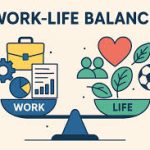
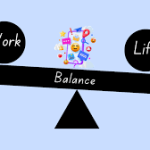
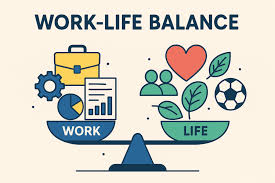
Think of it like a seesaw. It needs to tilt sometimes. But it should also be able to find a middle ground.
When it stays tilted too long, things get unbalanced. This can cause strain.
Anxiety and the Brain
When we feel stressed, our brain releases hormones. These are like alarm signals. They get us ready to act.
This is called the fight-or-flight response. It’s useful when there’s real danger.
But when work is constantly demanding, this system stays active. Your brain thinks it’s always in danger. This can lead to feelings of worry.
It can make it hard to relax. It can also affect your sleep. Your heart might beat faster.
This constant state of alert is tiring. It wears down your body and mind. Learning to calm this response is key.
It helps reduce anxiety. It also helps you feel more in control of your day.
How Stress Affects Your Body
Heart: Beats faster, blood pressure rises.
Muscles: Tense up.
Stomach: Can feel upset or knotty.
Sleep: Becomes harder to fall asleep or stay asleep.
Mind: Racing thoughts, difficulty concentrating.
The Role of Expectations
Sometimes, anxiety comes from our own high expectations. We might feel we need to be perfect at work. We might feel we need to do everything for our family.
These high standards can be a heavy load.
It’s okay to not be perfect. Most people aren’t. Aiming for “good enough” is often healthier.
It frees up energy. It reduces pressure. It helps you feel more content with your efforts.
Talking to your manager can also help. You can discuss your workload. You can ask for clarity on priorities.
This can ease worry. It shows you are engaged. It helps manage expectations on both sides.
Why ‘Hustle Culture’ Can Backfire
We hear a lot about “hustle culture.” It says you must always be working. You must always be pushing. While hard work is good, constant hustle is not.
It glorifies being busy. It makes rest seem lazy.
This can trick you into thinking you’re not doing enough. It can make you feel guilty for taking breaks. But rest is not lazy.
It is necessary for good work. It is also vital for your well-being.
Think of a phone. If you use it all day without charging, it dies. Your brain and body are the same.
They need breaks to recharge. Without them, performance drops. Anxiety can soar.
This is a key reason why anxiety and work-life balance are so connected.
Myth vs. Reality: Hustle Culture
Myth: Always being busy means you are productive.
Reality: True productivity comes from focused work and adequate rest.
Myth: Taking breaks is a sign of weakness or laziness.
Reality: Breaks are essential for mental clarity and preventing burnout.
Myth: You must sacrifice personal life for career success.
Reality: Sustainable success often comes from a balanced life.
Setting Realistic Work Goals
When you set goals for work, make them achievable. Break down big tasks. Focus on one step at a time.
This makes things feel less scary. It also gives you small wins along the way.
For example, instead of “Finish the report,” try “Outline Section 1 of the report.” Or “Write the introduction to Section 1.” These smaller steps are easier to tackle. They feel less overwhelming. They help build momentum.
This approach also helps manage anxiety. When you see progress, you feel more in control. You feel less worried about the whole task.
It’s a way to make anxiety and work-life balance feel more manageable.
Boundaries: Your Best Friend
Boundaries are like fences. They protect your personal space. They keep work from taking over everything.
Here are some ways to set them:
- Define your work hours: Decide when your workday starts and ends. Stick to it.
- Turn off notifications: Don’t check work emails or messages after hours.
- Create a dedicated workspace: If possible, have a place just for work. When you leave it, you leave work behind.
- Learn to say “no”: It’s okay to decline tasks if you’re already overloaded.
- Schedule personal time: Put things like exercise or hobbies in your calendar. Treat them like important appointments.
Setting boundaries can feel hard at first. People might push them. But if you are consistent, they will respect them.
This is crucial for anxiety and work-life balance.
Quick Guide to Setting Boundaries
Work Hours
Set clear start and end times.
Notifications
Turn off non-urgent alerts after hours.
Personal Space
Designate a work-free zone.
Saying No
Politely decline when needed.
Prioritizing Self-Care
Self-care is not selfish. It is essential for managing anxiety. It means taking care of yourself.
It helps you stay healthy. It keeps you strong.
What is self-care? It’s different for everyone. It could be reading a book.
It could be going for a walk. It could be spending time with pets. It might be taking a long bath.
Find what recharges you.
Make time for these activities. Even 15 minutes can make a difference. It helps you disconnect from work stress.
It helps you feel more present. This is a vital part of balancing anxiety and work-life balance.
Simple Self-Care Ideas
Move your body: A short walk or stretching.
Connect with nature: Sit outside for a few minutes.
Listen to music: Calming or uplifting tunes.
Practice mindfulness: Deep breaths, focus on the present.
Engage a hobby: Even for a short time.
Hydrate and nourish: Drink water, eat a healthy snack.
Understanding What’s Normal
It’s normal to feel some stress about work. Deadlines exist. Projects can be challenging.
It’s also normal to feel tired after a long week.
What is not normal is constant, overwhelming anxiety. It’s not normal if work worries keep you awake every night. It’s not normal if you can’t enjoy your time off.
It’s not normal if it affects your health.
If you feel consistently overwhelmed, that’s a signal. It means something needs attention. Don’t ignore it.
Your well-being is important.
When to Seek Professional Help
Sometimes, self-help isn’t enough. If your anxiety is severe, it’s okay to ask for help. A doctor or therapist can offer support.
They can provide tools and strategies.
They understand how anxiety and work-life balance interact. They can help you develop coping mechanisms. They can also check for other issues.
There is no shame in seeking professional guidance.
The U.S. Department of Health and Human Services says that mental health is just as important as physical health. Seeking help is a sign of strength.
It’s an investment in your future.
When to Consider Talking to a Pro
Persistent worry: Anxiety that doesn’t go away.
Physical symptoms: Frequent headaches, stomach issues, or fatigue.
Difficulty functioning: Trouble concentrating at work or enjoying life.
Social withdrawal: Avoiding friends and family.
Feeling hopeless: A sense of despair.
Practical Steps for Better Balance
Let’s break down actionable steps. These can help you manage anxiety and work-life balance.
1. Time Blocking
Assign specific times for tasks. This includes work tasks and personal ones. Block out time for breaks.
Block out time for meals. Block out time for family. This creates structure.
It makes sure important things get done.
2. Saying “No” Gracefully
Practice polite ways to decline. “Thank you for thinking of me, but I can’t take this on right now.” Or “My schedule is full this week.” It is better to do a few things well than many things poorly.
3. Digital Detox Periods
Set times when you disconnect from devices. This could be during meals. Or an hour before bed.
This helps your brain wind down. It improves sleep quality. It reduces constant stimulation.
4. Weekly Review
At the end of each week, look back. What went well? What was challenging?
What can you change for next week? This helps you learn and adjust. It keeps you on track.
5. Micro-Breaks
Take short breaks throughout the day. Stand up. Stretch.
Walk around for a few minutes. These small pauses can refresh your mind. They prevent burnout.
They help manage stress levels.
Your Weekly Balance Check-in
Monday: Plan your top 3 priorities for the week.
Tuesday: Schedule a short walk during lunch.
Wednesday: Practice saying “no” to one non-essential request.
Thursday: Dedicate 30 mins to a hobby or personal interest.
Friday: Set a clear end time for work and stick to it.
Weekend: Plan at least one relaxing activity.
The Impact of Sleep and Nutrition
Your sleep and food choices have a big effect. Poor sleep makes anxiety worse. It makes it harder to cope with stress.
Aim for 7-9 hours of sleep each night. Try to keep a regular sleep schedule.
What you eat matters too. Sugary foods and caffeine can make anxiety spike. Focus on whole foods.
Fruits, vegetables, and lean proteins are good choices. Staying hydrated is also important.
These basic needs are the foundation. Without them, managing anxiety and work-life balance is much harder. They are not luxuries; they are necessities.
Mindfulness and Stress Reduction
Mindfulness means paying attention to the present moment. You do this without judgment. It can help calm a racing mind.
It can reduce feelings of being overwhelmed.
Simple mindfulness exercises include:
- Deep breathing: Inhale slowly through your nose. Exhale slowly through your mouth.
- Body scan: Pay attention to how your body feels, from your toes to your head.
- Mindful walking: Focus on the sensation of your feet on the ground.
Even a few minutes of mindfulness each day can make a difference. It helps you feel more grounded. It reduces the impact of daily stressors.
This is a powerful tool for anxiety and work-life balance.
Building Resilience
Resilience is your ability to bounce back from tough times. Building resilience helps you manage stress better. It helps you adapt to change.
How to build resilience:
- Nurture relationships: Strong connections with others provide support.
- Stay positive: Focus on what you can control and look for solutions.
- Learn from experience: See challenges as opportunities to grow.
- Take care of yourself: Physical and mental health are key.
- Set goals: Having something to work towards gives purpose.
These practices make you stronger. They help you face work challenges. They support your overall well-being.
They are crucial for long-term anxiety and work-life balance.
Key Pillars of Resilience
Connection: Strong social bonds.
Optimism: A hopeful outlook.
Adaptability: Ability to adjust to new situations.
Self-care: Prioritizing your health.
Purpose: Having meaningful goals.
The Long Game: Consistency is Key
Finding anxiety and work-life balance is not a quick fix. It is an ongoing process. Some days will be easier than others.
You might slip back into old habits.
The important thing is to be consistent. Keep practicing your strategies. Be patient with yourself.
Celebrate small victories. Over time, you will build a healthier, more balanced life.
Remember, this is a journey. It’s about progress, not perfection. Your mental and physical health are worth the effort.
Frequently Asked Questions
What’s the first step to improving my work-life balance?
The very first step is to recognize that you need a change. Then, try to identify what’s currently draining your energy the most. Is it long hours?
Constant emails? Once you know the main issue, you can start looking for small adjustments.
How can I stop work thoughts from bothering me at home?
Try creating a “transition ritual.” This could be a short walk after work, listening to music, or changing your clothes. It signals to your brain that work is over. Also, setting strict boundaries on checking emails after hours is vital.
Is it normal for my anxiety to get worse when I’m stressed about work?
Yes, it’s very common. Work stress is a major trigger for anxiety for many people. Your brain’s stress response gets activated, leading to feelings of worry.
The key is to have tools to manage that stress so it doesn’t spiral.
What if my boss doesn’t understand work-life balance needs?
This can be tough. Focus on communicating your needs professionally. Explain how better balance will help your productivity.
You can also look into company policies or HR resources. Sometimes, focusing on output and results, rather than just hours worked, can help.
How much ‘me time’ do I really need?
There’s no magic number. It depends on you. Some people thrive with an hour a day.
Others need more. The goal is to find time for activities that recharge you and bring you joy. It should feel restorative, not like another chore.
Can I really achieve a good work-life balance if my job is demanding?
Yes, it’s challenging, but possible. It often requires being very intentional about boundaries and self-care. You might need to be more efficient at work.
You might have to say “no” more often. It’s about managing your energy and time wisely, even when the demands are high.
Wrapping Up
Finding a healthy work-life balance is a journey. It’s about protecting your peace. It’s about managing stress and worry.
Small, consistent steps can lead to big changes. Be kind to yourself. Prioritize your well-being.
You deserve a life that feels good.