Feeling overwhelmed by work and life? Many of us struggle to find calm. It’s tough when your mind races.
You might wonder if others feel this way too. This article will guide you through expert-picked books. They can help you manage anxiety.
You’ll also learn to build a better balance. Get ready to find peace and focus.
The best books on anxiety and work-life balance offer practical advice and expert insights. They help readers understand the roots of their stress. These books provide strategies for managing anxious thoughts.
They also guide in setting healthy boundaries. This leads to a more fulfilling and balanced life.
Understanding Anxiety and the Quest for Balance
Anxiety can feel like a constant hum. It makes simple tasks seem huge. When work piles up, so does the worry.
This is especially true today. Many jobs demand more of our time. We also have personal lives to manage.
Trying to do it all can lead to burnout. It can also make anxiety worse. It feels like you’re always on the go.
There’s little time to just breathe.
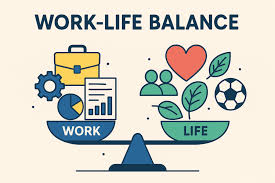
Work-life balance is not about perfection. It’s about finding what works for you. It means having time for your job.
It also means having time for yourself. This includes family, friends, and hobbies. When this balance is off, anxiety can grow.
You might feel guilty for not working. You might feel guilty for not relaxing. It’s a difficult cycle.
Experts often point to a few key areas. These are understanding your own triggers. They also involve setting clear limits.
Learning to say “no” is powerful. Mindfulness and stress-reduction techniques are vital. Books are a great way to learn these skills.
They offer knowledge from people who have studied this. They share what has helped others.
My Own Struggle with the Overwhelm
I remember a time when my inbox seemed endless. It was late one Tuesday. The office was quiet, but my mind was loud.
Every email felt like a new crisis. My shoulders were tight. My chest felt heavy.
I was trying to meet a big deadline. I also had a family event later that week. I felt pulled in so many directions.
The anxiety was a knot in my stomach.
I kept thinking, “How can I do it all?” I felt like I was failing at work. I felt like I was failing at home. I was tired, but sleep didn’t come easily.
My thoughts just kept spinning. I would lie awake, replaying the day. I would worry about tomorrow.
This went on for weeks. I was losing my focus. My patience wore thin.
Something had to change.
That’s when I started looking for help. I found myself drawn to books. I searched for titles about stress.
I looked for ways to manage my thoughts. I wanted to feel more in control. The first few books I read were okay.
They offered general advice. But I needed something more. I needed actionable steps.
I needed to feel understood. I found that in some specific titles.
Key Causes of Work-Life Conflict
Long Work Hours: Many jobs now expect more time. This eats into personal life.
“Always On” Culture: Tech means we can work anytime. This blurs lines between work and home.
Unclear Boundaries: Not knowing when to stop is common. This leads to constant work thoughts.
Personal Stressors: Family needs or health issues add pressure. This makes balance harder.
Perfectionism: Wanting everything to be perfect. This drives overwork and anxiety.
Expert-Recommended Books for Anxiety and Balance
Finding the right book can be a game-changer. It’s like having a wise friend by your side. These books offer hope.
They also give you tools. Let’s look at some highly-regarded ones. Experts often suggest these for good reasons.
They are based on research and real experience.
1. “Declutter Your Mind: How to Stop Worrying, Relieve Anxiety, and Eliminate Negative Thinking” by S.J. Scott and Barrie Davenport
This book is a gem for anyone with a busy mind. It directly tackles worry and anxiety. The authors use simple language.
They offer practical techniques. You’ll learn how to identify negative thought patterns. You will also learn how to stop them.
This is crucial for reducing anxiety. It helps create mental space. This space is needed for balance.
The book explores the concept of overthinking. It shows how this feeds anxiety. It provides exercises you can do daily.
One popular method is focused breathing. Another is mindful observation of thoughts. You learn not to fight them.
You learn to let them pass. This skill is vital for managing stress. It helps you stay present.
This means less worry about the past or future.
It also talks about self-compassion. Many anxious people are hard on themselves. This book encourages kindness.
It helps you accept that you are human. Everyone makes mistakes. Everyone has bad days.
Learning to be kind to yourself is a big step. It reduces the pressure you feel. This book offers a clear path.
It helps you gain control over your thoughts. It’s a great starting point for many.
2. “Atomic Habits: An Easy & Proven Way to Build Good Habits & Break Bad Ones” by James Clear
While not directly about anxiety, this book is key. It teaches you how small changes matter. Small habits can transform your life.
They can also support a better work-life balance. James Clear explains how habits work. He makes it easy to understand.
You learn about the four laws of behavior change.
Building good habits helps reduce overwhelm. For example, a small morning routine can start your day right. This might involve a few minutes of quiet.
It could be stretching or a short walk. These small acts create a sense of order. They make big tasks feel less daunting.
It’s about making progress invisible. It’s about systems, not just goals.
Breaking bad habits is also important. This could be checking work emails late at night. It could be saying “yes” to too many things.
This book gives you a framework. It helps you understand why you do what you do. It empowers you to make lasting changes.
Small, consistent actions lead to big results. This applies to managing anxiety too. Building calm habits is just as important as breaking stressful ones.
It’s a foundational book for self-improvement.
3. “The Power of Now: A Guide to Spiritual Enlightenment” by Eckhart Tolle
This book is a bit more philosophical. It focuses on living in the present moment. Many anxieties stem from past regrets or future worries.
Tolle argues that true peace is found now. He explains how our minds create suffering. They do this by dwelling on things that aren’t happening.
He calls this the “pain-body.”
The core message is to disconnect from your thoughts. It’s about observing them without judgment. This is a powerful concept for anxiety.
When you feel anxious, you are often lost in thought. You are not in reality. Tolle teaches techniques to bring you back.
He emphasizes the importance of “presence.” This is being fully aware of what is happening right now.
While the spiritual aspect might not appeal to everyone, the core ideas are practical. Learning to detach from anxious thoughts is key. This book helps you understand that you are not your thoughts.
You are the awareness of your thoughts. This realization can be incredibly liberating. It helps you see anxiety for what it is.
It’s a mental construct, not a reality. This can reduce its power over you. It’s a deep dive into present-moment awareness.
4. “Deep Work: Rules for Focused Success in a Distracted World” by Cal Newport
Cal Newport talks about intense focus. He calls it “deep work.” This is work done without distraction. It’s highly valuable and productive.
In our busy world, deep work is rare. We are constantly pulled by notifications. This constant switching wears us down.
It can increase anxiety about not doing enough.
Newport argues that deep work is the key to success. It’s also key to job satisfaction. When you can focus intensely, you do better work.
You also feel more accomplished. This reduces the feeling of being scattered. It helps create a sense of control.
This control is vital for managing anxiety. It allows you to complete tasks effectively.
The book offers strategies for achieving deep work. This includes scheduling focused time. It also means minimizing distractions.
You learn to control your technology use. You learn to manage your environment. By mastering deep work, you can become more productive.
You can also free up time. This time can be used for rest and hobbies. It’s about working smarter, not just longer.
This directly combats the burnout cycle.
5. “Burnout: The Secret to Unlocking the Stress Cycle” by Emily Nagoski and Amelia Nagoski
This book is a revelation for many women. It explains why we feel so overwhelmed. The authors show that stress is a cycle.
It needs to be completed to feel better. Many of us are stuck in the stress cycle. This leads to chronic exhaustion and anxiety.
They explain how stress hormones work.
The book offers practical strategies. These are designed to help complete the stress cycle. This includes things like exercise.
It also includes social connection. Creative expression is another tool. The key is finding ways to release the built-up stress.
This prevents it from becoming chronic. It helps you feel more in control of your energy.
This book is incredibly empathetic. It validates the feelings of overwhelm. It doesn’t blame individuals.
It points to societal pressures. It also offers concrete, actionable advice. It helps you understand your body’s signals.
Learning to listen to these signals is crucial. It prevents you from pushing yourself too far. This book is a must-read for understanding modern stress.
It gives you permission to take care of yourself.
Quick Scan: Book Benefits
| Book Title | Main Focus | Key Benefit for Anxiety | Key Benefit for Balance |
|---|---|---|---|
| Declutter Your Mind | Thought management | Reduces worry, stops negative loops | Creates mental space for life |
| Atomic Habits | Habit formation | Builds calm routines, breaks stressful patterns | Establishes structure, frees up time |
| The Power of Now | Present moment awareness | Detaches from anxious thoughts | Increases appreciation for non-work time |
| Deep Work | Focused productivity | Reduces feeling of not doing enough | Increases efficiency, creates free time |
| Burnout | Stress cycle completion | Manages physical stress symptoms | Restores energy, prevents exhaustion |
The Science Behind Better Habits and Less Anxiety
It’s not just theory. There’s real science behind why these books work. Our brains are adaptable.
They can form new connections. This is called neuroplasticity. When you practice new ways of thinking, you change your brain.
This is how therapy and self-help books can create lasting change.
Anxiety often involves the amygdala. This is the brain’s fear center. When it’s overactive, you feel on edge.
Techniques like mindfulness help calm the amygdala. They strengthen the prefrontal cortex. This is the part of your brain that makes decisions and plans.
It helps you regulate emotions.
Habits are also deeply ingrained. They are shortcuts for your brain. Good habits can automate calm behaviors.
For instance, a short walk after work can signal relaxation. Your brain learns to associate that activity with winding down. This reduces the chances of work stress carrying over.
Consistent action builds new neural pathways.
Understanding the stress cycle is also scientific. Chronic stress releases cortisol. High cortisol levels over time are bad.
They affect sleep, mood, and physical health. Completing the stress cycle, as discussed in “Burnout,” helps lower these levels. It allows your body to return to a balanced state.
These books offer science-backed tools. They are practical and effective.
Myth vs. Reality: Work-Life Balance
Myth
You must give up career success for balance.
Balance means working less all the time.
It’s about achieving a 50/50 split every day.
If you feel stressed, you are failing.
Reality
Smart work strategies can boost success and allow life.
Balance means prioritizing and setting boundaries effectively.
It fluctuates and is about overall well-being, not rigid splits.
Stress is normal; how you manage it matters.
Personalizing Your Approach: What Works for You?
What resonates with one person might not with another. That’s okay. The key is exploration.
These books offer different angles. You might find one author’s style clicks. You might find a particular technique helpful.
For instance, if your anxiety is mostly racing thoughts, “Declutter Your Mind” might be your first stop. If you feel like your days are chaotic and unproductive, “Atomic Habits” or “Deep Work” could be more useful. If you feel physically drained and overwhelmed, “Burnout” is essential.
It’s also important to experiment. Don’t just read the book. Try the exercises.
Apply the principles. You might need to adapt them. Your life is unique.
Your work demands are specific. Your personal responsibilities vary. The goal is to integrate these ideas into your reality.
Consider your energy levels. What time of day are you most focused? When do you need to rest?
Use this information. Schedule deep work when you’re sharp. Schedule rest or easy tasks when you’re tired.
This is practical balance. It’s about working with your natural rhythms.
Building a Balanced Day: A Sample Flow
Morning:
- Quiet reflection or light exercise (15 min)
- Review priorities, plan deep work block
Workday:
- Deep work session (90-120 min)
- Short breaks, mindful movement
- Focused tasks, manage emails in batches
Evening:
- Transition activity (e.g., walk, listen to music)
- Connect with loved ones
- Engage in a hobby or relaxation
- Prepare for the next day
When to Seek Professional Help
These books offer fantastic guidance. They can significantly improve well-being. However, they are not a replacement for professional help.
If your anxiety is severe or persistent, please seek a doctor or therapist. They can offer diagnosis and treatment plans. This might include therapy or medication.
Signs that you need professional help include:
- Difficulty performing daily tasks due to anxiety.
- Panic attacks that are frequent or intense.
- Thoughts of harming yourself or others.
- Anxiety that interferes with relationships.
- Feeling hopeless or constantly on edge.
A mental health professional can provide tailored support. They can help you navigate complex issues. They can also offer strategies beyond what books can cover.
Think of these books as excellent companions. They support your journey. They don’t replace expert medical care when needed.
Trusted institutions like the National Institute of Mental Health (NIMH) offer resources.
Frequently Asked Questions
What is the most important habit for managing anxiety?
Many experts suggest establishing a consistent mindfulness practice. Even five minutes a day can help calm your mind. It teaches you to observe anxious thoughts without getting caught up in them.
This reduces their power.
How can I stop feeling guilty about taking breaks?
Guilt often comes from the belief that you should always be productive. Understand that breaks are essential for productivity and well-being. Think of them as recharging your battery.
They allow you to return to tasks with more focus and less anxiety.
Are there books for anxiety specifically related to job loss?
Yes. While not always directly about “work-life balance,” books on resilience and managing uncertainty can help. Look for titles that focus on coping strategies during difficult career transitions.
They often address the anxiety that comes with such events.
Can reading about anxiety make it worse?
For some, reading about symptoms can increase awareness and worry. However, books recommended by experts usually focus on solutions and understanding. If you find a topic too distressing, it’s okay to put it down.
Choose books that offer hope and practical steps.
How do I know if my work-life balance is truly off?
Signs include persistent fatigue, irritability, feeling overwhelmed, neglecting personal needs or relationships, and dreading work. If these are regular experiences, your balance is likely off. Books can help you identify and address these issues.
What’s the difference between stress and anxiety?
Stress is usually a response to a specific threat or demand. It’s temporary. Anxiety is a prolonged feeling of worry or fear.
It can happen even without a clear cause. Chronic stress can lead to anxiety. Understanding this difference helps in choosing the right coping tools.
Finding Your Path to Peace
Navigating the demands of work and life can be challenging. It’s easy to feel swamped. Anxiety can become a constant companion.
But you are not alone in this. Many experts have shared their wisdom. They’ve compiled it into books that can help.
These recommended books offer practical steps. They help you understand your mind. They guide you in building better habits.
They show you how to complete the stress cycle. They teach you to focus and be present. By applying these ideas, you can reduce anxiety.
You can create a more balanced life. It takes time and practice. Be patient with yourself.