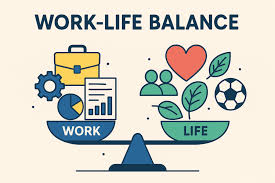
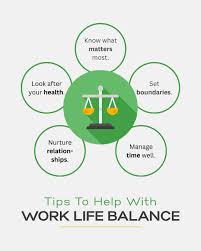
The key to building an email list without burnout is to focus on sustainable growth strategies. This means choosing methods that align with your energy levels and personal life. It’s about working smarter, not just harder.
You can achieve significant list growth while keeping your work-life balance intact. This approach reduces anxiety and leads to a more enjoyable business journey.
Understanding the Anxiety Around List Building
Many people start building an email list because they hear it’s vital. It’s often called the “golden ticket” to business success. This creates a lot of expectation.
When you don’t see results quickly, it’s easy to feel discouraged. You might compare your progress to others online. They often show big numbers.
This comparison can fuel feelings of inadequacy.
The pressure to constantly create new content can also be draining. You need lead magnets. You need opt-in forms.
You need email sequences. It feels like a lot of moving parts. Each part requires time and effort.
If you’re a solo entrepreneur or a small team, this can be overwhelming. You start to dread the tasks. This dread turns into anxiety.
This anxiety isn’t just about the work. It’s about the perceived missed opportunities. You think, “If I don’t grow my list now, I’ll never make sales.” Or, “Everyone else is doing it, so I must be doing something wrong.” These thoughts loop in your mind.
They can make it hard to focus on other important parts of your business. Or worse, they can steal your precious free time.
One common mistake is thinking you need to be on every platform. You feel you must offer a freebie for every single potential lead. This creates a huge workload.
It spreads you too thin. You end up feeling tired and less effective. Your personal life suffers because you’re always “on” and working.
I remember a time when I felt this intensely. I was launching a new service. I knew I needed an email list for it.
I spent weeks creating multiple lead magnets. I set up pop-ups everywhere. I felt like I was constantly pushing people to sign up.
I checked my stats hourly. I would get a small spike and feel a brief rush of relief. Then, if it slowed down, the panic would set in again.
My evenings were spent tweaking ads or writing more promotional content. My weekends blurred into weekdays. I felt guilty if I took a break.
This cycle was exhausting. It felt like I was failing at both my business and my life.
The core issue is often that we’re chasing vanity metrics. We focus on total subscribers. We forget the quality of those subscribers.
We also forget the impact on our own well-being. This is where the work-life balance truly breaks down. It’s not about the list itself.
It’s about how we go about building it.
It’s crucial to recognize that building an email list is a marathon, not a sprint. Sustainable growth comes from consistent, manageable efforts. When you focus on providing real value, your list will grow organically.
This takes the pressure off. It allows you to enjoy the process more. You start to see it as a way to connect, not just collect.
What is Sustainable List Building?
Sustainable list building is a method that prioritizes long-term health for both your business and yourself. It’s about creating a system. This system doesn’t require you to sacrifice your personal time or mental energy.
It focuses on quality over quantity. You aim to attract people who genuinely want to hear from you.
Instead of chasing every possible subscriber, you focus on attracting your ideal audience. This means offering valuable content that speaks directly to their needs and interests. Think about what problems your ideal customer faces.
Then, create resources that solve those problems. This is much more fulfilling than creating generic content.
A sustainable approach also means using tools and strategies that automate where possible. It means setting realistic goals. It also means understanding that growth takes time.
You don’t need thousands of subscribers overnight. You need engaged subscribers who become loyal customers. This is where the real value lies.
It’s about integrating list building into your existing workflow. You don’t want it to feel like a separate, overwhelming project. You might do this by repurposing content.
Or you might use simple, effective opt-in methods. The goal is to build a healthy list without getting burnt out. You want to avoid the trap of constant hustle culture.
This approach recognizes that your well-being is directly linked to your business success. If you’re stressed and exhausted, your work will suffer. Your creativity will dim.
Your decision-making will be poor. Sustainable list building protects your energy. It ensures you can keep showing up for your business long-term.
Key Principles of Sustainable List Building
Focus on Value: Offer content people truly need or want.
Know Your Audience: Attract people who are a good fit.
Automate Wisely: Use tools to save time and effort.
Set Realistic Goals: Growth takes time; celebrate small wins.
Integrate, Don’t Add: Weave list building into your routine.
Prioritize Well-being: Your health is crucial for business health.
Think of it this way: would you rather drink a cup of delicious, pure water from a small spring? Or would you rather try to drink from a fire hose that’s blasting water everywhere? Sustainable list building is like the spring.
It’s pure, refreshing, and you can control the flow. The fire hose is the overwhelming, unsustainable approach. It floods you and causes damage.
When you adopt this mindset, the anxiety starts to fade. You see list building as a helpful tool. It’s not a monstrous taskmaster.
You begin to enjoy the process. You build genuine connections. This leads to a stronger, more loyal audience.
It also leads to a more balanced and happier you.
My Own Journey: From Burnout to Balance
I’ve been there. I’ve felt the crushing weight of wanting my email list to be bigger, faster. It was a few years ago.
I was trying to grow my online coaching business. Everyone said, “Your list is your lifeline.” I took that to heart, maybe too much. I was creating a new freebie every month.
I was running social media ads. I was trying to guest blog everywhere. It felt like a full-time job on top of my actual job.
I remember one particularly rough week. I had a client call scheduled. But I was also supposed to launch a new webinar.
The webinar required a fancy landing page. And I needed a sequence of follow-up emails. I stayed up until 3 AM for three nights straight.
My eyes were red. My brain felt like mush. I remember snapping at my partner because I couldn’t find my favorite mug.
It wasn’t about the mug. It was about the sheer exhaustion and stress I was feeling.
The next morning, the webinar wasn’t a huge success. I got a few sign-ups. But the effort felt so disproportionate to the result.
I sat there, staring at my computer screen, and I just started crying. It wasn’t just about the business. It was about the fact that I had no life outside of it.
My hobbies had vanished. My friendships were strained. Even simple things like cooking a nice meal felt like too much effort.
That was my wake-up call. I realized I was doing it all wrong. I was chasing numbers.
I wasn’t focusing on connection or sanity. I had to make a change. I stopped trying to create a new lead magnet every few weeks.
I decided to create one really, really good one. It took me time, but I made sure it solved a major pain point for my ideal client. I focused on promoting that one thing well.
I also re-evaluated how I was promoting. Instead of trying to be everywhere, I picked one or two platforms where my ideal clients hung out. I spent my time there, engaging genuinely.
I also set strict work hours. When 5 PM hit, I shut my laptop. I told myself that the world wouldn’t end if I didn’t check my email one last time.
This was hard at first. It felt like I was being lazy. But slowly, the anxiety started to lift.
I noticed something amazing. When I wasn’t stressed about it all the time, my creativity came back. I started to enjoy creating content again.
My emails became more personal and engaging. My list still grew, but at a steadier, more manageable pace. And the people joining were more engaged.
They were the right people for my business. The quality of leads improved. This was far more valuable than just a large number.
This experience taught me that you don’t have to sacrifice your life for your business. You can build something successful and still have time for yourself. It’s about making conscious choices.
It’s about valuing your well-being as much as your business growth. It’s about finding that sweet spot where growth and balance coexist. It took me a while to get here, but it was worth every moment of that tough realization.
My Shift in Strategy
Before: Multiple lead magnets, everywhere on social media, late nights, constant checking.
After: One stellar lead magnet, focused platform presence, strict work hours, genuine engagement.
Strategies for Managing Anxiety and Building a Healthy List
Let’s talk about practical steps. How do you actually do this? How do you build that email list without letting it take over your life?
It’s about making smart choices. These choices reduce stress and boost efficiency. Here are some strategies that have worked wonders for me and many others.
First, know your ideal subscriber. Who are you trying to reach? What are their biggest problems?
What do they want to achieve? When you have a clear picture, you can create a lead magnet that’s irresistible to them. This also means you won’t waste energy trying to attract people who will never buy from you.
It’s like fishing in a stocked pond instead of the open ocean.
Second, create one high-value lead magnet. Don’t feel pressured to have five or ten. A single, exceptionally useful freebie is far better than many mediocre ones.
Think of it as your “flagship” free offer. It should solve a specific, pressing problem for your ideal audience. This could be a detailed guide, a template, a checklist, or a mini-course.
Make it so good people are excited to give you their email address.
Third, choose your promotion channels wisely. You don’t need to be on TikTok, Instagram, Facebook, LinkedIn, and Twitter all at once. Pick one or two platforms where your ideal clients spend most of their time.
Focus your energy there. Engage deeply. Share your lead magnet where it makes the most sense.
This saves immense time and mental energy.
Fourth, automate your email welcome sequence. Once someone signs up, they should receive a series of automated emails. These emails welcome them, deliver the lead magnet, and start building a relationship.
This sequence runs on autopilot. It nurtures new subscribers without you having to do anything manually each time. This is a huge stress saver.
Fifth, set clear boundaries for your work time. This is non-negotiable for work-life balance. Decide when you will work on list building and related tasks.
When that time is up, step away. Close your computer. Turn off notifications.
Your mental health will thank you. And you’ll find you’re more productive during your work hours.
Sixth, repurpose your content. You create blog posts, videos, or social media updates. Can you turn those into snippets for your emails?
Can a podcast episode become a series of email tips? Repurposing stretches your content further. It means less new content creation.
It’s a smart way to feed your email list consistently.
Seventh, focus on engagement, not just subscriber count. A list of 1,000 highly engaged subscribers is worth more than 10,000 who never open your emails. When you focus on providing value, your subscribers will engage.
They’ll open your emails, click your links, and reply. This is the sign of a healthy, growing list. It’s also much more rewarding.
Finally, celebrate small wins. Did you get 10 new subscribers today? That’s fantastic!
Did someone reply to your email with a kind word? That’s gold! Acknowledge these successes.
They fuel your motivation. They remind you that your efforts are paying off, even if the numbers aren’t astronomical. This positive reinforcement fights off the anxiety.
Quick Win Checklist
- Define your ideal subscriber.
- Create ONE excellent lead magnet.
- Pick 1-2 promotion channels.
- Set up an automated welcome email series.
- Schedule dedicated, limited work time for list building.
- Look for ways to reuse existing content.
- Track engagement metrics like opens and clicks.
- Acknowledge every positive step.
Implementing these strategies takes practice. It might feel a bit awkward at first. But with consistency, you’ll find a rhythm.
You’ll build your list effectively. And you’ll do it without sacrificing your precious time and peace of mind. The anxiety will lessen.
You’ll feel more in control. Your business will benefit from genuine connections.
The Role of Opt-In Forms and Pop-Ups
Opt-in forms and pop-ups are the tools that capture email addresses. They are essential for list building. However, the way you use them can either boost your list or drive people away.
When you’re worried about growth, you might be tempted to use aggressive tactics. This can backfire. It can increase your anxiety and decrease user experience.
Let’s consider pop-ups. A pop-up that appears the moment someone lands on your page can be jarring. It interrupts their experience.
This can make them feel annoyed. If the offer isn’t compelling enough, they’ll just close it. Or worse, they might leave your site altogether.
This is not a good way to build a list. It doesn’t create a positive first impression.
Instead, think about timing and context. A pop-up that appears after a visitor has spent some time on your page, or when they are about to leave (exit-intent pop-up), can be more effective. It feels less intrusive.
It’s more likely to be seen as helpful. The offer should be clearly related to the content they were just viewing.
For example, if someone is reading a blog post about baking sourdough, a pop-up offering a sourdough recipe cheatsheet is perfect. This relevance makes it much more appealing. It’s a natural next step for them.
This strategy still drives sign-ups but respects the user’s journey.
Simple embedded forms within your content or at the end of a blog post are also very effective. These are less intrusive. They allow readers to sign up if they are interested after consuming your content.
This often leads to higher quality leads because they have already engaged with your work.
Consider your call to action (CTA). Instead of a generic “Sign Up Now,” try something more enticing. Phrases like “Get Your Free Baking Guide” or “Unlock Exclusive Tips” are more persuasive.
They tell people what they will get.
The design of your forms matters too. They should be clean, easy to fill out, and match your brand. Too many fields can deter people.
Usually, just asking for an email address is enough to start. You can always ask for more information later through targeted emails.
Pop-Up Best Practices for Balance
Timing: Use exit-intent or time-delayed pop-ups, not instant ones.
Relevance: Match the offer to the content the user is viewing.
Clarity: Make it obvious what the user will receive.
Simplicity: Ask for minimal information, usually just an email.
Design: Keep forms clean, branded, and easy to use.
When you use forms and pop-ups thoughtfully, they become allies, not adversaries. They help you grow your list with people who are genuinely interested. This reduces the pressure to convert every single visitor.
It allows you to focus on building relationships. This mindful approach helps manage the anxiety associated with these tools.
What About Email Content Itself?
The content you send to your list is just as important as how you get people onto the list. If your emails are boring, generic, or constantly selling, people will unsubscribe. This can create a feeling of futility.
Why work so hard to get subscribers if they don’t stick around?
The goal with email content is to provide consistent value. Think about what your subscribers signed up for. They wanted solutions, insights, or entertainment related to your niche.
Deliver on that promise.
A good email strategy includes a mix of content. You might send:
- Informative newsletters: Share tips, advice, or industry news.
- Behind-the-scenes updates: Let people see your personality and process.
- Personal stories: Share experiences that resonate with your audience.
- Curated content: Link to helpful articles or resources from others.
- Promotions: Offer your products or services, but not too often.
The key is to make each email feel personal. Use your subscriber’s name. Write in a conversational tone, as if you’re talking to a friend.
Avoid jargon and overly complex language. This is where your readability scores really shine. Short sentences and simple words make your emails accessible to everyone.
For example, instead of saying “We will be implementing a paradigm shift in our service delivery,” you could say “We’re changing how we offer our services to make them even better for you.” It conveys the same message but in plain language.
It’s also vital to be consistent, but not overwhelming. Sending an email once a week is often a good starting point. Find a schedule that works for you.
Sticking to it builds trust. Subscribers know when to expect your emails.
When you consistently deliver valuable, engaging content, your subscribers will look forward to your emails. They’ll open them, read them, and even reply. This creates a strong community.
It reinforces your efforts. It’s incredibly rewarding to see people engage with what you’ve created. This positive feedback loop fights off anxiety.
It proves that your list-building efforts are yielding meaningful results.
Email Content Mix Example
Monday: Weekly Roundup – Links to useful articles and a quick tip.
Thursday: Personal Insight – A short story or lesson learned.
Saturday: Special Offer (Occasional) – A discount or new product announcement.
The content you send is your ongoing conversation with your audience. It’s where you build loyalty. It’s where you demonstrate your expertise.
By making this content valuable and easy to digest, you ensure your list remains healthy. You prevent the frustration of low open rates or high unsubscribe rates. This makes the entire list-building process feel much more manageable and less anxiety-inducing.
When is it Normal to Feel Overwhelmed?
It’s completely normal to feel overwhelmed at times. List building involves many moving parts. There’s technical setup.
There’s content creation. There’s marketing. And there’s the pressure to see results.
If you’re just starting out, or if you’re adding new strategies, a feeling of being swamped is natural. It means you’re pushing yourself and learning.
The key is to recognize when that feeling becomes debilitating. When does “normal overwhelm” turn into chronic anxiety that affects your health and happiness? If you’re constantly stressed, losing sleep, or feeling like a failure, it’s gone too far.
It’s also normal to feel a dip in results sometimes. Growth isn’t always linear. There will be periods where your subscriber count slows down.
This is not a sign of personal failure. It’s often a natural ebb and flow. External factors can influence growth too, like seasonal trends or algorithm changes on social media.
You might also feel overwhelmed if you’re trying to do too much at once. For example, launching a new product, running a paid ad campaign, and trying to increase your email sign-ups all at the same time can be too much for one person. Your brain can only handle so many complex tasks.
Feeling overwhelmed can also stem from a lack of clarity. If you’re unsure about your next steps, or if your strategy feels fuzzy, it’s easy to feel lost. This uncertainty can create anxiety.
It makes the task seem bigger than it is.
Signs Your Overwhelm Needs Attention
- Persistent stress and worry.
- Difficulty sleeping or concentrating.
- Loss of interest in your business or hobbies.
- Irritability or snapping at loved ones.
- Physical symptoms like headaches or stomachaches.
- Feeling like you’re failing despite your efforts.
If these signs are present, it’s time to pause and re-evaluate. It’s not about abandoning your goals. It’s about adjusting your approach.
It might mean scaling back temporarily. It might mean seeking help or advice. It’s about finding sustainable ways to move forward.
The good news is, by implementing strategies for balance, you can prevent normal overwhelm from becoming a serious problem.
When to Worry and What to Check
While feeling a bit overwhelmed is normal, there are signs that suggest a deeper issue. You should pay attention when your list-building efforts start negatively impacting your well-being or your business’s core functions. Don’t ignore these red flags.
One major sign to worry about is a consistent drop in email open rates and click-through rates. If subscribers are not engaging, it means your content might not be hitting the mark. It could also mean your list has become saturated with unengaged members.
This is a sign that your current strategy isn’t working well for your audience anymore.
Another concern is a significant increase in unsubscribe rates. If many people are leaving your list, something is wrong. It could be too many sales emails, irrelevant content, or a poor user experience with your emails themselves.
A few unsubscribes are normal, but a flood indicates a problem.
You should also worry if your list-building activities are taking away from essential business tasks. For example, if you’re spending all your time trying to get new subscribers and neglecting customer service or product development, your business will suffer. Your primary focus should always be on serving your existing customers and creating value.
From a personal standpoint, you need to worry if your list-building efforts are causing persistent anxiety or burnout. If you dread checking your email, or if you feel constant pressure, it’s a sign your approach is unsustainable. Your mental and physical health are paramount.
No business growth is worth sacrificing them.
Here are a few quick checks:
- Check your engagement metrics: Look at your open rates and click-through rates. Are they declining?
- Review your unsubscribe numbers: Is the rate higher than usual?
- Assess your content: Are you providing real value? Is it relevant to your subscribers?
- Examine your email frequency: Are you sending too many or too few emails?
- Evaluate your workload: Are you overcommitting to list-building tasks?
- Listen to your body and mind: How are you feeling? Are you stressed or burnt out?
If you notice consistent negative trends in these areas, it’s time for a strategic pause. Reassess your methods. Talk to mentors or peers for advice.
Consider simplifying your approach. The goal is always to build a list that serves your business and your life, not one that harms them.
Making List Building a Part of Your Life, Not Your Whole Life
The ultimate aim is to integrate list building into your routine in a way that feels natural and manageable. It shouldn’t feel like a separate, massive project you have to tackle. Think of it as a small, consistent habit, like watering a plant or going for a short walk each day.
This means having a clear, simple system. Once that system is in place, it runs with minimal ongoing effort. For example, you set up your one great lead magnet.
You embed the signup form on your website. You create a welcoming email sequence that sends automatically. Then, you commit to sharing that lead magnet on your chosen social media platform once a week.
This requires you to be disciplined with your time. Block out specific, short periods for list-building tasks. Maybe it’s 30 minutes every Tuesday morning.
During that time, you might check your stats briefly, schedule a social media post, or tweak a welcome email. When the 30 minutes are up, you move on to other things.
You also need to adjust your mindset. Stop thinking of list building as a race. Think of it as cultivating a garden.
You plant seeds (lead magnets). You water them (share them). You tend to the plants (engage with subscribers).
And over time, you harvest the fruits (loyal customers, supportive community). Gardens don’t grow overnight. They require patience and consistent care.
Integrating List Building Habits
Daily/Weekly Tasks:
- Share your lead magnet link: 1-2 times per week on your chosen platform.
- Engage on social media: Spend 15 minutes responding to comments and messages.
- Check email stats: Briefly review open/click rates once a week.
- Respond to new subscriber replies: As they come in, if time allows.
Monthly/Quarterly Tasks:
- Review lead magnet effectiveness.
- Update welcome email sequence if needed.
- Plan content themes for the next month.
By making list building a small, integrated part of your life, you remove the pressure. It becomes a manageable task. It contributes to your business goals without consuming your entire existence.
This balance is what truly leads to long-term success and happiness. You build a robust email list and a fulfilling life.
Frequently Asked Questions About List Building and Balance
How many subscribers should I aim for in the first month?
Instead of a specific number, focus on attracting your ideal audience. Aim for quality over quantity. If you get 10 engaged subscribers who fit your target customer profile, that’s a great start.
It’s better than 100 uninterested ones. Setting a realistic goal based on your efforts is key.
Is it okay to ask for more than just an email address in my signup form?
For your initial opt-in form, it’s best to keep it simple. Asking for just an email address usually leads to more sign-ups. You can always ask for more details later.
This might be through a follow-up survey or during a consultation. Overwhelming people with too many required fields upfront can decrease conversions.
How often should I send emails to my list?
Consistency is more important than frequency. Sending emails once a week is a good starting point for many businesses. Find a schedule that works for you and stick to it.
Listen to your subscribers. If they respond well and engage, you might send more. If they start to disengage, you might send less.
Aim for a balance that provides value without overwhelming them.
What if my lead magnet isn’t getting many sign-ups?
This is common! First, check if your lead magnet truly solves a problem for your ideal audience. Is the title clear and appealing?
Is the promotion working? Make sure you’re sharing it where your ideal customers are. You might also need to test different calls to action on your website or social media.
Don’t be afraid to tweak or even create a new lead magnet if necessary.
How do I avoid feeling guilty when I’m not working on my email list?
This is about mindset and boundaries. Remind yourself that rest is productive. Taking breaks allows you to recharge and be more creative when you return.
Your well-being directly impacts your business. Set clear work hours and stick to them. When work time is over, consciously disconnect.
Celebrate the progress you’ve made during your work time.
Can I use paid ads to grow my email list without burning out?
Yes, you can. The key is to manage your ad spend and expectations carefully. Set a clear budget.
Focus on highly targeted ads that speak directly to your ideal customer. Ensure your landing page and lead magnet are optimized for conversion. Automate your follow-up sequences so new subscribers are nurtured.
Monitor your ads regularly, but don’t feel you need to check them every hour. Treat it as an investment that requires oversight, not constant micromanagement.
Conclusion: Building with Peace of Mind
Building an email list doesn’t have to be a source of constant anxiety. By focusing on sustainable strategies, you can grow your list effectively. You can do this while maintaining a healthy work-life balance.
Remember to prioritize value, know your audience, and automate where possible. Your well-being is essential for your business’s long-term success. Find a rhythm that nourishes you and your audience.
Happy list building!