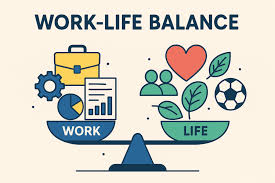
Understanding how to fix common anxiety and work-life balance problems involves recognizing their roots. It means adopting mindful habits, setting clear boundaries, and prioritizing self-care. This approach helps reduce worry and build a more satisfying, less stressful life.
What Are Anxiety and Work-Life Balance Issues?
Anxiety is that feeling of unease. It can be a worry or fear. It often happens when you think about future events.
Sometimes it comes from things that are happening now. It can make your heart race. Your palms might sweat.
You might feel restless. It’s your body’s alarm system. But sometimes the alarm rings too often.
It rings when there’s no real danger.
Work-life balance is about how you split your time. You have work tasks. You also have personal needs.
This includes family, friends, hobbies, and rest. When these areas don’t feel right, you have an imbalance. You might feel like work takes over everything.
Or maybe personal life is suffering. This imbalance can feed your anxiety.
These two issues often go hand in hand. When you feel anxious, it’s harder to focus on work. It can also make it tough to enjoy your free time.
You might worry about work when you’re home. Or you might worry about personal things when you’re at work. It’s a tricky cycle.
My Own Struggle with the Juggling Act
I remember a time when I felt completely swamped. It was a few years back. I was working on a big project at work.
Deadlines were piling up. I was also trying to be there for my family. My youngest child was in a school play.
My partner had a birthday coming up. I wanted to celebrate with them. But every time I tried to relax, my mind raced.
I’d think about emails I hadn’t answered. I’d worry if I was spending enough time with my kids.
One evening, I sat down to read a book. I love reading. It usually helps me unwind.
But that night, I couldn’t focus. My chest felt tight. I kept glancing at my phone.
I was convinced a work call would come. I felt a wave of panic. It wasn’t a full-blown panic attack.
But it was close. I felt so alone in that feeling. I thought everyone else had it figured out.
That’s when I realized something had to change. I was letting my worries run my life.
Understanding the Roots
What is Work-Life Balance? It means giving yourself enough time for work and for your personal life. It’s about feeling good about both parts of your day.
What is Anxiety? It’s a feeling of worry or fear. It can be about things that might happen. It can also be about things happening now.
How They Connect: When you’re stressed at work, you might feel anxious. This anxiety can stop you from enjoying time off. It’s a loop.
This cycle of worry and imbalance is draining. It affects your health. It affects your relationships.
It affects your overall happiness. The good news is that it’s possible to break free. You can find ways to feel more in control.
You can create a life that feels more calm and balanced. It takes effort. But it is absolutely worth it.
The Many Faces of Anxiety in Daily Life
Anxiety shows up in many ways. It’s not always a huge, scary feeling. Sometimes it’s small worries that nibble at you.
You might feel a constant sense of dread. Or perhaps you have trouble sleeping. Your mind might race with worst-case scenarios.
This can make it hard to make decisions. Even simple choices can feel huge.
Physical signs are common too. You might get headaches. Your stomach could hurt.
You might feel tired all the time. Your muscles can feel tense. Some people notice they snap at loved ones more.
They might feel irritable or on edge. These are all signals that your mind and body are stressed.
When it comes to work-life balance, anxiety can make simple tasks feel impossible. You might stare at a blank document for ages. You’re afraid of making a mistake.
Or you might dread going to work. You could also feel guilty when you’re not working. You think you should be doing more.
This guilt can steal joy from your personal time. It makes it hard to truly switch off.
Common Anxiety Triggers
- Big Life Changes: Moving, new job, marriage.
- Stress at Work: Heavy workload, conflict, job insecurity.
- Family Issues: Relationship problems, caregiving duties.
- Financial Worries: Bills, debt, job loss fears.
- Health Concerns: Personal illness, loved one’s health.
- Traumatic Events: Past or recent upsetting experiences.
Recognizing these patterns is the first step. It’s like turning on a light in a dark room. You can start to see what’s going on.
You can then begin to address it. You don’t have to live with constant worry. You can learn to manage your anxious thoughts.
You can also learn to protect your personal time. Your well-being matters most.
Why Work-Life Balance is More Than Just a Buzzword
For a long time, people thought being busy was good. It meant you were important. It meant you were successful.
But that thinking can be harmful. When work takes over your life, other things suffer. Your health can decline.
Your relationships can weaken. Your own happiness can disappear.
A good work-life balance means you have time for everything that matters. It’s not about a perfect 50/50 split every day. Some days work will be busier.
Other days, life outside work will need more attention. It’s about having the flexibility. It’s about feeling like you have control over your time.
You can decide what’s important.
When you have this balance, you feel better. You have more energy. You are more productive at work.
You are more present with your loved ones. You have time to recharge. This makes you more resilient.
You can handle challenges better. You are less likely to burn out.
Benefits of Good Work-Life Balance
Increased Productivity: Well-rested minds work better.
Better Health: Less stress means fewer physical problems.
Stronger Relationships: More quality time with loved ones.
Reduced Burnout: Prevents feeling completely drained.
Higher Job Satisfaction: Feeling valued and respected.
Greater Happiness: More time for hobbies and joy.
Achieving this balance is a journey. It requires conscious effort. You have to make choices.
You have to set boundaries. Sometimes it means saying no. It might feel awkward at first.
But it’s a necessary step. It’s about taking care of yourself. It’s about building a life that truly works for you.
Real-Life Scenarios: When Balance Slips Away
Think about Sarah. She’s a graphic designer. She loves her job.
But her boss keeps asking for more. Projects are always urgent. She often stays late.
She answers emails on weekends. She feels guilty if she takes a full lunch break. Lately, she’s been feeling tired.
She snaps at her partner. She’s stopped going to her yoga class. Her anxiety about missing deadlines is constant.
She feels stuck.
Then there’s Mark. He’s a teacher. He cares deeply about his students.
He spends hours grading papers at home. He attends school events on Saturdays. He feels responsible for every child’s success.
This takes a toll. He misses family dinners. He has no time for hobbies.
He feels burned out. His anxiety comes from feeling like he’s never doing enough for his students. He also worries about his own well-being.
These stories are common. In many workplaces, the expectation is always being ‘on’. The lines between work and home blur.
Technology makes it easy to stay connected. This can be good. But it can also be a trap.
It’s easy to let work bleed into every part of your life. This leads to that feeling of being overwhelmed. It fuels the anxiety.
It erodes the balance.
Common Pitfalls in Work-Life Balance
- Saying Yes Too Often: Taking on too many tasks.
- No Boundaries: Checking work emails constantly.
- Ignoring Personal Needs: Skipping meals or sleep.
- Perfectionism: Striving for impossible standards.
- Comparing Yourself: Seeing others as more balanced.
- Lack of Planning: Not scheduling downtime.
It’s important to see these patterns. They are not flaws in your character. They are often the result of habits and environments.
Once you see them, you can start to make changes. You can learn to set limits. You can protect your personal time.
You can start to reclaim your peace of mind. It’s about being intentional.
Strategies to Ease Anxiety and Build Balance
Fixing these problems isn’t about one magic trick. It’s a collection of smart habits. It’s about being kind to yourself.
Here are some effective ways to start.
Set Clear Boundaries
This is huge. Decide when your workday starts and ends. Stick to it.
Turn off work notifications after hours. Let your colleagues know your boundaries. For example, ‘I don’t check emails after 7 PM.’ This protects your personal time.
It helps your mind switch off from work.
Prioritize Self-Care
Self-care isn’t selfish. It’s essential. It means doing things that make you feel good.
This could be exercise. It could be reading a book. It could be spending time in nature.
It could be a quiet cup of tea. Find what recharges you. Make time for it every week.
Even 15 minutes can make a difference.
Practice Mindfulness and Deep Breathing
When you feel anxiety rising, stop. Take a few deep breaths. Breathe in slowly through your nose.
Hold for a second. Exhale slowly through your mouth. Focus only on your breath.
This calms your nervous system. Mindfulness means paying attention to the present moment. Notice what’s happening around you.
This can pull you out of worried thoughts.
Mindfulness Quick Tips
Focus on Senses: What do you see, hear, smell, taste, touch right now?
Mindful Eating: Pay attention to each bite of food.
Mindful Walking: Feel your feet on the ground with each step.
Body Scan: Mentally check in with different parts of your body.
Learn to Say No
It’s okay to decline requests. If you are already overloaded, saying yes will add stress. It will make you feel more anxious.
Practice saying ‘no’ politely. ‘Thank you for thinking of me, but I can’t take on anything new right now.’ This frees up your time and energy for what’s important.
Break Down Tasks
Big projects can feel overwhelming. This can trigger anxiety. Break them into smaller, manageable steps.
Focus on completing one step at a time. This makes the task less scary. It gives you a sense of progress.
Each small win builds confidence.
Schedule Downtime and Fun
Just like you schedule meetings, schedule relaxation. Put time for hobbies, friends, or family on your calendar. Treat these times as important appointments.
This ensures they don’t get pushed aside. Having fun helps you de-stress. It reminds you of what life is about.
Fun Activity Ideas
- Visit a park.
- Listen to music.
- Play a board game.
- Call a friend.
- Try a new recipe.
- Watch a comedy movie.
Talk to Someone
Don’t keep your worries to yourself. Talk to a friend, family member, or partner. Sometimes just voicing your feelings helps.
If your anxiety is severe, consider talking to a therapist or counselor. They can offer professional support and strategies.
Remember, consistency is key. These are habits to build over time. Some days will be easier than others.
Be patient with yourself. You are working towards a healthier, happier you.
Real-World Context: Homes and Habits
In American homes, the pressure to perform is often high. Many households have two working parents. There are also demands from school and community activities.
This creates a constant pull. People are trying to be good employees, partners, parents, and friends. It’s a lot to manage.
The structure of the home itself can influence balance.
For instance, open-plan living might blur lines between ‘work space’ and ‘living space’. If your home office is also your dining room, it’s harder to switch off. Our habits are also shaped by culture.
We see busy people as successful. This can lead us to overcommit. We want to keep up appearances.
We want to feel accomplished.
The digital age adds another layer. Smartphones are always with us. This means work can invade our personal time.
A quick check of email can turn into an hour of work. This happens because we’re not actively setting limits. We’re letting technology dictate our boundaries.
It’s easy to fall into these patterns. They feel normal. But they can lead to significant stress and anxiety.
Daily Habit Check-in
Morning Routine: Do you check work emails first thing?
Workday Breaks: Do you step away from your desk?
Evening Routine: Do you have a set time to stop working?
Weekend Habits: Do you allow yourself true rest?
Understanding these influences helps. It shows that your struggles are not unique. They are shaped by your environment and your habits.
This knowledge empowers you. You can start to change those habits. You can create a home environment that supports balance.
You can design your days to include rest. This is how you build a more resilient life.
When Anxiety and Imbalance Become a Concern
It’s normal to feel stressed sometimes. Life throws curveballs. But there are times when these feelings signal a bigger problem.
If your anxiety is constant, it’s time to pay attention. If it interferes with your daily life, it’s a concern. For example, if you can’t sleep for weeks.
Or if you avoid seeing friends because you’re too worried.
When work-life balance is completely off, it shows. You might feel exhausted all the time. You might get sick more often.
Your relationships could suffer. You might feel irritable or angry. Your passion for work or hobbies might disappear.
These are signs that you are running on empty. You are heading towards burnout.
A simple check is to ask yourself: ‘Am I enjoying my life?’ If the answer is mostly ‘no’, it’s a sign. Another check: ‘Do I have time for things I love?’ If not, your balance is off. Listen to your body and your mind.
They are telling you something is wrong. Don’t ignore these signals.
Signs to Watch For
Persistent Worry: Anxiety that doesn’t go away.
Physical Symptoms: Headaches, stomach issues, fatigue.
Irritability: Snapping at people often.
Loss of Interest: Not enjoying things you used to love.
Sleep Problems: Insomnia or oversleeping.
Difficulty Concentrating: Trouble focusing on tasks.
Feeling Overwhelmed: Everything feels too much to handle.
If you see these signs, it’s okay to seek help. There’s no shame in needing support. A doctor can rule out medical issues.
A therapist can provide coping tools. Friends and family can offer emotional support. Taking these steps is a sign of strength.
It’s a commitment to your own well-being. It’s about getting back to a place where life feels good again.
Quick Tips for Finding Your Balance
Here are some practical steps you can take today:
- Plan your week: Schedule work tasks and personal activities.
- Set a timer: Use a timer for focused work blocks. Then take short breaks.
- Unplug: Designate tech-free times or zones at home.
- Delegate: If possible, ask for help at work or home.
- Get enough sleep: Aim for 7-9 hours of quality sleep each night.
- Eat well: Fuel your body with healthy foods.
- Move your body: Even a short walk can boost your mood.
- Practice gratitude: Focus on what you appreciate.
Daily Balance Boosters
Start Your Day Right: Avoid checking emails for the first hour.
Midday Refresh: Take a short walk or stretch.
End Your Workday: Have a clear transition to personal time.
Evening Wind-down: Avoid screens before bed.
These are small steps. But they add up. They help create a more balanced life.
They help reduce anxiety. Remember, it’s a process. Celebrate your small wins.
Keep practicing. You are building better habits for a better life.
Frequently Asked Questions
How can I reduce work-related anxiety?
To reduce work-related anxiety, focus on setting clear boundaries. Create a defined start and end to your workday. Learn to say no to tasks you can’t handle.
Practice deep breathing exercises. Break large projects into smaller steps. Talk to your manager if your workload is unmanageable.
Remember to schedule breaks and prioritize self-care activities.
What are the signs of poor work-life balance?
Signs of poor work-life balance include feeling constantly tired or exhausted. You might notice increased irritability or difficulty sleeping. Relationships can suffer due to lack of quality time.
You may lose interest in hobbies. Work tasks might start to feel overwhelming. Physical symptoms like headaches or stomach issues can also occur.
Is it normal to feel anxious about work?
It is normal to feel some stress or concern about work. This is especially true during busy periods or when facing challenges. However, if these feelings are constant, overwhelming, or interfere with your daily life, it may indicate a problem.
Persistent anxiety requires attention. It might be helpful to explore coping strategies or seek professional support.
How much personal time should I have?
There isn’t a magic number for personal time. It depends on your job, your lifestyle, and your personal needs. The key is feeling that you have enough time for rest, hobbies, and loved ones.
Aim for a balance that leaves you feeling refreshed and fulfilled, not drained. Regularly assess if your current time allocation feels right for you.
Can I fix work-life balance issues on my own?
Many work-life balance issues can be improved with self-help strategies. Setting boundaries, prioritizing self-care, and time management techniques can make a big difference. However, if anxiety is severe or balance feels impossible to achieve, seeking professional help is recommended.
Therapists can offer tailored advice and support.
What if my employer doesn’t support work-life balance?
If your employer doesn’t support work-life balance, focus on what you can control. Set your own boundaries as much as possible. Communicate your needs clearly and professionally.
If the culture is consistently unhealthy, it might be worth considering other job opportunities that offer better support for employee well-being. Sometimes, creating your own balance is the best option.
Conclusion
Finding peace from anxiety and achieving a healthy work-life balance is a journey. It’s about making conscious choices. It’s about prioritizing your well-being.
You have the power to change your habits. You can create a life that feels calm and fulfilling. Start small.
Be consistent. Be kind to yourself along the way. Your mental and emotional health matter most.