Setting goals can feel tough. It often comes with a mix of excitement and worry. Sometimes, the thought of a new project or a big aim brings on a knot in your stomach.
You want to do well. But the pressure can be a lot. This guide will help you manage that anxious feeling.
We will also look at how to keep your work and your life in balance. You can learn to set goals without feeling stressed.
Setting goals can trigger anxiety, making work-life balance harder. This guide offers simple ways to manage that stress. You will learn to pursue your aims calmly and keep your life steady. It’s about feeling good while you grow.
Understanding Goal Setting Anxiety
Anxiety around goals is common. It happens when we worry about falling short. Or maybe we fear the unknown that comes with change.
Our minds can race with “what ifs.” This makes starting feel impossible. It can also make finishing seem too hard. This feeling is not a sign you are weak.
It is a sign your brain is trying to protect you. It thinks big goals might be a risk. It is important to understand where this feeling comes from.
Often, this worry stems from perfectionism. We might think a goal must be met perfectly. Any mistake feels like a huge failure.
Or maybe you compare yourself to others. Their successes seem bigger or easier. This can make your own goals feel small and scary.
It is also true that life throws curveballs. Unexpected events can make goal progress difficult. This uncertainty can fuel our anxiety.
We might feel out of control. That feeling makes us uneasy. Learning to accept some uncertainty is key.
Another big part of it is fear of the unknown. When you set a new goal, you step into new territory. You do not know exactly what challenges await.
Your brain likes what it knows. New things can feel risky. This is where the anxiety comes from.
It is your mind telling you to be careful. It is not trying to stop you. It is just trying to keep you safe.
How Anxiety Sabotages Work-Life Balance
When anxiety about goals takes hold, it spills into your whole life. You might find yourself thinking about your goals constantly. This is true even when you are supposed to be relaxing.
Work thoughts creep into family time. Worry about a project keeps you from sleeping well. Your mind is always on high alert.
This makes it hard to switch off. Your energy levels dip. You feel drained and tired.
This is not good for your well-being.
This constant mental load also affects your focus. When you are not working on goals, you might feel guilty. You think you should be doing more.
So, you check emails late at night. You skip your exercise class. You say no to plans with friends.
Your personal life starts to shrink. It feels like there is no room for anything else. This imbalance makes you more stressed.
It creates a loop. More stress leads to more anxiety about goals. More anxiety leads to worse balance.
People often make the mistake of thinking that working harder is always the answer. They believe that if they just push through the anxiety, they will succeed. But this is rarely true.
Pushing through can lead to burnout. Burnout is when you are completely exhausted. You have no energy left.
You might feel sad or angry. Your ability to think clearly is also gone. This is the opposite of what you want when setting goals.
My Own Goal Setting Struggle
I remember a time when I wanted to start my own little online shop. It was a dream I had for years. I spent weeks planning.
I bought supplies. I even took photos of my items. But every time I tried to actually launch it, my chest tightened.
What if no one bought anything? What if my prices were wrong? What if my website looked unprofessional?
These thoughts buzzed like angry bees in my head. I would stare at the computer screen for hours. My palms would get sweaty.
I felt this overwhelming urge to just close the laptop and forget about it all.
That feeling kept me stuck for months. I would tell myself, “Tomorrow, I’ll do it.” But tomorrow never came. My evenings, which should have been for unwinding, were filled with this dread.
I couldn’t enjoy my hobbies. I felt a constant sense of failure. My partner would ask if I wanted to watch a movie.
I’d say yes, but my mind was still on the unfinished shop. It was like a cloud following me. The dream felt further away than ever.
I was letting anxiety win. It was stealing my peace and my progress. This taught me a hard lesson about how fear can paralyze us.
Setting Goals the Calm Way
Let’s talk about how to set goals without that heavy feeling. It starts with changing how you think about goals. Think of them as steps, not giant leaps.
Break down big aims into small, manageable tasks. This makes them feel less scary. For example, instead of “Write a book,” try “Write 300 words today.” Or even “Open a new document.” The goal is to make progress, not perfection.
Another trick is to focus on the process, not just the outcome. Enjoy the learning. Celebrate small wins along the way.
Did you make that phone call you were dreading? Great! That’s progress.
Did you finish a small part of your project? Awesome! Acknowledge that.
These little moments build confidence. They show you that you can do it. This helps to quiet the anxious voice.
It is also helpful to be realistic. Do not set yourself up for disappointment. Understand your limits.
How much time and energy do you really have? Be honest about that. Then, set goals that fit into your life.
It is okay to have ambitious goals. But they must be achievable given your current situation. Trying to do too much too soon is a fast track to anxiety.
Small Steps, Big Impact
Think of your goals like building blocks.
- Tiny Task: Open a document.
- Small Step: Write one sentence.
- Medium Step: Write one paragraph.
- Big Goal: Finish a chapter.
Each block builds towards your final structure.
Creating a Healthy Work-Life Balance
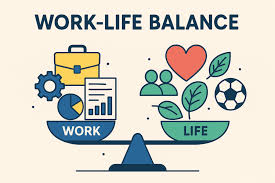
Now, let’s talk about balance. This is not about a perfect 50/50 split. It is about feeling in control.
It means having time for work that matters and time for life that matters. First, you need to set clear boundaries. When does your workday end?
Stick to it. Avoid checking emails after hours. Turn off notifications if you need to.
Your personal time is just as important as your work time.
Schedule your personal time just like you schedule work meetings. Put in time for hobbies, exercise, family, and friends. Treat these like appointments you cannot miss.
When you see them on your calendar, you are more likely to honor them. This also helps you say no to things that do not fit. It protects your precious downtime.
It shows you that your well-being is a priority.
Make sure to build in rest and recovery. Your brain and body need breaks. This is not a sign of weakness.
It is a sign of smart self-care. Regular breaks during the day help. Taking days off is crucial.
You cannot pour from an empty cup. Resting makes you more productive when you are working. It also reduces the chances of burnout.
So, embrace your downtime. It is essential for long-term success and happiness.
Balance Builders
What helps create balance?
- Set Limits: Decide when work stops.
- Schedule Fun: Plan time for hobbies and friends.
- Say No: Protect your personal time.
- Unplug: Limit work talk outside work hours.
- Rest: Take breaks and days off.
Real-World Scenarios and Habits
Let’s look at common habits that disrupt balance. Many people check their phones first thing in the morning. They scroll through work emails or social media.
This immediately puts them in a reactive state. Their mind is already racing before the day has truly begun. It is hard to feel calm when you start this way.
Instead, try a few minutes of quiet time. Drink some water. Stretch your body.
Ease into your day.
Another habit is trying to multitask all the time. You might think you are getting more done. But studies show multitasking often makes us less efficient.
It splits your focus. This increases errors. It also makes tasks take longer.
It is better to focus on one thing at a time. Finish it, or make significant progress, before moving on. This is called single-tasking.
It leads to better quality work and less stress.
We also sometimes fall into the trap of comparing ourselves to others. We see someone’s highlight reel on social media. We think they have it all figured out.
This is rarely the case. Everyone faces challenges. Most people do not show their struggles.
Focus on your own path. Your journey is unique. What works for them might not work for you.
Celebrate your own progress. That is the best way to stay motivated.
Habit Swap
Instead of:
- Checking emails first thing → Gentle morning routine.
- Multitasking constantly → Focus on one task.
- Comparing to others → Celebrate your own wins.
Try these simple swaps for a calmer day.
When Goal Setting Anxiety is Normal vs. Concerning
It’s normal to feel a little nervous before a big task. A flutter of butterflies is okay. It means you care.
It means the goal is important to you. You might feel a bit of stress if you are close to a deadline. That kind of stress can even be motivating.
It can help you focus and get things done. This is the healthy kind of pressure.
But when anxiety becomes concerning, it starts to interfere with your life. If you are having trouble sleeping, eating, or concentrating, pay attention. If the anxiety stops you from doing things you enjoy, that’s a red flag.
If you feel overwhelmed most of the time, it’s a sign to seek support. This might mean talking to a therapist or counselor. They can provide tools to manage these feelings effectively.
Also, consider if your goals themselves are the issue. Are they too ambitious? Are they unrealistic for your current life situation?
Sometimes, adjusting the goal is the best first step. It is not about giving up. It is about making your aims work for you, not against you.
Look at your goals through a lens of kindness. Are they set with your well-being in mind?
Anxiety Check-In
Is it normal?
- Brief nerves before a big task? Yes.
- Feeling pressure near a deadline? Yes.
Is it concerning?
- Trouble sleeping or eating? Yes.
- Anxiety stopping activities you love? Yes.
- Feeling overwhelmed daily? Yes.
Quick Tips for Managing Anxiety and Finding Balance
Here are some simple actions you can take. First, practice mindfulness. Take a few minutes each day to just breathe.
Focus on your breath. Notice what you see, hear, and feel around you. This brings you into the present moment.
It can calm an anxious mind.
Next, move your body. Exercise is a fantastic stress reliever. It does not have to be intense.
A brisk walk outdoors can make a big difference. Even stretching for ten minutes helps release tension. Find something you enjoy doing.
Make it a regular part of your week. This is not just for physical health. It is vital for mental clarity too.
Finally, talk about it. Share your feelings with a trusted friend, family member, or colleague. Sometimes, just voicing your worries can lessen their power.
You might find that others feel the same way. This connection can be very comforting. It reminds you that you are not alone in this struggle.
Seeking support is a sign of strength.
Actionable Steps
- Breathe Deep: Five minutes of focused breathing.
- Move Daily: A walk or stretch.
- Connect: Talk to a friend about your feelings.
- Write It Down: Journal your worries and successes.
- Reward Yourself: Celebrate small progress.
Frequently Asked Questions
Is it normal to feel anxious about setting new goals?
Yes, it’s very common. Anxiety often comes from the fear of the unknown, the pressure to succeed, or worries about failure. It’s a signal that something important is happening, but it doesn’t have to control you.
How can I stop my goals from taking over my entire life?
Setting clear boundaries is key. Decide when your workday ends and stick to it. Schedule personal time like appointments.
Learn to say no to commitments that don’t fit your balance needs. Prioritize rest and hobbies.
What if I’m always worried I’m not doing enough?
This feeling often stems from perfectionism or comparison. Try focusing on progress, not perfection. Celebrate small wins.
Remind yourself that your journey is unique. It’s important to be kind to yourself and acknowledge your efforts.
When should I consider talking to a professional about my anxiety?
If anxiety significantly interferes with your daily life, sleep, appetite, or ability to function, it’s a good idea to seek professional help. Therapists can offer strategies to manage anxiety and improve work-life balance.
How can I make my goals feel less overwhelming?
Break large goals into smaller, manageable steps. Focus on one step at a time. Celebrate each small accomplishment.
This makes the overall goal feel less daunting and builds momentum.
Is it okay to adjust my goals if they are causing too much stress?
Absolutely. Adjusting your goals is a sign of self-awareness and self-care, not failure. If a goal is consistently causing significant anxiety, it might be too ambitious or not the right fit for your current situation.
Reassessing and modifying it can be a very healthy step.
Finding Your Peaceful Path Forward
Setting goals is about growth and progress. It should not be a source of constant dread. By understanding your anxiety and practicing balance, you can achieve your aims.
You can do this without sacrificing your peace. Be patient with yourself. Celebrate every step forward.
Your well-being matters most. You deserve to feel good while you work towards your dreams.