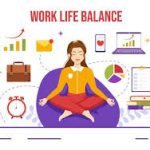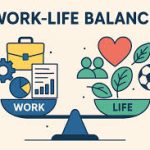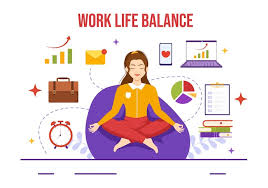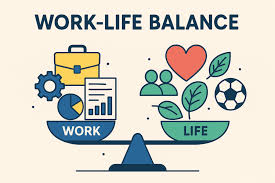
Finding peace between work and life, especially when anxiety is present, is a common struggle. This guide explores the signs of this impact and offers clear ways to improve your overall well-being by balancing these demands.
Understanding the Connection: Anxiety and Work-Life Balance
Anxiety is more than just feeling worried. It’s a feeling of unease. It can be a constant dread or panic.
When we talk about work-life balance, we mean having enough time and energy for both your job and your personal life. These two things are very linked. Your work can cause anxiety.
Also, your anxiety can make it harder to have a good balance.
When your work feels overwhelming, anxiety can grow. You might worry about deadlines or your performance. This worry can then spill into your home life.
You might find it hard to relax. Your thoughts might keep going back to work problems. This makes it tough to enjoy time with family or friends.
It feels like you are always “on.”
On the other hand, if you already feel anxious, your job can make it worse. High-pressure jobs can trigger anxiety. Even simple tasks can seem huge.
This can lead to you avoiding work or feeling stressed all the time. It’s a cycle that is hard to break. You feel anxious, so work is hard.
Work is hard, so you feel more anxious.
Many people try to find a perfect balance. But sometimes, perfection isn’t the goal. It’s about finding a flow that works for you.
It’s about managing your anxiety so it doesn’t control your life or your work. This takes understanding and some effort. We will look at how this connection shows up in real life.
My Own Struggle: The Overtime Trap
I remember a time when my job demanded everything. It was a new project, and everyone was working late. I felt this huge pressure to be the best.
So, I stayed at work until the very last minute. My evenings were gone. Weekends blurred into workdays.
My social life vanished. I told myself it was just a phase.
But the anxiety started to creep in. I’d lie in bed at night, my mind buzzing with work thoughts. What if I missed something?
Was I doing enough? The worry made it hard to sleep. Then, when I was home, I felt drained.
I couldn’t focus on conversations. I was irritable. My partner noticed.
My friends stopped calling as much.
One Saturday morning, I was supposed to meet a friend for coffee. I looked at my to-do list for work. It felt like a mountain.
I cancelled on my friend. That felt like a big moment. I realized I was losing myself.
My work was taking over, and the anxiety was eating away at my peace. It was clear something had to change. I needed to find a way to manage both.
Signs Your Work-Life Balance is Fueling Anxiety
Feeling Constantly Tired: You have no energy for things outside of work.
Worrying About Work at Home: Your mind is always on your job, even when you’re off.
Trouble Sleeping: Stress keeps you awake, thinking about work issues.
Irritability: You get annoyed easily by small things.
Skipping Social Plans: You consistently say no to friends and family.
Physical Symptoms: Headaches, stomach aches, or tense muscles become common.
What Work-Life Balance Looks Like (And Doesn’t Look Like)
A good work-life balance isn’t about a 50/50 split every single day. That’s almost impossible for most people. Instead, it’s about having control.
It’s about feeling like you have enough time and energy for work and for everything else that matters.
It means you can leave work at work. You can enjoy your evenings and weekends. You have time for hobbies, family, and rest.
It’s a feeling of contentment. You feel productive at work. You also feel present when you’re not working.
What it doesn’t look like is working 60 hours a week and collapsing on the couch. It’s not constantly checking emails on vacation. It’s not feeling guilty when you take a break.
It’s not letting your job consume your entire identity.
The key is flexibility. Some weeks, work might need more of your time. Other times, personal life will take priority.
The goal is to have the ability to shift without always feeling overwhelmed or anxious. It’s a dynamic state, not a fixed one.
Contrast: Normal Work Stress vs. Anxiety-Driven Imbalance
Normal Work Stress
- Feels temporary, linked to specific projects.
- Motivation to complete tasks.
- Can usually switch off after work.
- Rest helps recharge.
Anxiety-Driven Imbalance
- Feels constant and pervasive.
- Leads to avoidance or overwhelm.
- Difficult to switch off; intrusive thoughts.
- Rest doesn’t fully relieve fatigue.
Why Does This Imbalance Happen? Common Triggers
Several things can throw off your work-life balance and lead to anxiety. Understanding these can help you spot them in your own life.
Heavy Workload: Sometimes, you just have too much to do. Projects pile up. This makes you feel constantly behind.
The pressure builds, and anxiety follows.
Demanding Boss or Culture: A boss who expects you to be available 24/7 or a company culture that rewards long hours can be tough. You might feel you have no choice but to comply.
Fear of Falling Behind: In competitive fields, there’s often a worry about not keeping up. This fear can push you to work more, even when you don’t need to.
Personal Perfectionism: If you always strive for perfect results, you might spend too much time on tasks. This can lead to burnout and anxiety about not meeting your own high standards.
Lack of Boundaries: Not setting clear limits between work and personal time is a major trigger. This includes checking emails late at night or taking work calls during family time.
Poor Time Management Skills: If you struggle to organize your day, tasks can seem more daunting. This can lead to feeling rushed and anxious.
Job Insecurity: If you worry about losing your job, you might work extra hard to prove your worth. This constant stress can manifest as anxiety.
Personal Life Demands: Sometimes, issues at home can add to your stress. Caring for family, financial worries, or health problems can make it harder to cope with work demands.
Quick Scan: Work Triggers for Anxiety
| Trigger | How it Fuels Anxiety |
|---|---|
| Unrealistic Deadlines | Feeling of constant pressure and failure. |
| Lack of Control | Feeling powerless to change circumstances. |
| Constant Interruptions | Difficulty focusing, feeling scattered. |
| Unclear Expectations | Worrying about meeting needs you don’t understand. |
The Impact on Your Well-being: More Than Just Stress
When anxiety and poor work-life balance go hand-in-hand, the effects go deep. It’s not just about feeling tired. It can affect your physical health, your mental health, and your relationships.
Mental Health Toll: Chronic stress and anxiety can lead to or worsen other mental health issues. This includes depression, panic attacks, and even burnout. Your ability to think clearly and make decisions can also suffer.
Physical Health Problems: Your body reacts to stress. This can mean more headaches, muscle tension, and digestive problems. Over time, it can increase the risk of heart disease, high blood pressure, and a weakened immune system.
Strained Relationships: When you’re always stressed and anxious, it’s hard to be present for loved ones. You might be short-tempered, distant, or always preoccupied. This can cause friction with partners, family, and friends.
Reduced Performance: Ironically, trying to overwork yourself due to anxiety can lead to worse performance. You might make more mistakes, be less creative, and struggle to focus.
Loss of Joy: When your life is dominated by work and worry, it’s hard to find happiness. Hobbies, fun activities, and relaxation fall by the wayside. Life can start to feel dull and joyless.
It’s a cycle that feeds itself. Anxiety makes work-life balance hard, and that imbalance makes anxiety worse. Breaking free requires addressing both aspects.
Real-World Scenarios: How This Plays Out
Let’s look at some common situations where anxiety and work-life balance collide.
Scenario 1: The “Always On” Employee
Sarah works in marketing. Her company culture expects quick responses, even outside of work hours. She feels she must always be available.
She checks emails late into the night and on weekends. This makes her anxious about missing something important. She can’t truly relax on her days off because her phone is always buzzing.
Her personal relationships suffer because she’s always distracted.
Scenario 2: The Perfectionist Programmer
Mark is a software developer. He’s very skilled, but he obsesses over every line of code. He wants it to be perfect.
This means he often stays late, rewriting small sections. He feels anxious about bugs. He tells himself this is needed for quality.
But he’s exhausted. He misses family dinners. His work-life balance is poor, fueling his anxiety about not being good enough.
Scenario 3: The Overwhelmed Caregiver
Maria has a demanding job and also cares for an elderly parent. She rushes from work to her parent’s house. Her evenings are filled with caregiving tasks.
She feels stretched thin. Her anxiety is high because she worries about both her job performance and her parent’s well-being. She has no time for herself, making her feel resentful and exhausted.
These examples show how work and life demands, combined with anxiety, create a difficult situation. It highlights the need for strategies to manage these pressures.
Observational Flow: The Downward Spiral
Step 1: Increased Work Demands. Projects expand or new ones arrive.
Step 2: Personal Time Shrinks. Evenings and weekends get eaten up.
Step 3: Anxiety Grows. Worry about performance and deadlines.
Step 4: Work Becomes Harder. Lack of rest affects focus and productivity.
Step 5: More Time Spent Working. Trying to compensate for reduced efficiency.
Step 6: Anxiety Intensifies. The cycle repeats, getting worse.
What This Means For You: Recognizing the Tipping Point
It’s important to know when your work-life balance is tipping into a problem zone, especially with anxiety. Here are some signs to watch for.
When it’s Normal (Manageable Stress):
- You have busy periods at work, but they pass.
- You can still enjoy your hobbies and time with loved ones most of the time.
- You sleep reasonably well, even if you’re tired.
- You feel productive and engaged at work, not just stressed.
- You can usually switch off from work when you’re home.
When to Worry (Anxiety-Driven Imbalance):
- Work thoughts constantly interrupt your personal time.
- You dread going to work or even think about it.
- You’re always exhausted, and rest doesn’t help.
- Your patience is short; you snap at people.
- You’ve stopped doing things you used to enjoy.
- You have physical symptoms like frequent headaches or stomach issues.
- You feel a sense of hopelessness about the situation.
Simple Checks You Can Do:
- The Weekend Test: How do you feel by Sunday evening? Energized or dreading Monday?
- The Evening Test: Can you relax and enjoy your evening after work?
- The Relationship Check: Are your relationships suffering because of your work demands?
- The Joy Meter: Are you still finding joy in your life outside of work?
If you’re scoring high on the “When to Worry” list, it’s time to make some changes. Ignoring it can lead to serious problems.
Quick Fixes and Tips for Finding Harmony
Getting your work-life balance back on track, especially with anxiety, takes steps. These aren’t magic cures, but they can help create positive change.
Set Clear Boundaries:
- Define Your Work Hours: Decide when your workday starts and ends. Stick to it.
- Communicate Your Limits: Let colleagues and your boss know your availability.
- No Work Devices in Bedroom: Keep your phone and laptop out of the bedroom to avoid late-night work checks.
Prioritize and Delegate:
- Identify Key Tasks: Focus on what’s most important.
- Learn to Say No: Don’t take on more than you can handle.
- Delegate When Possible: If you can, pass tasks to others.
Schedule Downtime:
- Treat Personal Time Like an Appointment: Block out time for hobbies, exercise, or relaxation.
- Take Your Breaks: Step away from your desk during the workday.
- Use Your Vacation Days: You need real time off to recharge.
Manage Anxiety Directly:
- Practice Mindfulness or Meditation: Even a few minutes a day can help calm your mind.
- Deep Breathing Exercises: These can quickly reduce feelings of panic.
- Regular Exercise: Physical activity is a great stress reliever.
- Healthy Eating and Sleep: Take care of your body; it supports your mind.
Seek Support:
- Talk to Someone: Share your feelings with a trusted friend, family member, or partner.
- Consider Professional Help: A therapist or counselor can provide tools and strategies for managing anxiety and stress.
- Talk to Your HR Department: If your workplace is the main issue, they might have resources or solutions.
Stacked Micro-Sections: Building Better Habits
Mindful Mornings: Start your day with quiet. Avoid screens for the first 30 minutes.
Commute Calm: Use your commute to listen to music or a podcast, not to stress about work.
Digital Detox: Set specific times to turn off work notifications.
Hobby Time: Dedicate at least one evening a week to a fun activity.
Gratitude Practice: End your day by thinking of three good things.
Frequent Questions About Anxiety and Work-Life Balance
What is the first step to improving my work-life balance when I feel anxious?
The very first step is usually acknowledging the problem and deciding you want to make a change. Then, try to identify one small boundary you can set today, like not checking emails after 8 PM. Small, consistent steps are key.
Can my work-life imbalance cause panic attacks?
Yes, absolutely. Chronic stress and anxiety from a poor work-life balance can certainly trigger panic attacks in some people. The constant feeling of being overwhelmed and unable to cope can reach a breaking point.
How do I tell my boss I’m struggling with work-life balance due to anxiety?
You can approach your boss calmly and focus on solutions. For example, you might say, “I’m finding it challenging to manage my workload and stay at my best. Could we discuss ways to prioritize tasks or perhaps adjust deadlines on certain projects?” You don’t always need to mention anxiety directly unless you’re comfortable doing so and feel it’s relevant.
Is it normal to feel guilty when I take time off work?
Many people feel guilty. This often comes from a workplace culture that values constant presence or from personal perfectionism. However, taking time off is essential for preventing burnout and maintaining long-term productivity.
Learning to reframe time off as necessary self-care is important.
What are the signs that my anxiety is work-related and not just general anxiety?
If your anxiety levels significantly increase on workdays or when thinking about work tasks, and decrease during weekends or vacations, it’s likely work-related. Specific work stressors like deadlines, difficult colleagues, or heavy workloads might be direct triggers.
Can I achieve a perfect work-life balance?
The idea of a “perfect” balance is often unrealistic. It’s more about finding a sustainable and satisfying blend that works for you. This balance can shift over time and may require constant adjustments rather than a fixed state.
Conclusion: Finding Your Flow
Feeling caught between work demands and personal peace is common, especially when anxiety is involved. It’s not about achieving a flawless split, but finding a rhythm that supports your well-being. By understanding the signs, setting boundaries, and caring for your mental health, you can move towards a healthier balance.
Remember, small changes add up. Be patient and kind to yourself as you work towards a more fulfilling life.