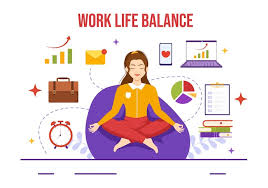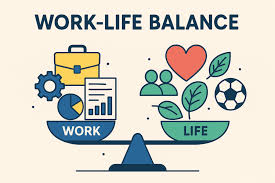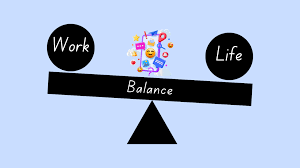
Browser extensions and apps can unintentionally disrupt focus and contribute to feelings of anxiety. By understanding their subtle impact on our daily routines and mental state, we can implement strategies to regain control and foster a healthier work-life balance. This guide explores that connection and offers practical insights.
How Browser Extensions and Apps Sneak Into Our Lives
Think about your web browser. It’s your gateway to so much. You probably have a few little helpers there.
These are browser extensions. They add features. They might block ads.
They could save passwords. Some help you shop smarter. Apps on your phone do similar things.
They are meant to streamline tasks. They promise to boost your productivity. You download them because they solve a small problem.
Or they offer a cool new feature. You might not even remember why you installed some of them. They just sort of hang out there.
They wait to be used.
This “set it and forget it” mentality is common. We get excited about a new tool. We add it quickly.
Then we move on to the next thing. It’s rare that we stop to think about the cumulative effect. These tools are designed to be easy to use.
They are designed to be always available. This constant availability can be a double-edged sword. On one hand, it’s convenient.
On the other hand, it means they are always present. They are always a potential distraction. They are always a potential drain on our mental energy.
This is where the anxiety can start to creep in.
We want to do a good job at work. We also want to relax and enjoy our free time. When our devices are filled with tools that blur those lines, it becomes hard.
The extensions and apps can start to feel like constant demands. They create a feeling of being always on. This is the opposite of a good work-life balance.
It’s a subtle shift at first. You might not even notice it. But over time, it can add up.
It can make you feel stressed. It can make you feel overwhelmed. It can make you feel like you never really switch off.
The Hidden Toll on Focus and Productivity
Our brains are amazing. But they have limits. Especially when it comes to paying attention.
Browser extensions and apps, even the helpful ones, can chip away at our focus. Imagine you are trying to write an important email. You are concentrating hard.
Suddenly, a notification pops up. It’s from a shopping extension. It found a coupon.
Or maybe a social media app on your phone buzzes. It’s a friend’s post. These little interruptions are tiny.
But they break your train of thought. It takes time to get back to where you were.
This is especially true for tasks that need deep focus. Things like coding, writing, or detailed analysis. Each interruption is like a small tug.
It pulls you away from the main task. Over time, these tugs can make it harder to concentrate at all. You might find yourself easily distracted.
You might feel like you can’t finish anything. This lack of sustained focus leads to less productivity. You end up spending more time on tasks.
But you get less done. This can feel very frustrating.
It’s a cycle. Less focus means less done. Less done means more stress.
More stress can lead to more anxiety. You start to worry about deadlines. You worry about not keeping up.
Then you might look for more tools to help you. This can lead to downloading even more extensions and apps. It’s a trap.
You’re trying to fix a problem that the tools themselves might be contributing to. The intention behind these tools is usually good. They aim to make things better.
But without mindful use, they can actually make our work harder.
Quick Scan: Digital Nudges and Your Brain
The Anxiety Connection: When Helpful Tools Become Stressors
Anxiety is a feeling of worry. It can be about things that might happen. Or it can be about things that are happening now.
Browser extensions and apps can feed this feeling. How? They create a sense of obligation.
You might have an extension that tracks your website time. It shows you how much time you spend on social media. Suddenly, you feel guilty.
You feel like you should be doing something else. This guilt is a form of anxiety.
Or consider productivity apps. Some show you your “streaks.” You earn points for completing tasks. If you miss a day, your streak breaks.
This can feel like a failure. Even though it’s just a game. The pressure to maintain these streaks can be stressful.
It adds a layer of performance anxiety to your day. You start working not just to get things done, but to “win” the app.
Then there’s the fear of missing out, or FOMO. There are always new extensions and apps. They promise new ways to be better, faster, or more informed.
You might worry that if you don’t use them, you’ll fall behind. You’ll be less competitive. This constant need to keep up with digital trends can be exhausting.
It fuels a persistent, low-level anxiety. You might feel like you’re always one step away from being out of sync.
I remember a time when I felt this acutely. I was trying out a new project management tool. It had a lot of features.
It promised to organize my entire life. Every notification it sent felt like a demand. It told me what I should be doing next.
The colors were bright. The sounds were chirpy. But inside, I felt a knot of stress.
It wasn’t helping me focus. It was making me feel guilty for not being perfectly on track. It took a conscious effort to realize that this “helpful” tool was actually making me more anxious.
Contrast: Normal vs. Concerning App Impact
You use an app to track time spent on websites. It helps you see where your time goes. You use this info to make small changes.
The same time-tracking app makes you feel guilty. You obsess over every minute not spent “productively.” It causes you to worry constantly.
A password manager helps you create strong passwords. It saves you time and worry about remembering them.
You constantly worry about the security of your password manager. You feel anxious about potential breaches, even if unlikely.
The Erosion of Work-Life Balance
Work-life balance is about finding a healthy mix. It’s about having time for your job. It’s also about having time for yourself, your family, and your hobbies.
Browser extensions and apps can blur the lines between these two worlds. Take shopping extensions. You might be at work, trying to focus.
A pop-up appears. It shows you a great deal on something you like. It’s a small temptation.
But it pulls you away from your work. It might only take a minute. But it’s a minute you’re not working.
Conversely, work-related apps can spill into your personal time. A task manager app might send you reminders about unfinished work tasks. Even when you are sitting down for dinner.
Or a communication app could be on your phone. It makes it easy for colleagues to reach you. Even after hours.
This constant connection makes it hard to truly disconnect. It makes it hard to relax. You feel like you’re always on call.
The intention is often to make us more efficient. To get more done. But efficiency shouldn’t come at the cost of our downtime.
When our devices are full of these tools, our downtime gets invaded. We might check work emails on our personal phone. We might browse work-related sites during our free time.
The distinction between “work time” and “personal time” becomes fuzzy.
I’ve seen this happen in my own home. My partner is very organized. He uses many apps to manage our schedules.
Sometimes, a notification about a future work meeting will pop up on his phone. It happens while we’re watching a movie. He’ll pause and look at it.
He’ll start thinking about it. It breaks the mood. It pulls him away from the present moment.
Even though it’s just a quick glance, it’s a reminder that work is always there. This is a classic example of how work-life balance suffers.
Real-World Scenarios: When Apps Go Rogue
Let’s paint a picture of how this can play out. Sarah is a freelance graphic designer. She uses a bunch of extensions to help her work.
She has one for finding stock photos. Another helps her manage her client projects. She also uses a time tracker.
On her phone, she has apps for social media marketing. And a note-taking app for ideas. She wants to be super productive.
She wants to impress her clients.
One afternoon, Sarah is working on a logo. She needs a specific image. Her photo extension pops up.
It shows a deal on a premium subscription. She clicks it. Then, she gets distracted by a notification from her project manager.
It’s a client asking a quick question. She switches to her email. While there, she sees an ad for a new design tool.
She clicks that link out of curiosity. Suddenly, an hour has passed. She’s no closer to finishing the logo.
She feels a surge of panic. This is a direct result of her “helpful” tools.
Another scenario involves Mark. He works from home as a customer support agent. He uses a specific software for his job.
It has an extension that flags important customer messages. It also has a built-in timer for calls. At home, he uses a budgeting app.
He also has a news aggregator app. And a game on his phone. After a long day, he’s trying to relax.
His phone buzzes. It’s the news app. A headline catches his eye.
He clicks it. Then he sees a related article. He spends twenty minutes reading.
He feels a bit guilty. He knows he should be resting. But the ease of access to information is too tempting.
He tells himself it’s just a few minutes. But these few minutes add up. They stop him from truly winding down.
These aren’t isolated incidents. In many American homes, devices are a mix of work and personal tools. People often use the same computers for both.
This makes it even easier for work to bleed into personal life. And for distractions to derail work. The design of many apps encourages this.
They are made to be engaging. They are made to keep you using them. This is great for their business model.
But not always great for our mental well-being.
Observational Flow: The Distraction Cycle
Start: Focused on a work task.
Trigger: A browser extension or app notification appears.
Action: Briefly check the notification.
Diversion: Get sidetracked by related content or another app.
Awareness: Realize time has passed and focus is lost.
Feeling: Frustration, anxiety, or guilt.
Potential Reaction: Try to regain focus, or seek another tool to “fix” the problem.
What This Means for You: Recognizing the Signs
It’s important to know when these digital tools are working for you and when they’re working against you. You might be experiencing negative effects if you notice a few things. First, do you often feel more stressed after using your computer or phone?
Are you easily distracted? Do you find it hard to concentrate on one task for long? These are signs that your tools might be causing problems.
Another sign is feeling guilty during your downtime. If you feel like you should be working, even when you’re not. Or if you constantly worry about falling behind.
This is a red flag. Work-life balance is suffering. You might also notice yourself multitasking a lot.
But not actually getting much done. Or you might feel overwhelmed by the number of apps and extensions you have. You don’t know where to start.
Here’s a simple check you can do. Take a deep breath. Think about your day.
When you finish work, do you feel a sense of accomplishment? Or do you feel drained and anxious? Do you have clear boundaries between work time and personal time?
If the answer is often “no,” it might be time to re-evaluate your digital toolkit. It’s not about getting rid of all tools. It’s about choosing the right ones.
And using them with intention.
Consider this. If an app is constantly telling you to be more productive, but it makes you feel anxious, is it really helping? Probably not.
The goal is to use technology to support your life. Not to let it control your feelings or your time. Being aware of these subtle impacts is the first step.
It allows you to make informed choices.
Simple Steps to Regain Control
The good news is that you can take back control. It doesn’t require a complete digital detox. It’s more about making mindful choices.
Here are a few simple things you can try. First, audit your extensions and apps. Go through your browser and your phone.
Ask yourself: Do I use this regularly? Does it genuinely help me? Or does it cause stress or distraction?
Uninstall anything you don’t need. Be ruthless!
Next, manage your notifications. Turn off all non-essential alerts. Especially on your phone.
You decide when you want to engage. Not the app. For work-related tools, consider setting specific times to check them.
Don’t let them interrupt you all day. This is key for work-life balance.
Try creating digital boundaries. Designate specific times for work and specific times for personal activities. Keep work apps and extensions off your phone if possible.
Or put them in a separate folder. This makes them less accessible during personal time. When you’re done with work, close those work tabs.
Log out of those work accounts. Give your brain a break.
Experiment with “focus modes.” Many phones and computers have features that block distracting apps for a set time. Use these when you need to concentrate. Or when you want uninterrupted downtime.
Finally, be kind to yourself. It takes time to build new habits. If you slip up, just get back on track.
The goal is progress, not perfection.
Your Digital Toolkit Tune-Up
- Declutter: Remove unused extensions and apps.
- Silence: Turn off non-essential notifications.
- Designate: Set clear times for work and personal tasks.
- Separate: Keep work and personal apps apart if possible.
- Focus: Use “do not disturb” or focus modes.
- Reflect: Regularly check if tools are helping or harming.
Frequently Asked Questions
Can browser extensions really cause anxiety?
Yes, they can. Extensions that provide constant notifications, create pressure to perform, or blur the lines between work and personal life can increase feelings of anxiety and stress. They can also contribute to information overload.
How do I know if an app is hurting my work-life balance?
If you find yourself thinking about work during personal time, feeling guilty for resting, or struggling to disconnect from your devices, your apps might be contributing to a poor work-life balance. Constant distractions also play a role.
What’s the best way to manage app notifications?
The best way is to be selective. Turn off all notifications that aren’t absolutely essential for your immediate tasks or safety. For apps that are important, consider setting specific times to check them rather than reacting to every alert.
Should I remove all browser extensions?
Not necessarily. The goal is mindful use. Remove extensions that are no longer useful or that cause stress.
Keep the ones that genuinely improve your workflow without adding anxiety or disrupting your balance.
How can I avoid getting distracted by shopping extensions?
You can remove shopping extensions altogether. If you prefer to keep them, try disabling them when you need to focus on work. Alternatively, set a strict rule for yourself that you will only check them during designated personal time.
Is it normal to feel overwhelmed by too many apps?
Yes, it’s very common. Having too many apps and extensions can lead to decision fatigue and a feeling of being disorganized. Regularly auditing and decluttering your digital tools can help reduce this overwhelm.
Final Thoughts on Digital Well-Being
Our digital tools are powerful. They can be amazing aids. But they need to serve us.
Not the other way around. By understanding how extensions and apps affect our focus and anxiety, we can make better choices. Small changes in how we manage them can lead to big improvements.
You can find more peace. You can have a better balance. It’s about using technology wisely.
It’s about keeping your well-being at the forefront. Be present. Be in control.