Feeling overwhelmed is tough. It’s like juggling too many balls. Sometimes you drop them.
That’s a common feeling for many. This guide helps you find calm. It’s about small steps.
These steps make a big difference. You can feel better soon. Let’s explore how to begin.
We’ll focus on a 7-day plan. It’s about making your life smoother. And reducing that anxious feeling.
You’ll learn to manage your time better. Also how to protect your peace.
Starting to build anxiety management and work-life balance in just 7 days is achievable with focused, simple actions. This plan helps you identify stress triggers and implement coping strategies. It also introduces small changes to your daily routine.
These aim to create more personal time. You’ll learn to set boundaries and practice mindfulness. The goal is to feel more in control and less anxious within a week.
Understanding Anxiety and Balance
Anxiety is a feeling. It’s worry or fear. It happens when we face a problem.
Or think about something bad. It’s normal sometimes. But too much can hurt us.
It makes life hard to enjoy. Work-life balance is about fairness. It’s about giving time to work.
And also giving time to rest. And hobbies. And family.
When work takes over, we get stressed. We can feel tired and unhappy. A good balance helps our mind.
It helps our body too. It stops anxiety from growing too big.
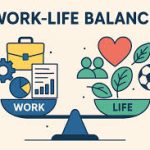
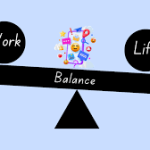
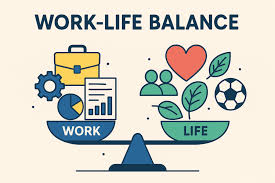
Think of it like a seesaw. Work is on one side. Life is on the other.
They need to be even. If one side is too heavy, it’s off. It feels wrong.
We need both sides to be balanced. This helps us feel good. It helps us do our best work too.
But when we feel anxious, it’s hard. It’s like the seesaw is stuck. It won’t move right.
We need to learn how to fix it. How to make it move smoothly again.
Many people struggle with this. They work long hours. They feel guilty taking breaks.
This is very common. The pressure to always be productive is high. This can lead to burnout.
Burnout means you’re very tired. You can’t do things anymore. It affects your health.
It affects your happiness. It’s like running on empty. Our bodies and minds need rest.
They need to recharge. Ignoring this leads to problems.
This guide is for you if you feel this. If you wake up feeling tired. If your mind races with worries.
If you can’t switch off from work. You are not alone. There are ways to make this better.
Even in a short time. We’ll break it down. Day by day.
Small actions. Big impact. This is about taking control.
It’s about reclaiming your peace.
My Own Rough Patch: When Work Ate My Life
I remember a time not too long ago. I was so caught up in my job. I thought I had to be available all the time.
Emails at midnight. Work calls on weekends. I felt this constant hum of worry.
My stomach was always tight. I couldn’t sleep well. I’d lie awake thinking about deadlines.
I’d feel a pang of panic. What if I missed something important? What if I let someone down?
One evening, I was making dinner. My phone rang. It was my boss.
I answered, even though it was late. I could hear the sizzle of the pan. My mind was on the call.
Suddenly, I heard a loud pop. I had dropped the pan. Hot oil splashed everywhere.
Luckily, I didn’t get burned badly. But it was a shock. It was like a wake-up call.
My whole life was out of balance. I was so distracted by work. I couldn’t even cook safely.
That incident made me pause. I realized I was heading for disaster. Not just with cooking.
But with my health. My relationships. My overall well-being.
I knew I needed to change. But the thought of how felt overwhelming. Where do you even start when you’re so deep in it?
The anxiety felt like a heavy blanket. It was hard to move under it. I felt stuck.
I needed a clear path. A simple way to begin. Something I could do in small steps.
That’s when I started researching. And experimenting with small changes. Things that didn’t require huge effort.
But made a noticeable difference.
Day 1: Setting the Stage for Calm
Today is about awareness. We need to know where we are. What makes you feel anxious?
What parts of your day feel rushed? Don’t try to change things yet. Just notice them.
Like a detective. What time do you wake up? What’s the first thing you do?
Do you check your phone right away? How do you feel after that? How much time do you spend on work tasks?
How much time do you have for yourself?
Jot down some notes. Even just a few words. For example: “7 AM, check email, feel rushed.” Or “3 PM, meetings back-to-back, tired.” This simple act of writing things down helps.
It makes the chaos clearer. It shows you patterns. You’ll see where the stress starts.
You’ll see where your time goes. This is the first step to control. It’s understanding the problem.
This isn’t about judgment. It’s about information. We gather facts.
Facts help us make a plan. If you notice you check your phone first thing, that’s good to know. It’s a habit.
Habits can be changed. But you must see them first. This might feel a little uncomfortable.
Seeing the reality of your days. But it’s important work. It’s the foundation for everything else.
Day 1 Quick Scan: Your Current Flow
Morning Start: What’s your very first action? (e.g., Phone, Alarm, Coffee)
Work Blocks: How many hours are spent on core work tasks?
Downtime: How much time, if any, is set aside for relaxation or fun?
Evening Wind-down: What do you do before bed? (e.g., More work, TV, Reading)
Stress Triggers: What specific tasks or times of day make you feel anxious?
Take a few minutes today. Just observe yourself. Like watching a movie of your day.
What are the main scenes? What are the recurring themes? This simple data is gold.
It tells you what needs adjusting. It’s the first step to finding peace. And making your life feel more balanced.
You’ve started! That’s a big win.
Day 2: The Power of a Small Boundary
Today, we’ll set one tiny boundary. A boundary is a rule for yourself. It protects your time and energy.
It tells others (and yourself) what’s okay. And what’s not. For example, you can decide: “I will not check work emails after 7 PM.” Or “I will not take non-urgent calls during my lunch break.”
Pick one thing. Just one. Make it small and easy.
The goal is to practice setting a limit. And sticking to it. It feels good to have control.
Even over a small part of your day. This helps reduce anxiety. Because you know a specific time is protected.
It’s yours. No work intrusion.
This practice builds confidence. Each time you hold your boundary, you get stronger. It’s like training a muscle.
At first, it might feel hard. Your old habits might call to you. That little voice saying, “Just check it quickly.” But remind yourself of your goal.
Remind yourself of the calm you’re building. Remember the feeling of peace when you’re not thinking about work.
Share your boundary with someone if it helps. Like your partner or a friend. Say, “Hey, just so you know, I’m trying not to check emails after 7 PM.” This makes it real.
It also gives you an ally. Someone who can remind you or support you.
The key here is consistency. Do it every day. For this one boundary.
Even on days you don’t feel like it. This habit building is crucial. It starts to shift your mindset.
From always on duty to someone who respects their own time. This is vital for work-life balance. And for lowering anxiety levels.
Think about the benefits. Less late-night worry. More time to relax.
A clearer head for tomorrow. This small change can have a ripple effect. It shows you that you can create space.
You can protect your peace. And that’s a powerful feeling.
Setting Your First Boundary (Day 2 Focus)
- Choose ONE: Pick a simple, achievable limit.
- Examples:
- No work emails after 7 PM.
- No work calls during lunch.
- Strictly 30 min social media break.
- Communicate (Optional): Tell a supportive person.
- Commit: Stick to it for the rest of the day.
You’ve taken a step to protect yourself. This is progress. Even if it feels small.
Every small step counts. It’s the beginning of something bigger. A life with less anxiety.
And more balance.
Day 3: Tiny Moments of Stillness
Today is about finding small pockets of quiet. Anxiety often comes from constant noise. Inside your head.
And outside. We need moments to just be. These don’t need to be long.
Even 1-2 minutes can help. Think of them as mini-breathers for your mind.
When you feel a wave of anxiety, pause. Just for a moment. Close your eyes.
Take one slow, deep breath. Feel the air fill your lungs. Then let it out slowly.
Notice how your body feels for a second. That’s it. That’s a moment of stillness.
You can also do this intentionally. Set a reminder on your phone for a few times today. Just to pause.
When the reminder pops up, stop. Close your eyes. Take a deep breath.
Maybe look out the window. Notice something simple. A tree.
A cloud. The color of the sky. This brings you back to the present moment.
These moments interrupt the stress cycle. Anxiety thrives on running thoughts. Stillness breaks that cycle.
It reminds your brain that you are safe. It’s a simple way to manage feeling overwhelmed. And it costs nothing.
It takes only a moment.
Try to do this when you’re transitioning. From one task to another. Or before a meeting.
Or when you first get home. These little pauses help you reset. They prevent stress from building up.
It’s like hitting a tiny reset button for your nervous system.
The key is to make it a habit. Sprinkle these moments throughout your day. Don’t wait until you feel totally overwhelmed.
Use them preventatively. They are small acts of self-care. They help build resilience.
Resilience is your ability to bounce back. When things get tough. And it all starts with these tiny moments of peace.
This practice can help you feel more grounded. Less like you’re being swept away by worries. It’s a simple tool.
But incredibly effective. It’s about being present. And giving your mind a brief rest.
You are creating space for calm. One breath at a time.
Your Daily Stillness Menu (Day 3 Focus)
- Anchor Breath: Take 1-3 deep, slow breaths.
- Sensory Pause: Notice one thing you can see, hear, or feel.
- Mindful Transition: Pause between tasks.
- Reminder Breaks: Set phone alarms 2-3 times a day.
- Goal: Create tiny moments of mental quiet.
You are learning to find calm. Even in the middle of a busy day. This is a powerful skill.
It helps you manage anxiety. And builds that all-important balance. Keep going!
Day 4: Gentle Movement for a Quieter Mind
Today, we focus on your body. Our minds and bodies are connected. When we’re stressed, our bodies hold tension.
Gentle movement can release this. It also boosts your mood. It’s a great way to combat anxiety.
You don’t need to run a marathon. Or go to the gym for hours. Think small and gentle.
A 10-15 minute walk outside is perfect. Or some simple stretching at home. Maybe some yoga poses.
The key is gentle and regular. The movement itself helps. But so does the intention to move for your well-being.
When you walk, focus on your steps. Feel your feet on the ground. Notice the air.
Listen to the sounds around you. This is another way to be present. It takes your mind off worries.
It shifts your focus to your physical self. It’s like shaking off the stress.
If you can’t go outside, that’s okay. Simple stretches can work wonders. Reach your arms up high.
Twist your torso gently. Roll your shoulders. Even just marching in place for a few minutes.
Anything that gets your blood flowing. And loosens up tight muscles.
Exercise releases endorphins. These are natural mood boosters. They can help counteract the feelings of anxiety and sadness.
It’s a natural anti-anxiety remedy. And it improves sleep too. Which is often disrupted by stress.
Getting better sleep is a huge win for balance.
The important part is to make it enjoyable. If you dread it, you won’t do it. Find something you like.
Maybe dancing to your favorite music? Or a brisk walk with a friend? Or a quiet walk in nature?
Whatever makes you feel good. And makes you want to move your body.
This is about creating a positive feedback loop. You move, you feel better. Feeling better makes you want to move more.
It’s a win-win. Integrating this into your day is a big step towards balance. It shows you’re taking care of your physical health.
And that directly supports your mental health.
So today, find 15 minutes. Move your body. Notice how you feel afterward.
You might be surprised. You might feel lighter. Calmer.
More centered. This is the power of gentle movement. It’s a vital part of managing anxiety.
And building a life with more ease.
Movement Moments (Day 4 Focus)
- Choose Your Move: A walk, stretch, dance, or yoga.
- Time: Aim for 10-20 minutes.
- Focus: Be present with your body and surroundings.
- Goal: Release tension, boost mood, and aid sleep.
- Enjoyment: Pick something you genuinely like.
You’re actively working on your well-being. Not just thinking about it. This physical aspect is key.
It grounds you. It calms you. And it helps create that much-needed balance.
Day 5: Mindful Eating for a Calmer Gut
Our diet has a big impact on how we feel. Especially when it comes to anxiety. What we eat can either calm us down.
Or make us feel more on edge. Today, we’ll focus on mindful eating. It’s about paying attention to your food.
And how you eat it.
First, try to eat at a table. Away from your computer or TV. This helps you focus on your meal.
It makes eating an event. Not just fuel. When you eat, take small bites.
Chew your food slowly. Really taste it. Notice the textures.
The flavors. This slows down the eating process. It helps your digestion.
And it helps your brain register that you are eating.
When we rush through meals, we often overeat. Or we don’t fully digest our food. This can lead to stomach issues.
And feeling sluggish. Stomach problems can actually increase anxiety. So, slowing down is important.
It’s a direct link to feeling calmer.
Try to notice your hunger cues. Are you truly hungry? Or are you eating out of habit?
Or stress? Mindful eating helps you listen to your body. It helps you distinguish between physical hunger and emotional hunger.
This awareness is powerful. It can prevent mindless snacking or overeating.
What you eat matters too. For anxiety, try to limit caffeine and sugar. These can make you feel jittery.
They can mimic anxiety symptoms. Instead, focus on whole foods. Fruits, vegetables, lean proteins, and healthy fats.
These provide steady energy. They help stabilize your mood.
Hydration is also key. Drink plenty of water. Dehydration can make you feel tired and foggy.
Which can worsen anxiety. Keep a water bottle with you. Sip it throughout the day.
This day is about treating your body well. With good food. And with mindful attention.
It’s an act of self-respect. And it has tangible benefits for your anxiety. A calm gut leads to a calmer mind.
It’s a simple truth. But powerful when you practice it.
So today, make your meals moments of peace. Slow down. Taste your food.
Listen to your body. This mindful approach to eating is a cornerstone of balance. It shows you’re nurturing yourself from the inside out.
And that’s a very important step in feeling better.
Mindful Eating Habits (Day 5 Focus)
- Eat at a Table: Focus on your meal.
- Slow Down: Chew thoroughly, take small bites.
- Taste and Texture: Engage your senses.
- Listen to Your Body: Eat when truly hungry.
- Hydrate: Drink water consistently.
- Nourish: Choose whole, balanced foods.
You’re connecting with your body in a new way. Through nourishment. This is key for managing stress.
And building a solid foundation for work-life balance. Well done!
Day 6: The Comfort of Connection
We are social creatures. Connection with others is vital for our well-being. When we feel anxious, we sometimes pull away.
This makes the anxiety worse. Today, we focus on reaching out. Or deepening existing connections.
Think about someone you trust. A friend, family member, or partner. Could you have a short chat with them today?
Not about your problems necessarily. Just a casual conversation. Ask them how they’re doing.
Share a funny story. Or simply spend some quality time together. It could be a phone call, a video chat, or even a quick text.
Human connection is a powerful antidote to anxiety. It reminds us we are not alone. It can offer perspective.
And simple comfort. Talking to someone you feel safe with can lower your stress hormones. It provides a sense of belonging.
Which is fundamental to feeling secure.
If talking feels too much, try a shared activity. Watch a movie together. Cook a meal.
Or even just sit in the same room and read. The shared presence can be comforting. It’s about shared experience.
It doesn’t have to be deep or serious.
Consider also connecting with nature. Or a pet. These connections can be very soothing.
A walk in the park with a friend. Or cuddling with your cat. These simple interactions bring joy.
And reduce feelings of isolation. Which often accompany anxiety.
When you’re feeling overwhelmed, remember your support system. You don’t have to carry everything yourself. Reaching out is a sign of strength.
Not weakness. It’s about recognizing your needs. And taking steps to meet them.
This is a crucial part of creating balance. Because it reminds you that life isn’t just work. It’s also about the people you care about.
So today, make an effort to connect. Even for a few minutes. Let someone know you’re thinking of them.
Or let them know you’re thinking of you. And that you value their presence in your life. This simple act of reaching out can brighten your day.
And strengthen your resilience against anxiety.
You are building a life where you feel supported. And connected. This is a huge step.
Towards a more balanced and peaceful existence. Great job today!
Connecting with Others (Day 6 Focus)
- Reach Out: Call, text, or video chat a trusted person.
- Share Lightly: A funny story or simple check-in.
- Shared Activity: Watch, cook, or read together.
- Nature/Pet Time: Enjoy time with animals or outdoors.
- Goal: Combat isolation and boost mood.
- Strength: Reaching out is a sign of courage.
You are nurturing your relationships. This is essential for emotional well-being. And for a balanced life.
Your connections matter. They are part of your support system.
Day 7: Reflection and Planning for Tomorrow
You’ve made it to Day 7! This is a moment to celebrate. And to look ahead.
Today is about reflection. What did you learn this week? What felt good?
What was challenging?
Look back at your notes from Day 1. How does your day feel different now? Did you set a boundary?
Did you find moments of stillness? Did you move your body? Did you eat mindfully?
Did you connect with someone? Even if you only did one thing each day, that’s amazing progress.
Think about what was easiest for you. And what was hardest. The hardest things are often where you need to focus more.
But don’t be discouraged. Progress isn’t always a straight line. It’s okay if some days were better than others.
The goal isn’t perfection. It’s improvement. And building habits that last.
You’ve planted seeds this week. Now, how can you water them? How can you continue these practices?
Consider what you want to carry forward. Maybe you want to keep your evening email boundary. Or add another small boundary.
Perhaps you’ll continue your 2-minute stillness breaks. Or make walking a daily habit. Pick one or two things that felt most helpful.
You can also set a small goal for next week. Something just as manageable. Maybe trying a new mindful eating practice.
Or scheduling a longer walk. Or planning a coffee date with a friend.
This 7-day plan was a start. It showed you that change is possible. And that you have the power to make it happen.
Anxiety and work-life balance are ongoing journeys. Not destinations. Be kind to yourself.
Celebrate your wins. And keep learning. You are building a more peaceful life.
Remember, you’ve learned to be more aware. To set limits. To find calm.
To move your body. To nourish yourself. And to connect.
These are powerful tools. They will serve you well. Continue to practice them.
And watch how your life transforms. You’ve got this. You’ve created a foundation for well-being.
Your Week 1 Recap & Next Steps
- Review: What worked best for you this week?
- Challenges: What was difficult to implement?
- Choose to Keep: Select 1-2 practices to continue.
- Set a Small Goal: For the upcoming week.
- Self-Compassion: Be proud of your efforts.
- Ongoing Journey: Balance takes time and practice.
You’ve successfully navigated your first week of intentional change. This is a significant accomplishment. Keep building on this momentum.
Your efforts are creating real, lasting balance.
Real-World Scenarios: Putting It All Together
Let’s look at how these practices fit into a typical week. Imagine Sarah. She works in marketing.
She often felt anxious about deadlines. And guilty if she wasn’t working. Her days were a blur of emails and meetings.
She rarely saw her family much.
Sarah started her 7-day plan. On Day 1, she noticed her phone was the first thing she grabbed. And that her evenings were filled with checking work Slack.
On Day 2, she set a boundary: no work communication after 8 PM. It was tough at first. But she stuck to it.
She felt a small sense of relief.
Day 3, she took 2-minute breathing breaks between calls. She realized how tense her shoulders were. This led to Day 4, where she started a 15-minute walk around the block after work.
She noticed her mind felt clearer. By Day 5, she ate lunch away from her desk. She actually tasted her sandwich.
Day 6, she called her sister just to chat. It felt amazing to laugh. On Day 7, she reflected.
She decided to keep the evening boundary. And to continue her walks. She also planned a game night with her kids for the next weekend.
She realized that taking small steps wasn’t about doing less. It was about doing things better. And feeling more present.
Her anxiety didn’t vanish overnight. But it lessened. She felt more in control.
Her work felt manageable. And she started enjoying her evenings again. This is the power of integrating these practices.
They aren’t separate tasks. They become part of how you live. They create a positive cycle.
Another example is Mark. He’s a software developer. He often felt anxious about bugs.
And the pressure to perform. He’d skip meals or eat junk food. His 7-day journey looked like this:
Day 1: He saw he was eating lunch at his desk while coding. Day 2: He set a boundary for a 30-minute lunch break. Day 3: He took 3 deep breaths before tackling a tricky bug.
Day 4: He did 10 minutes of stretching at his desk. Day 5: He decided to pack a healthy lunch. He ate it outside.
Day 6: He texted a work friend to share a funny meme. Day 7: He committed to keeping his lunch breaks. And to continue the desk stretches.
He also decided to try meditating for 5 minutes before bed.
These stories show that it’s about small, consistent actions. Tailored to your life. The principles are the same.
Awareness, boundaries, stillness, movement, nourishment, and connection. When you apply them, you build a more resilient self. And a more balanced life.
It’s about making small adjustments that add up. And that’s how you begin to manage anxiety and find that elusive work-life balance.
What This Means For You: Normal vs. Concerning
It’s important to know what’s normal and when to seek help. Feeling a bit stressed before a big deadline is normal. Feeling anxious about a new task is also common.
These are signals. They tell you to pay attention. And often, the practices we’ve discussed can help manage these normal feelings.
When does it become concerning? If your anxiety is constant. If it stops you from doing things you enjoy.
If it interferes with your work or relationships. If you have trouble sleeping for weeks. Or if you have physical symptoms like a racing heart, shortness of breath, or stomach pain that won’t go away.
These are signs that your anxiety might be more serious. Or that you’re dealing with burnout. It’s okay to ask for help.
A doctor can check for physical causes. A therapist can help you develop coping strategies. They can offer professional guidance.
You don’t have to go through it alone.
Work-life balance is also a spectrum. Some weeks will be busier than others. That’s okay.
The goal is not perfect 50/50 split every single day. It’s about having enough control. And enough rest.
Over the long term. If you consistently feel like work is taking over. And you have no time for yourself or loved ones.
That’s a sign things are out of balance.
Simple checks you can do:
- Energy Levels: Do you have energy for things outside of work?
- Sleep Quality: Are you sleeping well most nights?
- Mood: Are you generally feeling okay, or consistently down/anxious?
- Social Life: Do you have time for friends and family?
- Work Boundaries: Can you switch off from work at the end of the day?
If you answer “no” to many of these, it’s a good signal to re-evaluate. The 7-day plan is a starting point. If you’re struggling significantly, please reach out to a healthcare professional.
They can provide personalized support.
Remember, your well-being is the most important thing. Taking care of yourself isn’t selfish. It’s essential.
It allows you to be present. And effective in all areas of your life. Building balance and managing anxiety is a journey.
There will be ups and downs. But you have the tools now to navigate them.
Quick Tips for Lasting Change
To make these changes stick, keep a few things in mind. First, be patient with yourself. Building new habits takes time.
Don’t expect overnight miracles. Some days will be easier than others.
Second, celebrate small wins. Did you stick to your boundary? Did you take a mindful breath?
Acknowledge it. Tell yourself “good job.” This positive reinforcement helps build momentum.
Third, find an accountability partner. This could be a friend, family member, or colleague. Share your goals with them.
Check in with each other. Knowing someone else is aware can make a big difference.
Fourth, be flexible. Life happens. Sometimes your plan will get derailed.
Don’t give up. Just get back on track as soon as you can. One missed day doesn’t ruin your progress.
Fifth, keep learning. Read articles like this. Listen to podcasts.
Find what resonates with you. The more you learn, the more tools you’ll have in your toolbox.
Sixth, review your progress regularly. Maybe once a week or month. See what’s working.
And what’s not. Adjust your plan as needed. This makes sure your practices stay relevant.
Finally, remember your ‘why’. Why do you want less anxiety? Why do you want better balance?
Keep that reason at the forefront. It will help you stay motivated. Especially on tough days.
These tips are about making your efforts sustainable. And building a life you truly enjoy.
Sustaining Your Progress
- Patience: Habits take time.
- Celebrate Wins: Acknowledge every step forward.
- Accountability: Share your goals with someone.
- Flexibility: Get back on track if you slip.
- Keep Learning: Stay informed and inspired.
- Regular Review: Adjust your plan as needed.
- Remember Your Why: Stay motivated by your goals.
You have the power to make lasting changes. These quick tips will help you stay on course. Keep these in mind as you continue your journey.
Frequently Asked Questions
Can I really achieve work-life balance in just 7 days?
You can start building positive habits for work-life balance in 7 days. You won’t achieve perfect balance instantly. But you can make significant progress.
You’ll learn simple tools. And begin to create more calm and control in your life.
What if my anxiety feels too big to handle with these tips?
If your anxiety feels overwhelming, these tips can still be helpful. But it’s also a sign to seek professional support. A doctor or therapist can offer tailored strategies.
They can help you manage more severe anxiety.
How do I set boundaries without seeming rude or uncooperative at work?
Set boundaries politely and clearly. Focus on what works for your productivity and well-being. For example, “I will respond to emails within 24 hours.” Or “I’m unavailable for calls between 12-1 PM for lunch.” Often, people respect clear, reasonable limits.
Is it okay to skip a day of practice if I’m feeling tired?
Yes, it’s okay. The goal is consistency over perfection. If you miss a day, just pick up where you left off the next day.
Don’t let one missed day derail your progress. Be kind to yourself.
How often should I reflect on my progress?
Reflecting at the end of each week is a good practice. You can also do quick check-ins daily. This helps you see what’s working and adjust your approach.
It keeps you focused on your goals.
What’s the difference between normal stress and the start of burnout?
Normal stress is usually tied to a specific event and temporary. Burnout is a state of emotional, physical, and mental exhaustion. It often comes from prolonged stress.
Signs include cynicism, detachment, and reduced accomplishment. If you suspect burnout, professional help is important.
Conclusion: Your Path to Peace
You’ve completed this 7-day guide! This is a huge step. You’ve learned that small, consistent actions matter.
They can reduce anxiety. And build a better work-life balance. Keep practicing.
Be patient. And celebrate your progress. Your journey to peace has truly begun.