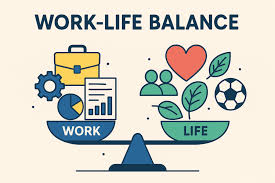
Feeling that heavy weight of anxiety? Juggling work and life feels like an endless tug-of-war. Many of us are right there with you, searching for ways to feel more in control.
This guide is here to help. We’ll explore how to understand anxiety better and find free tools to build a healthier balance.
Free resources can significantly help you learn about anxiety and improve work-life balance. These tools offer education, coping strategies, and practical tips. They empower you to manage stress and find harmony between your professional and personal life without added cost.
Understanding Anxiety and Its Impact
Anxiety is more than just feeling worried. It’s a feeling of unease, such as worry or fear. It can happen when you’re facing something stressful.
Sometimes it’s a big event, like a job change. Other times, it’s a lot of small things adding up.
This constant worry can drain your energy. It can make it hard to focus on tasks. Your sleep might suffer.
Even simple daily activities can feel overwhelming. It’s like a fog rolling in, making everything unclear and difficult.
When anxiety takes hold, our bodies react. You might feel your heart beat faster. You might sweat more.
Your stomach could feel upset. These are your body’s alarm bells ringing. They signal that something feels off or unsafe, even if there’s no clear danger.
The connection between anxiety and work-life balance is very strong. When work demands are too high, or life outside work feels chaotic, anxiety often grows. It’s hard to switch off from work stress when personal time is also packed.
This loop can make both areas feel worse.
The Challenge of Work-Life Balance
What does work-life balance even mean? For many, it’s not about a perfect 50/50 split. It’s about feeling like you have enough time and energy for both work and your personal life.
It means not feeling guilty when you’re at work because you’re missing family time. And it means not feeling overwhelmed by personal tasks when you’re trying to focus on your job.
In today’s world, the lines between work and home are often blurred. Many people work from home. This can be great, but it also means your kitchen table might be your office.
Your laptop is always nearby. It’s easy to check emails late at night or start work earlier than planned.
This constant ‘on’ feeling contributes to burnout. Burnout is when you feel completely exhausted. You might feel cynical about your job.
Your work performance can drop. It’s a serious sign that your current balance isn’t working for you.
The pressure to succeed at work can be immense. We want to do well, impress our bosses, and earn a good living. But when that drive leads us to neglect our personal needs, the cost is too high.
We need to find ways to honor both our professional goals and our well-being.
Where to Find Free Anxiety Resources
The good news is that you don’t need a lot of money to start learning about anxiety and finding help. Many organizations and experts offer valuable resources for free. These can be a great starting point for understanding what you’re feeling and why.
One excellent place to start is with mental health non-profits. Groups like the Anxiety & Depression Association of America (ADAA) offer a wealth of information on their websites. You can find articles, fact sheets, and even online support groups.
These resources are written by experts but explained in simple terms.
Government health sites are also treasure troves. The National Institute of Mental Health (NIMH) provides easy-to-understand information about various mental health conditions, including anxiety. They often have sections on symptoms, treatments, and where to find help.
Many universities and research institutions also share their findings openly. While some research papers can be complex, they often have summary pages or public outreach materials. These can offer insights into the latest understanding of anxiety.
Don’t forget about public libraries! They offer not only books on mental health and stress management but also access to online databases and resources. Many libraries have subscriptions to health and wellness websites that you can use for free with your library card.
Online Learning Platforms
Many websites offer free courses or modules on mental well-being. Look for topics like stress reduction, mindfulness, and coping skills. These can be a great way to learn new techniques at your own pace.
Free Resources for Work-Life Balance
Finding balance takes conscious effort. Thankfully, there are many free tools to help you navigate this. These resources focus on practical strategies you can use every day.
Many career websites and blogs offer articles on time management and productivity. They share tips on how to set boundaries between work and home. Look for advice on prioritizing tasks and saying ‘no’ when you’re overcommitted.
Productivity apps and tools are often available in free versions. These can help you organize your to-do lists, schedule your day, and track your time. Some even offer features to block distracting websites during work hours.
Online communities and forums can be incredibly supportive. You can connect with others who are facing similar challenges. Sharing experiences and advice in these spaces can make you feel less alone.
You might pick up new ideas for managing your time and energy.
Public broadcasting services, like PBS, often have programs and online content about well-being, personal finance, and career development. These can offer fresh perspectives and practical guidance.
Time Management Techniques
Explore methods like the Pomodoro Technique (work in short bursts with breaks) or time blocking (scheduling specific tasks). Many websites explain these for free.
Mindfulness and Stress Reduction Tools
When anxiety spikes, or stress from work builds up, mindfulness can be a game-changer. It’s about paying attention to the present moment. It’s done without judgment.
It helps calm your mind and body.
There are many free mindfulness apps available. Apps like Insight Timer and Smiling Mind offer guided meditations. You can find sessions for sleep, stress, focus, and more.
They are designed to be easy to use, even for beginners.
YouTube is another fantastic resource. You can find countless free guided meditation videos. Many yoga instructors and mindfulness coaches share their practices there.
Look for videos specifically focused on anxiety relief or work stress.
Simple breathing exercises are powerful tools. You don’t need an app for this. Just focusing on your breath can slow your heart rate and calm your nervous system.
Inhale deeply through your nose, hold for a moment, and exhale slowly through your mouth. Repeat this several times.
Journaling is also a great way to process thoughts and feelings. Keeping a simple notebook and pen can help. Writing down what’s causing anxiety or stress can make it feel more manageable.
It’s like talking it out on paper.
Breathing Exercise Guide
Box Breathing: Inhale for 4 counts. Hold for 4 counts. Exhale for 4 counts.
Hold for 4 counts. Repeat.
Building Healthy Habits with Free Resources
Healthy habits are the foundation of both managing anxiety and achieving work-life balance. These aren’t quick fixes but long-term strategies. Luckily, learning about and adopting them can be free.
Physical activity is crucial. Even a short walk each day can make a difference. Many local parks offer free access.
Online, you can find free workout videos on YouTube. Look for beginner yoga, simple cardio routines, or bodyweight exercises.
Getting enough sleep is vital for mental and physical health. Free resources often discuss sleep hygiene. This includes tips like having a regular sleep schedule and creating a relaxing bedtime routine.
Avoiding screens before bed is also a common recommendation.
Nutrition plays a role too. You don’t need expensive health foods. Learning about balanced meals is key.
Government health websites often provide free, simple guides on healthy eating. Focus on whole foods and limiting processed items.
Social connection is another important habit. Spending time with loved ones reduces stress and loneliness. Many community centers offer free or low-cost social activities.
Even a simple phone call to a friend can boost your mood.
Healthy Habit Tracker
Daily Check-in:
- Did I move my body today?
- Did I get enough rest last night?
- Did I eat at least one healthy meal?
- Did I connect with someone I care about?
This simple tracking helps build awareness.
Personal Story: When Work Took Over
I remember a time when my work felt like a runaway train. I was working on a big project. The deadlines were tight.
I felt like I was chained to my desk. My evenings were spent answering emails. Weekends were for catching up on tasks I couldn’t finish during the week.
My anxiety was through the roof. I’d lie awake at night, my mind racing with everything I hadn’t done. I started snapping at my family.
I felt constantly on edge, like a coiled spring. My favorite hobbies, like gardening, were completely forgotten. I just didn’t have the energy or the time.
One particularly rough Tuesday, I was staring at my computer screen. The words just swam before my eyes. I felt this overwhelming urge to just walk away.
I remember looking out the window at the setting sun. The sky was a beautiful orange and purple. It hit me how much I was missing.
That moment was a wake-up call. I realized that ‘success’ at work wasn’t worth losing myself. I started actively searching for ways to regain control.
I began using a free calendar app to block out personal time, even just 30 minutes for a walk. I started saying ‘no’ to extra tasks when I was already overloaded. It wasn’t easy, but slowly, things started to shift.
I felt more like myself again.
Understanding Different Types of Anxiety
Anxiety isn’t a one-size-fits-all feeling. There are different types, and knowing them can help you understand your own experiences better. Free resources are great for learning these distinctions.
Generalized Anxiety Disorder (GAD) is characterized by excessive worry about everyday things. This worry is hard to control. It can interfere with daily life.
People with GAD might constantly worry about their health, finances, or family, even when there’s no clear reason.
Social Anxiety Disorder is a fear of social situations. People with this disorder worry about being judged or embarrassed in front of others. This can make parties, meetings, or even casual conversations very difficult.
Panic Disorder involves unexpected and recurrent panic attacks. A panic attack is a sudden surge of intense fear. It often comes with physical symptoms like a racing heart, shortness of breath, and dizziness.
These attacks can feel terrifying.
Phobias are intense fears of specific objects or situations. This could be a fear of heights, spiders, or flying. The fear is often out of proportion to the actual danger.
Learning about these specific types can help you identify what might be going on. Once you have a clearer idea, you can look for resources tailored to those experiences.
Common Anxiety Symptoms
Physical: Racing heart, sweating, trembling, shortness of breath, fatigue, muscle tension, stomach issues.
Mental/Emotional: Excessive worry, feeling restless, irritability, difficulty concentrating, fear, avoidance.
Practical Strategies for Better Work-Life Integration
Work-life integration is about making your work and personal life fit together. It’s not always about strict separation. It’s about making them both work for you.
Set Clear Boundaries: This is perhaps the most important step. Decide when your workday starts and ends. Communicate these hours to your colleagues and family.
When your workday is over, try to disconnect mentally and physically.
Prioritize and Delegate: Learn to identify what’s truly important. Focus your energy on those tasks. If possible, delegate tasks that others can handle.
This frees up your time and reduces your workload.
Schedule Personal Time: Just like you schedule meetings, schedule time for yourself. Put it on your calendar. This could be time for hobbies, exercise, family, or simply relaxing.
Treat this time as non-negotiable.
Learn to Say No: It’s okay to decline requests that you don’t have the capacity for. Saying ‘yes’ to everything will only lead to overwhelm and stress. A polite ‘no’ is better than a stressed-out ‘yes’ that you can’t fulfill properly.
Take Breaks: During your workday, take short, regular breaks. Step away from your desk. Stretch, walk around, or just close your eyes for a few minutes.
These breaks can prevent burnout and improve focus.
Boundary Setting Examples
Email: “I will respond to emails during business hours (9 AM – 5 PM).”
Meetings: “I am unavailable for meetings after 4 PM on Fridays.”
Work at Home: “My office hours are X to Y. After that, I’m focusing on family.”
Leveraging Online Communities and Support
Sometimes, the most powerful resources are the people around us. Online communities offer a safe space to connect with others who understand your struggles.
Many mental health organizations host online forums. These are often moderated by professionals or trained volunteers. You can share your experiences, ask questions, and find encouragement.
It’s a place where you can be open without fear of judgment.
Social media groups on platforms like Facebook can also be helpful. Search for groups related to anxiety support or work-life balance. Be mindful of the group’s rules and privacy settings.
Look for groups that feel positive and supportive.
Peer support groups are invaluable. Hearing from someone who has been through something similar can be incredibly validating. You can learn practical tips and feel a sense of solidarity.
Many of these groups are free to join and participate in.
Remember to use these communities wisely. While they offer great support, they are not a substitute for professional medical advice. If you are experiencing severe distress, it’s important to consult a healthcare provider.
Finding Online Support: Quick Tips
- Search reputable sites: Look for links from ADAA, NAMI, or NIMH.
- Read reviews: See what other users say about a community.
- Start by listening: Observe the discussions before sharing.
- Protect your privacy: Don’t share overly personal information.
Apps and Digital Tools for Well-being
Technology can be a great ally in managing anxiety and finding balance. Many free apps and digital tools can support your journey.
Meditation Apps: As mentioned, apps like Insight Timer, Calm (often has free content), and Headspace (also offers free introductory courses) provide guided meditations, breathing exercises, and sleep stories. These are perfect for winding down or managing stress.
Journaling Apps: If you prefer digital journaling, apps like Day One (free version available) or Penzu allow you to record your thoughts and feelings. Some offer prompts to guide your writing.
Productivity and Time Management Apps: Tools like Todoist, Trello, or Google Keep have robust free versions. They help you organize tasks, set reminders, and manage your projects, making it easier to track what needs to be done and when.
Habit Trackers: Apps like Streaks (paid, but often has a free trial) or Habitica (gamified habit tracker) can motivate you to stick with healthy habits. You can set goals for exercise, sleep, or mindfulness and get visual feedback on your progress.
Focus Apps: If distractions are a major problem, apps like Forest (paid, but worth it for some) or Freedom (paid, but offers trials) can help you block distracting websites and apps for set periods, improving your focus during work hours.
App Recommendations (Free Tiers)
| App Type | Example | Usefulness |
|---|---|---|
| Meditation | Insight Timer | Guided sessions, community features |
| Task Management | Todoist | Organize daily tasks, set deadlines |
| Mindfulness | Smiling Mind | Structured programs for all ages |
| Focus | StayFocusd (Chrome Extension) | Limit time on distracting sites |
When to Seek Professional Help
Free resources are wonderful for learning and coping. However, there are times when you need more support. It’s important to know when to reach out to a professional.
If your anxiety is severely impacting your daily life, work, or relationships, it’s a sign to seek professional help. This could mean you’re constantly struggling to get out of bed, avoid activities you used to enjoy, or have trouble functioning at work.
If you are experiencing frequent panic attacks that leave you feeling terrified or out of control, a professional can help. They can provide strategies to manage these attacks and understand their triggers.
If you have thoughts of harming yourself or others, please seek immediate help. You can contact a crisis hotline, go to the nearest emergency room, or reach out to a mental health professional right away.
A therapist or counselor can offer a safe space to explore your feelings. They can teach you effective coping mechanisms. They can also help identify underlying causes of your anxiety.
Many therapists offer sliding scale fees or work with insurance, making it more accessible. Your doctor can also be a good first point of contact to discuss your concerns and get referrals.
Signs It’s Time for Professional Help
- Anxiety interferes with work or daily tasks.
- Frequent, intense panic attacks.
- Feeling hopeless or on edge constantly.
- Thoughts of self-harm or harming others.
- Difficulty sleeping or eating due to worry.
- Withdrawal from social activities and loved ones.
Putting It All Together: Your Path Forward
Learning about anxiety and how to balance your life is a journey. It takes time, patience, and self-compassion. You don’t have to do it alone.
Start by exploring the free resources mentioned. Pick one or two that resonate with you. Try a guided meditation.
Read an article about time management. Download a new app to track your habits.
Celebrate small victories. Did you manage to stick to your work hours today? Did you take a few minutes for yourself?
These are significant steps.
Remember that perfection is not the goal. Life is messy. There will be days when work feels overwhelming and days when your personal life is demanding.
The aim is progress, not perfection. It’s about building resilience and finding strategies that help you cope and thrive.
Frequently Asked Questions
What are the best free apps for anxiety?
Some of the best free apps for anxiety include Insight Timer for meditation, Smiling Mind for structured mindfulness programs, and various YouTube channels offering guided meditations. Many task management apps also have free tiers that can help reduce work-related stress.
How can I improve my work-life balance without spending money?
You can improve work-life balance by setting clear boundaries with work, prioritizing tasks, and scheduling personal time. Free online articles and community forums offer tips on time management and stress reduction. Simple habits like taking short breaks, going for walks, and practicing deep breathing also help.
Where can I find reliable information about anxiety online for free?
Reliable free sources for anxiety information include websites from organizations like the Anxiety & Depression Association of America (ADAA), the National Institute of Mental Health (NIMH), and Mayo Clinic. Public libraries also offer access to many health resources.
Is it possible to reduce anxiety through free online resources alone?
Free online resources can be very effective for learning about anxiety, practicing coping skills like mindfulness, and finding support. However, for severe anxiety, professional help might be necessary. These resources are a great starting point and can complement professional treatment.
What are some easy ways to integrate mindfulness into my workday?
Easy ways include taking 1-2 minute breathing breaks every hour, practicing mindful eating during lunch, or going for a short mindful walk. You can also use free meditation apps for quick guided sessions during a break.
How do I know if my anxiety is severe enough to need a therapist?
If your anxiety significantly interferes with your daily life, work, or relationships, or if you experience frequent panic attacks, it’s a good indication to seek professional help. Persistent feelings of hopelessness or thoughts of self-harm are also serious signs.
Conclusion
Navigating anxiety and finding work-life balance can feel challenging, but you have more power than you think. By using the wealth of free resources available, you can gain understanding and build practical skills. Start small, be consistent, and remember to be kind to yourself on this journey.
Your well-being is worth it.