It’s easy to feel overwhelmed when you start something new. Whether it’s a new job, a new project, or even a new hobby, the excitement can quickly mix with a good dose of anxiety. And when that new thing takes up a lot of your time, it can really mess with your work-life balance.
You might find yourself feeling stressed, tired, and unsure how to juggle it all. Many people face this. This guide will help you understand common pitfalls and how to avoid them.
Starting out with anxiety and work-life balance challenges is common. Many beginners make mistakes that worsen stress. This guide shows you how to spot these errors.
It offers clear advice to help you manage your feelings and find a healthy rhythm between work and life.
Understanding Beginner Anxiety and Work-Life Balance Struggles
When you’re new to something, your brain is working overtime. It’s learning new skills and facing new situations. This can naturally cause some anxiety.
You might worry about not doing well or making mistakes. This feeling is normal. Think of it as your body’s way of saying, “Pay attention!
This is important!”
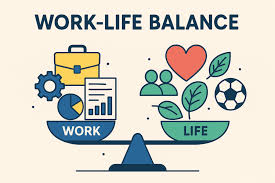
Work-life balance means finding a good mix between your job and your personal life. It’s not about a perfect 50/50 split. It’s about having enough time and energy for both.
When you’re new, your job often demands more. You want to prove yourself. This can lead you to spend too much time working.
Your personal life then suffers.
This imbalance can make anxiety worse. You might feel guilty when you’re not working. You might feel resentful when work interrupts your free time.
It’s a tough cycle. Many beginners don’t even see it happening at first. They just feel a growing sense of pressure and stress.
The key is to recognize these early signs. Understanding why you feel this way is the first step. It helps you take control.
You can learn to manage your anxiety. You can also build better habits for your work and your life from the start. This saves you a lot of trouble later on.
My First Big Project: A Recipe for Burnout
I remember my first major project right out of college. I was so thrilled to be given the lead. I wanted to impress everyone.
I thought working longer hours was the only way to show my dedication. My boss said, “Go for it!” and I took that as a license to forget everything else.
I was at my desk by 7 AM and often left after 8 PM. Weekends? What weekends?
I’d bring my laptop home. I’d eat dinner while scrolling through emails. My apartment felt less like a home and more like an extension of the office.
I started canceling plans with friends. My partner would call, and I’d say, “Can’t talk, I’m swamped.” The excuse felt true, but it was a choice I was making.
One Tuesday evening, I was staring at my screen. My eyes felt like sandpaper. I had a headache.
I realized I hadn’t spoken to another human being, really spoken, in days. It was just me, my thoughts, and the blinking cursor. A wave of panic hit me.
I felt so alone. I was running on fumes. This project, which I was so excited about, was making me miserable.
I felt a deep dread for the next day. That was the moment I knew something had to change, even though I didn’t know what.
Common Beginner Mindsets That Fuel Anxiety
The “All or Nothing” Trap: Believing you must be perfect or you’re a failure. This leads to constant worry.
Fear of Saying “No”: Agreeing to everything because you don’t want to disappoint others. This overloads your plate.
Comparing Yourself Constantly: Looking at others who seem to have it all figured out. This fuels self-doubt.
Ignoring Early Signs: Brushing off stress, fatigue, or irritation as “part of the job.”
Mistake 1: Not Setting Clear Boundaries
This is a huge one for beginners. You’re so eager to make a good impression. You feel like you can’t say no.
You take on every task. You answer emails at all hours. You check messages on vacation.
This is a fast track to burnout. Boundaries are not walls to keep people out. They are guidelines for how you want to be treated and how you want to manage your time and energy.
Think about your work hours. When does your workday actually start and end? Most people have a general idea.
But are you sticking to it? If your job says 9 to 5, but you’re working 8 AM to 7 PM, that’s a problem. This extra time isn’t always productive.
Often, it’s just you feeling like you should be working.
Saying “no” is hard. But it’s essential. You can say it politely.
“I can’t take that on right now because I’m focused on X.” Or, “I can do that, but it will mean delaying Y. Is that okay?” This shows you are organized and realistic. It helps others understand your capacity.
It protects your own well-being.
Your personal time is just as important as your work time. Protect it. Turn off work notifications.
Don’t check emails before bed. This allows your brain to rest and recharge. Without these boundaries, anxiety can grow.
Your stress levels will stay high.
Quick-Scan Table: Setting Healthy Work Boundaries
| Area | Beginner Pitfall | Healthy Approach |
|---|---|---|
| Work Hours | Working excessively late daily | Define start/end times. Stick to them. |
| Communication | Answering emails/messages 24/7 | Set notification hours. Respond during work. |
| Task Management | Saying “yes” to every request | Prioritize. Say “no” or “later” when needed. |
| Personal Time | Letting work intrude on weekends/evenings | Schedule personal activities. Disconnect fully. |
Mistake 2: Ignoring Physical and Mental Health Signals
When you’re building a career, it’s easy to push your health to the back burner. You might skip meals. You might sleep less.
You might stop exercising. You might ignore feelings of being constantly on edge or sad. Your body and mind are sending you signals.
They are trying to tell you something is wrong.
Think about it. If your car’s “check engine” light came on, you wouldn’t ignore it for weeks, right? You’d at least get it checked.
Your health is the same, but often more ignored. Small aches, persistent fatigue, trouble sleeping, irritability, or a constant knot in your stomach are all red flags.
Anxiety often shows up physically. You might get headaches. Your shoulders might tense up.
You might have digestive issues. These are not minor inconveniences. They are your body reacting to stress.
If you don’t address them, they can become bigger problems.
Mental health is equally important. Feeling a constant sense of dread or worry is not normal, even if it feels like it is. Ignoring these feelings can lead to more serious issues like depression or chronic anxiety disorders.
It’s vital to listen to your inner voice. What is it telling you?
Making time for health is not selfish. It’s necessary. It helps you perform better.
It helps you think clearer. It helps you stay motivated. Small steps matter.
A short walk during lunch. Eating a balanced meal. Getting seven to eight hours of sleep.
These are investments in your long-term success and happiness.
Signs Your Body Is Trying to Tell You Something
Constant Fatigue: Feeling tired even after sleeping. This can be a sign of stress or exhaustion.
Headaches and Muscle Tension: Your body holds onto stress. This shows up as physical pain.
Changes in Appetite or Sleep: Eating too much or too little. Sleeping too much or too little.
Irritability or Mood Swings: Feeling easily annoyed or experiencing rapid shifts in mood.
Digestive Issues: Upset stomach, nausea, or changes in bowel habits.
Mistake 3: Trying to Be Perfect All the Time
The pursuit of perfection is a major driver of anxiety for many. When you’re new, you often feel you need to be flawless. You fear making any mistake.
This can make you overthink every action. It can cause you to spend too much time on tasks. You might redo work unnecessarily.
This “perfectionism trap” is exhausting. It’s also counterproductive. No one is perfect.
Mistakes are part of learning. They are opportunities to grow. If you’re so afraid of messing up, you won’t take risks.
You won’t try new things. You’ll stay stuck in your comfort zone.
Think about the most successful people you know. Do you think they never failed? Absolutely not.
They failed, learned, and tried again. Their success comes from resilience, not from never stumbling. For beginners, aiming for “good enough” is often much better than aiming for impossible perfection.
How can you combat this? Start by accepting that mistakes will happen. When they do, focus on learning from them.
Ask yourself, “What can I do differently next time?” instead of beating yourself up. Also, set realistic goals. Break down big tasks into smaller, manageable steps.
Celebrate small wins along the way.
Sometimes, perfectionism is linked to how we define success. If your only definition is flawless execution, you’ll always feel anxious. Broaden your definition.
Include effort, learning, and growth. This shift in perspective can be incredibly freeing.
Shifting from Perfectionism to Progress
Acceptance: Understand that errors are a natural part of learning and growth. Not every task needs to be flawless.
Focus on Learning: View mistakes as lessons. What can be gained from this? How can I improve?
Set Realistic Goals: Break down tasks into smaller, achievable steps. This makes progress visible and less daunting.
Celebrate Small Wins: Acknowledge and appreciate your efforts and successes, no matter how small. This builds momentum.
Mistake 4: Poor Time Management and Prioritization
When you have a lot to do, it’s easy to feel like you’re drowning. This is where good time management comes in. Many beginners struggle because they don’t know how to tell what’s important.
They end up working on the wrong things. Or they spread themselves too thin across too many tasks.
Prioritization is key. What needs to be done first? What can wait?
What is urgent? What is important but not urgent? Learning to ask these questions helps you focus your energy.
A common tool for this is the Eisenhower Matrix, which sorts tasks by urgency and importance.
Many beginners fall into the trap of the “urgent/important” quadrant. They only focus on things that have immediate deadlines. They forget about important tasks that don’t have a deadline but are crucial for long-term success.
These might include learning new skills, networking, or strategic planning.
Another issue is underestimating how long tasks will take. This leads to rushing and poor quality. It’s better to estimate a bit longer and finish early than to constantly be behind schedule.
This also reduces the anxiety that comes from feeling rushed.
Using tools can help. Calendars, to-do lists, and project management apps are great. But the tool itself isn’t magic.
You need to use them consistently. Schedule your tasks. Block out time for focused work.
Learn to say “no” to things that don’t align with your priorities. This prevents your schedule from getting overloaded.
Time Management Tips for Beginners
Use a Calendar: Block out time for meetings, focused work, and breaks.
Create To-Do Lists: Write down tasks. Prioritize them daily.
Learn to Delegate: If possible, ask for help or assign tasks to others.
Time Blocking: Dedicate specific blocks of time to certain activities.
Avoid Multitasking: Focus on one task at a time for better results.
Mistake 5: Neglecting Your Support System
When work gets busy, the first things people often cut back on are social activities. This is a major mistake. Your friends, family, and even colleagues are your support system.
They offer perspective, comfort, and sometimes just a needed distraction. Isolating yourself can make anxiety worse.
Think about how you feel after a good chat with a friend. You often feel lighter, less stressed. Sharing your worries with someone you trust can help you see them more clearly.
They might offer advice or simply listen. Both are incredibly valuable.
Don’t wait until you’re completely overwhelmed to reach out. Make regular time for the people you care about. Schedule coffee dates.
Make phone calls. Even a quick text message can maintain a connection. These small efforts add up.
They build a strong network that can support you through tough times.
It’s also important to build positive relationships at work. Colleagues can offer practical help, advice, and a sense of camaraderie. Getting along with your team makes the workplace a more pleasant and less stressful environment.
It can also lead to better collaboration and problem-solving.
If you find yourself consistently feeling alone or isolated, that’s a sign to reach out. Don’t let the pressures of a new role cause you to disconnect from the people who matter most. They are your lifeline.
Building Your Support Network
Friends & Family: Schedule regular catch-ups. Share your experiences, both good and bad.
Colleagues: Build positive relationships. Offer help when you can.
Mentors: Seek out experienced individuals who can offer guidance and advice.
Professional Help: Don’t hesitate to consider therapists or counselors if anxiety becomes overwhelming.
Mistake 6: Setting Unrealistic Expectations for Yourself
When you start something new, it’s exciting. You have big dreams. You want to achieve great things quickly.
This is good, but it can also set you up for disappointment. Beginners often expect to master new skills instantly. They expect to be promoted rapidly.
They expect to always feel confident.
The reality is that learning takes time. Growth is a process. There will be ups and downs.
You will make mistakes. You will have days where you feel like you’re not making progress. This is normal.
It doesn’t mean you’re failing. It means you’re learning and evolving.
A key part of managing anxiety is having realistic expectations. Understand that you are a beginner. It’s okay not to know everything.
It’s okay to ask for help. It’s okay to take time to learn. Focus on progress, not just perfection or speed.
Think about learning to ride a bike. You didn’t just hop on and ride perfectly. You wobbled.
You might have fallen. But you kept trying. Eventually, you learned.
Your career is similar. Each challenge is a chance to learn and get better.
Celebrate the small victories. Did you understand a complex concept? Did you complete a challenging task?
Acknowledge these achievements. They build confidence. They show you that you are making progress, even if it doesn’t feel like it sometimes.
Setting achievable goals keeps you motivated without overwhelming you.
Realistic Expectations Framework
Time for Mastery: Acknowledge that skills take time to develop. Months, not days.
Learning Curve: Understand that initial challenges and mistakes are part of the process.
Progress Over Perfection: Focus on consistent improvement rather than flawless execution.
Setbacks are Normal: Expect and plan for occasional difficulties or plateaus.
Ask for Help: Recognize that seeking assistance is a sign of strength, not weakness.
How to Build a Healthier Work-Life Balance from the Start
Now that we’ve looked at common mistakes, let’s talk about building a better approach. It starts with intentional choices. You don’t have to wait for things to go wrong.
You can build good habits from day one.
1. Define Your “Why”: Why are you doing this job or project? What are your long-term goals?
Knowing your purpose can help you stay motivated and make better decisions about how you spend your time. When you have a clear “why,” it’s easier to say “no” to things that don’t serve your bigger picture.
2. Schedule “Me Time”: Just like you schedule meetings, schedule time for yourself. This could be for hobbies, exercise, relaxation, or spending time with loved ones.
Put it in your calendar. Treat it as an important appointment you cannot miss.
3. Learn to Say “No” Gracefully: Practice polite ways to decline requests that overload you. “I appreciate you thinking of me, but I can’t commit to that right now.” Or, “I’m already at capacity with my current projects.” This skill takes practice but is crucial.
4. Take Regular Breaks: Step away from your desk. Go for a short walk.
Stretch. Do something that isn’t work-related for a few minutes. Even short breaks can refresh your mind and improve your focus when you return.
5. Communicate Your Needs: Talk to your manager or team about your workload if it feels unsustainable. Honest communication can lead to solutions you might not have thought of.
They might be able to help reassign tasks or adjust deadlines.
6. Create a Dedicated Workspace: If possible, have a space where you only do work. When you leave that space, you leave work behind.
This physical separation helps your mind switch off more easily.
Your Work-Life Balance Toolkit
Calendar: For scheduling everything – work, personal time, breaks.
To-Do Lists: To organize tasks and prioritize effectively.
Breathing Exercises: Quick techniques to calm anxiety when needed.
Notification Controls: Turn off non-essential alerts on your phone and computer.
Journal: To process thoughts and feelings, and track progress.
When Anxiety and Work-Life Balance Issues Become Serious
Most beginners experience some level of anxiety and work-life balance challenges. It’s part of the learning curve. However, there are times when these issues go beyond normal stress.
They can start to seriously impact your daily life and well-being.
Signs you need to seek professional help:
When anxiety is constant and overwhelming. When it interferes with your ability to function at work or in your personal life. When you experience panic attacks.
When you have persistent feelings of hopelessness or sadness.
If you’re using unhealthy coping mechanisms like excessive drinking or drug use. If you’re having thoughts of harming yourself.
What does this mean for you?
It means that what you’re experiencing is more than just a rough patch. It might be a sign of an anxiety disorder or depression. These are treatable conditions.
Seeking help is a sign of strength.
Where to find help:
Your primary care doctor is a good first step. They can rule out physical causes for your symptoms and refer you to specialists. Mental health professionals like therapists, counselors, and psychologists can provide support and treatment.
Many companies offer Employee Assistance Programs (EAPs) that provide free, confidential counseling services.
Don’t wait until you hit rock bottom. If you’re struggling, reach out. There are people who want to help you find your balance and manage your anxiety.
It’s important to remember that you don’t have to go through this alone.
When to Consider Professional Help
Constant Worry: If anxiety is present most of the time.
Interference with Daily Life: If it impacts your job performance, relationships, or self-care.
Panic Attacks: Sudden episodes of intense fear with physical symptoms.
Persistent Sadness: Feelings of hopelessness or low mood that don’t improve.
Unhealthy Coping: Relying on substances or destructive behaviors.
Frequently Asked Questions
Is it normal to feel anxious when starting a new job?
Yes, it is very normal to feel anxious when starting a new job. You are in an unfamiliar environment, meeting new people, and learning new tasks. This can be exciting but also stressful.
It’s your body’s way of responding to change and wanting to perform well.
How can I avoid burnout in my first year at a job?
To avoid burnout, set clear work-life boundaries. Prioritize your tasks and learn to say no. Take regular breaks and vacations.
Maintain a healthy lifestyle with good sleep, diet, and exercise. Don’t neglect your social support system. Seek help if you feel overwhelmed.
What is the biggest mistake beginners make with work-life balance?
The biggest mistake beginners make is often not setting clear boundaries. They tend to work excessively long hours, respond to emails at all times, and let work bleed into their personal lives. This is usually driven by a desire to impress or a fear of not doing enough, leading to exhaustion.
How can I manage anxiety without letting it affect my performance?
Managing anxiety involves several strategies. Practice mindfulness and deep breathing exercises. Ensure you get enough sleep and exercise.
Break down large tasks into smaller ones. Focus on what you can control. If anxiety is severe, consider seeking professional help from a therapist or counselor.
When should I consider talking to a manager about my workload?
You should consider talking to your manager if your workload consistently feels unmanageable, is causing excessive stress or anxiety, or is negatively impacting the quality of your work. It’s best to approach them with specific examples and possible solutions, rather than just complaints.
Is it okay to not be perfect when I’m new at something?
Absolutely. It is more than okay; it is essential. Nobody expects you to be perfect when you are new.
Mistakes are a natural and valuable part of the learning process. Focus on learning, improving, and doing your best, rather than striving for an unattainable perfection.
Wrapping Up Your New Beginning
Starting out in a new role or endeavor is a journey. It’s filled with learning, growth, and yes, some anxiety. Recognizing common beginner mistakes around anxiety and work-life balance is the first step toward managing them.
By setting boundaries, listening to your body, and seeking support, you can build a sustainable and fulfilling path forward. Remember, balance isn’t about perfection; it’s about finding a rhythm that works for you.