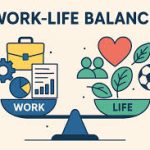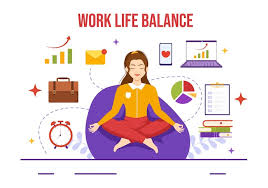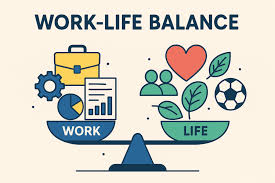
This article explores the connection between extended work hours, increased anxiety, and the challenges of maintaining a healthy work-life balance. It offers insights into understanding the impact and suggests practical steps toward achieving a more sustainable lifestyle.
Understanding the Link Between Long Hours and Anxiety
Working too much can make you feel anxious. Your mind might race. You could feel on edge a lot.
This happens for a few reasons. Your body is always in “go” mode. It doesn’t get time to relax.
Stress hormones stay high. This can make you feel jumpy.
Your brain needs breaks. It needs time to process things. When you work all the time, it doesn’t get them.
This can lead to feeling overloaded. It’s like trying to run a computer all day without closing any programs. Eventually, it slows down and might even crash.
Think about it. When you’re always thinking about work, what else are you missing? Your friendships?
Your hobbies? Your family? This lack of other fulfilling activities adds to the pressure.
You might start to feel like work is your whole life. That’s a scary thought.
Some people feel guilty if they aren’t working. They think if they stop, they’ll fall behind. This fear drives them to keep going.
But it’s a cycle. The more you work, the more anxious you get. The more anxious you get, the harder it is to stop working.
Physical Signs of Work-Related Anxiety
It’s not just in your head. Your body shows these signs too. You might have trouble sleeping.
Your stomach could feel upset. Headaches can become common. Your muscles might feel tight.
Sometimes people even get dizzy spells.
These are your body’s signals. They are telling you something is wrong. They are asking for a break.
Ignoring them only makes things worse. It’s like a warning light on your car dashboard. You wouldn’t ignore that, would you?
When you’re tired, you’re also more likely to get sick. Your immune system gets weaker. So, you might catch colds more often.
This just adds more stress. It makes it even harder to catch up on work. It’s a vicious cycle.
Mental and Emotional Toll
Beyond physical signs, your mood suffers. You might feel irritable. Small things can set you off.
You might feel sad or down a lot. Focusing on tasks can become harder. Your memory might not feel as sharp.
A sense of dread can build up. You might dread Monday mornings. You might dread checking your email.
This feeling of dread is a big sign of burnout. It means you’re running on empty.
You might start to lose interest in things you used to love. Your hobbies feel like too much effort. Spending time with loved ones feels draining.
This is a sign that your energy is depleted. Work has taken over your emotional space.
The Erosion of Work-Life Balance
Work-life balance is not about a perfect 50/50 split. It’s about feeling in control. It’s about having time for work and time for life.
When work takes over, this balance is lost. Your personal life shrinks.
This isn’t a sudden event. It happens slowly. First, you stay a little late.
Then, you check emails on weekends. Soon, you’re thinking about work during dinner. Your phone becomes an extension of your office.
This constant connection blurs the lines. There’s no clear start or end to your workday. This makes it hard to switch off.
Your brain is always “on call.” It never gets a real rest.
When your work life grows, other parts of your life shrink. You have less time for friends. You have less time for family.
You have less time for yourself. This isolation can increase feelings of loneliness.
Imagine your life as a pie. Work is one slice. But if that slice gets too big, it squeezes out all the other slices.
Eventually, there’s no room left for anything else. This imbalance is not sustainable.
Loss of Personal Time
Think about what you give up. It’s often the small joys. A quiet cup of coffee in the morning.
A walk in the park. Reading a book. These things recharge you.
They make you feel human.
When work demands too much, these moments disappear. Your evenings are spent working. Your weekends are for catching up on work tasks.
You start to feel like you’re just surviving, not living.
This loss of personal time is not just about relaxation. It’s about personal growth. It’s about learning new things.
It’s about nurturing relationships. These are vital for a happy life.
Impact on Relationships
Your loved ones notice. When you’re always tired or stressed, it affects them. They might feel neglected.
They might feel like they don’t have your full attention.
Arguments can increase. You might snap at your partner. You might miss important family events.
Children can feel the absence of their parents. Friends might stop calling because you’re always busy.
Strong relationships are a key part of well-being. When work erodes them, it creates a deeper void. This void can contribute to more anxiety.
It makes you feel more alone. It’s a heavy price to pay.
Work Hours vs. Well-being: A Quick Look
Long Work Hours Can Lead To:
- Increased anxiety
- Feeling stressed often
- Sleep problems
- Less time for family
- Feeling isolated
- Burnout
The Psychological Cycle of Overworking
Why do people keep working long hours? It’s often a cycle. It starts with ambition.
You want to do well. You want to impress. This is normal and healthy.
But then, it can shift. You might start to base your self-worth on your work. Your job becomes your identity.
If you have a bad day at work, you feel like a bad person. This is a dangerous place to be.
Then comes the fear. Fear of failure. Fear of not being good enough.
Fear of letting others down. This fear can push you to work harder. It feels like the only way to be safe.
This fear often leads to perfectionism. You want everything to be flawless. This makes tasks take longer.
It’s a self-fulfilling prophecy. You work longer because you’re trying to be perfect.
As you work more, you become more tired. Tiredness leads to mistakes. Mistakes lead to more stress.
More stress leads to more anxiety. And the cycle continues.
The “Busyness” Trap
Many people mistake being busy for being productive. They fill their day with tasks. They might even boast about how busy they are.
This is a trap. Busyness doesn’t always mean you’re getting important things done.
Sometimes, we stay busy to avoid thinking. To avoid feeling the stress. To avoid facing the imbalance in our lives.
Filling your calendar can feel like control. But it’s often an illusion.
It’s important to distinguish between meaningful work and frantic activity. Are you working on things that matter? Or are you just moving from one task to the next?
The Role of Workplace Culture
Sometimes, the problem isn’t just you. The culture of your workplace plays a big role. Some companies expect long hours.
They might praise employees who stay late. This creates pressure.
If everyone else is working late, you might feel you have to too. You don’t want to seem like you’re not committed. This can be very hard to resist.
Leaders set the tone. If leaders are always working long hours and looking stressed, their teams will too. It’s hard for employees to feel okay about leaving on time if their boss never does.
A healthy workplace culture values rest. It encourages efficiency, not just hours logged. It supports well-being.
It’s a place where people can thrive, not just survive.
Signs Your Work-Life Balance is Off
Ask Yourself:
- Do I dread Mondays?
- Do I often feel too tired to enjoy my evenings?
- Do I frequently check work emails outside of work hours?
- Do I often cancel plans with friends or family due to work?
- Do I feel guilty when I’m not working?
- Do I feel constantly on edge?
Real-Life Stories: When Work Took Over
I remember talking to Sarah. She was a talented graphic designer. She loved her job.
But her firm had a demanding culture. Everyone worked 10-12 hour days. Weekends were often for “catching up.” Sarah started feeling it.
She told me she’d lie awake at night. Her mind would race about client projects. She started getting panic attacks before important meetings.
Her favorite hobby, painting, gathered dust. She said, “I used to love creating. Now, I just feel drained.” Her eyes were always tired.
She looked older than her years.
One day, she missed her best friend’s birthday party. She had promised to be there. But a “last-minute” urgent project came up.
She felt a crushing wave of guilt. That was a turning point for her. She realized the cost was too high.
She decided to make a change. It wasn’t easy. She started setting firm boundaries.
She would leave at 5:30 PM, no matter what. She turned off work notifications on her phone. She started reconnecting with friends.
Slowly, she began to feel like herself again.
Then there’s Mark. He’s a software engineer. He loves solving complex problems.
He worked on a project with a tight deadline. He was working 14-hour days for weeks. He barely slept.
He ate fast food at his desk. His world shrunk to his computer screen.
One evening, he looked in the mirror. He didn’t recognize the person staring back. His face was pale.
His eyes were sunken. He felt a deep emptiness. All the work he was doing didn’t feel worth the cost to his health.
He felt a profound loneliness, even though he was surrounded by colleagues.
He realized that constant work wasn’t a badge of honor. It was a sign of a broken system. He started looking for companies with better policies.
He also learned to say “no” to extra tasks when he was already overloaded. It took courage to change, but he said it was the best decision he ever made for his peace of mind.
Common Anxiety Triggers in the Workplace
These can worsen with long hours:
- Tight deadlines
- Fear of making mistakes
- Lack of control over tasks
- Unclear expectations
- Workplace conflict
- Constant interruptions
The Long-Term Health Implications
Working too much isn’t just tiring. It can have serious long-term effects on your health. Your body and mind are not designed for constant stress.
Over time, this takes a heavy toll.
Chronic stress, often a result of long hours, is linked to many health problems. This includes heart disease. Your blood pressure can rise.
You might have a higher risk of heart attacks or strokes.
Your immune system suffers too. As mentioned before, you get sick more often. This can lead to chronic fatigue.
You might feel drained even after sleeping.
Mental health issues can become severe. Long-term anxiety can turn into depression. Burnout can be debilitating.
It can make it very hard to return to work, or even enjoy life.
Digestive problems are also common. The stress affects your gut. This can lead to issues like Irritable Bowel Syndrome (IBS).
Even your diet suffers when you’re always working. You might rely on quick, unhealthy foods.
Burnout: More Than Just Tiredness
Burnout is a serious consequence of prolonged overwork. It’s not just feeling tired. It’s a state of emotional, physical, and mental exhaustion.
It happens when you’ve been under stress for too long.
Symptoms include feeling detached from your work. You might feel cynical. Your motivation disappears.
You might feel like you’re not accomplishing anything, even if you are.
Recovering from burnout takes time. It requires significant changes. You need to rest.
You need to re-evaluate your priorities. You need to rebuild your energy reserves.
It’s a warning sign from your body and mind. It’s telling you that your current path is not sustainable. Ignoring burnout can lead to more serious health problems.
The Risk of Accidents
When you’re exhausted, your thinking is impaired. Your judgment is clouded. Your reaction times are slower.
This significantly increases the risk of accidents.
This is especially true for jobs that require focus or operating machinery. But even in an office, fatigue can lead to mistakes. You might trip and fall.
You might get into a car accident on the way home.
These risks are often overlooked. People focus on the “work done.” They don’t always consider the human cost of extreme fatigue. Safety should always come first.
Can Overwork Affect My Sleep?
Yes, absolutely. Here’s how:
- Racing Thoughts: Your mind can’t shut off.
- Stress Hormones: Cortisol keeps you alert when you should be resting.
- Irregular Schedules: Working late disrupts your body’s natural sleep-wake cycle.
- Anxiety About Work: Worrying about tasks can prevent you from falling asleep.
Strategies for Reclaiming Your Time and Well-being
So, what can you do? The good news is, you can make changes. It starts with recognizing the problem.
Then, you need a plan.
The first step is to set clear boundaries. Decide when your workday ends. Stick to it.
Communicate these boundaries to your colleagues and boss. It might feel scary at first.
Learn to say “no.” You can’t do everything. It’s okay to decline tasks. Especially if you are already swamped.
Focus on what is most important.
Prioritize your tasks. Use tools like to-do lists. But be realistic.
Don’t overload your list. Group similar tasks together. This helps you get into a flow.
Take regular breaks. Even short breaks can help. Step away from your desk.
Stretch. Look out the window. Give your brain a chance to reset.
Schedule your personal time. Treat it like an important appointment. Block out time for family, friends, hobbies, or just rest.
Protect this time fiercely.
Time Management Techniques That Actually Work
There are many ways to manage your time better. The key is finding what works for you. Don’t try to do everything at once.
The Pomodoro Technique: Work in focused bursts. Typically 25 minutes. Then take a 5-minute break.
After four “pomodoros,” take a longer break. This helps maintain focus and prevents burnout.
Time Blocking: Schedule specific blocks of time for specific tasks. This includes work tasks, meetings, email, and even breaks. It gives structure to your day.
Eisenhower Matrix: This helps you decide what to do. It categorizes tasks based on urgency and importance. This helps you focus on what truly matters.
Batching Similar Tasks: Instead of switching between different types of work, do similar tasks together. For example, answer all your emails at one time. Make all your phone calls together.
These methods are not about working harder. They are about working smarter. They help you get more done in less time.
This frees up your personal hours.
Communicating Your Needs at Work
Talking to your employer is crucial. If long hours are a company norm, you need to voice your concerns. Do it professionally and constructively.
Prepare what you want to say. Focus on the benefits to the company, not just yourself. For example, better work-life balance can lead to increased productivity and reduced burnout.
Suggest solutions. Perhaps more efficient processes. Or better tools.
Or clearer project scopes. Show that you are thinking about the business.
If your workplace culture is resistant, you might need to consider other options. This could mean finding a job in a company that values employee well-being. Your health is worth it.
Quick Wins for Better Balance
Start small:
- Leave work at a consistent time for one week.
- Take a full hour for lunch, away from your desk.
- Turn off work notifications after 7 PM.
- Schedule one fun activity each weekend.
- Delegate one task if possible.
What This Means for You: When to Worry
It’s normal to have busy periods at work. Sometimes deadlines are tight. Sometimes projects require extra effort.
This is part of professional life.
But when does it become a problem? You should worry if the long hours are constant. If they are impacting your health.
If they are damaging your relationships. If you feel dread about going to work.
When your anxiety levels are constantly high, that’s a sign. When you can’t switch off your work thoughts. When sleep is difficult because of work stress.
If you feel completely exhausted all the time. If you’ve lost interest in things you used to enjoy. This is a strong indicator of burnout.
It’s time to take serious action.
Pay attention to your body. It will tell you when something is wrong. Don’t ignore the signals.
They are there to protect you.
Simple Checks You Can Do
Start by tracking your hours. Be honest. How many hours are you actually working each week?
Are there patterns? Are some days much longer than others?
Assess your stress levels. On a scale of 1 to 10, where are you most days? If it’s consistently above 6 or 7, that’s a red flag.
Check in with your loved ones. Ask them how they feel about your work schedule. Their perspective can be very revealing.
Are they feeling neglected?
Reflect on your mood. Are you more irritable? Are you feeling down?
Are you finding joy in your life outside of work?
These simple checks can provide valuable insight. They help you see the reality of your situation. This awareness is the first step to making changes.
Finding Support for Work-Life Balance Challenges
You don’t have to go through this alone. There are resources available. Talking to someone can make a big difference.
Talk to your doctor. They can help assess your physical and mental health. They can offer advice and support. They can rule out other health issues.
Consider a therapist or counselor. A mental health professional can help you develop coping strategies. They can help you understand the root causes of your stress and anxiety. They can guide you in setting boundaries.
Speak with trusted friends or family. Sometimes, just talking it out can be a relief. They can offer emotional support and a different perspective.
Look for workplace resources. Many companies offer Employee Assistance Programs (EAPs). These often include free counseling services. They are there to help you with personal and work-related issues.
Join support groups. There are groups for people dealing with stress, anxiety, or burnout. Sharing experiences with others who understand can be very empowering.
Remember, seeking help is a sign of strength. It shows you are committed to your well-being.
Frequently Asked Questions
Is it normal to feel anxious about work?
It’s normal to feel some anxiety about work tasks, deadlines, or performance. However, constant, overwhelming anxiety that interferes with your daily life is not normal. If work anxiety is persistent, it’s a sign that the workload or the work environment might be unsustainable.
How can I stop feeling guilty when I’m not working?
This guilt often comes from linking self-worth to productivity. Start by acknowledging that rest is productive. It’s necessary for creativity and long-term success.
Schedule enjoyable activities and practice mindfulness. Remind yourself that your value isn’t tied to your output.
What are the first signs of burnout?
Early signs of burnout include feeling tired more often than usual, feeling less motivated, and becoming more cynical about your job. You might also notice a decline in performance and increased irritability. It’s more than just being tired; it’s a deep exhaustion.
How can I set boundaries without seeming uncooperative?
Be clear, polite, and professional. State your availability and your limits. Focus on your commitment to doing a good job within reasonable hours.
For example, “I can complete this by Friday, but I won’t be able to start until tomorrow morning.”
Is a 40-hour work week still realistic?
For many jobs, a 40-hour work week is still a standard and achievable goal. However, some industries or roles may naturally require more. The key is balance and sustainability.
If a 40-hour week consistently feels impossible, it might point to issues with workload or efficiency.
Can I improve my work-life balance if my boss doesn’t support it?
It’s challenging, but not impossible. You can focus on maximizing efficiency during work hours and setting firm, personal boundaries for your time outside work. If the situation remains unsustainable and negatively impacts your health, you may need to consider seeking employment elsewhere.
Conclusion
Long working hours can quietly steal your peace. They can fuel anxiety and shatter your balance. It’s a tough battle.
But reclaiming your time is possible. It starts with awareness. Then, taking small, consistent steps.
Your well-being is your most valuable asset.