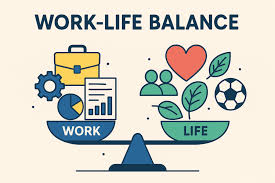
Understanding key terms like anxiety, burnout, and work-life balance is vital. These concepts help us grasp how our jobs affect our minds and lives. Knowing them allows us to spot issues early.
It also guides us toward finding peace and control over our daily routines.
The Core of the Matter: Understanding Key Terms
Let’s break down some important words. These words help us talk about feeling stressed. They also help us talk about finding a good mix between work and home.
What is Anxiety?
Anxiety is a feeling of worry. It can also feel like nervousness or unease. You might feel this when you face something difficult.
It’s a normal feeling sometimes. But when it happens a lot, it can be tough.
Sometimes, anxiety makes your heart beat fast. You might feel restless. Your mind might race with bad thoughts.
These feelings can make daily tasks hard to do. It’s your body’s way of saying something is wrong.
What is Work-Life Balance?
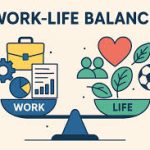
Work-life balance is about finding harmony. It’s about splitting your time. You want time for your job.
You also want time for your life outside work. This includes family, friends, and hobbies.
A good balance means you don’t feel drained. You have energy for all parts of your life. It’s not about perfect equal splits.
It’s about feeling good about how you spend your days. It’s about feeling in control.
What is Burnout?
Burnout is a state of being worn out. It happens when you have too much stress for too long. You might feel tired all the time.
You may lose interest in things you once loved. Work might feel like a heavy burden.
Burnout often comes from work. But it can happen in other areas too. It’s like running a marathon without stopping.
Eventually, your body and mind just can’t keep going. It’s a serious feeling of exhaustion.
What is Stress?
Stress is how your mind and body react. It’s a response to demand or a threat. Small amounts of stress can be helpful.
It can push you to do your best. But too much stress is harmful.
Long-term stress can harm your health. It can make you feel tired and sick. It can also make you feel angry or sad.
We need to manage stress to stay well.
My Own Struggle with the Balance
I remember a time when my job felt like it was everything. I was working late most nights. Weekends were spent catching up on emails.
I was proud of how hard I worked. But I started feeling… off. It wasn’t a sudden thing.
One evening, I was staring at my computer screen. The words just blurred together. I felt a tightness in my chest.
My shoulders were so tight they ached. I realized I hadn’t really talked to my partner all day. Not about anything real, anyway.
Just work tasks. That’s when it hit me. I was losing myself.
The joy I used to get from my work was gone. Replaced by a dull ache and constant worry.
I was always connected. My phone buzzed with alerts. I felt like I had to answer them right away.
Sleep was hard to find. My mind would race with to-do lists. I’d wake up feeling just as tired as when I went to bed.
It felt like I was running on empty. I knew I needed to change something. The idea of balance seemed impossible then.
Like a far-off dream.
It wasn’t just the amount of work. It was the feeling of being unable to switch off. The pressure to always be “on.” I felt guilty if I took a break.
This is where understanding these terms became so important for me. It gave me a way to name what was happening. And that was the first step toward fixing it.
Understanding Your Stress Triggers
What to Look For:
- Workload: Too many tasks, tight deadlines.
- Lack of Control: Not making decisions about your work.
- Poor Relationships: Conflict with colleagues or bosses.
- Lack of Recognition: Feeling your work is not valued.
- Unclear Expectations: Not knowing what is expected of you.
How to Spot Them: Pay attention to your feelings during the day. Do certain tasks or times make you feel worse? Keep a simple log for a week.
The Many Faces of Work-Life Imbalance
When the balance tips too far, things start to show. It affects you in many ways. It’s not just about being tired.
It seeps into your health and your happiness.
Impact on Mental Health
A major effect is on your mind. Constant worry can grow into anxiety. You might feel on edge all the time.
Little things can set you off. You might lose focus easily. Your memory might not be as sharp.
Depression can also be a risk. Feeling overwhelmed for too long can make you feel hopeless. You might stop caring about things.
This is a serious sign that things need to change.
Impact on Physical Health
Your body feels stress too. You might get frequent headaches. Your stomach might hurt often.
Sleep problems are very common. You might have trouble falling asleep or staying asleep.
Over time, this can lead to bigger health issues. Heart problems can be a risk. Your immune system can get weaker.
This means you get sick more often. It’s your body’s way of crying for help.
Impact on Relationships
When work takes over, home life suffers. You might be irritable with loved ones. You might not have the energy to engage.
This can cause fights and distance. It can make you feel lonely even when you are with people.
Your family might feel neglected. Your friends might stop calling. It’s hard to maintain strong bonds when you’re always drained.
The connections that matter most can fade.
Daily Habits That Help
Morning Rituals:
- Gentle Start: Avoid checking work email first thing.
- Hydration: Drink a glass of water.
- Movement: Stretch or do a short walk.
Throughout the Day:
- Micro-Breaks: Step away from your desk for 5 minutes.
- Mindful Moments: Focus on your breathing.
- Healthy Snacks: Keep your energy steady.
Evening Wind-Down:
- Disconnect: Set a time to stop work-related tasks.
- Relaxing Activity: Read, listen to music, or take a bath.
- Screen-Free Time: Avoid bright screens before bed.
Real Life Scenarios
Let’s look at how these terms show up in real life. It’s not always about big, dramatic events. Often, it’s in the small, daily moments.
The “Always On” Culture
Many workplaces now expect you to be available. This means answering emails late at night. Or taking calls on weekends.
This blurs the line between work and home. It makes true work-life balance hard to achieve.
In my past job, my boss would send emails at 10 PM. He expected a reply within an hour. It felt like I could never truly switch off.
My personal time felt invaded. This constant demand fuels anxiety. It signals that your home life is less important.
The “Hustle Culture” Myth
There’s a popular idea that you must always be working hard. This is often called “hustle culture.” It praises being busy all the time. It suggests that success comes from constant effort.
This is a dangerous myth.
This idea can lead people to ignore their well-being. They push themselves to the brink. They might brag about how little sleep they get.
This is a fast track to burnout. It teaches us that rest is lazy. This is not true for long-term success.
The “Empty Nest, Empty Life” Feeling
Sometimes, imbalance happens when life changes. For example, parents whose children grow up and leave home. They might have spent years focused on their kids.
Now, their role has changed. If their life was mostly about their children, they might feel lost.
This can lead to feelings of emptiness. It might trigger anxiety about the future. It highlights how important it is to have interests outside of one main role.
A balanced life has many pillars.
Workplace Practices and Well-being
Positive Practices:
- Flexible work hours
- Remote work options
- Clear boundaries for communication
- Paid time off and sick leave
- Mental health support programs
Concerning Practices:
- Pressure to work overtime regularly
- Unrealistic deadlines
- Lack of communication about expectations
- Limited or no vacation time
- Discouraging mental health discussions
What Does This Mean for You?
Understanding these terms is not just about knowing definitions. It’s about recognizing them in your own life. It’s about knowing when it’s okay and when it’s a problem.
When is it Normal?
Feeling a bit stressed before a big deadline is normal. Feeling a little worried about a new project is also okay. Having days where work demands more of your time happens.
These are often temporary.
The key is whether you can recover. Do you get back to feeling normal after the event? Can you relax and enjoy your time off?
If the answer is yes, then it’s likely a normal part of life.
When Should You Worry?
You should worry if these feelings are constant. If anxiety is a daily guest. If you feel tired all the time and can’t recharge.
If work is making you sick. If your relationships are suffering greatly.
If you’ve lost interest in things you used to love. If you feel a sense of dread about work. If you feel trapped and unable to change things.
These are serious signs that you need to seek help or make big changes.
Simple Checks You Can Do
Check Your Energy: Do you feel drained by midday? Do you look forward to sleep? If you’re always tired, it’s a sign.
Check Your Mood: Are you often feeling down or irritable? Do small things upset you? Your mood is a good indicator of stress levels.
Check Your Time: How much time do you spend on work versus life? Does it feel like work is taking over? Look at your calendar.
See where your hours go.
Signs of Burnout Checklist
Emotional Exhaustion:
- Feeling drained, unable to cope.
- Feeling helpless, trapped, defeated.
- Detached, alone, and unable to stand it.
Depersonalization:
- Feeling negative or cynical about work.
- Irritable with colleagues, clients, or patients.
Reduced Personal Accomplishment:
- Feeling ineffective and unproductive.
- Lack of achievement and productivity.
Taking Steps Towards Better Balance
The good news is that you can improve your situation. It takes effort and awareness. But finding a better work-life balance is possible.
Set Clear Boundaries
This is crucial. Decide when your workday ends. Stick to it as much as you can.
Let people know your work hours. Avoid checking emails or taking calls outside those times.
If your job requires flexibility, plan for it. Have specific times for urgent tasks. Communicate these times to your team.
Boundaries protect your personal time. They help prevent burnout.
Prioritize Self-Care
Self-care is not selfish. It’s essential for your well-being. Make time for activities you enjoy.
This could be hobbies, exercise, or spending time in nature.
Ensure you get enough sleep. Eat healthy foods. Take breaks during the day.
These simple acts build resilience. They help you manage stress better. They reduce feelings of anxiety.
Learn to Say No
It’s okay to decline extra tasks. Especially if you are already overloaded. Saying “no” is a way of protecting your time and energy.
It allows you to focus on what’s most important.
Be polite but firm. You can say something like, “I appreciate the offer, but I don’t have the capacity right now.” This frees up mental space. It prevents you from taking on too much.
Seek Support
Talk to your manager about your workload. They might be able to help adjust tasks or deadlines. Talk to friends or family about how you’re feeling.
Support from loved ones is vital.
If you’re struggling with constant anxiety or feel like you’re heading toward burnout, consider professional help. A therapist or counselor can offer guidance and coping strategies.
Quick Tips for Mindful Moments
1. Five-Finger Breathing:
- Extend one hand. Trace your thumb with the index finger of your other hand.
- As you trace down your thumb, breathe out slowly.
- As you trace up your thumb, breathe in slowly.
- Repeat for each finger.
2. Sensory Awareness:
- Take 30 seconds to notice 5 things you can see.
- Then notice 4 things you can touch.
- Then 3 things you can hear.
- Then 2 things you can smell.
- Finally, 1 thing you can taste.
Frequently Asked Questions
What is the difference between stress and anxiety?
Stress is a reaction to a demand or threat. It’s usually temporary. Anxiety is a persistent feeling of worry or fear.
It can happen even without a clear cause. Stress is external; anxiety is an internal state. Sometimes, prolonged stress can lead to anxiety.
Can work-life balance prevent anxiety?
Yes, a good work-life balance can significantly help prevent anxiety. When you have time to rest and do things you enjoy, you build resilience. This makes you better able to handle work pressures.
It reduces the constant feeling of being overwhelmed, which is a common cause of anxiety.
How do I know if I am experiencing burnout?
Burnout often shows as extreme exhaustion. You might feel cynical about your job. You may also feel less effective at work.
It’s a feeling of being completely drained, emotionally and physically. It’s more than just being tired after a busy week.
Is it bad to check work emails on my phone?
It can be if it’s constant. If you feel you have to check emails all the time, it’s a sign of poor boundaries. This can increase anxiety and make achieving balance very hard.
Try to set specific times for checking, rather than doing it reactively.
How can I improve my work-life balance if my boss doesn’t understand?
Start by setting small boundaries. Communicate clearly about your availability. Focus on delivering your work well during your set hours.
If possible, present data on how well-rested employees are more productive. If the situation is truly unworkable, you might need to consider other opportunities.
What are some healthy ways to cope with work stress?
Healthy coping includes exercise, mindfulness, spending time with loved ones, pursuing hobbies, and getting enough sleep. It’s about engaging in activities that recharge you. Avoid unhealthy coping like excessive drinking or emotional eating.
These can worsen stress in the long run.
Final Thoughts on Balance and Well-being
Finding a true work-life balance is an ongoing journey. It requires constant awareness. It means checking in with yourself often.
Understanding terms like anxiety and burnout gives you tools. Tools to manage your life better. Your well-being matters most.