It can feel like you’re trying to juggle a dozen balls at once. Some days, you drop them all. You might be asking yourself, “Is this just me?” or “Why is this so hard?” Many people feel this way. This feeling often comes from the tangled threads of anxiety and work-life balance. It’s a common struggle. We’ll look at who feels this most. We will also explore why it happens. You’ll learn how to find a calmer path forward.
Anxiety and work-life balance challenges affect many individuals, especially those in demanding roles or experiencing significant life changes. It’s a feeling of being overwhelmed. This occurs when professional pressures clash with personal needs. Finding peace requires understanding the root causes and implementing practical strategies. It’s about creating a sustainable rhythm for your life.
What Anxiety and Work-Life Balance Really Mean
Anxiety is more than just feeling stressed. It’s a constant worry. It can make you feel on edge. Your mind races. Your body feels tense. This feeling can show up in many ways. You might have trouble sleeping. You might feel tired all the time. You might snap at people you care about.
Work-life balance is about how you spend your time. It’s about fitting in your job. It’s also about having time for yourself. This includes family, friends, and hobbies. It means having time to relax and recharge. When these two things are out of sync, trouble starts. Your job takes over. Your personal life suffers. This imbalance can make anxiety worse.
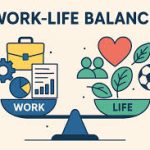
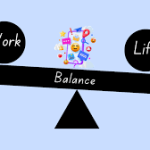
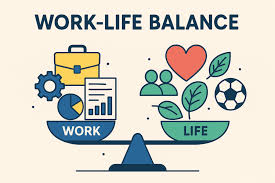
Think about it like a scale. On one side, you have work. On the other, you have life. If one side is much heavier, the scale tips. It feels unsteady. You might feel like you’re always leaning too far one way. This tipping makes it hard to feel secure. It fuels feelings of worry and unease.
My Own Tangle with Work and Worry
I remember a time I felt completely swamped. It was a few years back. I was working on a big project. Deadlines were looming. My phone buzzed constantly. Emails piled up. I started skipping lunches. I even started skipping my evening walks, which I loved. I felt a knot in my stomach most of the day.
One evening, I was staring at my computer screen. The clock read 10 PM. My partner asked if I wanted dinner. I just shook my head. I felt too wired to eat. I also felt guilty for not working. That night, I barely slept. My thoughts just kept circling around the project. “Did I forget something?” “Will it be good enough?” This worry felt like a heavy blanket. I knew something had to change. I was losing myself in the work.
Who Feels the Strain Most?
It’s not just one type of person. Many different people face this. But some groups feel it more strongly.
Key Groups Experiencing Work-Life Strain
Busy Professionals: People in high-pressure jobs often work long hours. They may travel a lot. This leaves little time for personal life.
Parents: Especially working parents. They juggle childcare, school events, and their careers. It’s a constant balancing act.
Caregivers: Those looking after sick family members. They often have demanding jobs too. This adds a huge burden.
Entrepreneurs: Starting a business is all-consuming. They often work around the clock. Personal time is a luxury.
Young Adults Entering Workforce: They may feel pressure to prove themselves. This can lead to overworking.
These groups often feel the pressure to always be “on.” They might worry about falling behind. They may fear disappointing others. This fear fuels the anxiety. It makes them push themselves harder.
Why Does This Happen? Common Triggers
Several things can trigger this feeling of being overwhelmed. Understanding these can help you spot them in your own life.
Unrealistic Expectations
Sometimes, we expect too much of ourselves. We think we should be able to do it all. We see others who seem to manage. We forget their struggles. Or we compare ourselves unfairly. This internal pressure is a big driver of anxiety.
Poor Boundaries
Not setting limits is a huge problem. If you always say “yes,” you get overloaded. If you let work calls come home late, work never ends. Your personal time gets invaded. This makes it hard to switch off. It keeps your mind in work mode.
Company Culture
Some workplaces expect long hours. They might reward constant availability. This culture makes it hard for anyone to achieve balance. You feel like you have to keep up. Otherwise, you might be seen as not dedicated.
Technology’s Double-Edged Sword
Our phones and laptops connect us. This is great for some things. But it means work can follow us anywhere. We can check emails at dinner. We can take calls on vacation. This constant connection makes it hard to truly disconnect. It blurs the lines between work and life.
Personal Values Clashing
What if your job goes against what you believe in? You might feel uneasy. This unease can grow into anxiety. It’s like a constant hum of discontent. This can happen even if you have good work-life balance.
Experiencing the Overwhelm: A Day in the Life
Imagine Sarah. She’s a marketing manager. She loves her job, but it’s a lot. Her day starts at 7 AM with emails. She then rushes her kids to school. The drive to work is filled with work calls. Her workday is packed with meetings and urgent tasks. She often skips lunch to catch up. Her boss emails her late into the evening. She feels a constant buzz of worry. “Am I doing enough?” “What if I miss something critical?”
By the time she gets home, she’s exhausted. But her kids need homework help. Dinner needs making. Laundry waits. She feels guilty if she sits down. She might snap at her kids when she’s stressed. She wishes she had time to just read a book. Or talk to her partner without work on her mind. She lies awake at night, her brain replaying the day. She dreams of a quiet weekend. But it feels so far away. This is the cycle many people live.
Understanding the Root Causes Deeper
Let’s dig a little more. It’s not just about time management. It’s about what’s happening inside us.
The Fight-or-Flight Response
When we feel stressed or threatened, our bodies react. This is the fight-or-flight response. It releases hormones like adrenaline. This makes us alert. It prepares us to face danger. In today’s world, work stress can trigger this. Constant worry keeps this system active. It leads to physical symptoms like a racing heart and tense muscles. This constant state is tiring. It feeds into anxiety.
Cognitive Distortions
Our thoughts play a big role. We might have negative thinking patterns. This is called cognitive distortion. Examples include:
All-or-nothing thinking: If I’m not perfect, I’m a failure.
Catastrophizing: This small mistake will ruin everything.
Mind reading: My boss thinks I’m not doing a good job. (Without proof).
These thoughts fuel anxiety. They make us feel worse than the situation actually is. They also make it hard to see solutions.
Perfectionism
Wanting things to be good is fine. Wanting them to be perfect is different. Perfectionists often take too long on tasks. They fear making mistakes. This leads to more work. It also leads to a lot of stress. The pressure to be perfect can cause major anxiety.
Signs Your Work-Life Balance is Off and Anxiety is Rising
How can you tell if you’re in this situation? Look for these signs. They are often subtle at first.
Spotting the Signs
- Feeling constantly tired: Even after sleeping.
- Irritability: Snapping at friends or family.
- Trouble concentrating: Your mind wanders a lot.
- Physical symptoms: Headaches, stomachaches, muscle tension.
- Neglecting self-care: Skipping meals, exercise, or hobbies.
- Feeling overwhelmed: Small tasks feel huge.
- Sleep problems: Trouble falling asleep or staying asleep.
- Loss of enjoyment: Things you used to like don’t bring joy.
- Social withdrawal: Avoiding friends or family.
If you see a few of these in yourself, it’s time to pay attention. They are your body’s signals. They are telling you something needs attention.
What This Means for Your Daily Life
This imbalance doesn’t just affect your mood. It impacts everything.
Your Relationships Suffer
When you’re stressed and tired, you have less to give. You might be short with your partner. You might miss your kids’ events. Friendships can fade if you don’t have time. This can lead to loneliness. It can also cause conflict.
Your Health Takes a Hit
Long-term stress is bad for your body. It can lead to heart problems. It can weaken your immune system. You might get sick more often. It can also worsen existing health issues. Your mental health suffers too. Anxiety can become chronic.
Your Work Quality Declines
It seems counterintuitive, but overworking hurts your job. You make more mistakes. Your creativity drops. You burn out. This means you’re not as productive as you could be. It can even lead to job loss.
You Lose Your Sense of Self
When your life is all work, who are you? You might forget your passions. You might lose touch with what makes you happy. Life becomes a series of tasks. It loses its color and joy.
When Anxiety Might Be More Than Just Stress
Sometimes, the worry is a lot. It feels bigger than just a busy week. If you experience these, it’s a good idea to talk to a doctor or therapist.
Constant, overwhelming worry: It’s hard to control.
Panic attacks: Sudden episodes of intense fear.
Physical symptoms that don’t go away: Like chest pain or shortness of breath.
Avoiding situations due to fear: You change your life to avoid feeling anxious.
Trouble functioning day-to-day: The anxiety makes simple tasks impossible.
These can be signs of an anxiety disorder. Professional help is very effective. They can provide tools and support.
Simple Steps to Find More Balance
You can start making changes. It doesn’t happen overnight. But small steps make a big difference.
Set Clear Boundaries
Decide when work ends. Put your phone away after a certain time. Let colleagues know your working hours. This takes practice. People might test your boundaries. Stand firm, but politely.
Prioritize Your Well-being
This is not selfish. It’s essential. Schedule time for yourself. This could be a walk, reading, or a bath. Treat these times as important appointments. Protect them.
Learn to Say No
You don’t have to agree to everything. If you’re already overloaded, it’s okay to decline. Offer an alternative if you can. But sometimes, a simple “no” is best.
Delegate When Possible
At work or home, can someone else do a task? Don’t try to be a superhero. Share the load. This frees up your time and energy.
Take Real Breaks
When you take a break, step away from your work. Go outside. Stretch. Do something that rests your mind. Don’t just switch to scrolling social media.
Mindfulness and Relaxation
Simple breathing exercises can help. Meditation can calm your mind. Even 5 minutes a day can make a difference. There are many apps that guide you.
Quick Tips for Daily Calm
- Start your day slow: Avoid checking emails first thing.
- Move your body: Even a short walk helps.
- Hydrate: Drink enough water throughout the day.
- Connect with loved ones: A quick call or text matters.
- Unplug before bed: Wind down without screens.
When Work-Life Balance Feels Impossible
Sometimes, even with best efforts, it’s hard. This is often true in certain jobs or life stages. It might be a season of intense work. Or a time of significant personal demands. In these times, the goal shifts. It’s about managing the overwhelm as best you can. It’s about surviving the tough patch. It’s about knowing it won’t last forever.
You can also look for support. Talk to your boss about workload. See if flexible hours are possible. Connect with others who understand. Sharing your struggles can lighten the load.
FAQs about Anxiety and Work-Life Balance
Can work-life balance alone cure anxiety?
While improving work-life balance can significantly reduce stress and anxiety, it may not cure anxiety on its own. Anxiety is often complex and can have various contributing factors. Addressing lifestyle, stress, and potentially seeking professional help are all important.
What are the first signs of burnout from poor work-life balance?
Early signs often include feeling constantly tired, becoming irritable, losing interest in hobbies, and having trouble concentrating. Physical symptoms like headaches can also appear. You might start feeling overwhelmed by simple tasks.
Is it normal to feel anxious about work deadlines?
It is normal to feel some pressure around deadlines. However, if the anxiety is intense, constant, or interferes with your ability to function, it might be more than normal stress. This could indicate a need for stress management tools or support.
How can I talk to my boss about my workload without sounding like I can’t handle it?
Focus on solutions and collaboration. Explain your current commitments and how you can best contribute. Ask for help prioritizing tasks or discuss realistic timelines. Frame it as wanting to do your best work.
What’s the difference between stress and anxiety?
Stress is usually a reaction to a specific event or demand. Anxiety is a persistent feeling of worry or fear, often without a clear, immediate trigger. Stress is often short-term, while anxiety can be ongoing.
Can technology really cause anxiety about work-life balance?
Yes, technology can blur the lines between work and personal life. Constant notifications and the ability to be reached anytime can make it hard to disconnect. This can lead to feeling like you’re always on call, contributing to anxiety.
Finding Your Own Calm
The journey to better work-life balance and less anxiety is ongoing. It’s about progress, not perfection. You are not alone in this struggle. Many people are walking a similar path. By understanding the signs, triggers, and strategies, you can start to regain control.
Remember to be kind to yourself. Celebrate small victories. And don’t hesitate to seek support when you need it. Finding that sweet spot between work and life makes everything feel a little bit brighter. It helps you feel more like yourself again.