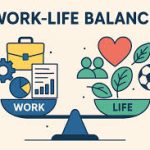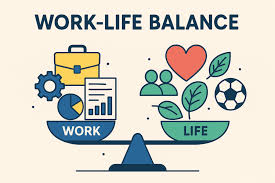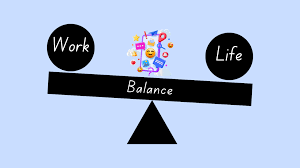
Anxiety often stems from unrealistic expectations about achieving perfect work-life balance. Instead of a mythical perfect split, focus on managing stress, setting boundaries, and integrating work into a fulfilling life, not dominating it.
Understanding the Anxiety-Work-Life Balance Connection
Work-life balance is a buzzword. Many people think it means a perfect 50/50 split. That is, 50 percent for work and 50 percent for life.
This idea can make us feel bad. It’s like a constant race we can’t win. And when we feel like we’re losing, anxiety often follows.
Real life is messy. Work demands change. Family needs shift.
So, that perfect balance feels impossible. This feeling of failure can lead to stress. It can also lead to worry.
We start thinking, “What am I doing wrong?” This is where anxiety can really take hold.
It’s important to know that you are not alone. Many people struggle with this. The pressure to have it all is huge.
Social media often shows perfect lives. This makes our own struggles seem worse.
Let’s look at the common ideas about work-life balance. Many of these ideas are actually myths. Believing them can make your anxiety worse.
We need to break down these myths. Then, we can find a path that works for you.
Myth #1: Perfect Balance Means Equal Time
This is the big one. Many believe work-life balance means spending exactly the same amount of time on work and personal life. So, maybe 8 hours for work, 8 hours for sleep, and 8 hours for everything else.
This is very hard to do every single day. Life doesn’t work that way.
Think about it. Some days, work needs more attention. Maybe there’s a big project deadline.
Other days, your family might need you more. A sick child, for example. Or maybe you have a special event.
Life is about cycles. It’s about ebb and flow.
Trying to force an equal split is stressful. It sets you up for disappointment. This disappointment can fuel anxiety.
You might feel guilty when work takes over. You might feel guilty when life takes over.
What’s more helpful is thinking about integration. Or about alignment. It’s about making sure both work and your personal life feel supported.
It’s not about clocking hours. It’s about feeling fulfilled in both areas.
For instance, a busy week at work might mean less time for hobbies. But that’s okay if you know you can enjoy them later. Or if you find joy in other things that week.
It’s about a feeling of control and satisfaction. Not about a stopwatch.
Myth vs. Reality: Time Division
Myth: Work-life balance requires an equal 8-8-8 hour split daily.
Reality: Balance is dynamic. It shifts based on life’s demands. Focus on overall well-being, not strict time quotas.
The pressure to achieve this “perfect” split can cause us to overthink. We might feel like we’re failing if one area gets more focus one day. This constant self-judgment is exhausting.
It creates a cycle of worry.
Consider the idea of “work-life harmony” instead. This means finding ways for work and life to coexist. They can even complement each other.
It’s about making choices that support your overall happiness. Even when one area demands more attention temporarily.
So, let go of the idea of a perfect score. It’s a false goal. It’s like trying to catch smoke.
Focus on what feels right for you each day. Some days will be more work-heavy. Some days will be more life-heavy.
That’s normal. That’s human.
Personal Experience: The Overwhelmed New Parent
I remember when my first child was born. It was pure joy, mixed with total chaos. I had just started a new role at work.
It was demanding. I was trying to be the perfect employee. I was also trying to be the perfect new dad.
Sleep was a distant memory. My brain felt like scrambled eggs.
I’d lie awake at 3 AM, rocking my baby. My mind would race. “Did I send that email?” “Is the presentation ready?” “Am I failing at work?” Then, as soon as it was light, I’d rush to get ready for work.
I’d feel guilty leaving. I’d feel guilty not being more productive at work. This constant push and pull was agonizing.
I had this mental image of a balanced parent. They juggled everything with ease. They looked calm.
They looked put-together. I was the opposite. I was a mess.
My anxiety spiked every time someone asked how I was doing. I’d force a smile and say, “Busy, but good!” Inside, I felt like a fraud.
One evening, after a particularly rough day, my wife found me staring blankly at the ceiling. I was exhausted. I confessed I felt like I was drowning.
She looked at me, really looked at me. And she said, “You don’t have to be perfect at everything all at once. You’re doing great just by showing up.”
That was a turning point. It wasn’t about fitting into some mold. It was about survival and doing my best, day by day.
My work-life balance looked like a toddler’s drawing that week. But I was still present for my family. I was still contributing at work.
It wasn’t perfect, but it was real.
Myth #2: You Must Always Be “On” and Productive
Another huge myth is that we must constantly be productive. At work, this means always working or thinking about work. In our personal lives, it means always being busy with chores, family, or hobbies.
We feel like if we’re not doing something, we’re wasting time. This is a recipe for burnout.
Our brains and bodies need rest. They need downtime. They need moments of simply being.
This isn’t laziness. It’s essential for our well-being. It’s how we recharge our batteries.
When we don’t rest, our anxiety levels go up.
Think about those quiet moments. Sitting with a cup of tea. Watching the clouds.
Just breathing. These aren’t “wasted” moments. They are moments of recovery.
They help us think more clearly. They help us be more creative when we do work.
The pressure to be always “on” comes from many places. Our culture values hard work. Technology lets us be reached anytime, anywhere.
So, we feel obligated to respond quickly. We feel like we’re falling behind if we take a break.
But what happens when we’re always on? We get tired. We make mistakes.
Our mood suffers. Our relationships can feel the strain. And our anxiety builds.
It’s like running a car engine non-stop. Eventually, it will overheat.
Quick Scan: Recharging Strategies
- Short breaks during work
- Mindful moments (even 5 minutes)
- Scheduled “do nothing” time
- Disconnecting from devices
- Nature walks
We need to reframe rest. It’s not a reward for being productive. It’s a necessary part of it.
Like oil for an engine. Or water for a plant. Without it, nothing thrives.
Learning to say “no” is also crucial here. It’s okay to decline an extra task. It’s okay to not attend every social event.
Setting these boundaries protects your energy. It prevents you from feeling constantly overwhelmed. And that directly helps reduce anxiety.
Consider making rest a priority. Schedule it like you would a meeting. Even if it’s just 15 minutes.
Make it non-negotiable. This shift in thinking can be powerful. It tells your brain that rest is important.
It’s not a sign of weakness.
Myth #3: Work-Life Balance is a One-Time Achievement
Another common misconception is that work-life balance is something you achieve and then it’s done. Like checking off a box. You reach a certain point, and then you have it forever.
This is simply not true.
Life is constantly changing. Your job might change. Your family situation might change.
Your health might change. What felt balanced last year might not feel balanced today. This requires constant adjustment.
Trying to maintain a fixed state of balance is like trying to hold water in your hands. It will always slip away. This constant chasing can lead to frustration.
And, you guessed it, more anxiety. We feel like we’re always one step behind.
Instead of a final destination, think of work-life balance as a practice. It’s an ongoing process of tuning in. It’s about checking in with yourself regularly.
You need to ask: “How am I feeling? What do I need right now?”
This requires self-awareness. It means paying attention to your body’s signals. Are you feeling tired?
Stressed? Irritable? These are signs that your balance might be off.
They are cues to make changes.
Let’s use an example. Imagine you’re working on a big project. For a few weeks, work might naturally take up more time.
This is okay, as long as you recognize it. You also plan to adjust later. Maybe you take a longer vacation after the project.
Or you schedule more downtime.
Adaptation Flow
Phase 1: Current Demand Check
Assess your current workload and life needs. What is your energy like?
Phase 2: Potential Imbalance Noticed
Recognize when one area is consistently taking too much. Are you feeling drained?
Phase 3: Adjustment Strategy
Plan small, doable shifts to regain equilibrium. This might be a short break or saying no to one thing.
Phase 4: Re-evaluation
Check in again. Does the adjustment feel better? What needs to change next?
This flexibility is key. It means you’re not stuck. You can adapt.
This adaptability reduces the anxiety that comes from feeling out of control. You have agency. You can make changes when needed.
Think of it like steering a ship. You’re not aiming for a single fixed point on the horizon. You’re constantly making small adjustments to the rudder.
You’re responding to the waves and the wind. That’s how you stay on course.
So, let go of the idea that you have to “achieve” balance. Focus on the daily practice of living. Focus on making choices that support your well-being.
It’s a journey, not a destination. And that’s a much less anxious way to think about it.
Myth #4: Everyone Else Has It All Figured Out
This myth is fueled by social media and a general tendency to present our best selves. We see curated images of perfect families, successful careers, and vibrant social lives. It’s easy to believe that everyone else is living this ideal life.
And that we are the only ones struggling.
The reality is that behind the perfect façade, most people face challenges. They have their own anxieties. They have their own struggles with balance.
They might be dealing with work stress, family issues, or health concerns. They just don’t broadcast it.
This feeling of isolation can be incredibly anxiety-provoking. It makes your own problems seem unique and insurmountable. You might think, “Why is this so hard for me when others seem to manage so easily?”
In my own experience, I’ve had conversations with friends and colleagues. We’d be talking about work. Then, slowly, the conversation would shift.
Someone would admit they were stressed. Another would share they were feeling burnt out. It’s often a relief to hear that others feel the same way.
This is why vulnerability and open communication are so important. When we share our struggles, we realize we are not alone. This realization can significantly reduce anxiety.
It creates a sense of community and shared understanding.
What Other People Are Thinking
Common thought: “Everyone else seems so calm and in control.”
Likely reality: “I’m struggling, but I don’t want anyone to know. I hope people think I have it together.”
What helps: Remember that online and public personas are often highlights reels, not full documentaries.
It’s also helpful to remember that “having it all figured out” is a myth. Even successful people constantly learn and adapt. They face setbacks.
They question their choices. The difference is that they don’t let these challenges define them.
Instead of comparing yourself to others, focus on your own journey. What does balance look like for you? What makes you feel fulfilled and less anxious?
Your path will be unique.
And when you feel that anxiety rising, remind yourself of this. Most people are just doing their best. They are navigating their own complex lives.
You are too. That shared humanity is powerful. It can ease the pressure you feel.
Real-World Context: The “Always Available” Culture
Our modern world plays a big role in the anxiety surrounding work-life balance. Technology has blurred the lines between work and home. Smartphones mean we can be reached 24/7.
Email notifications ping at all hours. This creates an expectation of constant availability.
In many U.S. workplaces, there’s an unspoken pressure to be responsive. Even outside of work hours.
This is especially true in demanding industries. People worry that if they don’t respond quickly, they’ll be seen as not dedicated. Or worse, they might miss an important opportunity.
This constant connection makes it hard to truly switch off. When your phone buzzes with a work email at dinner, your brain is pulled back into work mode. This fragmented attention prevents true relaxation.
It keeps your nervous system in a low-level state of alert. This fuels anxiety.
Consider the design of our cities and homes. Many people commute long distances. This eats up precious time and energy.
Once home, the demands of household chores and family care can be extensive. There’s often little buffer time.
User behavior also contributes. We might feel obligated to check emails before bed. Or first thing in the morning.
We might say “yes” to overtime because we fear losing our jobs. These are often driven by a need for security. But they can erode our well-being.
This is why setting boundaries is not selfish. It’s a necessary act of self-preservation. It’s about reclaiming your time and mental space.
It’s about telling your employer and yourself that your well-being matters.
Some companies are starting to recognize this. They are implementing “right to disconnect” policies. Or encouraging “no meeting” days.
These are positive steps. They acknowledge that constant connection is not sustainable. And it’s definitely not healthy.
What This Means For You: Recognizing Normal Stress vs. Anxiety
It’s important to distinguish between normal stress and anxiety. Stress is a common reaction to pressure. It can be motivating.
For example, a deadline might motivate you to work faster. Anxiety, however, is a more persistent feeling of worry or dread.
When it comes to work-life balance, stress can feel like a busy week. You might feel rushed. You might have a lot on your plate.
But you can generally manage it. You know it will pass. You still feel a sense of control.
Anxiety, on the other hand, feels different. It can be a constant knot in your stomach. You might have trouble sleeping.
You might find yourself worrying about things you can’t control. You might feel overwhelmed by even small tasks.
If your “imbalance” is causing you to feel this way regularly, it’s a sign to pay attention. It means the myths might be making you feel worse.
Here are some simple checks:
- Energy Levels: Are you consistently exhausted? Do you feel drained even after rest?
- Mood: Are you more irritable, sad, or worried than usual?
- Sleep: Are you having trouble falling asleep or staying asleep?
- Focus: Is it hard to concentrate on tasks, even simple ones?
- Physical Symptoms: Are you experiencing headaches, muscle tension, or stomach issues?
If you answered “yes” to several of these, your work-life balance struggles might be contributing to anxiety. The myths we’ve discussed can make these feelings worse. They create pressure to be perfect when perfection isn’t possible.
When to worry? If these feelings persist for weeks. If they interfere with your daily life.
If they make you want to avoid work or social situations. That’s when it’s time to seek support.
The good news is that understanding these myths is the first step. By letting go of impossible standards, you can reduce the pressure. You can start to build a more realistic and sustainable approach to your life.
Quick Fixes & Tips: Building a Healthier Approach
Since we’ve debunked the myths, let’s talk about what’s real. Building a healthier approach doesn’t mean achieving perfect balance. It means managing your energy and stress.
It means setting boundaries. And it means being kind to yourself.
Here are some practical tips:
- Define Your Priorities: What is truly important to you in both work and life? Knowing this helps you say “yes” to the right things and “no” to others.
- Set Clear Boundaries: Decide when your workday ends. Communicate these boundaries to your colleagues and family. Turn off work notifications after hours.
- Schedule Downtime: Block out time for rest and relaxation on your calendar. Treat it like an important appointment.
- Practice Mindfulness: Even a few minutes of deep breathing or meditation can help calm your nervous system. Focus on the present moment.
- Learn to Delegate: If possible, delegate tasks at work or at home. You don’t have to do everything yourself.
- Take Regular Breaks: Step away from your work throughout the day. Go for a short walk. Stretch. This helps prevent burnout.
- Communicate Your Needs: Talk to your manager about your workload if it’s overwhelming. Talk to your family about how you’re feeling.
- Focus on Progress, Not Perfection: Celebrate small wins. Don’t beat yourself up over imperfect days.
- Disconnect from Technology: Set specific times to be offline. This allows your brain to truly rest and reset.
- Seek Support: Talk to friends, family, or a therapist. Sharing your struggles can make a big difference.
These aren’t magic fixes. They are tools. Tools to help you navigate the complexities of modern life.
The goal is not to eliminate all stress. It’s to manage it in a healthy way. It’s to build resilience.
Remember, your well-being is the foundation for everything else. When you take care of yourself, you are better equipped to handle work demands. You are also more present for your loved ones.
This is the true meaning of balance.
Frequent Questions About Anxiety and Work-Life Balance
What is the biggest myth about work-life balance?
The biggest myth is that work-life balance means a perfect 50/50 split of time. Real life is much more dynamic. Balance shifts and changes based on current demands.
How does trying to achieve perfect balance cause anxiety?
It causes anxiety because the idea of perfect balance is often unrealistic. When we can’t achieve it, we feel like we’re failing. This constant pressure and disappointment leads to worry and stress.
Is it normal to feel stressed about work-life balance?
Yes, it’s normal to feel stressed when juggling work and life demands. Stress is a natural reaction to pressure. It becomes a concern when it turns into persistent anxiety that interferes with daily life.
Can work-life balance ever be achieved permanently?
No, work-life balance is not a permanent achievement. It’s an ongoing practice. Life circumstances change, so you need to continually adjust and adapt your approach to maintain a sense of equilibrium.
What’s a better way to think about work-life balance than perfect division?
A better approach is to think about work-life integration or harmony. This focuses on making work and life coexist in a way that supports overall well-being. It’s about managing energy and priorities, not just time.
How can I stop comparing myself to others regarding work-life balance?
Remind yourself that people often present a curated version of their lives, especially online. Focus on your own journey and what brings you fulfillment. Your path to balance is unique.
What if my work demands are so high I can’t take breaks?
If your workload feels consistently unmanageable and prevents even short breaks, it might be time to have a conversation with your manager about realistic expectations and workload distribution. Seeking support is key.
Conclusion: Embracing Realistic Balance
Letting go of the myths around work-life balance is freeing. It frees you from impossible standards. It frees you from the guilt that comes from not meeting them.
True well-being comes from accepting life’s natural ebb and flow.
Focus on what you can control: your boundaries, your priorities, and your self-compassion. This is how you build a life that feels more balanced and less anxious. It’s a journey, and you’re doing great just by showing up and learning.