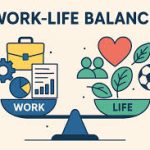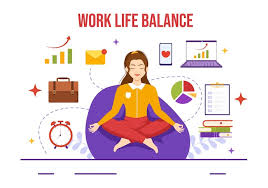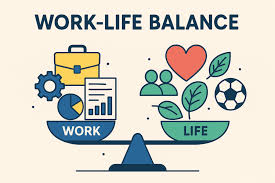
Feeling overwhelmed by the daily grind? You’re not alone. Many of us juggle work, family, and personal lives, leaving little time for ourselves.
This constant pressure can lead to anxiety and a feeling of never being enough. But there are ways to find peace and balance. Let’s look at stories that show it’s possible.
Success in managing anxiety and achieving better work-life balance comes from intentional choices, setting boundaries, and prioritizing well-being. Real people have found ways to thrive by adapting strategies to their unique situations, proving that a more fulfilling life is within reach.
Understanding the Anxiety-Work-Life Balance Connection
Anxiety is a common feeling. It’s our body’s alarm system. When we face stress, our body reacts.
This reaction can feel scary. Work and life demands often trigger this alarm. When work is too much, or life feels out of control, anxiety can grow.
A poor work-life balance means work takes over. There’s no time to relax. No time for hobbies.
No time for friends or family. This imbalance makes us feel drained. It makes it hard to switch off.
Our minds race even when we should be resting.
This constant tension affects our health. It can lead to sleepless nights. It can cause muscle tension.
It can make us feel tired all the time. Our focus suffers too. Simple tasks feel much harder.
This makes work even more stressful. It becomes a cycle that’s hard to break.
Many people think they must always be busy. They believe success means working more. This idea is not true.
True success is about living a full life. It means feeling good. It means having energy.
It means enjoying time with loved ones. It means feeling calm, not worried.
Finding balance is not about doing less. It’s about doing things better. It’s about being present.
It’s about choosing what matters most. It’s about learning to say no. It’s about protecting your energy.
It’s about taking care of your mind and body.
This article shares stories. These stories are from real people. They faced similar struggles.
They found ways to improve their lives. Their journeys offer hope. They show practical steps.
You can learn from their experiences. You can find your own path to peace.
Sarah’s Story: From Burnout to Blooming
I remember a time I felt like a hamster on a wheel. My name is Sarah. I worked in marketing.
Long hours were normal. Weekends often blurred into workdays. My inbox was always full.
My phone buzzed constantly. Even when I tried to relax, my mind was on deadlines.
I started having trouble sleeping. I’d toss and turn, thinking about emails I needed to send. My shoulders felt tight.
I’d snap at my partner over small things. One evening, I looked in the mirror. I saw tired eyes and a worried frown.
I barely recognized myself.
This was burnout. It felt like a dark cloud. I was irritable and sad.
I lost interest in things I used to love. My work quality suffered. I started making mistakes.
I felt guilty. I thought I was failing. The anxiety was a knot in my stomach.
It never really went away.
I knew something had to change. I talked to a friend. She suggested I read a book about boundaries.
I was hesitant. It felt selfish to say no. It felt like I was letting people down.
But my friend insisted. She said I needed to care for myself first.
So, I started small. I decided no work emails after 7 PM. I put my phone away during dinner.
It was hard at first. I felt a pull to check my phone. I felt a worry that something important would be missed.
But I stuck with it. Slowly, things got better.
Then, I started a new habit. I took a 15-minute walk each day. I didn’t listen to podcasts.
I just walked. I looked at the trees. I felt the sun on my face.
This small break helped me clear my head. It was like a mini-vacation for my brain.
I also learned to delegate at work. I realized I didn’t have to do everything myself. I asked colleagues for help.
I trusted them to do a good job. This freed up my time and energy. My stress levels began to drop.
The knot in my stomach loosened.
My work-life balance improved. I had more energy. I felt more present with my family.
My sleep got better. The anxiety didn’t vanish overnight. But it became manageable.
I learned to recognize its early signs. I knew what tools to use to calm myself.
Now, I’m not perfect. There are still busy times. But I have learned to protect my peace.
I set clear boundaries. I prioritize rest. I make time for things that bring me joy.
I no longer feel like a hamster on a wheel. I feel like I’m living life.
Sarah’s Key Changes
Boundary Setting: Limited work communication times.
Mindful Breaks: Daily short walks for mental reset.
Delegation: Shared workload with colleagues.
Self-Care Focus: Prioritized rest and joy.
Mark’s Journey: Reclaiming Weekends from Worry
My name is Mark. I’m a software developer. I love my job.
But it’s demanding. Bugs can pop up anytime. Sometimes, a client has an urgent request.
This meant my weekends were often interrupted. I’d get a call at noon on Saturday. Then, I’d be stuck on my laptop.
My wife and kids started planning things without me. They knew I might get pulled away. It felt isolating.
I missed my daughter’s soccer games. I missed family dinners. I felt disconnected.
The anxiety wasn’t always about work. It was about missing out on life.
I worried about what would happen if I didn’t answer. I thought the project would fail. I thought my boss would be mad.
I feared I was not a reliable team member. This fear kept me tethered to my work. Weekends became dreaded times.
One Sunday afternoon, I was debugging code. My son, who is 8, came to ask me to play catch. I said, “Not now, buddy.
Daddy’s working.” His face fell. He walked away quietly. That moment hit me hard.
I realized what I was losing.
I decided I needed a plan. I talked to my team lead. I explained my concerns.
I told him I needed protected weekends. I suggested we set up a better on-call rotation. I also proposed creating a clearer process for urgent requests.
This meant defining what truly was “urgent.”
My lead was surprisingly understanding. He said he’d noticed my long hours. He agreed to try a new system.
We implemented a rotating weekend on-call schedule. Only one person was responsible for urgent issues. Everyone else was free.
We also set up a system for flagging non-urgent tasks for Monday.
This change was a game-changer. My first weekend off, I felt strange. I kept reaching for my phone.
I felt a little anxious, like I should be working. But then, my son asked me to play catch again. This time, I said yes.
We spent hours outside.
I felt a huge sense of relief. I realized my fears were mostly in my head. The projects didn’t fall apart.
My boss didn’t get mad. In fact, my team became more efficient. We planned better.
We communicated more clearly.
My anxiety decreased significantly. I could finally relax on Saturdays and Sundays. I reconnected with my family.
We went on hikes. We visited museums. We had board game nights.
I started enjoying my life outside of work. My relationships improved.
I learned that advocating for myself was important. I learned that clear communication helps teams. I also learned that true productivity comes from balance.
You can’t pour from an empty cup. Taking time to rest and recharge makes you better at your job.
Now, my weekends are sacred. I still work hard during the week. But when Friday afternoon comes, I log off.
I put my work laptop away. I focus on my family and my well-being. The worry is gone.
I feel present. I feel happy.
Mark’s Takeaways
Open Communication: Discussed needs with management.
Process Improvement: Created better on-call and task flagging systems.
Trust Building: Empowered team members to handle urgent issues.
Reclaimed Time: Successfully protected personal time for family and hobbies.
Chloe’s Path: Finding Calm in Creative Chaos
I’m Chloe. I’m a freelance graphic designer. My work is my passion.
I love bringing ideas to life. But freelancing has its own set of challenges. Income can be unpredictable.
Clients can change their minds. Deadlines can be tight. It’s a constant hustle.
I used to work from my living room couch. My workspace wasn’t defined. My laptop was always within reach.
Even when I was watching TV, I’d glance at emails. I felt like I was always “on.” This made me feel restless and anxious. I couldn’t seem to switch off.
My creativity suffered too. When you’re constantly stressed, it’s hard to be inspired. Ideas felt forced.
I started feeling burnt out. My physical health also took a hit. I had frequent headaches.
My diet was not great because I was always rushing.
I also noticed I was comparing myself to other designers online. Their portfolios looked amazing. Their client lists were impressive.
This fueled my anxiety. I felt like I wasn’t good enough. I was letting these external pressures dictate my self-worth.
A turning point came during a difficult project. The client was very demanding. They kept asking for revisions.
I was working late nights. I was exhausted. I made a mistake.
I sent them the wrong file. The client was furious. I felt terrible.
That night, I sat on my couch. I felt completely defeated. I thought about quitting design altogether.
Then, I remembered a workshop I’d attended on mindfulness. I decided to try it. I sat quietly for 10 minutes.
I focused on my breath. It was surprisingly difficult.
The next day, I decided to create a dedicated workspace. I cleared out a corner of my spare room. I put up a nice desk.
I added plants and good lighting. This small change made a big difference. It created a physical separation between work and home life.
I also started using a project management tool. I broke down large projects into smaller tasks. This made them feel less overwhelming.
I learned to schedule my creative work. I blocked out time for focused design sessions. I also scheduled short breaks.
I learned to manage client expectations better. I set clear project scopes upfront. I communicated timelines and revision limits.
This reduced misunderstandings. It also made clients feel more respected.
I stopped comparing myself to others. I focused on my own journey. I celebrated my small wins.
I started a gratitude journal. I wrote down three things I was thankful for each day. This shifted my focus from what I lacked to what I had.
My anxiety lessened. My creativity flowed more freely. I started enjoying my work again.
I felt more in control of my life. My physical health improved too. I had more energy.
I felt more balanced and happy.
Now, my freelance career is thriving. I still face challenges. But I have the tools to manage them.
I have a dedicated workspace. I manage my time and clients well. I focus on my own progress.
I know that taking care of myself allows me to do my best work.
Chloe’s Strategies
Dedicated Workspace: Created a physical separation for work.
Task Management: Broke down projects into smaller steps.
Client Communication: Set clear expectations and limits.
Mindfulness Practice: Incorporated brief meditation.
Gratitude Focus: Shifted mindset from lack to abundance.
Real-World Scenarios: Navigating Common Pitfalls
It’s easy to read success stories and feel inspired. But applying these lessons to our own lives can be tough. Let’s look at common situations where anxiety and work-life balance become tricky.
The “Always On” Culture
Many workplaces expect constant availability. Emails fly late at night. Team chats buzz during dinner.
This culture normalizes overwork. It tells employees their personal time is less important. This can lead to feelings of guilt when you try to disconnect.
This is what Sarah faced. She felt she had to respond immediately. Mark felt obligated to fix urgent issues on weekends.
This constant connection fuels anxiety. It makes it hard to relax. Your brain never gets a break.
It’s always anticipating the next notification.
The reality is, most urgent requests can wait a few hours. Or they can be handled by someone else if the system is set up right. Companies that promote this “always on” culture often see higher burnout rates.
They also suffer from lower productivity in the long run.
Unrealistic Expectations
We often have high expectations for ourselves. We want to be perfect parents. We want to be excellent employees.
We want to have clean homes. We want to pursue hobbies. Trying to do everything perfectly is a recipe for anxiety.
Chloe struggled with comparing herself to others. This comparison fueled her anxiety. She felt she wasn’t measuring up.
This is common. Social media often shows a highlight reel. It doesn’t show the messy, unglamorous reality behind the scenes.
Accepting that “good enough” is often great is key. It’s about prioritizing. What is truly important today?
What can wait? Letting go of perfectionism frees up mental energy. It reduces the pressure to constantly achieve.
Lack of Clear Boundaries
Boundaries are like invisible fences. They protect your time, energy, and well-being. Without them, people can easily step into your personal space.
This can happen at work or in our personal lives.
Mark learned this when his weekends were invaded. He didn’t have a clear boundary. He felt obligated to respond.
Sarah learned to set boundaries with her work hours. This protected her evenings. Chloe created a dedicated workspace.
This separated her work environment from her living space.
Setting boundaries isn’t selfish. It’s a form of self-respect. It teaches others how to treat you.
It helps maintain healthy relationships. It’s important to communicate your boundaries clearly and kindly.
Poor Time Management Skills
Feeling overwhelmed often stems from not knowing where to start. When tasks pile up, anxiety can set in. This is where good time management comes in.
It’s not about working faster. It’s about working smarter.
Chloe found relief by breaking down tasks. This made her work feel manageable. Mark’s team improved their process for handling urgent issues.
This prevented chaos. Understanding how you spend your time is the first step. Then, you can plan effectively.
Simple tools like to-do lists, calendars, and project management apps can help immensely. The key is to find a system that works for you. And to stick with it.
Quick Scan: Common Anxiety Triggers
- Work Demands: Long hours, constant notifications, unclear expectations.
- Personal Life Pressures: Family responsibilities, social obligations, self-imposed standards.
- Financial Worries: Unstable income, unexpected expenses.
- Health Concerns: Chronic illness, managing symptoms, doctor appointments.
- Relationship Issues: Conflicts, misunderstandings, feeling unsupported.
What This Means for You: When to Seek Support
Reading these stories is inspiring. It shows that change is possible. But it’s important to know when you might need more help.
Everyone experiences stress and anxiety differently. What is manageable for one person might be overwhelming for another.
When is it Just Stress, and When is it Anxiety?
Stress is usually a reaction to a specific event. It tends to go away once the event is over. For example, you might feel stressed before a big presentation.
Once it’s done, you feel better. Anxiety is a more persistent feeling of worry or fear.
It can happen even when there’s no clear threat. Anxiety can interfere with daily life. It can cause physical symptoms like racing heart, sweating, or nausea.
If these feelings are frequent, intense, or hard to control, it might be more than just stress.
Signs it’s Time to Worry
If your anxiety is impacting your ability to function, it’s a sign. Are you having trouble sleeping regularly? Is your appetite changing significantly?
Are you avoiding social situations or work? Do you feel overwhelmed most of the time?
Are you experiencing panic attacks? These are sudden episodes of intense fear. They can include chest pain, shortness of breath, and a feeling of losing control.
If these symptoms are present, it’s important to talk to someone.
Also, consider how it affects your relationships. If you’re constantly irritable, withdrawn, or arguing with loved ones because of your stress, it’s a concern. If work performance is suffering significantly, that’s another flag.
Simple Checks You Can Do
One simple check is to notice your energy levels. Are you constantly drained? Do you have little motivation for activities you used to enjoy?
Another check is your mood. Are you feeling sad, hopeless, or irritable for long periods?
Think about your physical health. Are you experiencing unexplained headaches, stomach problems, or muscle tension? These can be physical signs of stress and anxiety.
Finally, ask yourself: can I control these feelings? If the answer is no, it’s time to get help.
When to Reach Out for Professional Help
If you identify with many of the signs that it’s time to worry, professional help is a good next step. This could be talking to your doctor. They can rule out any underlying medical conditions.
They can also refer you to a mental health professional.
A therapist or counselor can provide tools and strategies to manage anxiety. Cognitive Behavioral Therapy (CBT) is very effective for anxiety. It helps you identify and change negative thought patterns.
Other therapies can also be beneficial.
For Mark, talking to his team lead was a crucial step. For Sarah, reading a book and implementing changes helped. For Chloe, mindfulness and creating a workspace were key.
These are all forms of taking action. Sometimes, that action involves seeking guidance from experts.
When to Seek Help
Persistent Worry: Feelings of anxiety that don’t go away.
Life Disruption: Difficulty with work, sleep, or social activities.
Physical Symptoms: Unexplained headaches, stomach issues, racing heart.
Loss of Interest: Not enjoying things you once did.
Panic Attacks: Sudden, intense episodes of fear.
Relationship Strain: Constant irritability or conflict.
Quick Tips for Building Balance and Reducing Anxiety
These tips are not a cure. They are small steps you can take. They can help you build a more balanced life.
They can help reduce feelings of anxiety. Remember, progress is more important than perfection.
1. Schedule Downtime
Just like you schedule meetings, schedule time to relax. Block it on your calendar. Treat it as an important appointment.
This could be reading a book, taking a bath, or just doing nothing.
2. Practice Mindful Moments
Take a few minutes each day to be present. Focus on your breath. Notice your surroundings.
Engage your senses. This can help calm your mind and reduce racing thoughts.
3. Set Clear “Workday Ends”
Define when your workday ends. Communicate this to your colleagues and family. Then, stick to it.
Put away your work phone or laptop. Resist the urge to check emails.
4. Move Your Body
Physical activity is a great stress reliever. It doesn’t have to be intense exercise. A brisk walk, some stretching, or dancing to music can make a difference.
5. Learn to Say No
It’s okay to decline requests that will overextend you. Saying no to one thing means saying yes to your well-being. Be polite but firm.
You don’t need to over-explain.
6. Prioritize Sleep
Good sleep is crucial for managing anxiety. Aim for 7-9 hours per night. Create a relaxing bedtime routine.
Try to go to bed and wake up around the same time, even on weekends.
7. Connect with Others
Spend time with supportive friends and family. Talk about your feelings. Sharing your worries can make them feel less heavy.
Social connection is a powerful buffer against stress.
8. Declutter Your Space
A cluttered environment can lead to a cluttered mind. Take time to organize your workspace and living areas. Even small improvements can create a sense of calm and control.
9. Practice Self-Compassion
Be kind to yourself. You are doing your best. Everyone makes mistakes.
Treat yourself with the same understanding you would offer a friend.
10. Celebrate Small Wins
Acknowledge your progress. Did you stick to your no-work-after-hours rule? Did you take that walk?
Celebrate these small victories. They build momentum and boost your confidence.
Quick Fixes: Building Resilience
Downtime: Schedule it like an appointment.
Mindfulness: Focus on breath for 5 minutes.
Boundaries: Define your “off” hours.
Movement: A 20-minute walk daily.
Saying No: Practice politely declining.
Sleep: Aim for 7-9 hours consistently.
Connection: Call a friend for a chat.
Declutter: Clear your desk area.
Self-Kindness: Forgive yourself for small slip-ups.
Celebrate: Acknowledge even small achievements.
Frequently Asked Questions
How can I start setting boundaries at work if my boss expects me to be available 24/7?
Start small and be clear. You can say something like, “I’ll be offline after 6 PM to ensure I’m refreshed for the next day. If anything critical comes up, please mark it as urgent, and I’ll address it first thing.” Documenting your work hours and achievements can also help show your productivity.
I feel guilty when I relax or take breaks. How do I overcome this?
This guilt often comes from the belief that you must always be productive. Recognize that rest is productive. It allows your brain to recharge, improves focus, and prevents burnout.
Think of breaks as investments in your long-term performance and well-being. Start with very short breaks, like 5 minutes, and gradually increase them.
What’s the difference between stress and anxiety, and when should I see a doctor?
Stress is a response to a specific challenge and usually fades when the challenge passes. Anxiety is a persistent feeling of worry or fear that can occur without an obvious trigger and significantly impacts daily life. If your feelings of worry are intense, frequent, hard to control, or interfere with your work, relationships, or daily activities, it’s a good idea to consult a doctor or mental health professional.
My creative work is suffering because I’m always anxious. What can I do?
Anxiety can block creativity. Try establishing a dedicated workspace to separate work from home life. Practice mindfulness or short meditation breaks to calm your mind.
Break down large projects into smaller, manageable steps. Focus on your own creative process and progress rather than comparing yourself to others. Sometimes, talking to a therapist can help unlock creative blocks caused by anxiety.
Is it possible to have a demanding career and still have a good work-life balance?
Yes, it is possible, but it requires conscious effort and strategy. It often involves clear boundary setting, effective time management, prioritizing self-care, and communicating your needs with employers or clients. It’s about working smarter, not just harder, and understanding that balance is essential for sustained performance and well-being.
I’m constantly worried about finances, and it affects my work. What are some ways to cope?
Financial worries can be very stressful. Try to create a detailed budget to understand your income and expenses. Look for ways to increase income or decrease spending.
If the anxiety is severe, consider talking to a financial advisor. Also, focus on the areas you can control and practice stress-reduction techniques like exercise and mindfulness to manage the emotional impact.
Conclusion
Achieving a better work-life balance and reducing anxiety is a journey, not a destination. The stories of Sarah, Mark, and Chloe show that small, consistent changes can make a big difference. By setting boundaries, prioritizing self-care, and seeking support when needed, you can find more peace and fulfillment.
It’s about building a life where you thrive, not just survive.