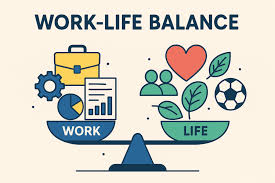
Feeling that constant tug-of-war between your job and your life? You’re not alone. Many of us struggle to find peace when work demands pile up.
It’s like trying to juggle too many balls at once. Sometimes, you drop one. Or maybe a few.
This often leads to that nagging feeling of anxiety.
You want to do well at work. But you also want time for yourself. You want to see your family and friends.
You want to enjoy your hobbies. When these things feel impossible, stress can really start to build. It can make even simple tasks feel overwhelming.
This article is here to help. We’ll look at some great tools and ideas to make things better. You can find a good balance.
Managing anxiety and finding work-life balance involves using smart tools and resources. Effective strategies include mindfulness apps, time management techniques, digital detox practices, and seeking professional support. These can help reduce stress, increase productivity, and promote overall well-being.
Understanding Anxiety and Work-Life Balance
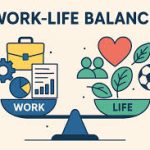
Work-life balance is about feeling good. It means you have enough time and energy for your job. It also means you have enough for your personal life.
This includes family, friends, and hobbies. When this balance is off, stress happens. It can feel like your work is taking over everything.
Your personal time shrinks. This can lead to worry and a general sense of unease.
Anxiety is a feeling of worry or fear. It can be about everyday things. It can also be about bigger worries.
When work takes too much space, anxiety can grow. You might worry about not doing enough. You might worry about letting people down.
Or you might just feel keyed up all the time. Your mind races. You might have trouble sleeping.
This isn’t good for you.
Why is this balance so hard to find? Modern work often demands more. Emails and messages come at all hours.
Many jobs let you work from home. This can blur the lines between work and home. It’s easy to just keep working.
The result? More stress. Less time for fun.
Less time to just rest and recharge.
Think about it. Have you ever checked work emails on a vacation? Or stayed late because you felt you “had to”?
Most people have. It shows how tricky this balance is. Finding ways to manage this is key.
It helps your mind and body stay healthy. It makes you happier overall. This article will share tools that can help.
They are for managing stress and improving your balance.
My Own Struggle with the Balance
I remember a time when my work felt like a black hole. I was working in a marketing job. Projects kept coming in.
Deadlines were tight. I’d start my day early. I’d often finish late.
Then I’d take my laptop home. I’d work some more after dinner. My partner would ask if I wanted to watch a movie.
I’d say, “Just one more email.” That “one more email” often turned into an hour.
I started to feel it. My shoulders were always tight. My sleep was poor.
I’d wake up feeling tired. I felt a constant, low hum of worry. Was I doing enough?
Was I missing something important? My friends invited me out. I’d say I was too busy.
Then I’d feel guilty for missing out. It was a cycle. Work stress feeding my worry.
Missing out on fun making me more stressed.
One evening, I was trying to write a report. My cat jumped onto my desk. He rubbed his head against my hand.
I stopped typing. I looked at him. He just blinked slowly at me.
In that moment, I realized how much I was missing. My own pet. My own home.
I was barely present. I felt a wave of sadness. And a little bit of panic.
This wasn’t the life I wanted. I knew I had to change something. I started looking for ways to get my life back.
That’s when I found some of the tools I’ll share.
Tools for Quieting the Mind
When you’re feeling anxious, your mind can feel like a busy highway. Thoughts zoom by. It’s hard to catch your breath.
Certain tools can help slow things down. They help you focus on the present. This is often called mindfulness.
It’s about paying attention to what’s happening right now. Without judging it.
Mindfulness Apps: Your Pocket Guide
What they are: These apps offer guided meditations. They also have breathing exercises. Some have soothing sounds.
They are made to help you relax and focus.
Why they help: Regular use can lower stress. They can improve your mood. They teach you to handle anxious thoughts better.
Top picks: Calm, Headspace, Insight Timer.
Ease of use: Very easy. Most guides are short, 5-10 minutes.
Let’s talk about Calm. It’s one of the most popular. It has sleep stories.
These are great if you have trouble sleeping. It also has guided meditations for all sorts of things. Like stress relief.
Or focus. They have nature sounds too. Like rain or ocean waves.
These can be very soothing.
Headspace is another great choice. It breaks down meditation into small steps. It’s very beginner-friendly.
They have courses on focus. They have courses on managing anxiety. Their animation style is friendly.
It makes learning feel fun. They often use simple analogies. This makes complex ideas easy to grasp.
Insight Timer is special because it’s free. It has a huge library of guided meditations. You can find sessions led by teachers from all over the world.
It also has a timer. You can use it for your own silent meditation. The community aspect is nice too.
You can see how many people are meditating with you.
Using these apps is simple. You find a quiet spot. You put on headphones if you have them.
You pick a session. You just follow the voice. It might feel strange at first.
Your mind will wander. That’s okay. The goal isn’t to stop thinking.
It’s to notice when you’re thinking. And gently bring your focus back. Even 5 minutes a day can make a difference.
Breathing Exercises: Simple Yet Powerful
The basic idea: Controlled breathing calms your nervous system. It tells your body it’s okay to relax.
Try this: Box breathing. Inhale for 4 counts. Hold for 4 counts.
Exhale for 4 counts. Hold for 4 counts. Repeat.
Why it works: It slows your heart rate. It reduces the “fight or flight” response. This makes you feel calmer.
Breathing is something we do all the time. We don’t usually think about it. But when we’re stressed, our breathing gets shallow.
It comes from the chest. This can make anxiety worse. Taking slow, deep breaths from your belly is like a reset button.
It signals safety to your brain. It’s a tool you can use anywhere. In a meeting.
On a bus. Before a big presentation.
I find that a simple technique is best. Just focus on making your exhales longer than your inhales. For example, inhale for a count of 4.
Exhale for a count of 6. Do this for a few minutes. It’s amazing how quickly it can shift your state.
Your body starts to relax. Your thoughts might slow down a bit. It’s a simple act of self-care you can do anytime.
Mastering Your Time and Tasks
Feeling overwhelmed by work often comes from not managing your time well. Or not managing your tasks effectively. It’s not about working harder.
It’s about working smarter. When you have a clear plan, things feel less chaotic. You know what needs to be done.
And you know when it needs to be done.
Time Blocking: Your Schedule’s Best Friend
Concept: Divide your day into blocks of time. Assign specific tasks to each block.
How it helps: It creates structure. It stops tasks from bleeding into each other. It ensures you dedicate time to important things.
Example blocks: 9-10 AM: Email & Planning. 10 AM-12 PM: Deep Work on Project X. 12-1 PM: Lunch Break.
1-2 PM: Meetings.
Time blocking is a game-changer. Instead of having a long to-do list that stares at you all day, you schedule the work. It’s like making appointments with yourself.
You agree to work on a specific task during a specific time. This makes it less likely you’ll get sidetracked. It also ensures you build in breaks.
Breaks are super important. They prevent burnout.
When I started time blocking, I was surprised. I realized how much time I was wasting. Just thinking about what to do next.
Or switching between tasks. Scheduling focused work periods made me much more productive. I also learned to schedule my personal time.
Like my gym session or dinner with my partner. This made it feel just as important as a work meeting.
What about those unexpected tasks? Life happens. Time blocking isn’t rigid.
You can adjust. If a client calls with an urgent need, you can shift a block. The key is to be mindful of the change.
And to reschedule what you missed. It’s a flexible system. Not a prison sentence.
It’s about bringing order to your day.
Task Management Apps: Keep it Organized
What they do: Help you list, sort, and track your tasks. Many let you set due dates and reminders.
Why use them: Reduces mental clutter. Ensures nothing falls through the cracks. Gives a sense of accomplishment as you check things off.
Popular choices: Todoist, Asana, Trello, Microsoft To Do.
These apps are like digital sticky notes, but way better. You can create different projects. You can add notes and files to tasks.
Some apps let you collaborate with others. This is great for teams. For personal use, they help you see everything at a glance.
You can prioritize what’s most important. This stops you from feeling overwhelmed by a huge list.
I’ve used Todoist for years. I love its simplicity. You can type things in quickly.
It understands natural language. Like “Write report by Friday 5 PM.” It automatically sets the due date. You can also assign priority levels.
So you know what to tackle first. Seeing tasks move from “to do” to “done” is very satisfying. It’s a small win that adds up.
Trello uses a board system. It’s very visual. You have columns like “To Do,” “Doing,” and “Done.” You move tasks (cards) across the board.
This is great for projects that have stages. Or for visualizing a workflow. It makes it easy to see where everything stands.
For people who think visually, Trello is fantastic.
Choosing an app depends on your style. Do you prefer a simple list? Or a visual board?
Most offer free versions. Try a few. See which one feels right for you.
The goal is to find a system that helps you feel in control. Not more confused.
Setting Boundaries in a Connected World
One of the biggest challenges to work-life balance is the constant connection. Our phones buzz. Emails ping.
It’s easy to feel like you’re always “on.” Setting clear boundaries is crucial. This tells others (and yourself) when you are available for work. And when you are not.
Digital Detox: Taking a Break from Screens
What it is: Intentionally unplugging from digital devices for a period.
Why it’s needed: Reduces screen fatigue. Improves sleep. Allows for real-world connection and activities.
Helps you reset mentally.
Simple steps: Turn off notifications. Designate “no-phone” times (like meals). Have screen-free evenings.
Digital detox doesn’t mean you have to throw your phone away. It’s about mindful use. It’s about deciding when and how you engage with technology.
Imagine a weekend where you only check email once or twice. You spend more time reading a book. Or going for a walk.
Or talking to your family without interruption.
I found that disabling notifications was the first step. Every buzz pulled my attention away. Even if I didn’t check it, my focus was broken.
Now, I only get alerts for calls from my contacts. Or for urgent messages. It’s made a huge difference.
I feel more present. And less reactive.
Another good strategy is creating physical separation. If possible, don’t have your work computer in your bedroom. Or leave your work phone in another room when you’re done for the day.
This creates a physical barrier. It helps your brain switch off from work mode. It allows you to create a space for rest and relaxation.
Communicating Your Boundaries
The challenge: People may not know your limits. Setting them can feel awkward.
Effective approach: Be clear and kind. State your working hours. Mention your availability.
Example phrases: “I’m generally offline after 6 PM.” “I check emails first thing in the morning.” “If this is urgent, please call my mobile.”
It’s important to communicate your boundaries. Especially if you work remotely or have flexible hours. Let your colleagues and boss know your general availability.
This manages expectations. It prevents others from assuming you’re always reachable. Most people respect clear, polite boundaries.
I learned to tell my team, “I’m signing off for the day now. I’ll respond to any new messages first thing tomorrow morning.” This sounds simple. But it was a big step for me.
It felt empowering. And surprisingly, it didn’t cause problems. People respected it.
It actually led to more focused work during my work hours. Because I knew I had a clear end point.
Nourishing Your Body and Mind
Our physical health is deeply connected to our mental health. When you’re stressed and anxious, it impacts your body. Eating poorly, not sleeping enough, and lack of exercise all make anxiety worse.
Focusing on self-care is not selfish. It’s essential for managing your well-being.
Healthy Eating Habits
Focus on: Whole foods, fruits, vegetables, lean proteins, and healthy fats.
Limit: Processed foods, excessive sugar, and caffeine (especially later in the day).
Why it matters: Good nutrition supports brain health. It stabilizes mood. It provides energy.
What you eat directly affects how you feel. Sugary snacks might give a quick boost. But they lead to a crash.
This can mimic anxiety symptoms. Focus on meals that provide steady energy. Think of balanced plates.
A good source of protein. Lots of colorful vegetables. And a healthy fat like avocado or nuts.
I noticed a big change when I started meal prepping. On Sunday, I’d chop veggies. I’d cook a batch of grains or chicken.
Then, during the busy work week, healthy meals were easy. No more grabbing fast food because I was too tired to cook. This saved me money and made me feel much better physically.
The Power of Sleep
Aim for: 7-9 hours of quality sleep per night.
Tips for better sleep: Stick to a regular sleep schedule. Make your bedroom dark and quiet. Avoid screens before bed.
Impact: Sleep deprivation makes anxiety much worse. It impairs judgment and focus.
Sleep is your body’s repair shop. When you don’t get enough, everything suffers. Your mood dips.
Your patience wears thin. Your ability to handle stress decreases. If you struggle with sleep, try to create a relaxing bedtime routine.
Maybe a warm bath. Or reading a physical book. Or gentle stretching.
These things tell your body it’s time to wind down.
Movement and Exercise
Benefits: Releases endorphins (natural mood boosters). Reduces stress hormones. Improves sleep quality.
Types: Walking, jogging, yoga, dancing, swimming. Anything you enjoy!
Consistency is key: Aim for at least 30 minutes most days.
Exercise is one of the best stress relievers. You don’t need to run a marathon. A brisk walk in the park can be incredibly effective.
It gets your blood flowing. It helps you clear your head. If you sit at a desk all day, short movement breaks are vital.
Stand up. Stretch. Do a few jumping jacks.
Get your body moving. It makes a big difference.
I found that even a 15-minute walk at lunchtime would change my afternoon. I’d come back feeling more refreshed. More focused.
It was like a mini-reset. It broke up the day. And it gave me some much-needed fresh air.
Don’t think of exercise as a chore. Think of it as a gift to yourself.
Seeking Support When You Need It
Sometimes, the stress and anxiety feel too much to handle alone. It’s okay to ask for help. There are many sources of support.
Talking about your feelings is a sign of strength, not weakness.
Professional Help: Therapists and Counselors
What they offer: A safe space to talk. Tools and strategies for managing anxiety. Help to understand the root causes of stress.
Types of therapy: Cognitive Behavioral Therapy (CBT) is very effective for anxiety.
Finding help: Talk to your doctor. Look for licensed therapists in your area. Many offer online sessions.
A therapist can provide objective guidance. They can help you identify patterns of thought or behavior that contribute to your anxiety. They can teach you coping mechanisms.
These are skills you can use for life. It’s an investment in your long-term well-being.
I once saw a therapist for a period. I was hesitant at first. But it was one of the best decisions I made.
She helped me understand why I felt the need to please everyone. And how to set boundaries without guilt. The skills I learned have stayed with me.
Friends, Family, and Support Groups
Your network: Lean on trusted friends and family. Share what you’re going through.
Support groups: Connect with others who have similar experiences. This can reduce feelings of isolation.
Benefits: Feeling heard and understood is powerful. Sharing experiences can provide new perspectives.
Don’t underestimate the power of talking to someone you trust. Sometimes, just saying things out loud can make them feel less scary. If you have a close friend or family member, reach out.
Let them know you’re struggling. They might offer comfort, advice, or just a listening ear.
Support groups can also be very helpful. Whether it’s for anxiety, work stress, or another challenge, connecting with people who “get it” is incredibly validating. It reminds you that you’re not alone in your struggles.
You can learn from their experiences too.
Putting It All Together: A Balanced Life
Achieving a good work-life balance and managing anxiety is an ongoing journey. It’s not about perfection. It’s about progress.
It’s about finding what works best for you. And being kind to yourself along the way.
Think of these tools and strategies as your toolkit. You don’t need to use everything at once. Start with one or two things that resonate with you.
Maybe it’s a mindfulness app. Or learning to time block. Or setting a clear boundary about checking emails after work.
Small changes can lead to big results.
Remember that feeling of being overwhelmed? That constant worry? It doesn’t have to be your normal.
By actively seeking out resources and making conscious choices, you can create a life that feels more peaceful. More balanced. And more joyful.
You deserve that.
Frequently Asked Questions
What is the quickest way to reduce anxiety when I feel it building?
The quickest way is often focused breathing. Try “box breathing”: inhale for 4 counts, hold for 4, exhale for 4, hold for 4. Repeat this for a few minutes.
This helps calm your nervous system fast.
How can I avoid burnout from working too much?
Burnout is a serious risk. To avoid it, set clear boundaries for work hours. Use time blocking to ensure you take breaks.
Schedule downtime like you schedule meetings. Also, don’t be afraid to say “no” to extra tasks if you’re already overloaded.
Are there free resources for managing work-life balance?
Yes, many free resources exist. Websites like the American Psychological Association offer articles. Free versions of apps like Insight Timer (for meditation) are available.
Many blogs and podcasts offer tips. Also, public libraries have books on time management and stress relief.
How do I know if my anxiety is serious enough to seek professional help?
If anxiety interferes with your daily life, relationships, or work, it’s time to seek help. Signs include constant worry, panic attacks, trouble sleeping, or feeling overwhelmed often. A doctor or therapist can assess your situation.
What is the best app for improving focus while working?
Many apps can help focus. Some use methods like the Pomodoro Technique (work for 25 minutes, break for 5). Apps like Forest encourage you not to use your phone by growing virtual trees.
Mindfulness apps can also improve your ability to concentrate.
How can I get my family on board with my work-life balance goals?
Talk openly with your family about why balance is important to you. Explain your new habits, like setting work boundaries. Involve them in planning fun activities together.
Make sure they see you prioritizing family time too. Their support makes a big difference.
Conclusion
Finding your balance and managing anxiety takes effort. But it is absolutely possible. By using smart tools and being mindful of your needs, you can create a life that feels good.
A life where work is part of it, not all of it. You’ve got this!